Premises and facilities management
Hurricane preparedness checklist for business: the building, the people and the record
A hurricane preparedness checklist for business lists what to do to protect employees, the building, its systems and its records before the hurricane season, when a watch or warning is issued, and after the storm.
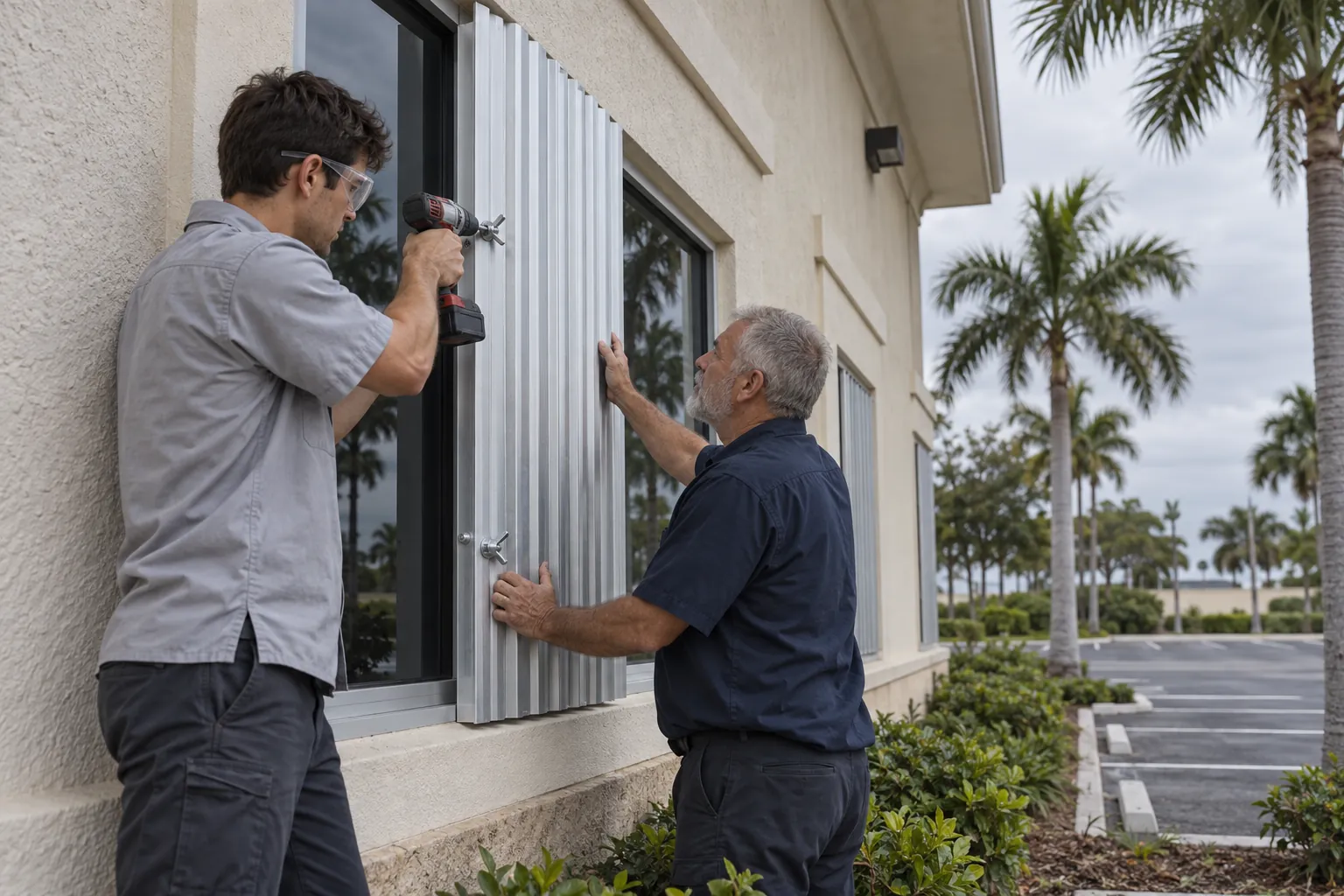
A hurricane gives a business something most emergencies do not: warning. The National Weather Service posts a watch about 48 hours ahead and a warning about 36 hours ahead, and what a building team does with that time, and with the months before it, decides how quickly the doors reopen. This guide sets out what FEMA's Ready Business program, NOAA and OSHA say, and turns it into a working checklist that helps facility managers, building engineers, custodial crews and security teams prepare and secure the building: before the season, when the watch goes up, and after the storm.
01
Whose guidance applies: FEMA, NOAA and OSHA
No federal regulation requires an ordinary business to keep a document called a hurricane plan. The duties that do exist are general ones, and the detailed guidance comes from three federal sources that each do a different job.
FEMA sets out the method. The Ready Business program's Ready Business Hurricane Toolkit moves an organization through four steps: identify your risk, develop a plan, take action, and be recognized and inspire others. It groups the work under six headings: staff (protecting people), surroundings ("fences, flagpoles, and trees"), space (inventory, filing cabinets, shelving and furniture), systems (utility systems, "generally located on the roof"), structure (the building itself) and service (helping the community afterward). Its planning scenario is blunt: assume the building is closed for at least three days after the storm and that "all utilities are interrupted."
NOAA sets the clock. The National Hurricane Center's Tropical Cyclone Climatology gives the Atlantic hurricane season as June 1 to November 30 and the eastern Pacific season as May 15 to November 30, with the Atlantic peak on September 10 and "most activity occurring between mid-August and mid-October." The National Weather Service page Hurricane and Tropical Storm Watches, Warnings, Advisories and Outlooks defines the two alerts a building team plans around: a hurricane watch means hurricane conditions "are possible within your area," issued 48 hours in advance, and a hurricane warning means they "are expected somewhere within the specified area," issued 36 hours before tropical storm-force winds arrive.
OSHA sets the workplace duty. Its Hurricane Preparedness page tells employers to develop evacuation plans covering the "conditions that will activate the plan," the "chain of command," the "emergency functions and who will perform them" and "specific evacuation procedures, including routes and exits," and notes that certain businesses must comply with 29 CFR 1910.38, Emergency action plans. That standard applies "whenever an OSHA standard in this part requires one," and a plan under it "must be in writing, kept in the workplace, and available to employees for review," although an employer with 10 or fewer employees may communicate it orally. A hurricane annex usually hangs off that plan.
02
What a business hurricane checklist covers
A useful checklist is written for one building and names who does each item. Using FEMA's six headings as the frame, it usually covers:
- People: who decides to close, how employees, tenants and contractors are told (the crisis communication plan), who evacuates and who (if anyone) stays, where the emergency supply kit is kept, and how everyone is accounted for afterward.
- Contractors on site: the janitorial company, the day porter, the security contractor and any engineers or vendors. Each needs to know their last tasks and when they are called back; security post orders should say whether a post is withdrawn at a warning.
- Surroundings: signs, flagpoles, trees, fences, dumpsters, outdoor furniture, planters and anything else that can become windborne debris; storm drains and catch basins that must be clear.
- Structure: roof coverings and flashing, rooftop units and their curbs, skylights, exterior doors, windows, rolling doors, canopies and awnings; storm shutters or other tested protection for openings.
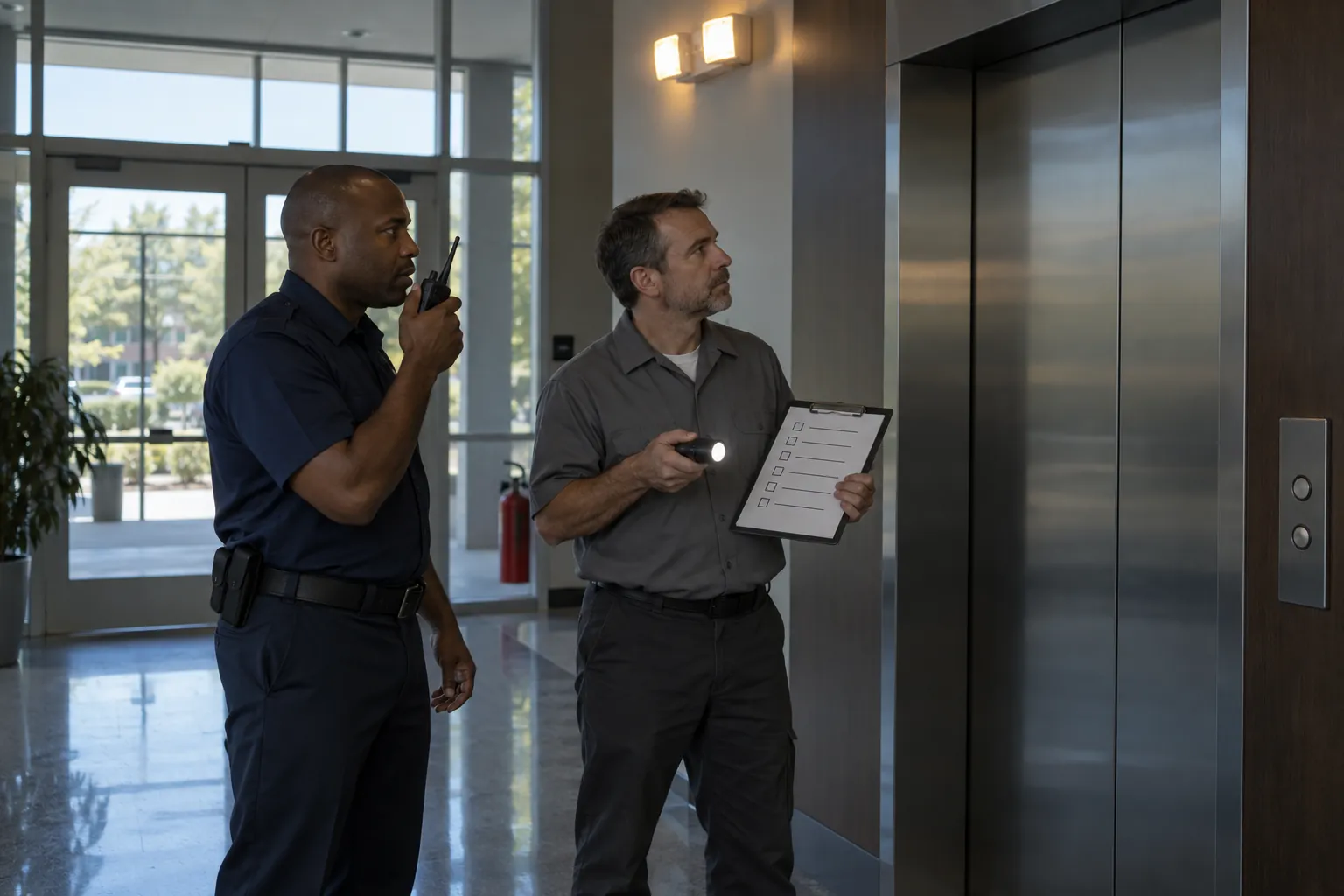
- Systems: the emergency generator and its fuel, the fire alarm and sprinkler systems, sump and sewage ejector pumps, elevators, utility shutoffs, IT and communications equipment.
- Space and contents: equipment, files, stock and chemicals that must be moved up or out of flood reach. FEMA's toolkit asks for critical contents to go "at least one foot above the Base Flood Elevation (BFE) or the Design Flood Elevation (DFE), whichever is higher."
- Records: the insurance policy and agent's contact, a current photo or video inventory of the premises, vital business records stored off site or in the cloud, and the contact list for utilities, restoration contractors and the landlord.
- Recovery: the reentry walk-through, the damage record, drying out, and the order in which systems come back.
The plan says who decides and why; the checklist is what the building engineer, the custodial lead and the security supervisor walk with. Keep a printed copy, because the phone network and the power may both be gone.
03
Before the season: the work to finish by June 1
Most of what protects a building has to be done weeks ahead, when contractors are available and nothing is urgent. FEMA's toolkit, in its Quick Reference Guide and staff checklist, lists six staff actions for recognition: develop business continuity and crisis communications plans, run an employee awareness campaign, develop a training program, hold a training session, conduct a hurricane drill, and review insurance coverage (including flood insurance) and create an inventory. For the building itself, a pre-season checklist usually runs like this:
- Review the plan and the contact list. Confirm who decides to close, the phone tree and the contacts for contractors, utilities, restoration and insurance.
- Check shutters and opening protection. Count the panels, check they are labeled for their openings, that fasteners and tools are stored with them, and that someone has fitted them within the last year.
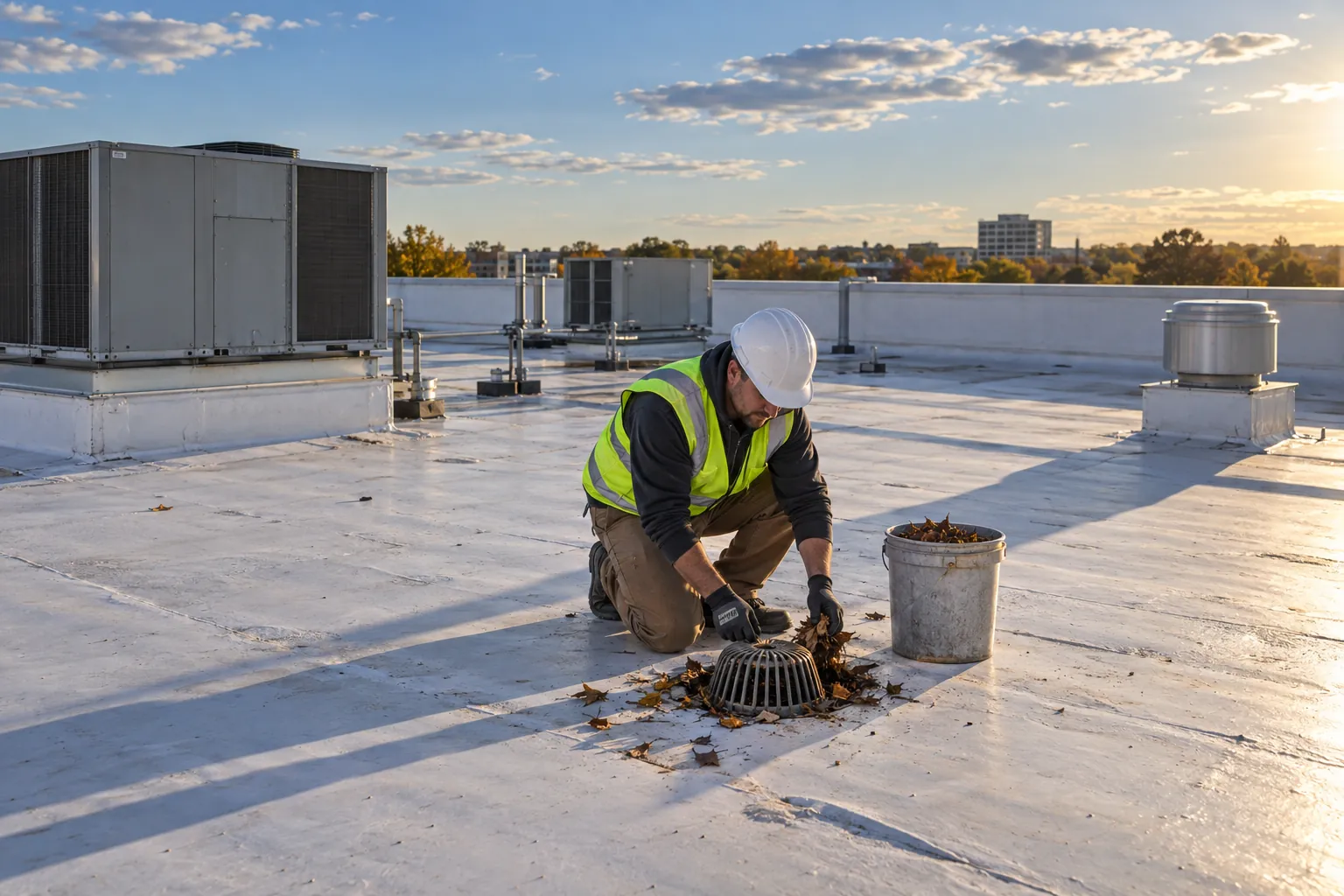
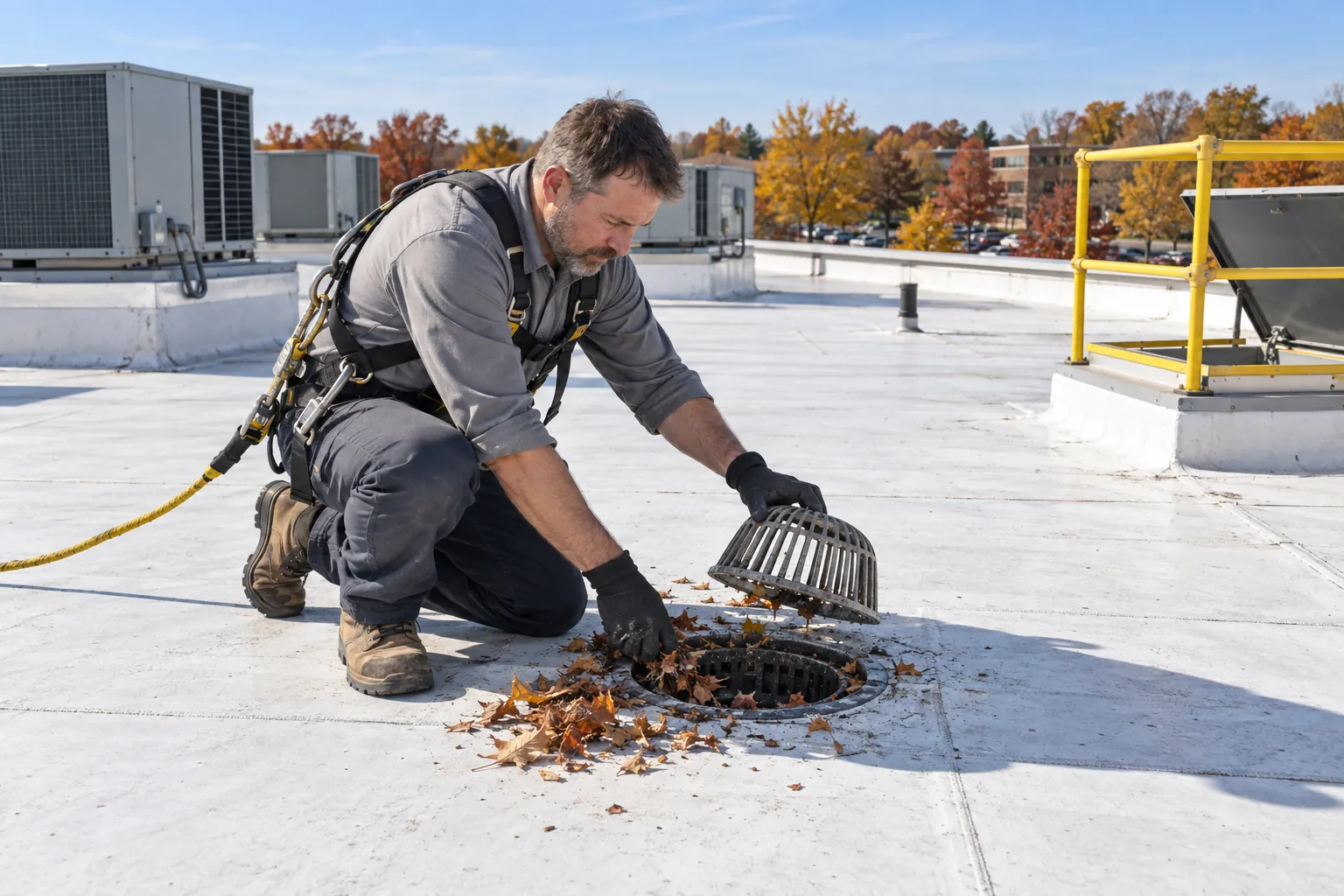
- Inspect the roof and drains. Clear roof drains, scuppers, gutters and downspouts; check flashing and rooftop equipment tie-downs; note anything loose for repair before the season.
- Trim trees and review the grounds. FEMA suggests consulting a professional landscaper on hurricane-resilient landscaping. Note which outdoor items must be brought in or tied down at a watch, and where they go.
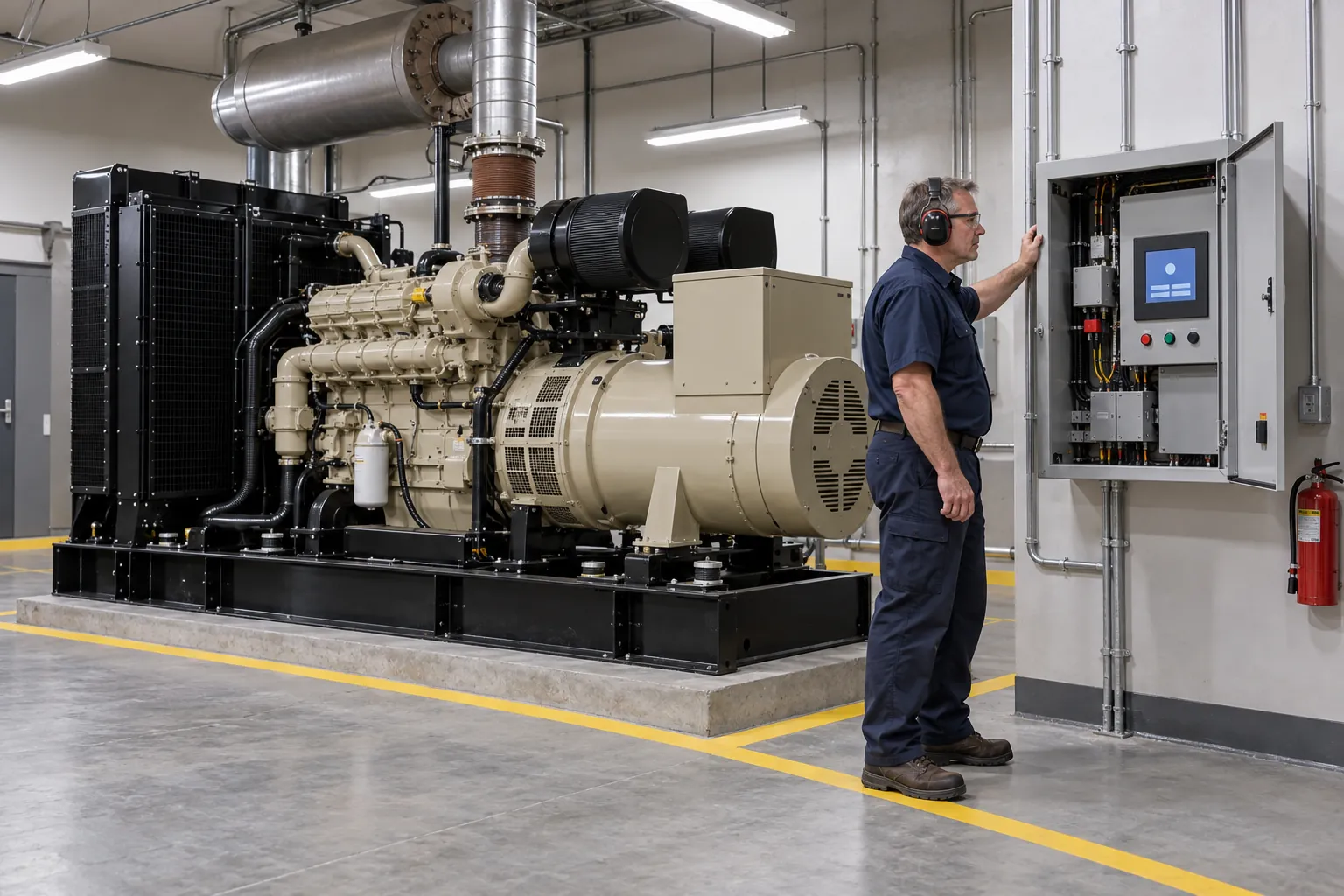
- Test the generator under load and confirm the fuel contract, the tank level and how long a full tank lasts. Check that sump pumps and their backups run.
- Check the emergency supply kit: flashlights, batteries, first aid supplies, water, tarps, plastic sheeting, duct tape, sandbags if used, and a NOAA Weather Radio. The toolkit's suggested action is to buy a NOAA Weather Radio with SAME alerting and to assign a team leader to monitor it during an event.
- Photograph the building. FEMA's toolkit advises keeping "a current photo or video inventory of your premises, equipment, inventory, supplies, etc." Do it room by room, dated, and store it off site.
- Meet the insurance agent. The toolkit recommends an annual review of property coverage limits, deductibles and coinsurance requirements, and points out that flood is a separate policy.
- Brief the teams and run a drill. Custodial, security and engineering staff should walk the watch and warning checklists once, in daylight, so they know where the shutters, keys and shutoffs are.
Record each item as it is done, with the date and the name. When a storm forms in August, a list signed in one sitting in May does not show whether the drains were cleared.
04
At the watch and the warning: the building shutdown checklist
The watch is the signal to start the shutdown; the warning is the signal to finish it. Tropical storm-force winds arrive before the eye, and work at height, on ladders or on the roof stops well before they do. OSHA's preparedness page says employers should make sure "all workers know what to do in case of an emergency" and familiarize them with the warning terms used for hurricanes.
When the watch is issued (about 48 hours out):
- Confirm the decision-maker and tell staff, tenants and contractors what happens next and when.
- Top up generator fuel and confirm the delivery schedule; check vehicle fuel.
- Bring in or tie down outdoor furniture, planters, signs, trash cans and anything loose on the roof; empty and secure dumpsters.
- Clear roof drains, storm drains and catch basins again.
- Start fitting shutters or opening protection while there is time and daylight.
- Back up data and move vital records off site; charge phones, radios and flashlights.
- Move equipment, files, stock and chemicals off the floor and away from windows in areas that flood.
When the warning is issued (about 36 hours out):
- Finish shutters and close and secure all openings, including rolling doors.
- Unplug and cover electronics; move what can be moved to interior rooms on upper floors.
- Shut down or set utilities as the plan says; some systems, such as sprinklers, sump pumps and the fire alarm, must stay in service.
- Take dated photographs of every area and the exterior as you leave it.
- Walk the building one last time, floor by floor, recording who checked what.
- Account for everyone, lock up, and withdraw the security post if the plan says so. Follow the local evacuation order; never plan to shelter in a building inside a surge or flood evacuation zone.
- Tell the insurance agent, landlord and key clients the building is closed.
The last walk-through catches the door that will not latch or the window with no shutter. Each needs an owner and an answer before anyone leaves.
05
After the storm: reentry, the damage record and drying out
Nobody goes back in until the authorities allow reentry and, where there is visible damage, until the building has been checked and found safe to enter. FEMA's scenario assumes the building department may "yellow tag" a damaged building until a fuller assessment is done. OSHA's Hurricane eMatrix warns that "work conditions change drastically after hurricanes," with "downed power lines, downed trees, and high volumes of construction debris" turning familiar tasks into dangerous ones.
- Look from outside first. Downed lines, gas smell, structural damage, standing water. If in doubt, stay out and call the utility or the building official.
- Keep generators outside. The CDC's Carbon Monoxide Poisoning Basics says to "only use generators outside, more than 20 feet away from any windows, doors, and vents," and never inside, "even if doors and windows are open."
- Stay out of water near electricity. The CDC's Guidelines for Cleaning Safely After a Disaster says never to turn power on or off or use an electric tool "while standing in water," and warns that floodwater "can contain dangerous bacteria from overflowing sewage."
- Record the damage before anything moves. Dated photographs, room by room, compared with the pre-storm inventory. Insurers and restoration contractors will ask for them.
- Dry out fast. The same CDC page says to clean up and dry "within 24 to 48 hours if possible." Wet ceiling tile, carpet and drywall usually come out. For larger mold problems, the EPA's Mold Remediation in Schools and Commercial Buildings guide is written for building managers and custodians and helps them judge what can be handled in-house and what needs a contractor.
- Bring systems back in order: fire alarm and sprinklers first, then power, elevators, HVAC and water, each checked by the people competent to do it. If a fire protection system is impaired, the building's fire watch procedure applies until it is restored.
- Restock and review. Replace what the kit lost, repair shutters, and note what went wrong for next season.
Custodial crews are often first back in. Wet vacuuming, debris removal and cleaning after floodwater carry the hazards OSHA and the CDC describe, so brief and equip them as you would the engineers.
06
Where the record fails, and what SiteClara does about it
The plan is usually fine. What fails is the evidence behind it: the pre-season checklist initialed in one sitting, a shutter count nobody made, and a last walk-through with nothing to show which floors were checked. After the storm, the insurer and the owner ask what state the building was left in, and the answer is somebody's memory.
SiteClara records the checks at the location. A printed QR poster, with an optional NFC tag behind it, sits at each place a check is scheduled, such as the roof hatch, the generator room, the shutter store, a stairwell or each floor's electrical closet. Staff scan the code or tap the tag on their own phone, with no app to install, see the checks due there, and mark each one done or say what stopped them. The time and the named person are recorded as it happens, with a photo when one is asked for, for example of a cleared roof drain or a fitted shutter. A problem found on the walk-through, such as a door that will not latch, is reported there with a photo and goes onto the team's list of jobs until someone closes it.
The supervisor sees what is due, done and missed, and can record the reason a check was missed. A job that needs the building manager can be escalated to them to answer. Each day the supervisor reviews and approves a report that goes to nominated management or client contacts at 8 a.m. the next morning, showing what was reported, completed and still open, and how the scheduled checks went, for example 14 of 14 completed.
07
Questions people ask
What should a business include on its hurricane checklist?
Start with the evacuation plan. OSHA's Hurricane Preparedness page says a thorough evacuation plan should include the "conditions that will activate the plan," the "chain of command," the "emergency functions and who will perform them," "specific evacuation procedures, including routes and exits," "procedures for accounting for personnel, customers and visitors" and "equipment for personnel," and tells employers to get emergency supply kits and keep them in shelter locations. The building items, from shutters and roof drains to the generator and the photo inventory, are set out in the sections above.
What items does FEMA recommend in a basic disaster supplies kit?
FEMA's Build A Kit page lists water, "one gallon per person per day for several days, for drinking and sanitation"; food, "at least a several-day supply of non-perishable food"; a battery-powered or hand crank radio and a NOAA Weather Radio with tone alert; a flashlight; a first aid kit; extra batteries; a whistle; a dust mask; plastic sheeting, scissors and duct tape; moist towelettes, garbage bags and plastic ties; a wrench or pliers "to turn off utilities"; a manual can opener; local maps; and a cell phone with chargers and a backup battery. A workplace kit is sized for the people who may be in the building when the storm arrives.
What should you stock up on before a hurricane?
FEMA's Hurricanes page says to "have enough supplies for your household" and to include "medication, disinfectant supplies and pet supplies" in a go bag or car trunk. For a business building, the stock is the supply kit above plus what the building needs to ride out an outage: generator fuel, charged phones and radios, and tarps, plastic sheeting and duct tape for temporary repairs.
08
Where to read more, and a checklist to take away
Start with FEMA's Ready Business Hurricane Toolkit, which includes the Back-to-Business Self-Assessment and printable checklists, and the Ready Business pages, including Emergency Plans for continuity and crisis communications. NOAA's Saffir-Simpson Hurricane Wind Scale explains the categories and notes that the scale "does not take into account other potentially deadly hazards such as storm surge, rainfall flooding, and tornadoes" – so a Category 1 storm can still flood a building. NOAA Weather Radio All Hazards explains how to receive official watches and warnings without a phone signal. OSHA's Hurricane Preparedness and Response pages cover employer duties before and after the storm, and your county or city emergency management office sets evacuation zones and reentry.
Before the season, and again when a watch is posted, check that:
- the plan names who decides to close and how staff, tenants and contractors are told;
- janitorial, security and engineering contractors know their last tasks and when they stand down;
- roof drains, gutters and storm drains have been cleared and seen;
- shutters are counted, labeled, with their fasteners, and someone knows how to fit them;
- the generator has been tested under load and the fuel is arranged;
- the emergency kit and weather radio are stocked and working;
- a dated photo inventory of the building is stored off site;
- insurance, including flood, has been reviewed with the agent this year;
- the final walk-through is recorded floor by floor, with names and times;
- reentry, drying out and system restart each have an owner and an order.
Sources
Every document this guide quotes or links to, in the order it first cites them.
- Ready Business Hurricane Toolkit ready.gov
- Tropical Cyclone Climatology nhc.noaa.gov
- Hurricane and Tropical Storm Watches, Warnings, Advisories and Outlooks weather.gov
- Hurricane Preparedness osha.gov
- 29 CFR 1910.38, Emergency action plans osha.gov
- Hurricane eMatrix osha.gov
- Carbon Monoxide Poisoning Basics cdc.gov
- Guidelines for Cleaning Safely After a Disaster cdc.gov
- Mold Remediation in Schools and Commercial Buildings epa.gov
- Build A Kit ready.gov
- Hurricanes ready.gov
- Ready Business ready.gov
- Emergency Plans ready.gov
- Saffir-Simpson Hurricane Wind Scale nhc.noaa.gov
- NOAA Weather Radio All Hazards weather.gov
- Hurricane Preparedness and Response osha.gov
Related guides
 Fire and water checksEmergency action plan: what OSHA requires, and how to keep the plan workingWhat an emergency action plan must contain under OSHA 1910.38, who needs one, how alarms, wardens, drills and reviews fit in, and what the record should show.
 Premises and facilities managementPower outage procedures: what building staff do when the power goes outA power outage checklist for facility teams: what goes dark, the first hour, generators and food safety, restoring power safely, and what the record should show.
 Premises and facilities managementGenerator testing: what NFPA 110 asks, and what to write downEmergency generator testing under NFPA 110: the weekly inspection, the monthly exercise under load, batteries, fuel, the 36-month test, and what the record shows.
 Premises and facilities managementCommercial roof inspection checklist: what to check, how often, and how to do it safelyA commercial roof inspection checklist: what to check, how often, who goes up, what OSHA 1910.28 requires on a low-slope roof, and a record that holds up.