Guides
Guides for cleaning, security and premises teams
Practical help with the checks, records and reports that keep a building running, written for the people who do the work and the people who answer for it.
Cleaning 22 guides
 CleaningBICS cleaning: what BICSc training is, and what it showsWhat the British Institute of Cleaning Science is, how its Licence to Practice and skills units work, and what employers and clients use BICSc training for.
 CleaningCleaning contract mobilisation: from contract award to a settled serviceHow to mobilise a new cleaning contract: the mobilisation plan, TUPE, site assessment, COSHH and induction, day one, and the first weeks of audits.
 CleaningCleaning KPIs: what to measure, and how to know the figures are trueThe cleaning KPIs worth measuring, how to define and target them, how to report them, and how a KPI can look green while the building is not clean.
 CleaningCleaning management software: what it covers, and how to chooseWhat cleaning management software covers, from scheduling and rostering to audits, task proof and client reporting, and how to choose the right mix.
 CleaningCleaning quality control: how to inspect, correct and prove the standardHow quality control works in commercial cleaning: QA versus QC, setting standards, running inspections, corrective action and a record that holds up.
 CleaningCleaning service level agreement: what to include, and how to show it is metWhat a cleaning SLA should contain, how to set service levels and response times, service credits and escalation, and how to show the service was delivered.
 CleaningCleaning sign-off sheet: who signs it, and what a signature meansWhat a cleaning sign-off sheet should record in kitchens, food areas, rooms and end-of-clean handovers, who should sign it, and what each signature proves.
 CleaningCleaning specification: what it should say, and how to show it is metWhat a cleaning specification should contain, input and output standards, setting frequencies by area, and how to show the specification is being delivered.
 CleaningCleaning standards in the UK: a map, and how to chooseA map of UK cleaning standards: NHS cleanliness standards, the NHSScotland specification, BS EN 13549, BICSc, CQC and food hygiene law, and how to choose.
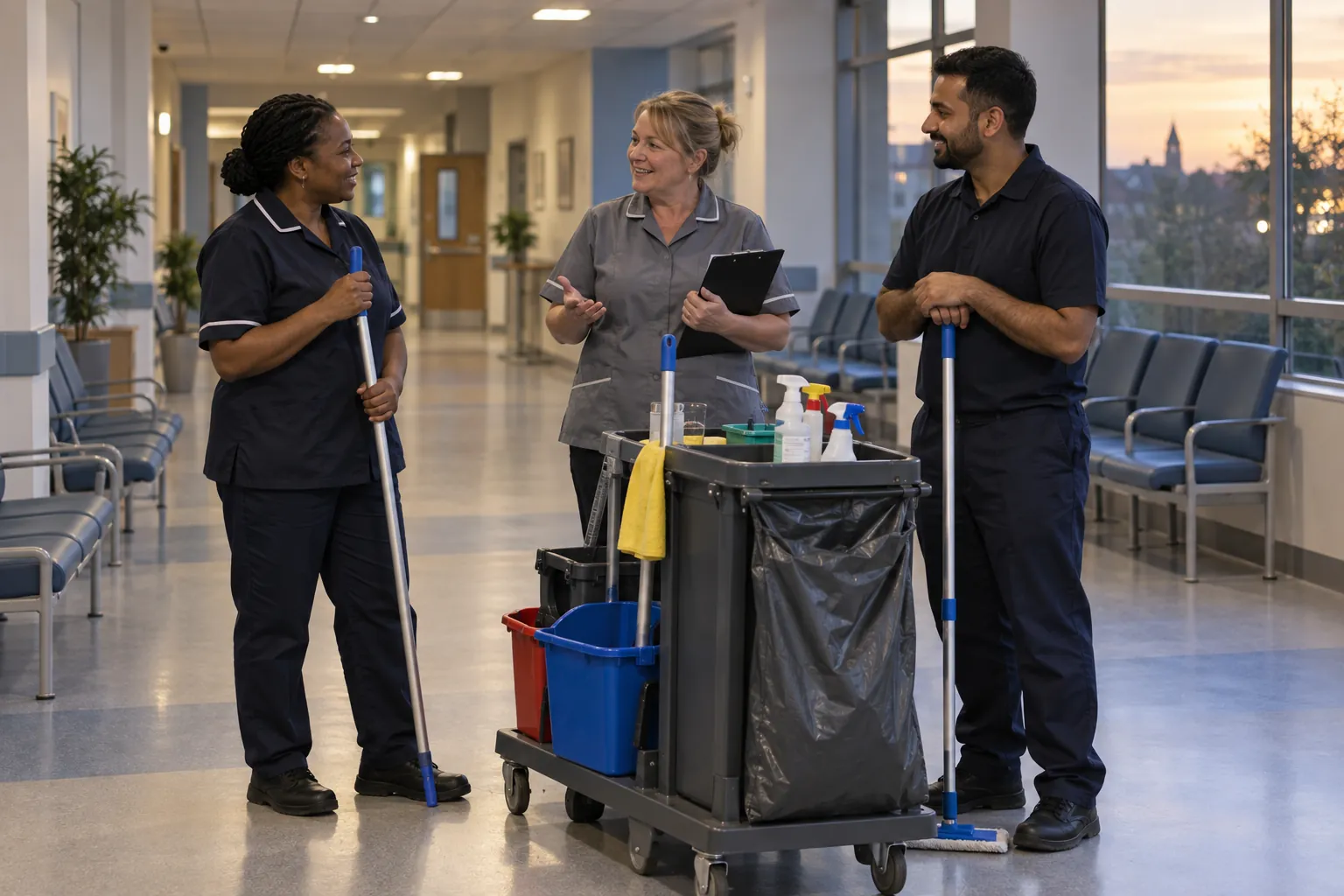 CleaningCleaning supervisor duties: what the role involves, and what good looks likeWhat a cleaning supervisor does: the main duties, a typical shift, health and safety, managing the team, checking the work and reporting to the client.
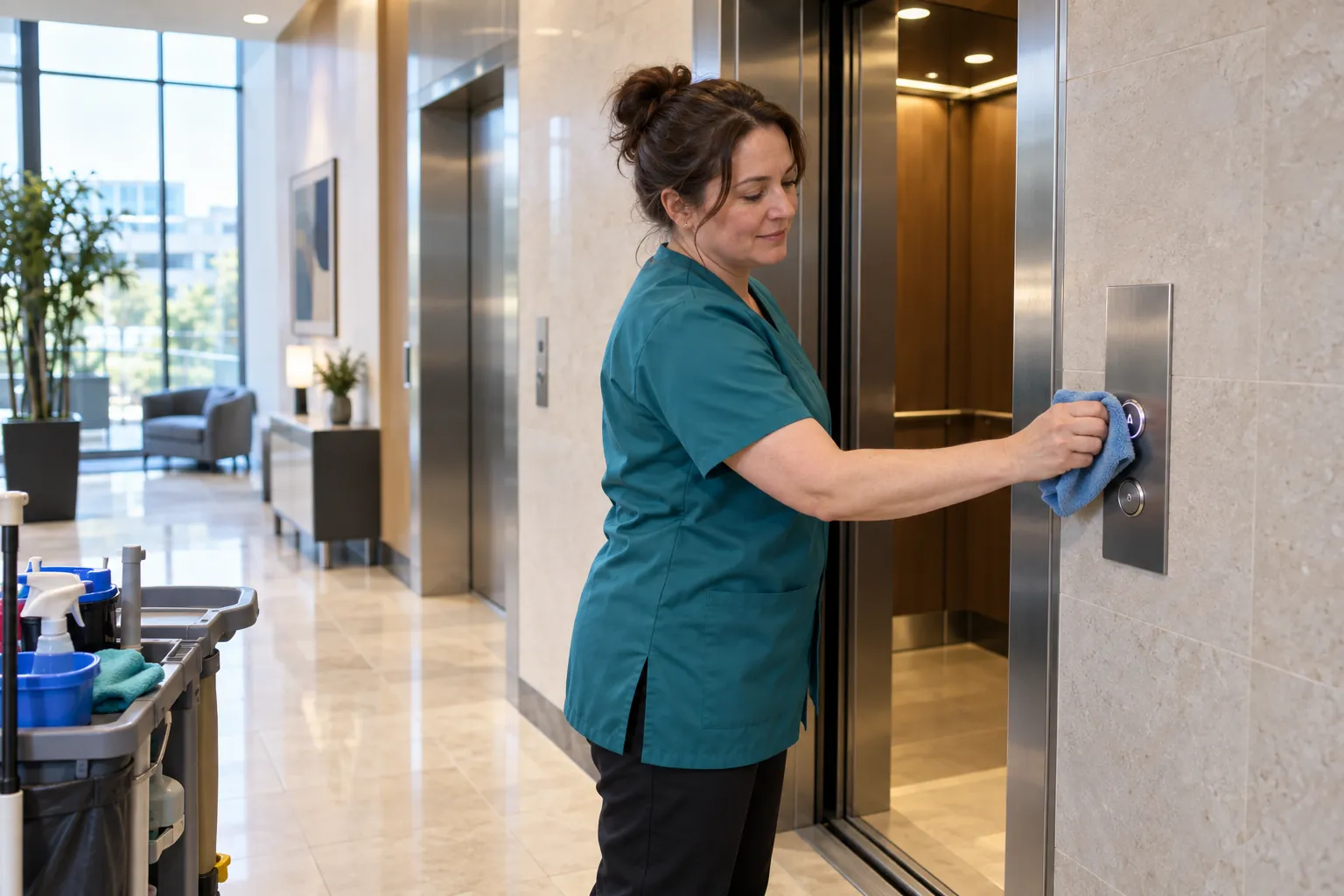 CleaningCommercial cleaning checklist: area by area, and how to use itA commercial cleaning checklist for offices and shared premises, area by area, with how to use it on shift, what to record and how a supervisor checks it.
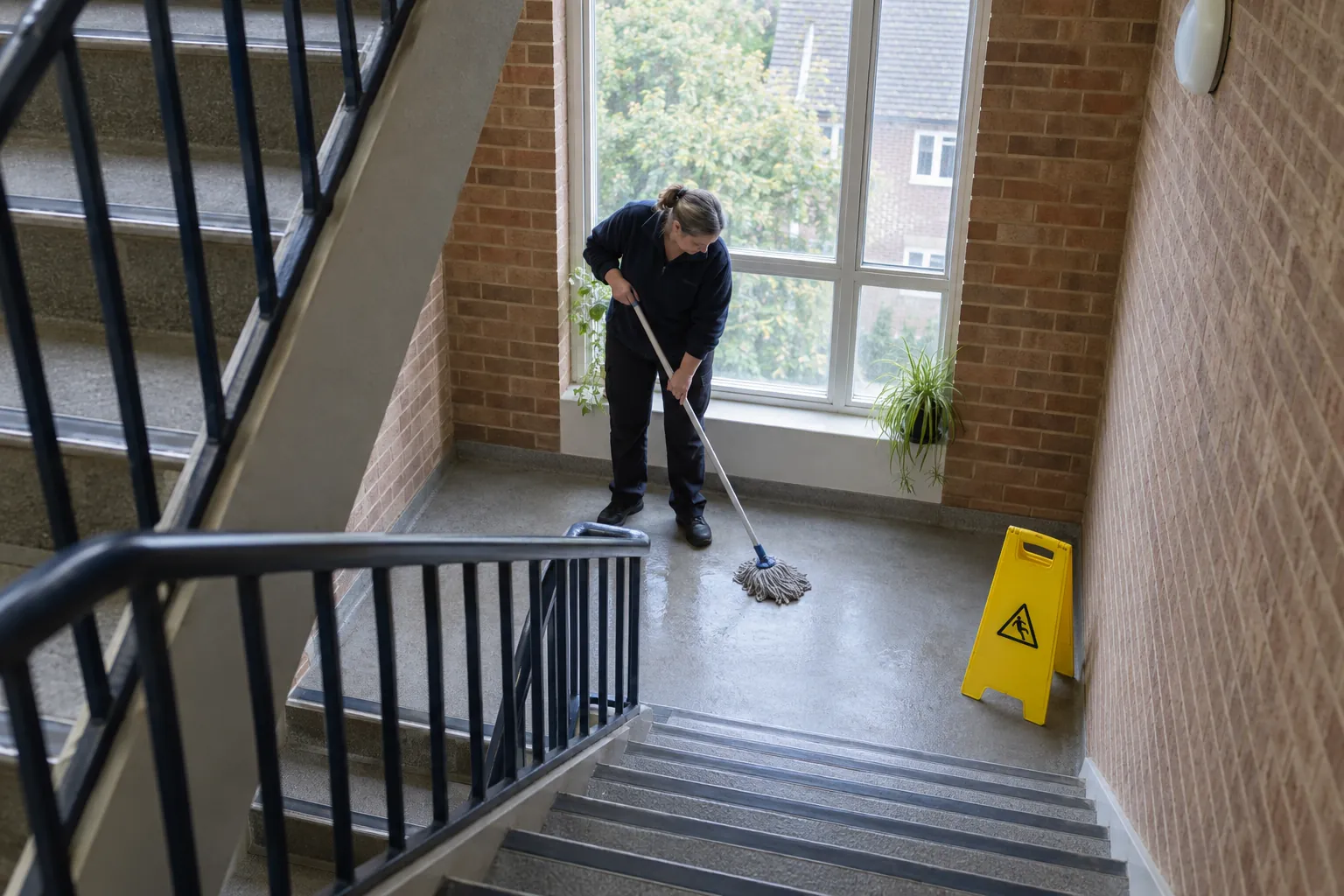 CleaningCommunal area cleaning: what it covers, how often, and how to show it was doneWhat communal area cleaning should cover in blocks of flats and shared buildings, how often, who pays through the service charge, and how to show it was done.
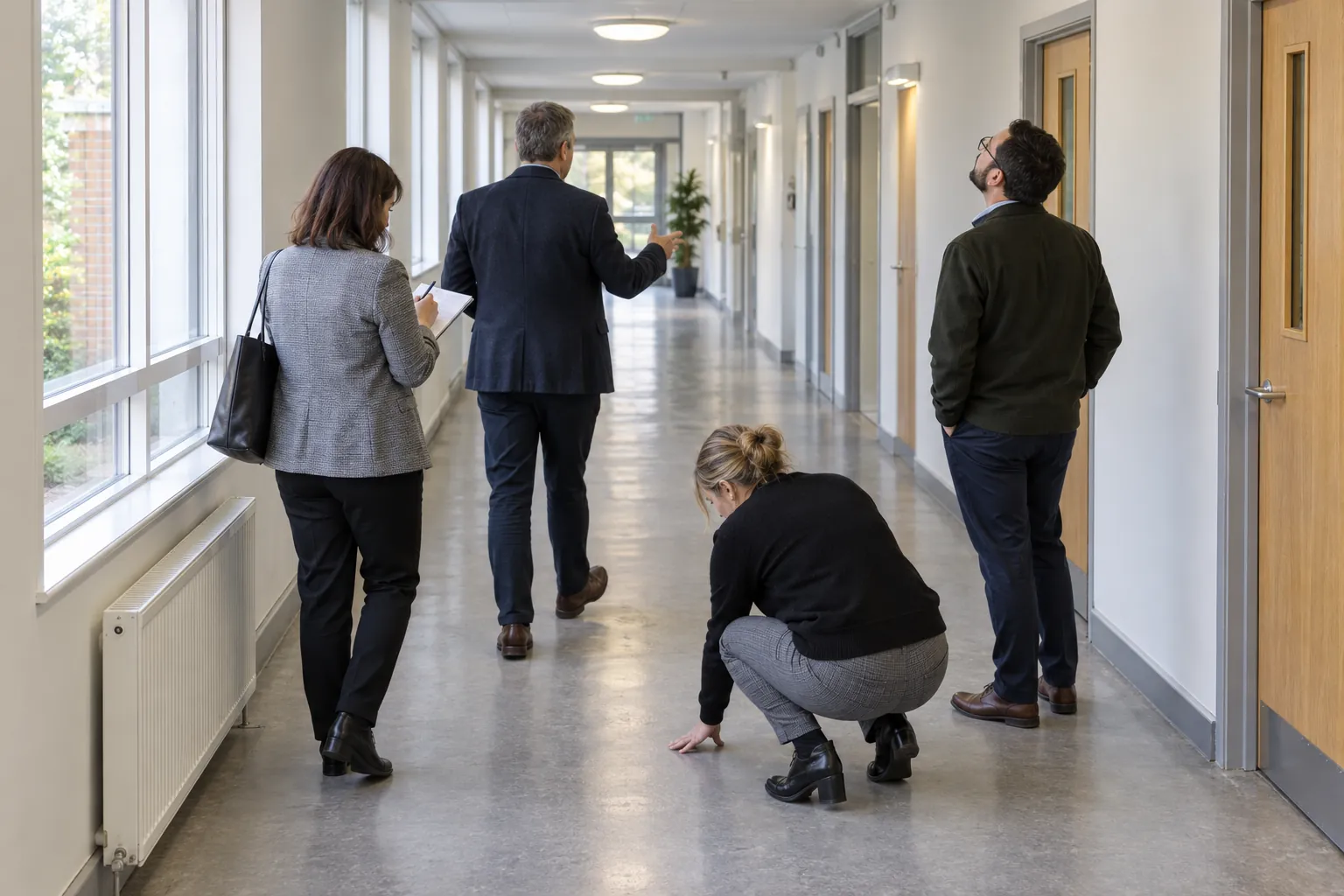 CleaningContract cleaning tender: how to run one as the buyerRunning a contract cleaning tender as the buyer: the tender pack, site visits, TUPE, evaluating quality and price, the Procurement Act 2023 and mobilisation.
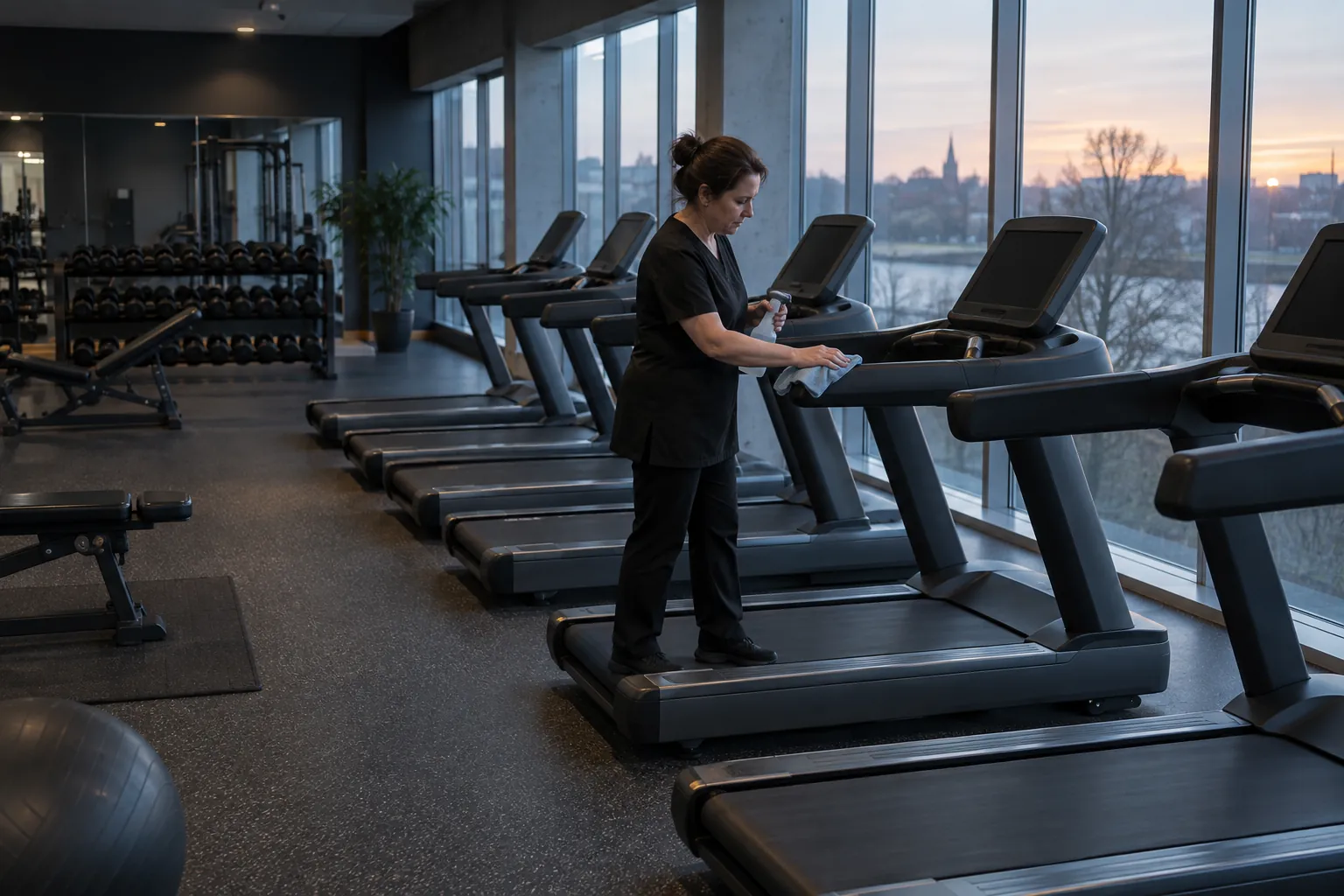 CleaningGym cleaning checklist: equipment, changing rooms and wet areasA gym cleaning checklist for gyms and leisure centres: equipment, studios, touch points, changing rooms and poolside areas, with frequencies and who does what.
 CleaningHow to win cleaning contracts, and keep themHow UK cleaning contracts are bought, what buyers look for, how to write a tender response that scores, how to price it, and how to keep the contract.
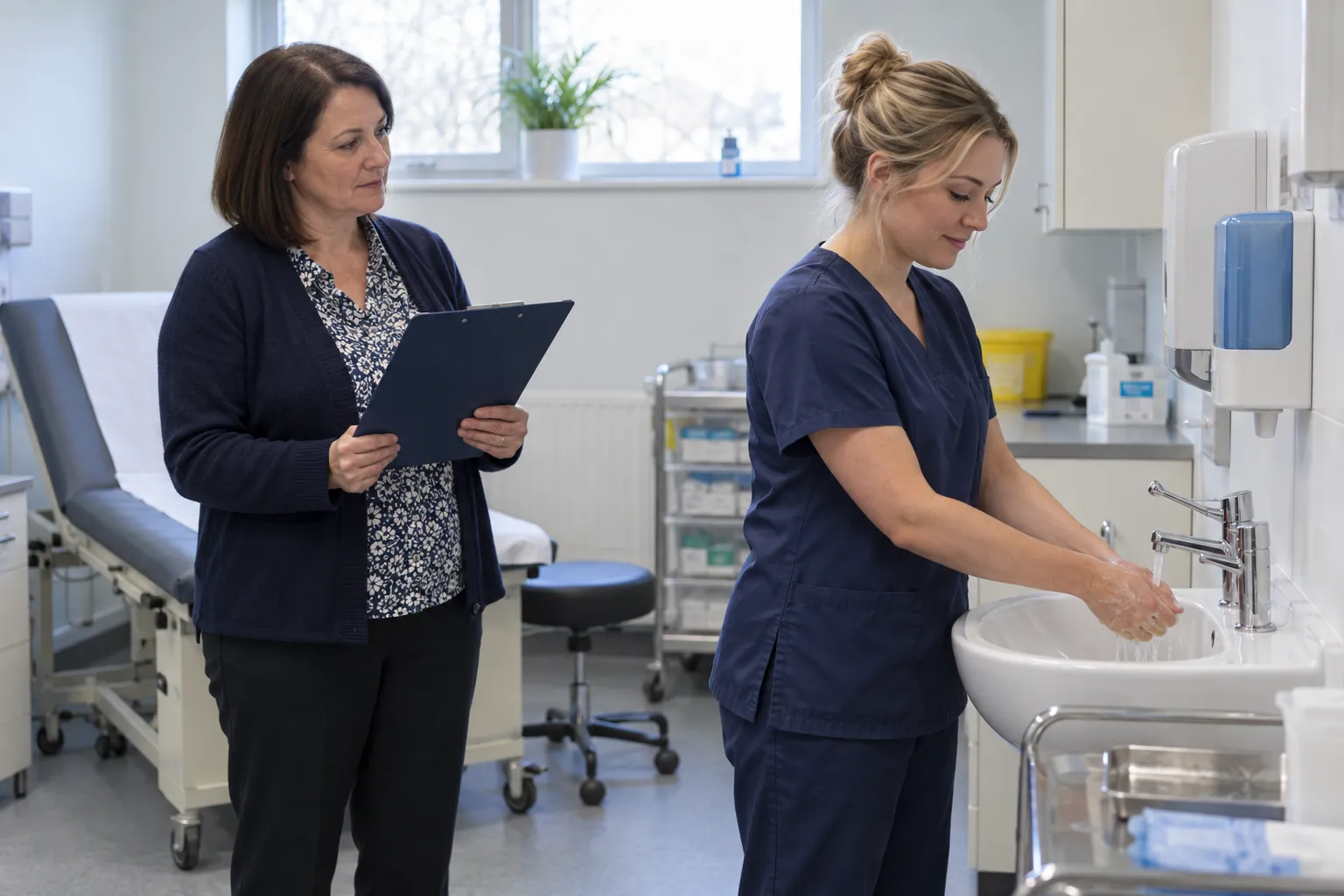 CleaningHygiene audit: what is checked, who does it, and what happens nextHow hygiene and infection prevention audits work in care, healthcare, schools and food areas: what is audited, by whom, how it is scored and what follows.
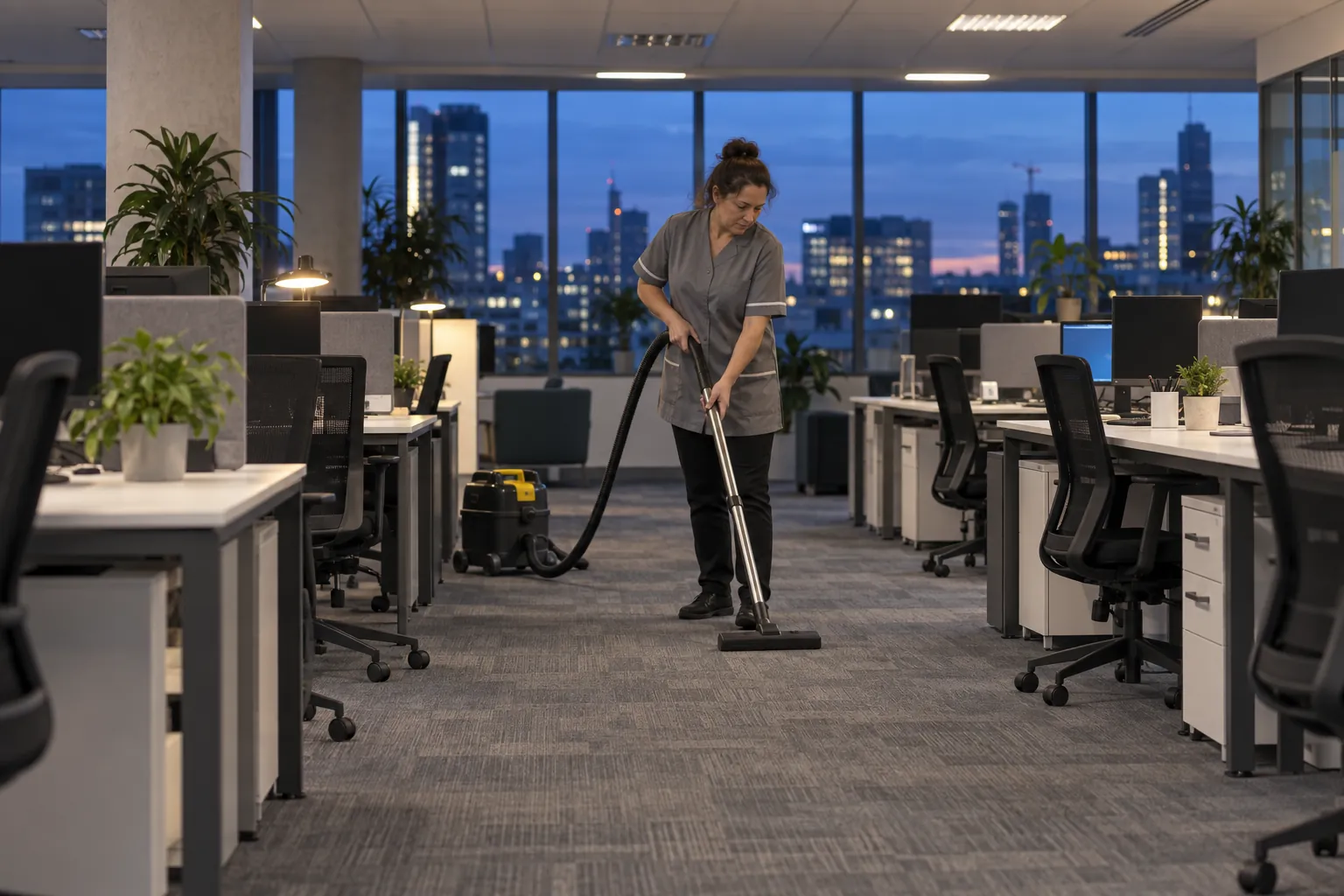 CleaningOffice cleaning schedule: what to clean, how often, and how to show it was doneWhat an office cleaning schedule should cover, which tasks are daily, weekly, monthly or periodic, who does what, and how to show the schedule is being kept.
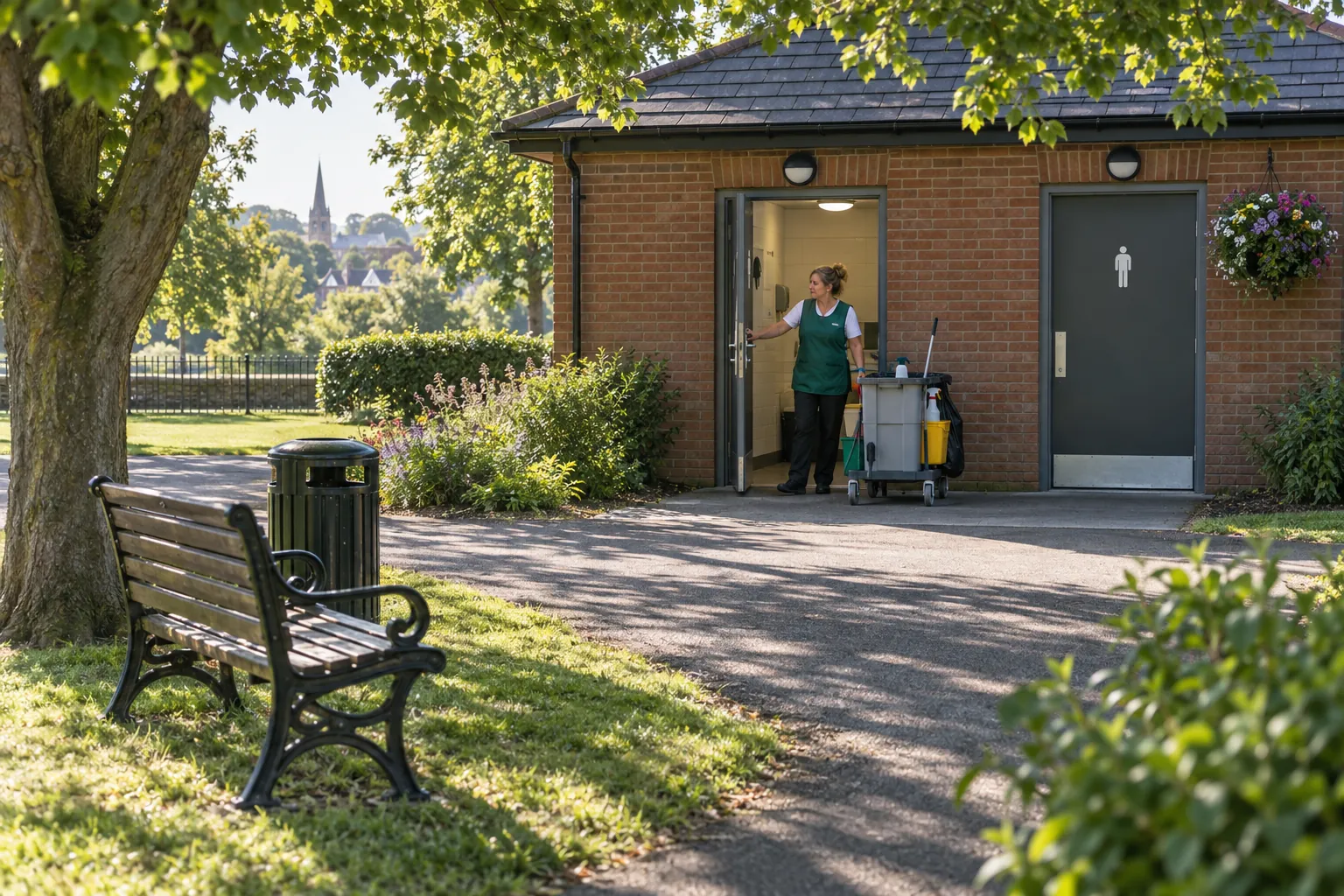 CleaningPublic toilet cleaning: frequencies, safety and accessibilityRunning public toilets for councils, parks, stations and venues: cleaning frequencies at peak, needles and vandalism, accessible and Changing Places toilets.
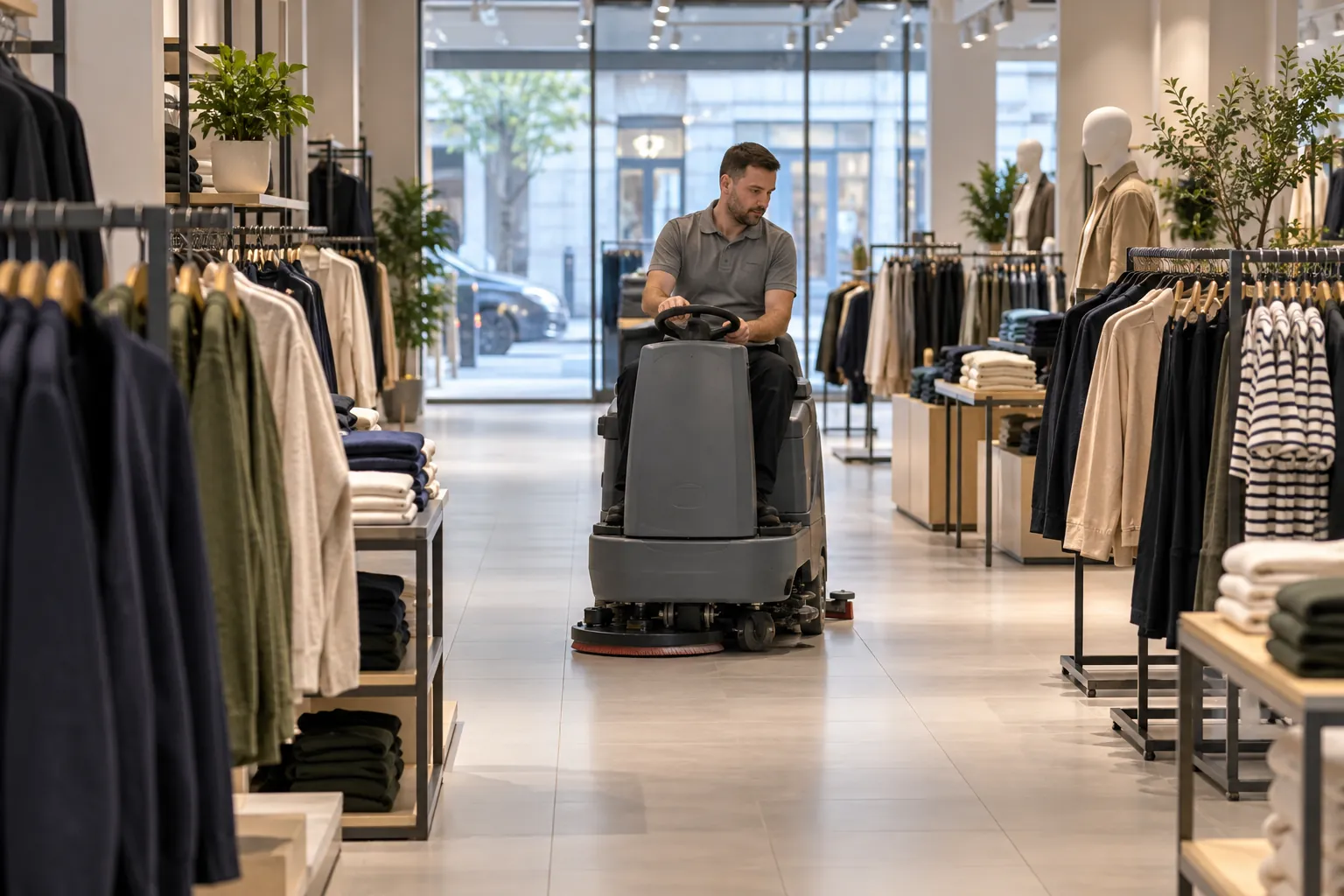 CleaningRetail cleaning checklist: shop floors, fitting rooms and spillsA retail cleaning checklist for shops: entrances, sales floors, fitting rooms, customer toilets and stockrooms, with slips, spill response and who checks it.
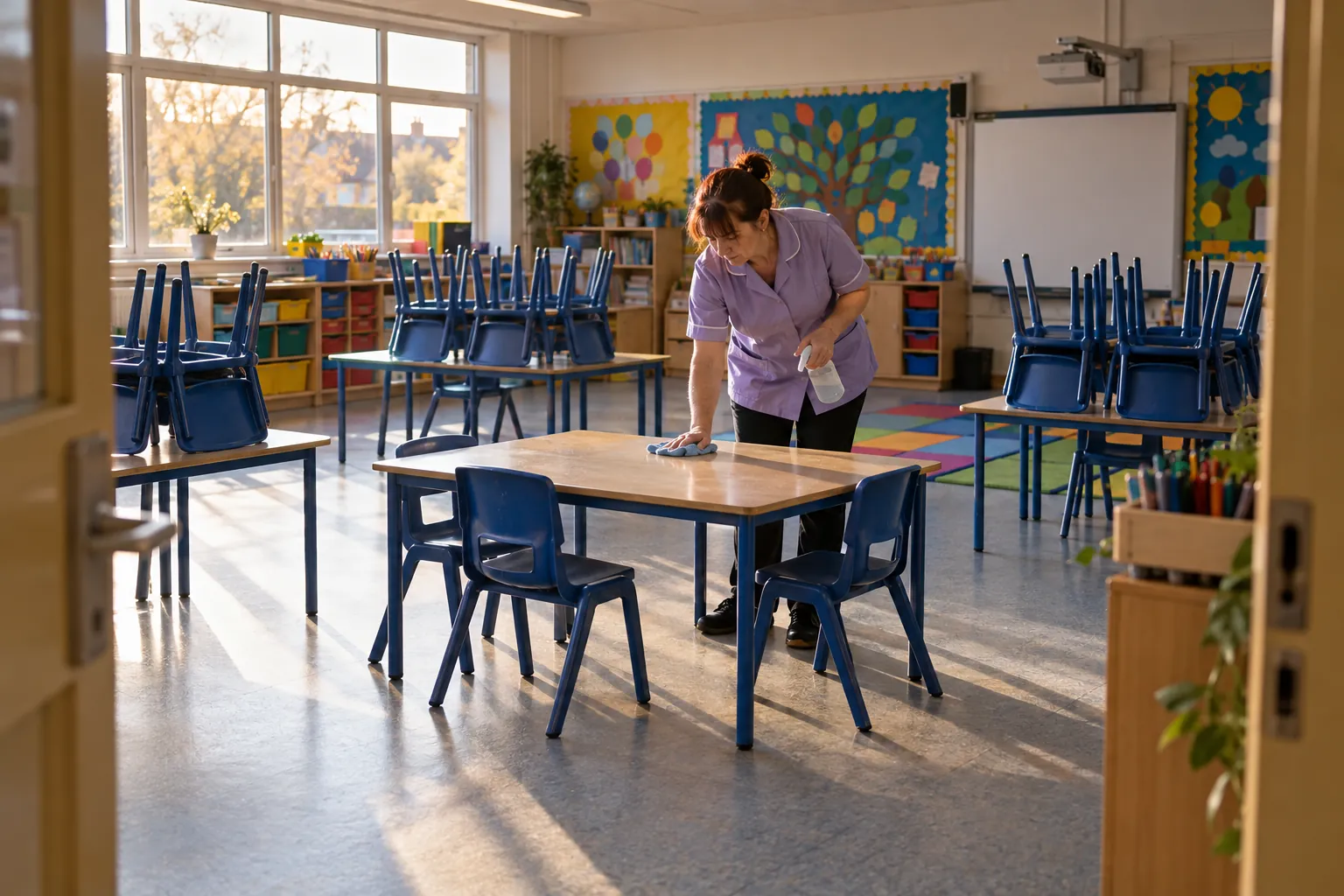 CleaningSchool cleaning checklist: what to clean, how often, and how to show it was doneA school cleaning checklist for classrooms, toilets, corridors, dining hall and changing rooms, with daily, weekly and holiday tasks and how to record them.
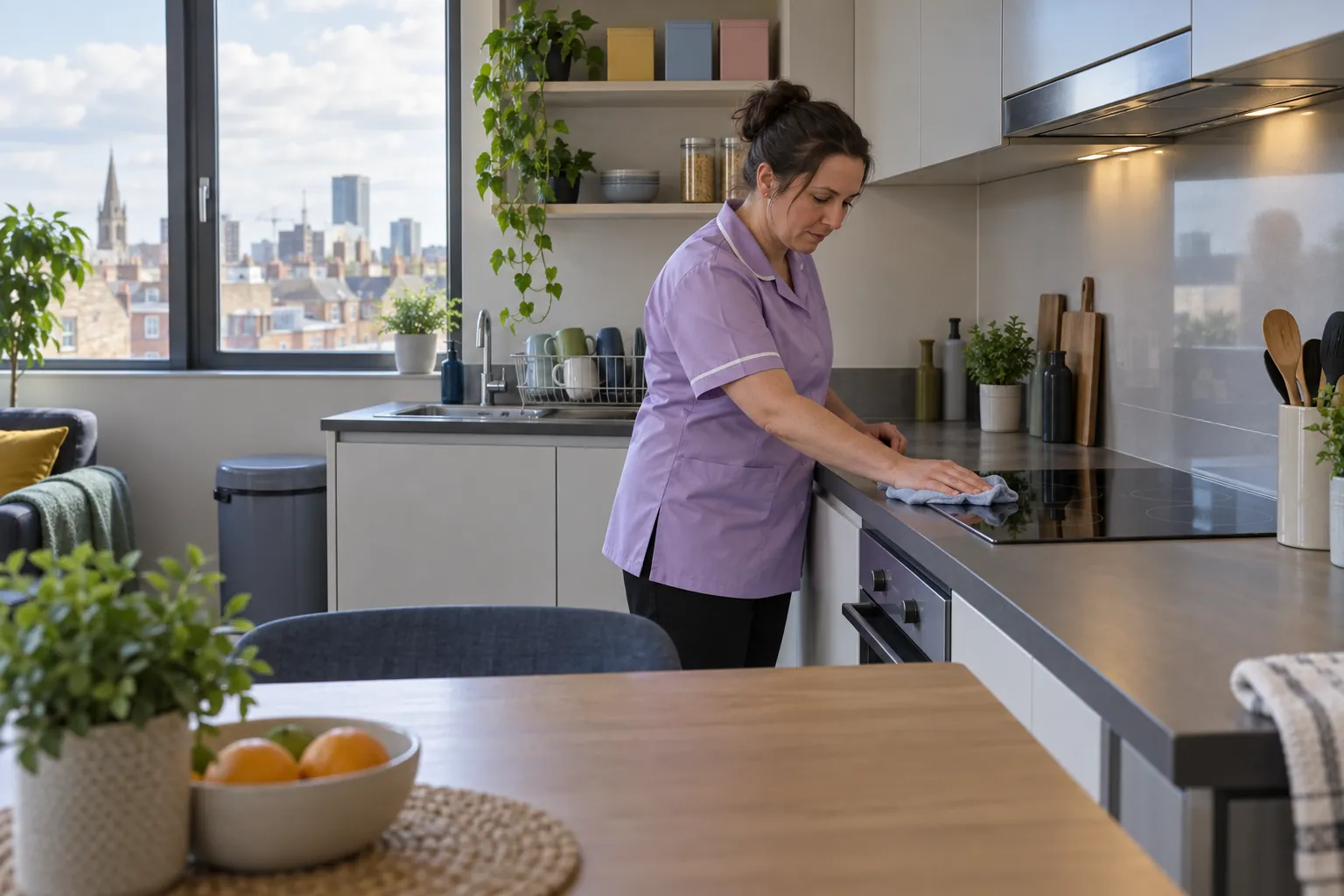 CleaningStudent accommodation cleaning: halls, flats and the summer turnaroundCleaning halls of residence and purpose-built student accommodation: shared kitchens, bathrooms, corridors, room inspections and the end-of-term turnaround.
 CleaningToilet check sheet: what to record and how to make it credibleWhat a washroom check sheet should record, how often to check, the legal duty behind it, and how to keep a record a client or inspector will believe.
Security patrols 9 guides
 Security patrolsSecurity assignment instructions: what they should say, and how to keep them workingSecurity assignment instructions (AIs): what they should include, who agrees and signs them, how often to review them, and how to check they are followed.
 Security patrolsDaily occurrence book: what to record, and how to keep one that stands upDaily occurrence book (DOB): what to record, how to write entries that stand up, how it differs from an incident report, and paper or digital.
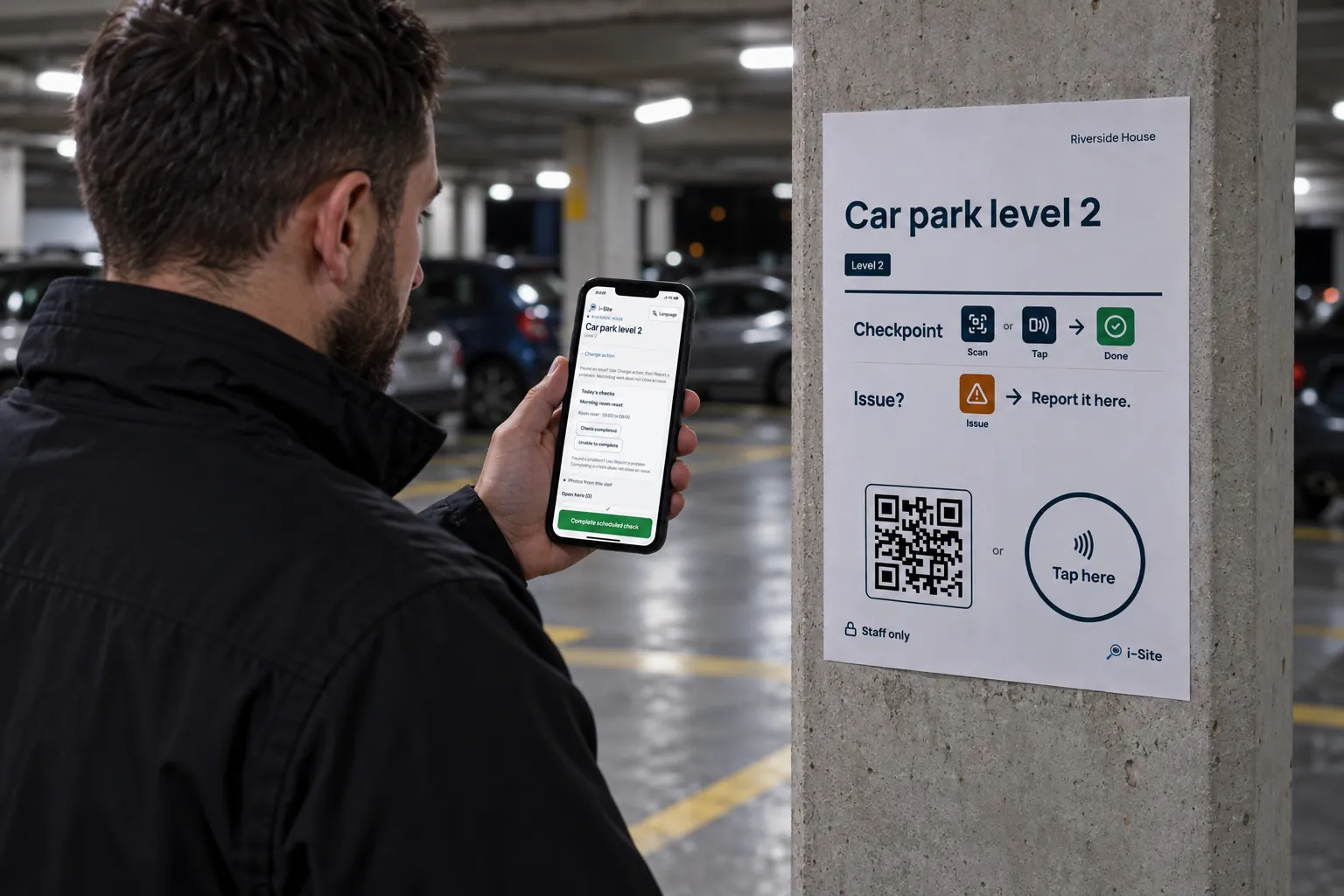 Security patrolsGuard tour systems: how they work, what they prove, and how to choose oneHow guard tour systems record security patrols – wands, RFID, NFC, QR codes, GPS apps – what the data shows and does not, and what to ask before choosing one.
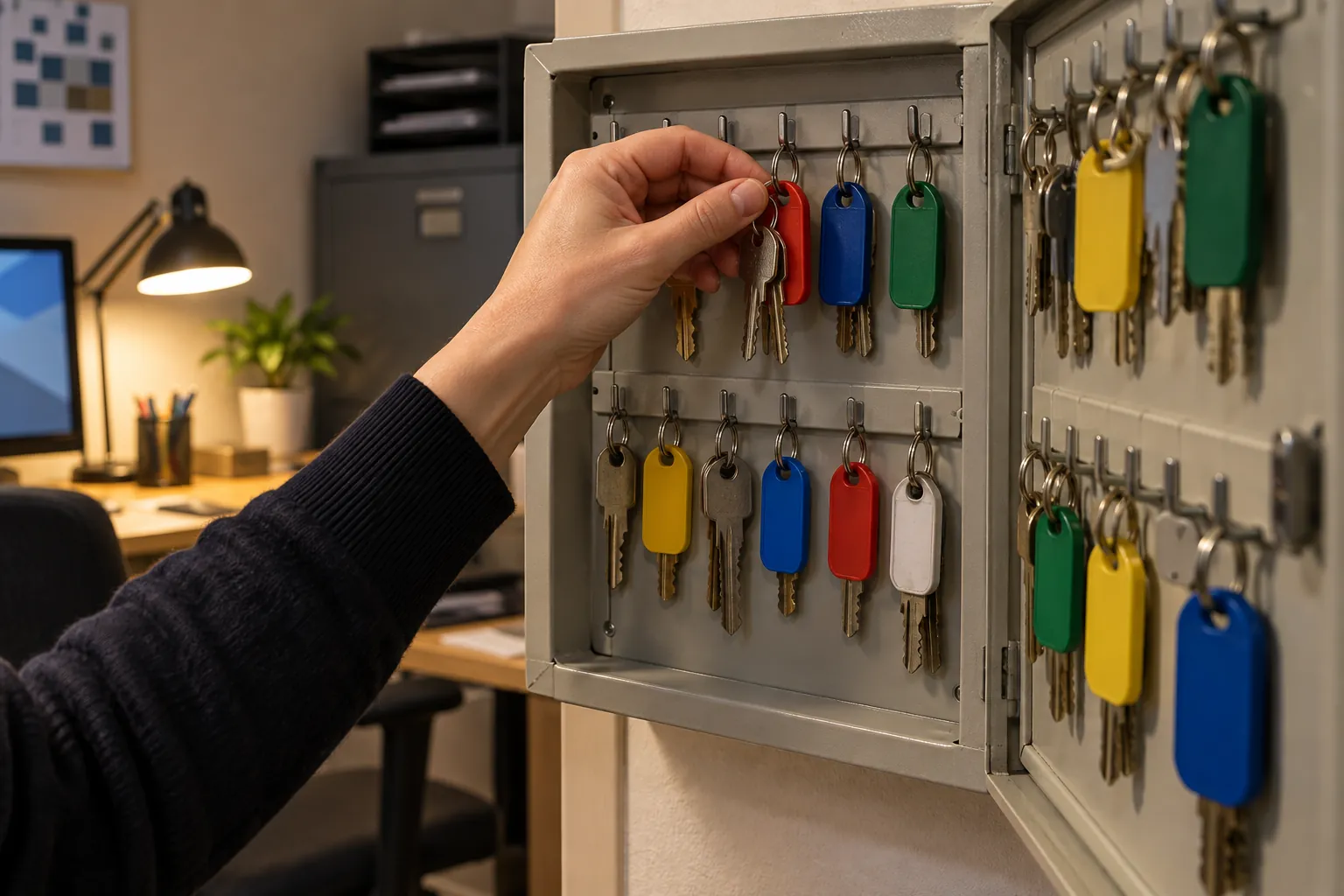 Security patrolsKey holding: nominated keyholders, alarm response and keeping control of keysKey holding explained: nominated keyholders for alarms, contract keyholding and alarm response, SIA licensing, and keeping control of keys with an audit trail.
 Security patrolsMobile security patrols: what you are buying, and how to know you got itWhat a mobile security patrol service includes, when it suits a site, what to agree in the contract, SIA licensing, and how to know each visit happened.
 Security patrolsSecurity officer duties and responsibilities: what the role involves, and how it is checkedSecurity officer duties in the UK: licensing, patrols, access control, incidents and reporting, what officers cannot do, and how duties are set and checked.
 Security patrolsSecurity officer report: what to write, and how to make it stand upThe reports a UK security officer writes on shift – incident, patrol, handover – what each should record, and how to write one that stands up later.
 Security patrolsSecurity patrols: how to plan them, run them and show they happenedHow to plan and run security patrols on a site: routes and checkpoints, how often and when, what officers look for, how to record each patrol and hand over.
 Security patrolsSite security checklist: what to check, how often, and how to show it was doneSite security checklist for UK construction sites and business premises: perimeter, access, lighting, CCTV, alarms, keys, and how to record the checks.
Fire and water checks 11 guides
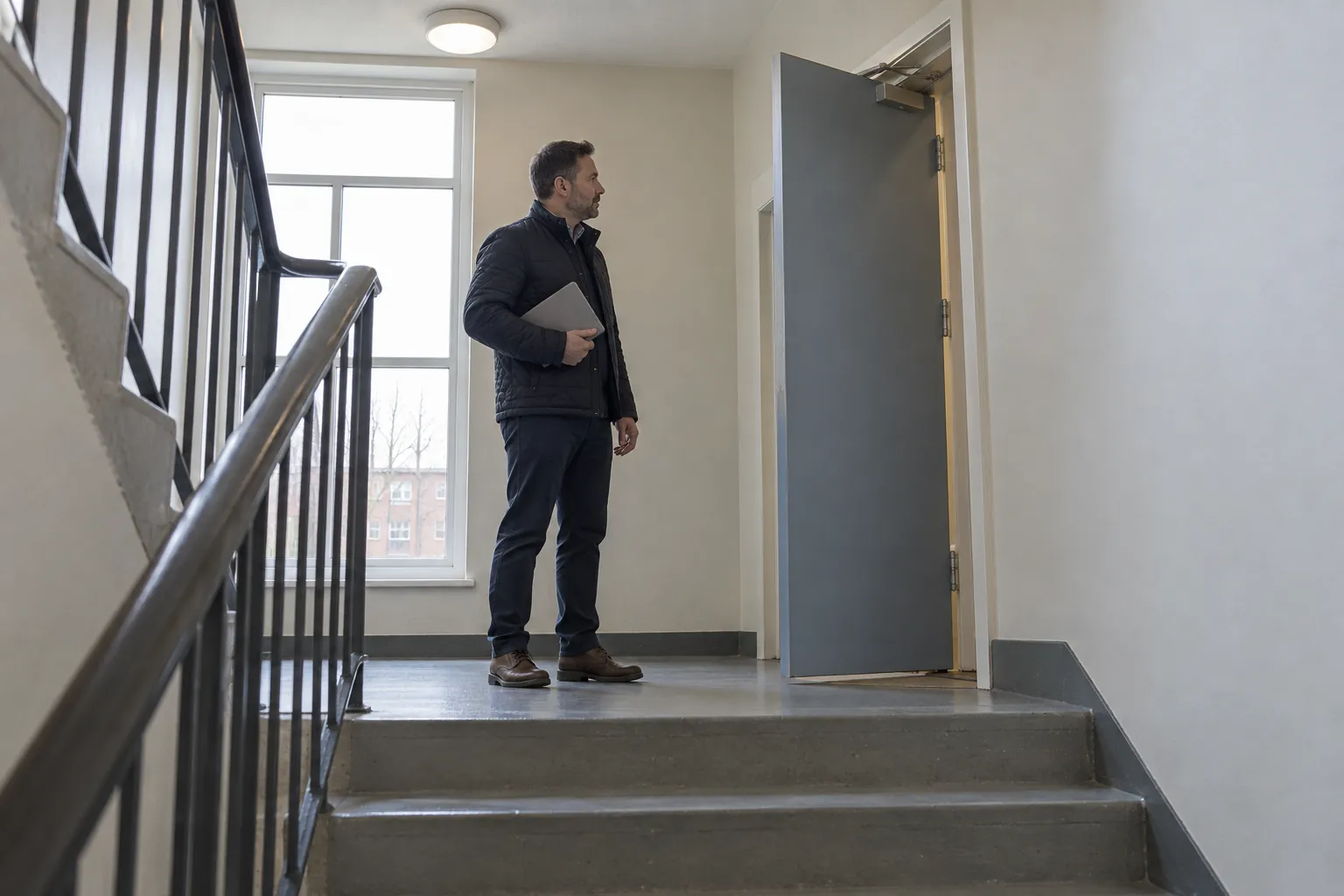 Fire and water checksCommunal fire door checks in blocks of flatsWhat the Fire Safety (England) Regulations 2022 require of communal fire doors and flat entrance doors, who carries out the checks, and how to record them.
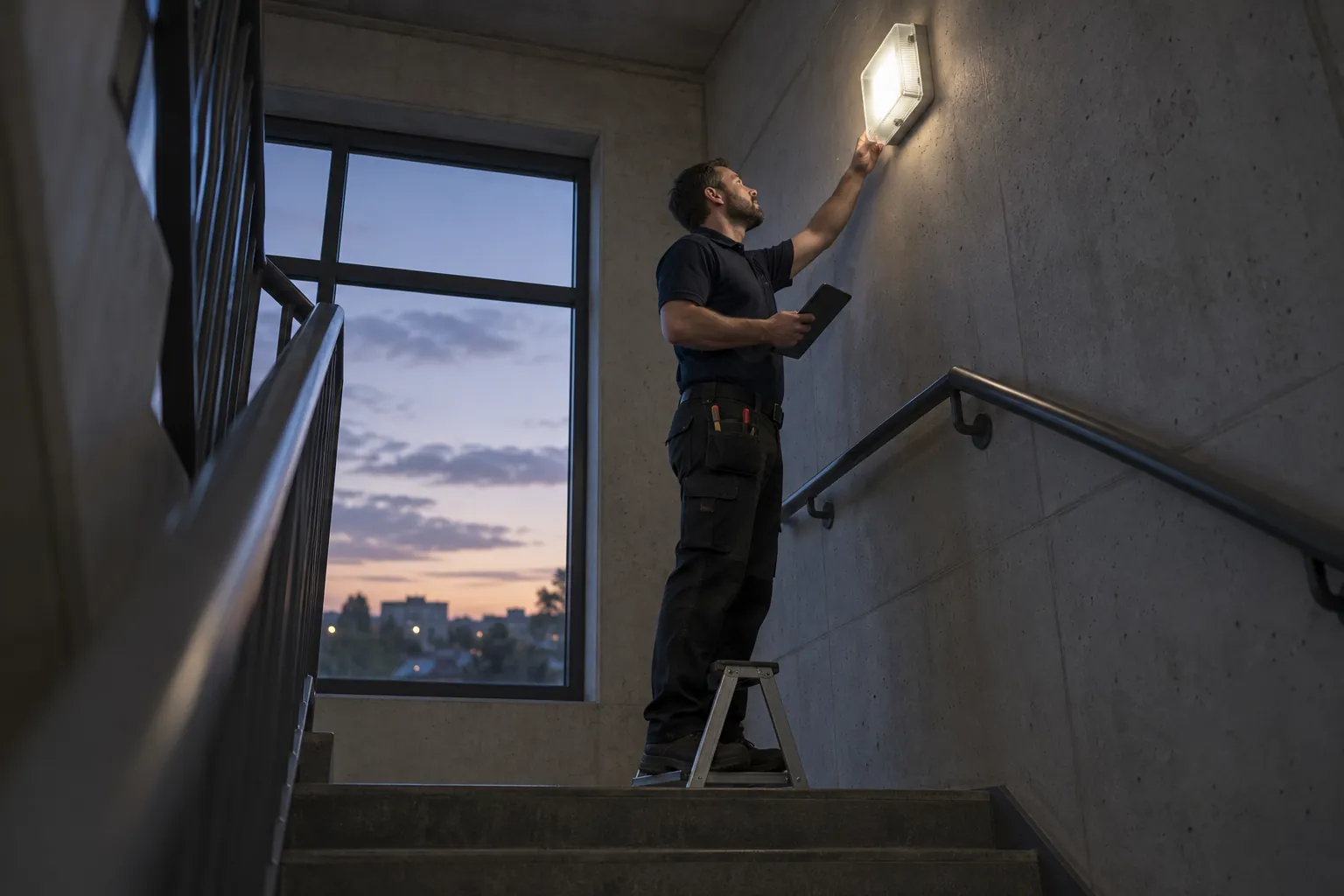 Fire and water checksEmergency lighting log book: what to record, and how oftenWhat an emergency lighting log book should record, the monthly and annual tests BS 5266-1 recommends, who does each, and how to keep the record credible.
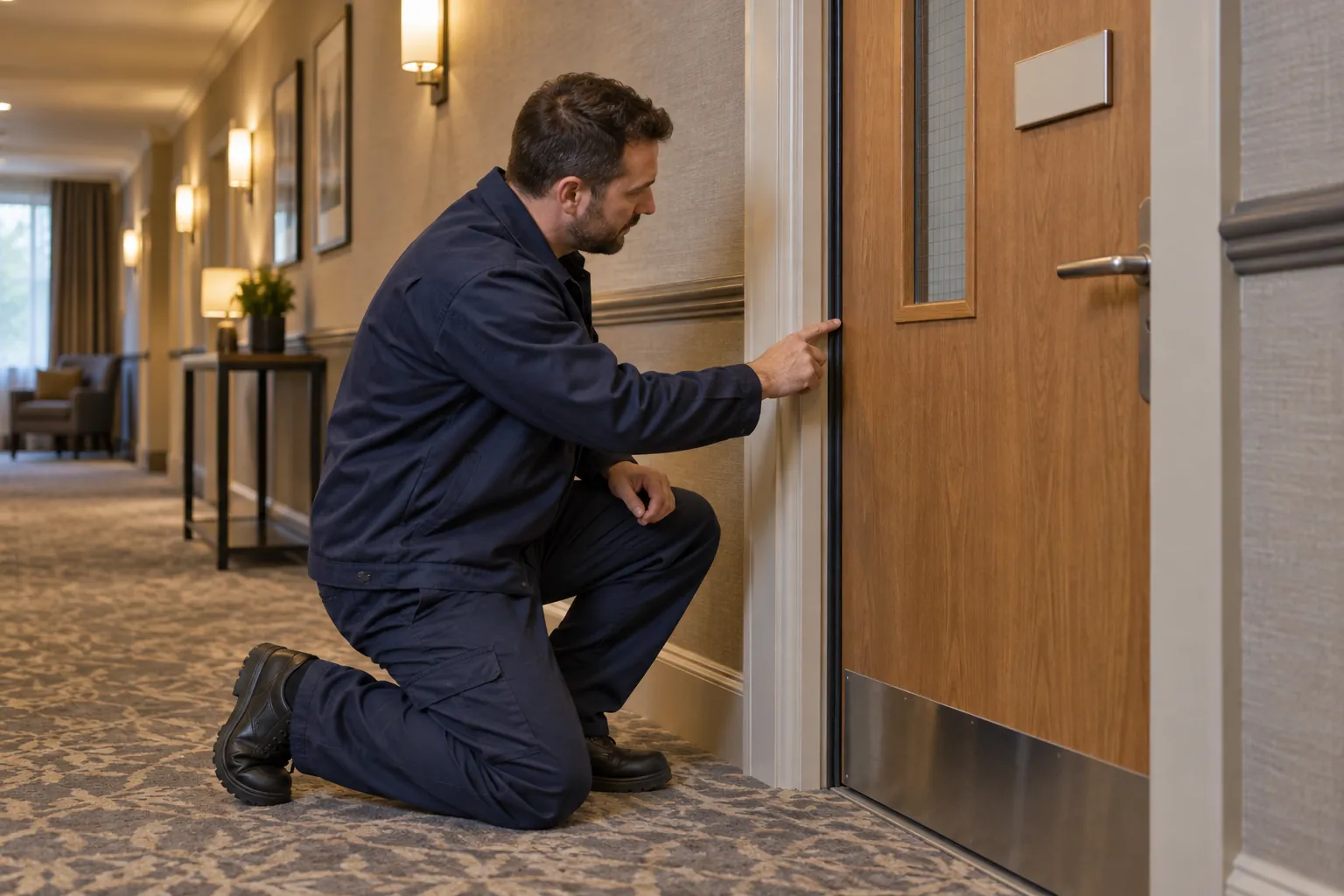 Fire and water checksFire door checks: what a routine check looks atFire door checks in any building: gaps, seals, closers, hinges, glazing and signs, how often to check, and when to call a fire door inspector.
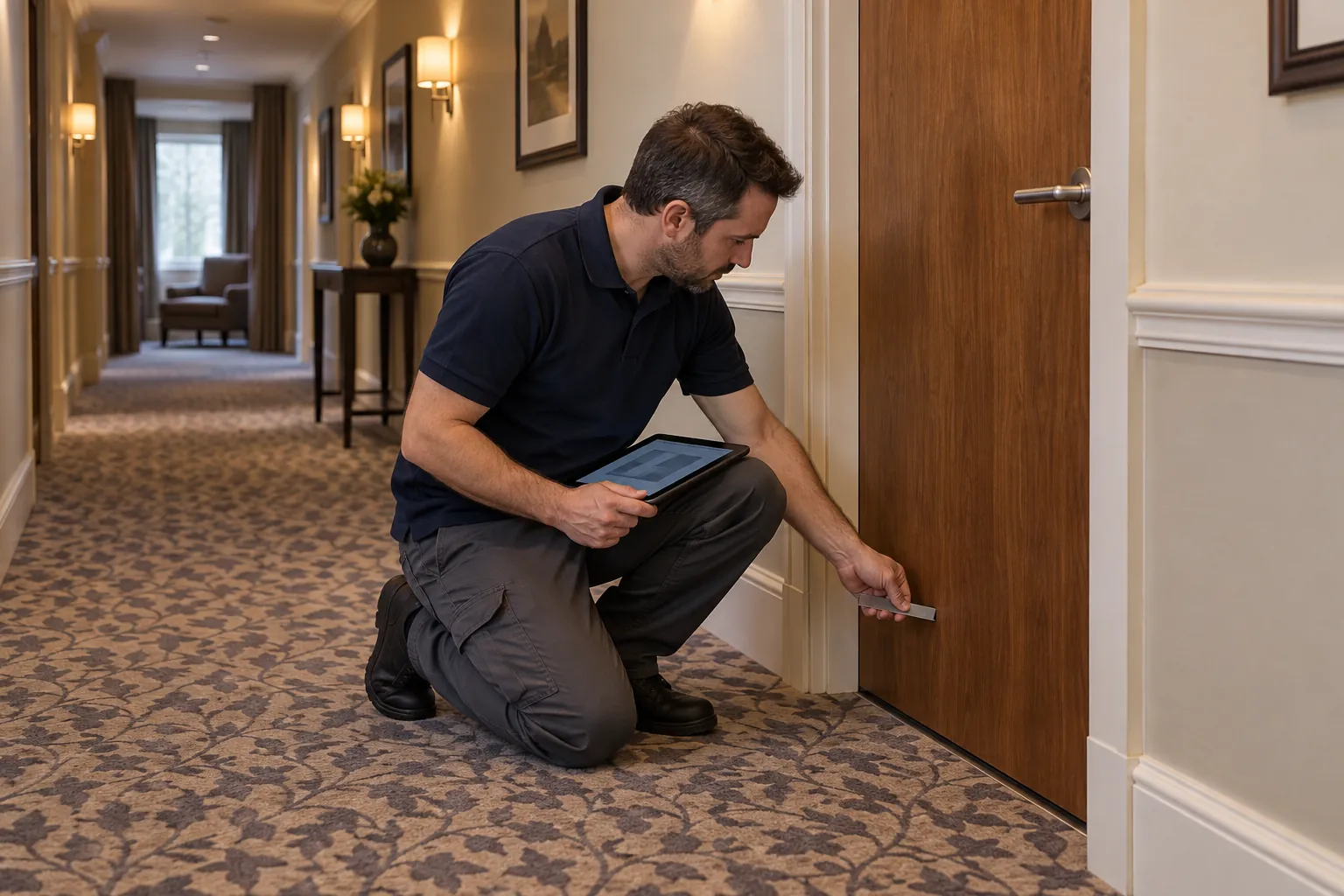 Fire and water checksFire door inspection: what the inspector checks, and what happens nextFire door inspection: what a survey by a competent inspector covers, how often doors should be inspected, the certification schemes, and remedial work.
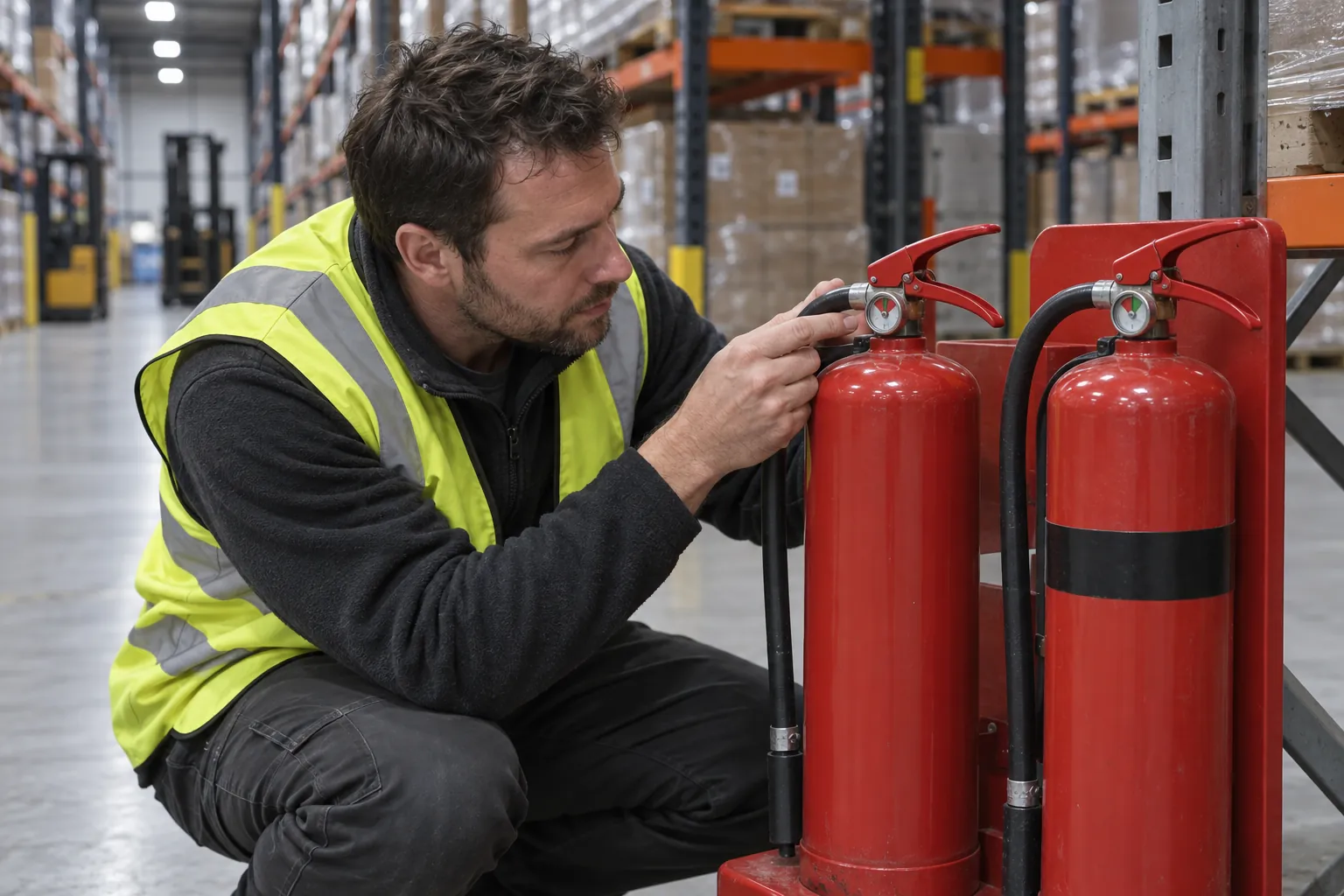 Fire and water checksFire extinguisher checks: the monthly check and the annual serviceWhat a monthly fire extinguisher check looks at, what the annual service by a competent person covers under BS 5306-3, and how to keep a record that stands up.
 Fire and water checksFire marshal checklist: the daily and weekly checks, and the job in an evacuationWhat a fire marshal or fire warden checks each day and week, their role in an evacuation, the law behind the role, and how to keep a record that stands up.
 Fire and water checksFire safety checks in the workplace: what to check, how often, and who does itThe routine fire safety checks a UK workplace needs, from daily escape routes to the weekly alarm test, who does each one, and what the record should show.
 Fire and water checksThe Fire Safety (England) Regulations 2022: what each building must doFire Safety (England) Regulations 2022 explained: what responsible persons must do in blocks of flats of every height, over 11 metres, and 18 metres or more.
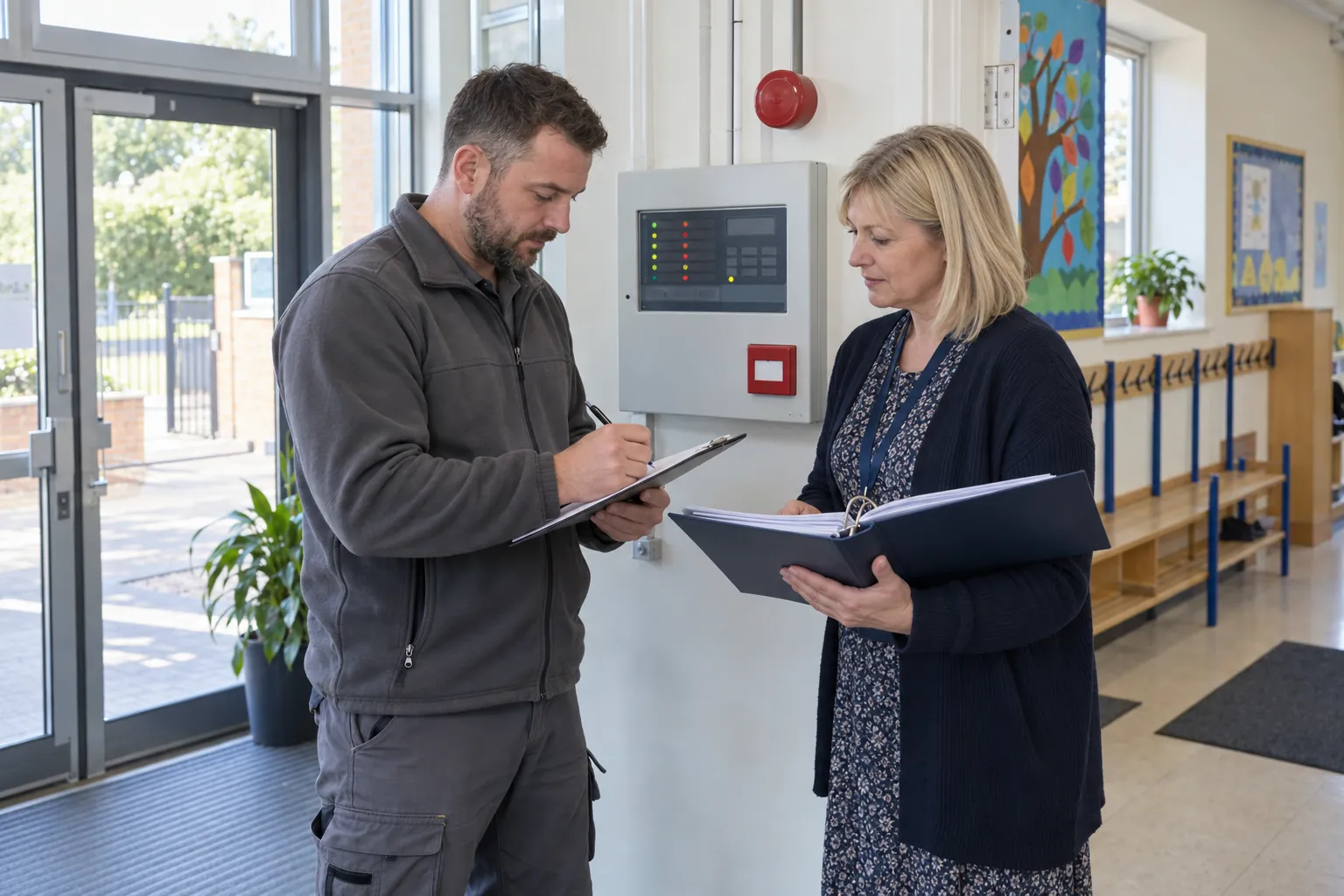 Fire and water checksFire safety log book: what to record, who keeps it and for how longWhat a fire safety log book should contain, from alarm tests to drills and servicing, who keeps it, how long for, and whether paper or digital is better.
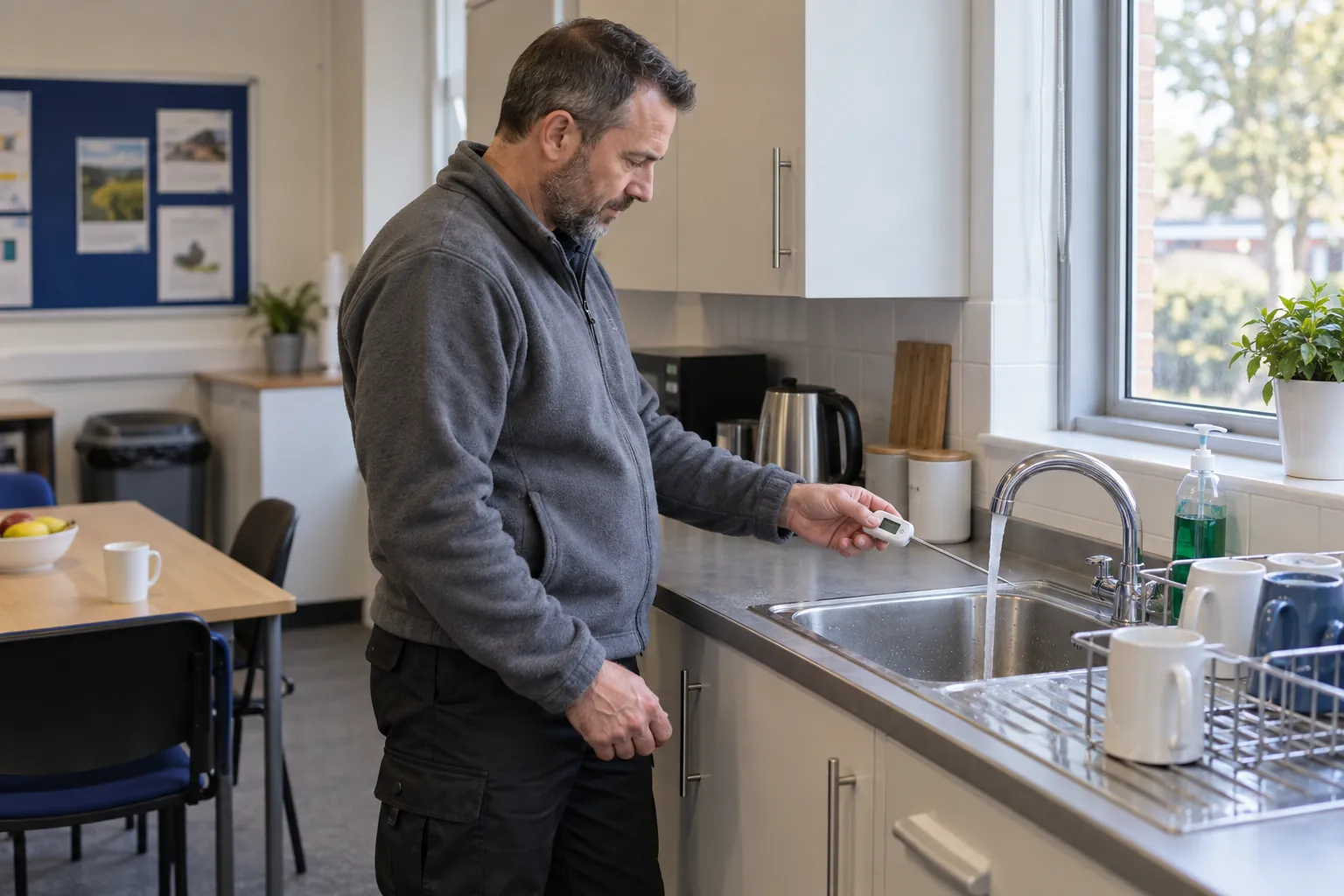 Fire and water checksLegionella checks: the routine monitoring, and the record that shows it was doneThe routine legionella checks in hot and cold water systems under HSE's L8 and HSG274: flushing, temperatures, who does them and what the record should show.
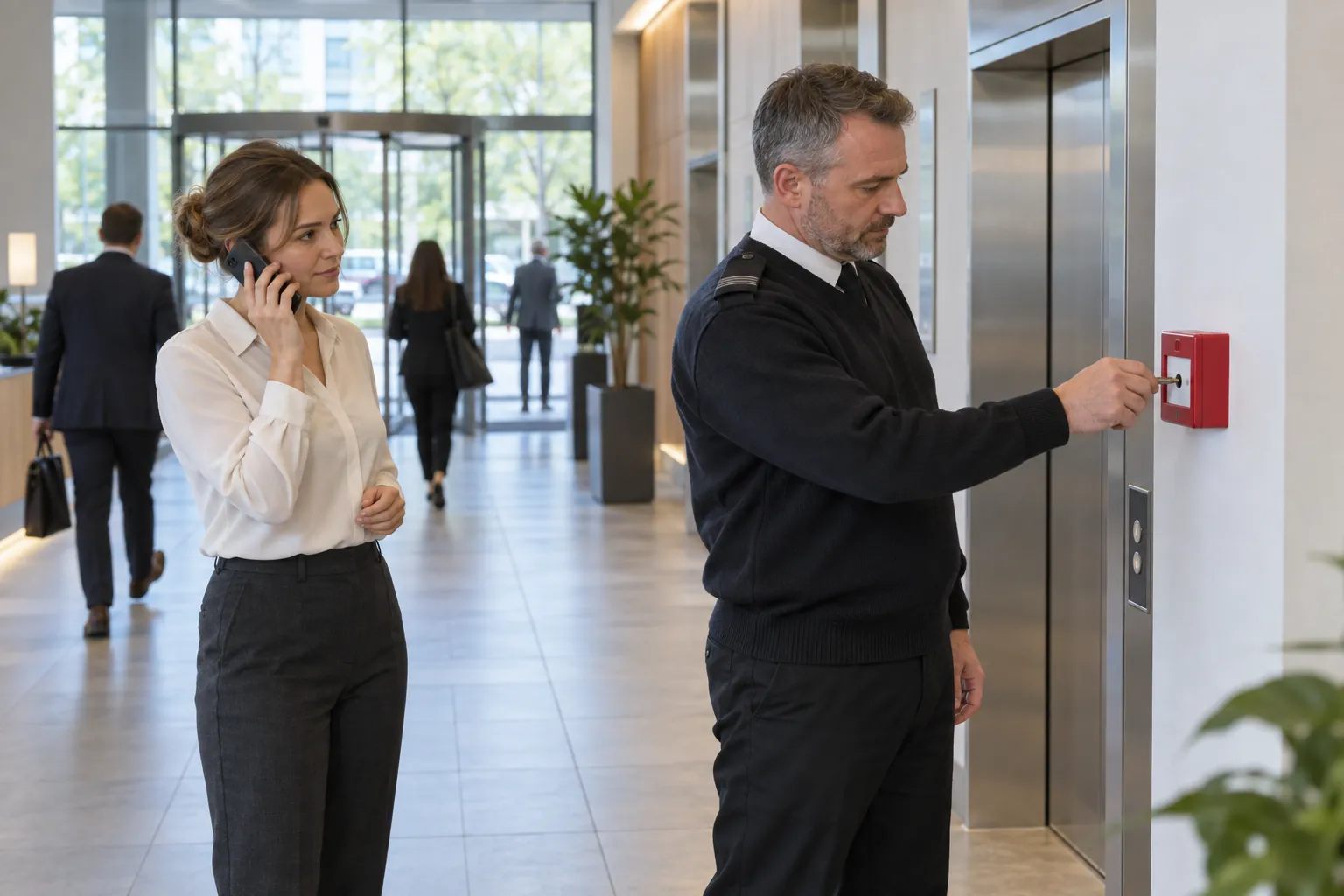 Fire and water checksWeekly fire alarm test: how to do it, and what to recordWeekly fire alarm test: how to carry out the test BS 5839-1 recommends, rotating call points, what to record, and what only a competent person can do.
Premises and facilities management 20 guides
 Premises and facilities managementBuilding compliance checklist: the statutory picture for a UK buildingBuilding compliance checklist for UK non-domestic buildings: fire, electrical, gas, water, asbestos, lifts, access and energy, who is responsible, how often.
 Premises and facilities managementBuilding maintenance checklist: what to check, how often, and who byA building maintenance checklist for UK non-domestic buildings: daily to annual tasks for fabric, services, safety systems and grounds, and who does each.
 Premises and facilities managementBuilding manager responsibilities: the duties, the daily work and the recordWhat a building manager is responsible for in UK commercial and residential buildings: legal duties, daily work, contractors and the records that prove it.
 Premises and facilities managementCAFM system: what it does, and how to choose and implement oneWhat a CAFM system is and does, how it differs from a CMMS or IWMS, how to choose and implement one, and what it will not fix on its own.
 Premises and facilities managementCaretaker duties: what the job involves, and how to show it was doneCaretaker duties in halls, churches, offices, flats and schools: opening and locking, routine checks, minor repairs, cleaning and working alone safely.
 Premises and facilities managementFacilities helpdesk: what it does, and how to run one wellWhat a facilities helpdesk does, how it logs, prioritises and closes jobs, the people and systems behind it, and how to tell whether it is working.
 Premises and facilities managementFacilities management contract: what to put in it, and how to make it workWhat goes into a facilities management contract: scope, specifications, payment, KPIs and deductions, TUPE, mobilisation and exit, and the NEC4 standard form.
 Premises and facilities managementFacilities management KPIs: how to choose them, and how to keep them honestHow to choose facilities management KPIs across services: examples, input and outcome measures, data sources, definitions, and avoiding perverse incentives.
 Premises and facilities managementFacilities management monthly report: what to include, and what makes it believableWhat an FM monthly report should contain: compliance, planned and reactive maintenance, KPIs, health and safety, costs, and the evidence behind them.
 Premises and facilities managementFacilities management SLA: setting service levels across FM servicesHow to write a facilities management SLA: helpdesk response and fix times, planned maintenance, cleaning and security standards, KPIs and reporting.
 Premises and facilities managementFacilities manager responsibilities: what the role covers, and how to show it is doneWhat a facilities manager is responsible for across services and sites: compliance, contractors, budgets, space, health and safety, and reporting.
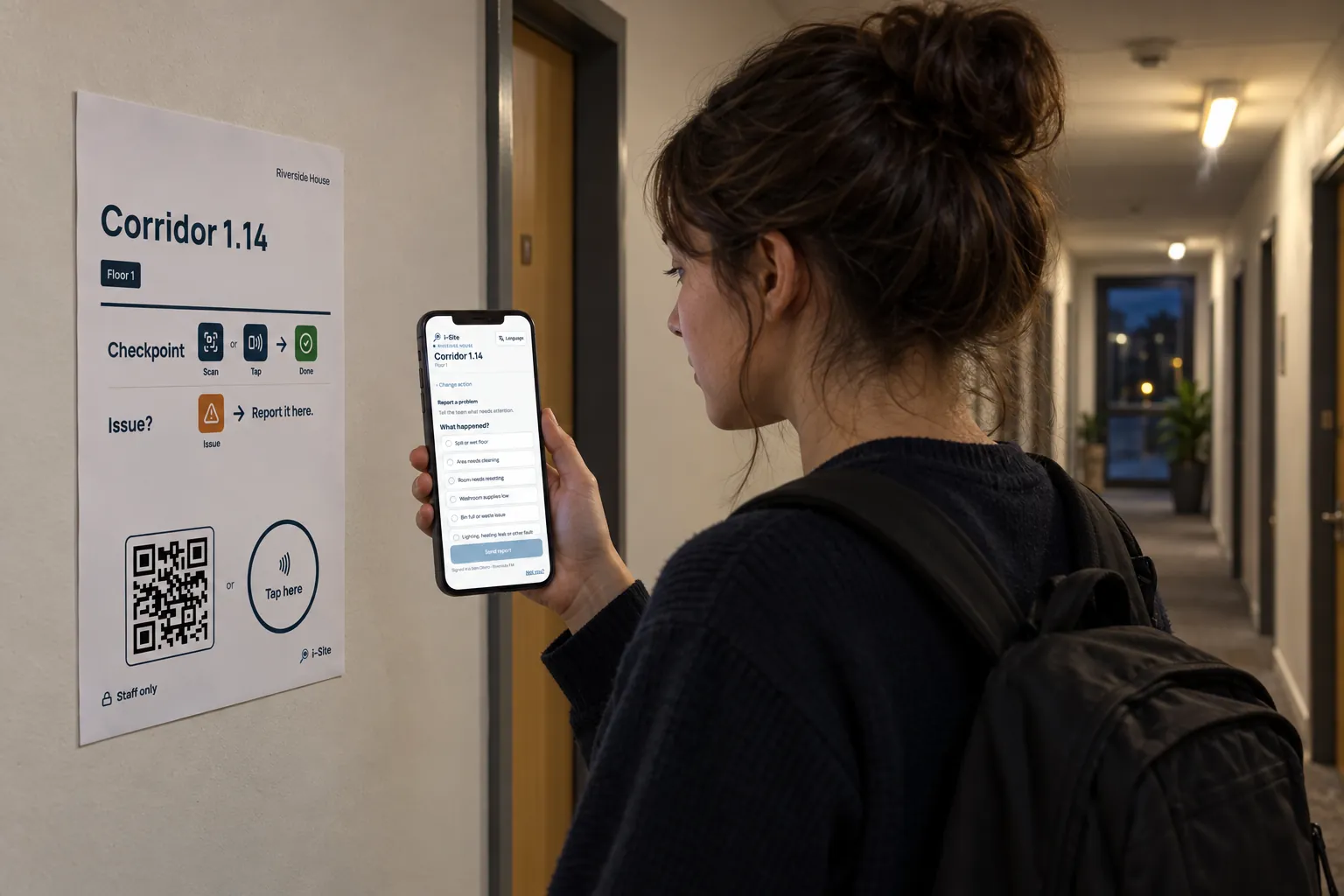 Premises and facilities managementFault reporting system: how faults are reported, prioritised and closedHow a fault reporting system for a building should work: how occupants report faults, how facilities teams log and prioritise them, and how a fault is closed.
 Premises and facilities managementHealth and safety inspection checklist: what to look at, and what to do nextHow to run a workplace health and safety inspection: the legal basis, what to walk and look at, how often, recording findings and actions, and involving staff.
 Premises and facilities managementManaging agent responsibilities in residential block managementWhat a managing agent does for a block of flats in England and Wales: service charges, the RICS code, repairs, fire safety in common parts, and records.
 Premises and facilities managementPlanned preventative maintenance: how to plan it and prove it was donePlanned preventative maintenance (PPM): what it is, how to build an asset register and schedule, statutory versus discretionary tasks, and evidencing the work.
 Premises and facilities managementPremises manager: what the job involves, and how to run it wellWhat a premises manager does in a college, charity, housing provider or trust: the compliance calendar, contractors, security, budgets and reporting.
 Premises and facilities managementReactive maintenance: how to run it well, and keep it in proportionHow to run reactive maintenance in a UK building: priorities and response times, the balance with planned work, costs, contractors and closing the loop.
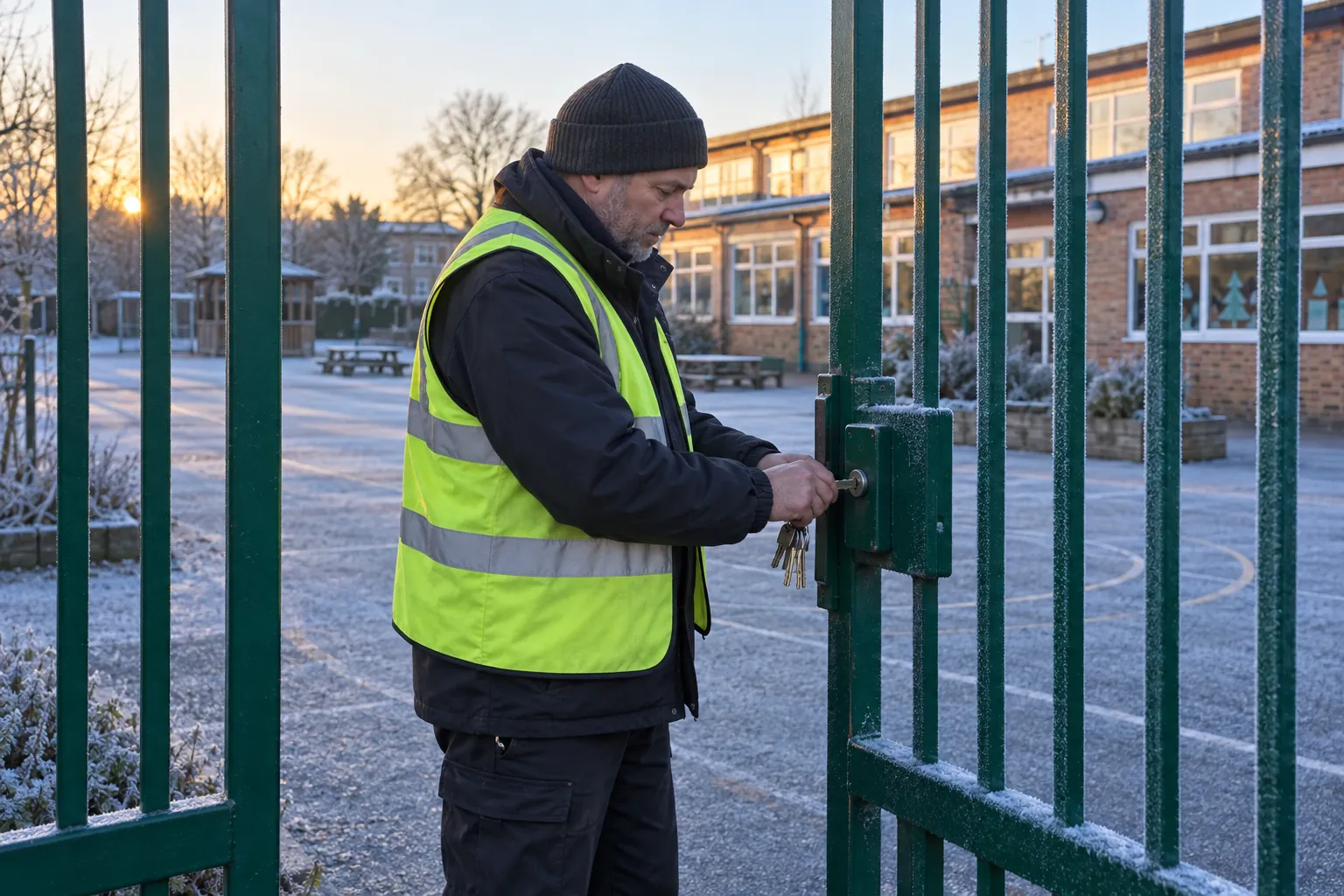 Premises and facilities managementSchool site manager duties: the role, the routine checks and the recordWhat a school site manager does: security, health and safety checks, repairs, cleaning and contractors, how often checks are due, and how to record them.
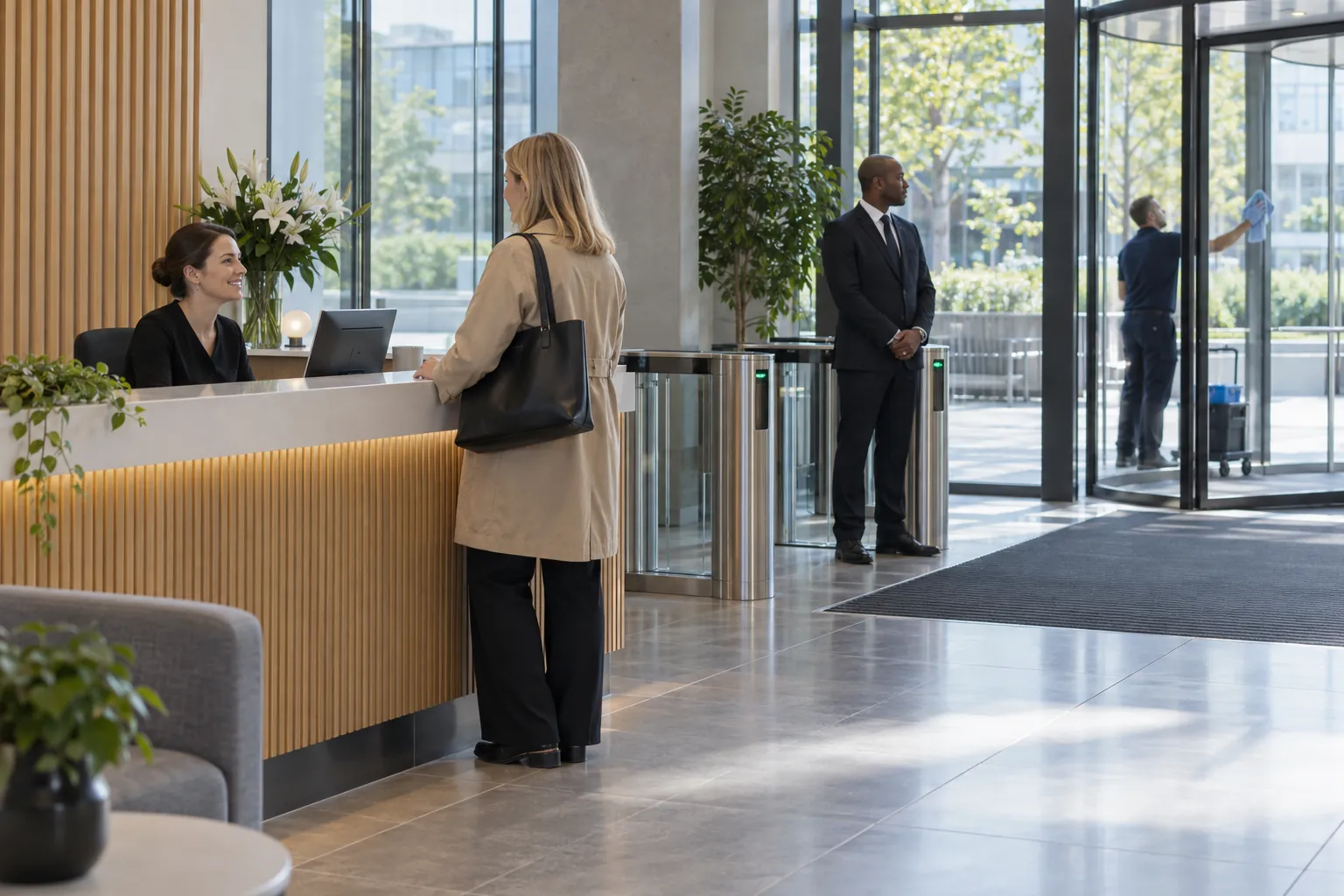 Premises and facilities managementSoft facilities management: what it covers, how it is bought, how it is measuredWhat soft facilities management covers compared with hard FM, how soft FM is contracted, from single service to total FM, and how performance is shown.
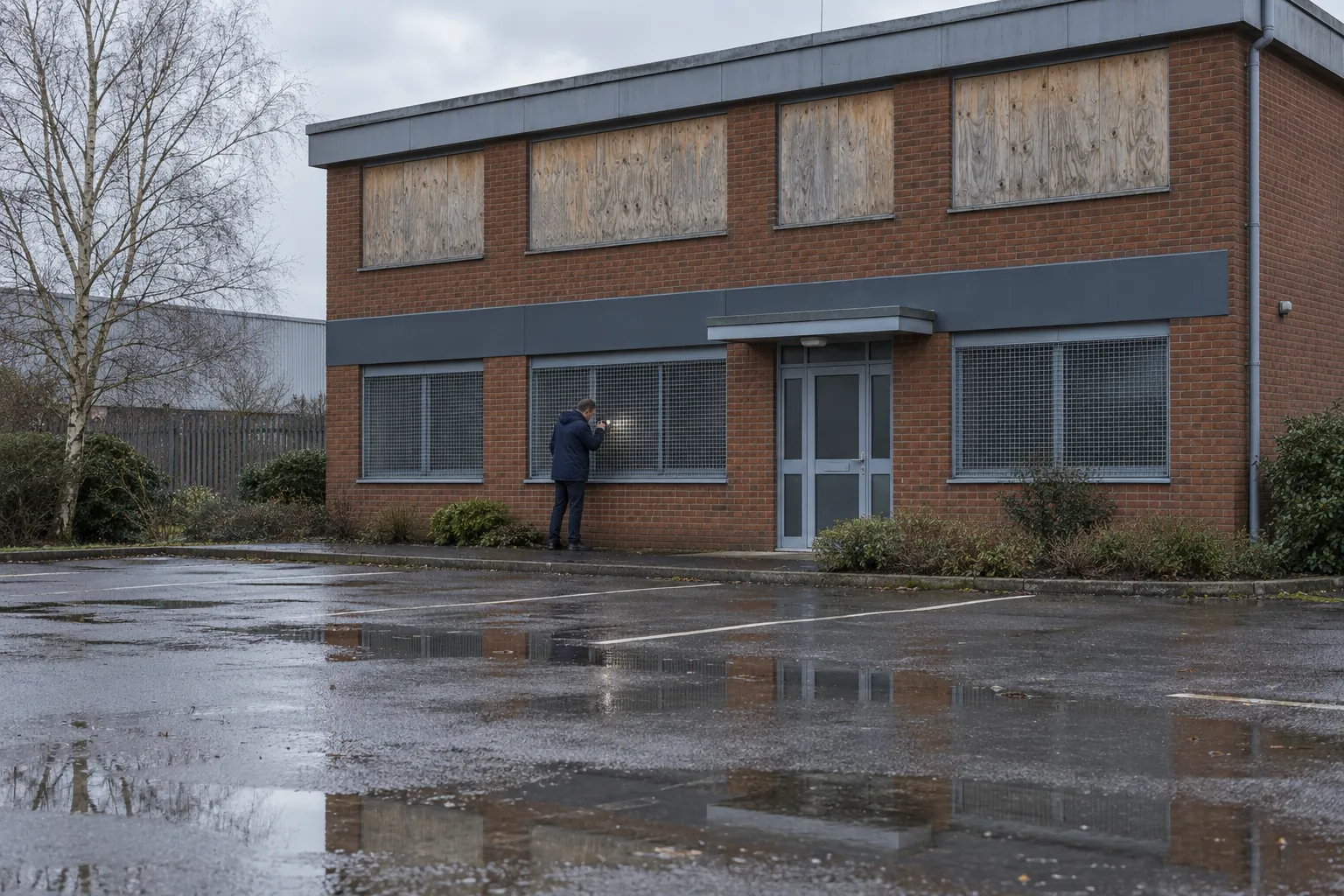 Premises and facilities managementVoid property inspection: what to check, how often, and what to recordHow to inspect an empty commercial or residential property: security, weather, water, fire and the insurer's conditions, and the record that shows it was done.