Premises and facilities management
Vacant property inspection: what to check, how often, and what to record
A vacant property inspection is a regular, recorded visit to an empty building to check its security and condition and catch damage early, made at least as often as any insurer's unoccupancy conditions require.
Also written for United Kingdom · United States · Canada · Australia
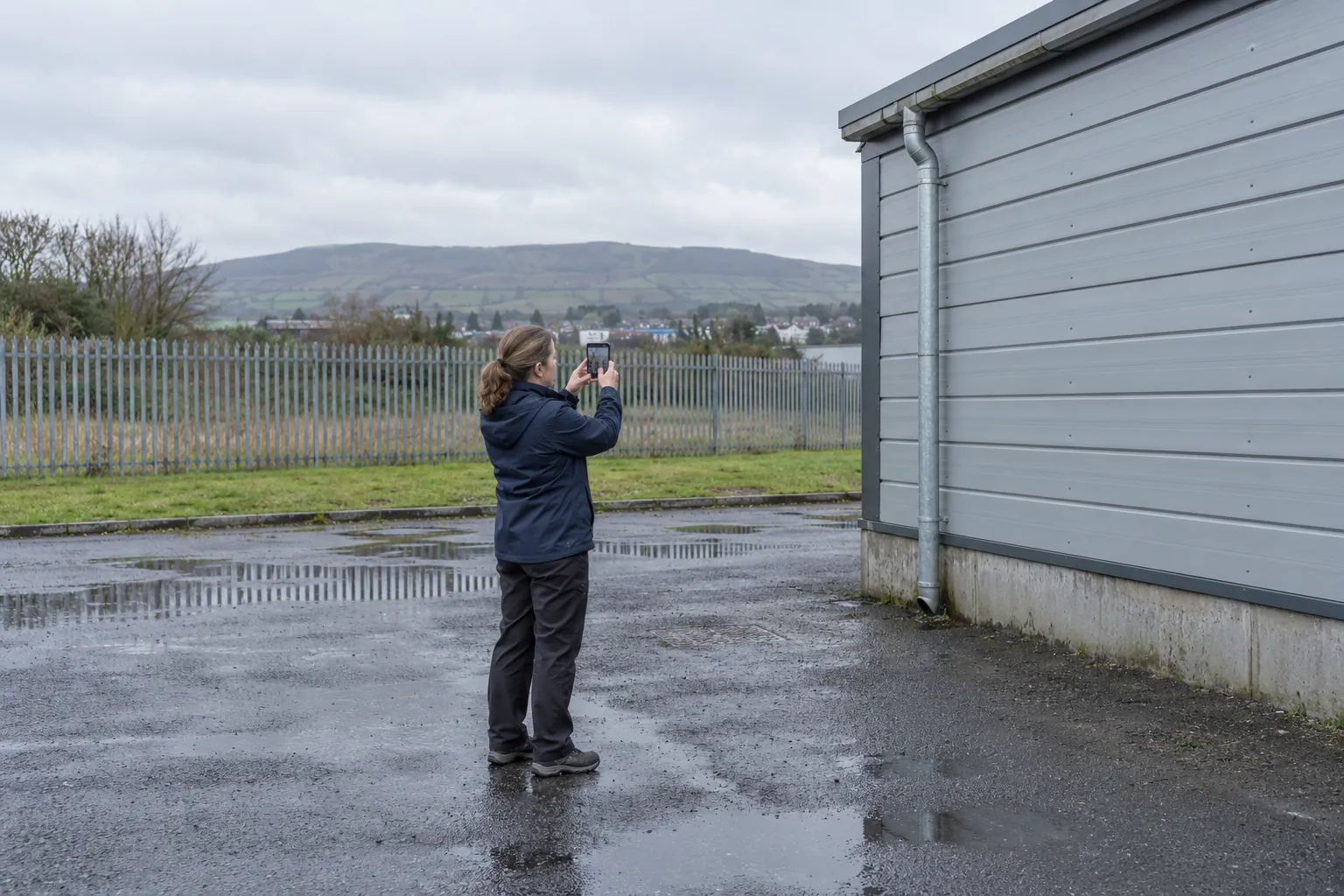
An empty office, shop, school building or apartment between lettings deteriorates quickly and quietly: a pipe bursts, copper is stripped out, rubbish builds up against a wall, and the first anyone knows is the claim or the letter from the council. This guide covers the Irish law behind the inspection, what to check, how often, and what the record should show.
01
What a vacant property inspection is, and the Irish law behind it
A vacant property inspection is a planned visit, by the owner's staff, a managing agent, a caretaker or a security firm, to walk an empty building inside and out, check that it is secure and sound, and write down what was found. No Irish statute requires one in those words. The duties that make it necessary come from several places:
- Insurance. Property policies usually carry unoccupancy conditions for a building left empty beyond a set period, commonly regular inspections, services isolated and the building kept secure. Breaking them can reduce cover or put a claim at risk.
- Occupiers' liability. Under the Occupiers' Liability Act 1995 (as revised, including the 2023 amendments made by the Courts and Civil Law (Miscellaneous Provisions) Act 2023), an occupier owes visitors "the common duty of care", and a trespasser a duty not to injure them intentionally and "not to act with reckless disregard" for them. A court judging recklessness looks at whether the occupier knew of, or was reckless as to whether, a danger existed and people were likely to be there, and at "the nature of any warning given".
- Fire. Section 18(2) of the Fire Services Act 1981, as substituted by section 29 of the Licensing of Indoor Events Act 2003, requires every person having control over the premises it covers, which since 2003 include any workplace, to "take all reasonable measures to guard against the outbreak of fire on such premises". Separately, a fire authority may serve a fire safety notice under section 20 on the owner or occupier of a building that appears to be a "potentially dangerous building", which section 19 defines by reasons that include the flammable nature of anything "used, stored or deposited within the building" and a fire being likely to spread rapidly "within the building or to other premises".
- Health and safety. Inspectors and contractors still work in an empty building. Section 15 of the Safety, Health and Welfare at Work Act 2005 requires whoever controls a non-domestic place of work made available to others, or must maintain it under a contract or tenancy, to ensure so far as is reasonably practicable that it is "safe and without risk to health".
- Dereliction. Section 9 of the Derelict Sites Act 1990 makes it "the duty of every owner and occupier of land" to take all reasonable steps to ensure it does not become, or continue to be, a derelict site. Section 3 defines one by its effect on the neighbourhood, because of ruinous or dangerous structures, a "neglected, unsightly or objectionable condition", or rubbish and waste.
The phrase also turns up in connection with the Department of Housing's Vacant Property Refurbishment Grant, which needs proof that a property has been vacant for at least two years; the local authority that administers it inspects the property before approving the works and again before paying. That is a different inspection; this guide is about the routine checks on a building while it stands empty.
02
What to check on each visit
An Garda Síochána's Crime Prevention Guiding Advice regarding Vacant Property warns that vacant buildings, "whether empty for a short or long term", are targeted for burglary, especially in isolated areas, and stripped of copper pipe and tanks, plumbing and electrical cabling. Its advice includes frequent checks at different times of the day, a set alarm, rubbish removed, grass and hedges cut, and telling the local Garda station the premises is vacant so patrols can give it passing attention.
Walk the same route every time, outside first and then inside, so that changes stand out. A typical vacant property inspection checklist covers:
- The perimeter: fences, gates and hoarding intact with no gaps a child could get through; no dumped rubbish; no signs of rough sleeping.
- Entry points: all doors, windows, roller shutters, roof hatches and boarded openings secure, with no signs of forcing or vandalism, and steel screens or boards undamaged.
- Post: letterboxes sealed, or post and leaflets cleared. The Garda advice suggests An Post's mail minder service and a "No Junk Mail" sign, since a pile of post tells anyone passing that the building is empty.
- Roof and rainwater goods, as far as can be seen safely from the ground: slipped slates, blocked gutters and downpipes, water running down a wall.
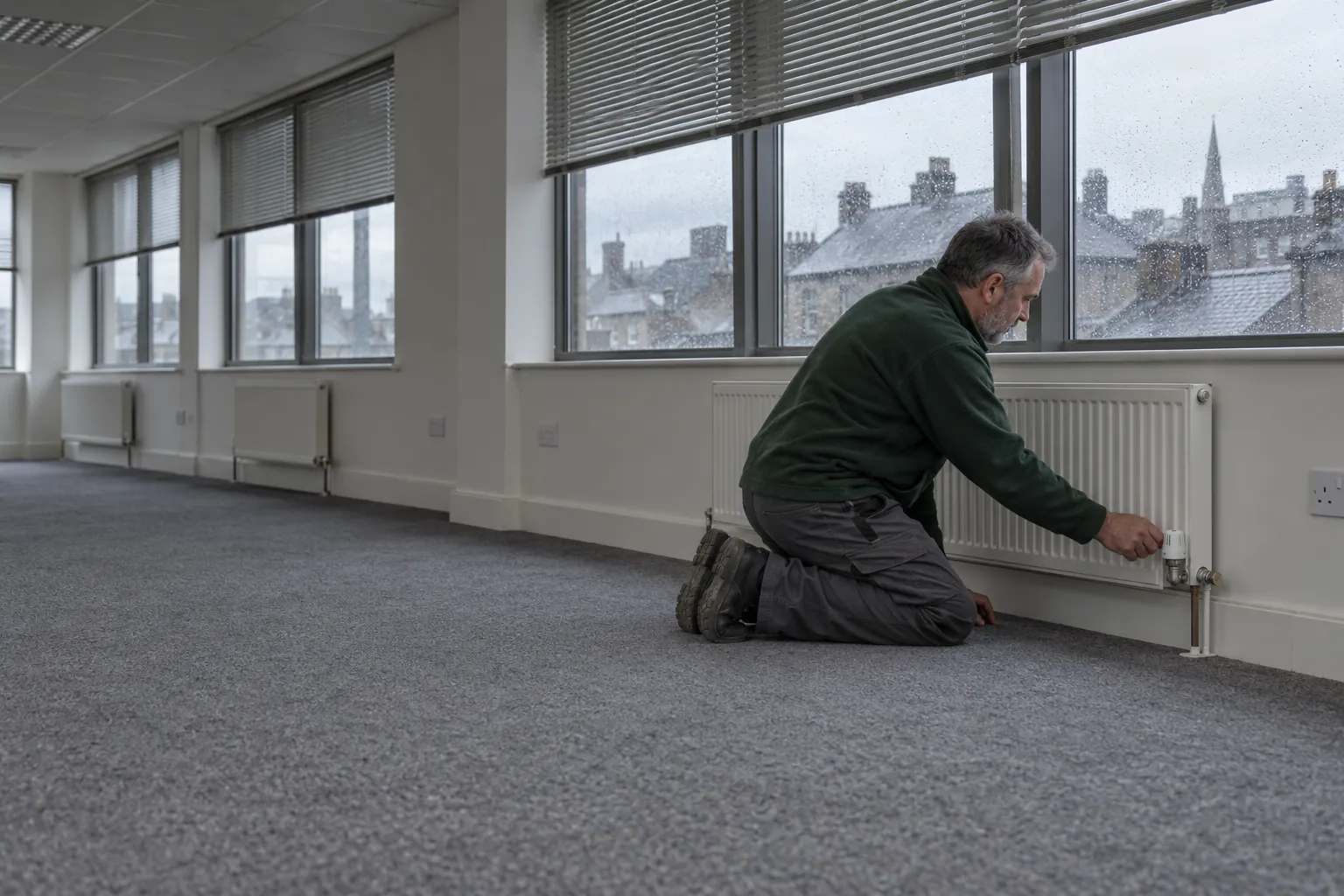
- Inside: signs of intruders, leaks, damp, pests, missing pipework or cable, and any smell of gas or burning.
- Services: water off and drained down where that is the plan; gas isolated; electricity off except for the alarm, fire detection and lighting; heating on frost protection where left running.
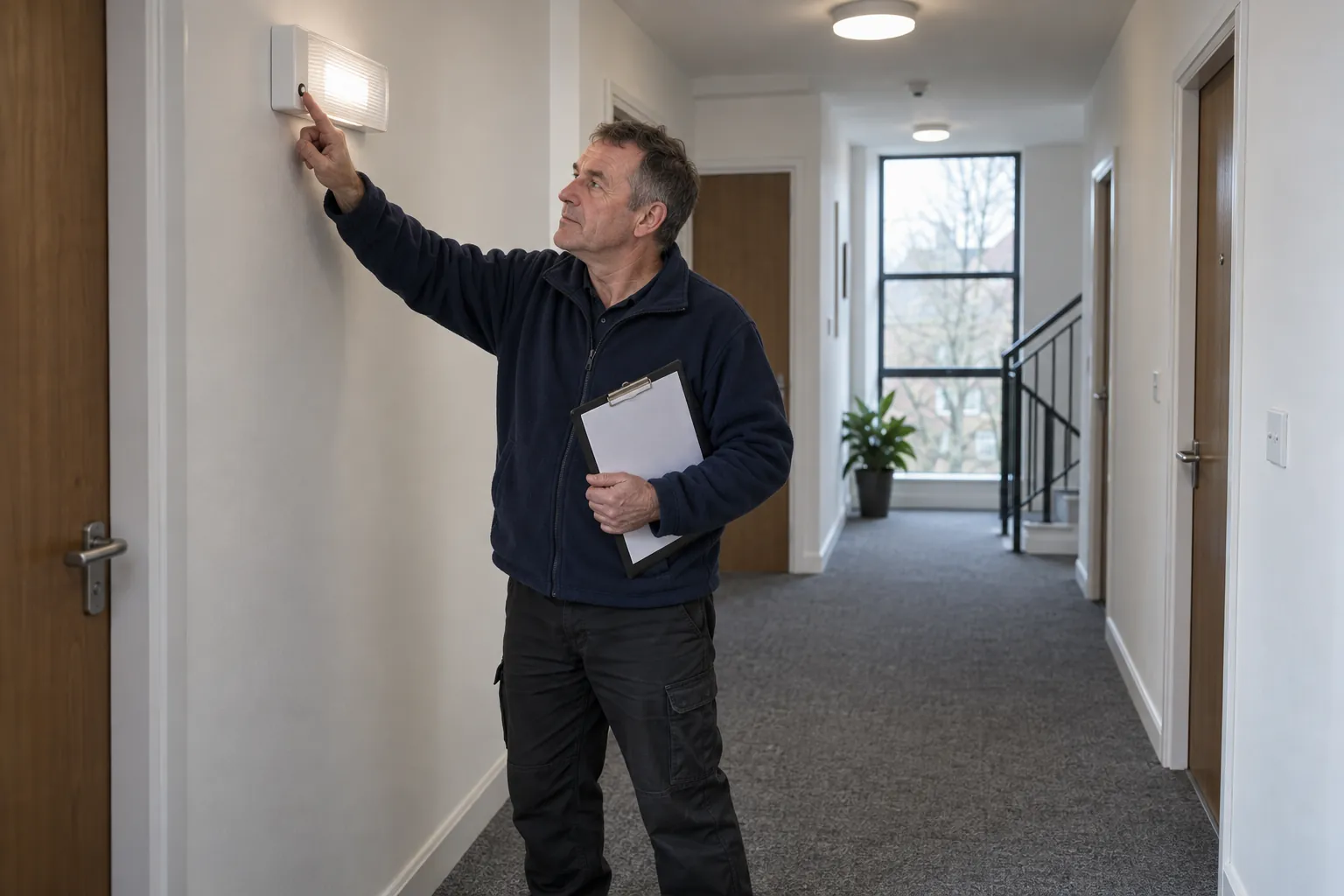
- Alarm and CCTV: the intruder alarm set and any activations since the last visit noted, with the response to each; fire detection working where it is kept live; cameras in position and recording.
- Meters: electricity, gas and water readings taken at the start of the vacant period and on later visits, where a sudden change can show a leak or an unauthorised connection.
- Fire load and appearance: no waste, stock or packaging left inside, nothing combustible against the walls, grass cut, litter cleared and graffiti noted for removal.
Tailor the list to the building, because vacant properties differ. A warehouse yard needs different checks from an empty shop on a main street, or a vacant apartment in an occupied block, where the owners' management company looks after the common areas and the unit owner the unit.
03
How often to inspect an empty building
Start with the policy, because the insurer's requirements come first. For an insured building the minimum frequency is usually set in the unoccupancy conditions; weekly visits are common, but some policies ask for more, for internal as well as external checks, or for a written log. Read the wording, and if it is silent, ask the broker in writing.
Above the insurer's minimum, the risk decides:
- Visit more often where the building is isolated, has been broken into before, obviously looks empty, holds metal or plant worth stealing, or is going into winter.
- Vary the times. The Garda advice is to check "at different times of the day"; a visit every Tuesday at ten is easy to learn.
- Add a visit after an event: a storm, a hard frost, an alarm activation or a neighbour's complaint, recorded like any other.
- Visit less often only where the insurer allows it and the risk is genuinely lower, such as a short vacancy inside a managed estate with monitored alarms.
Whatever the pattern, write it down, agree it with the insurer where it matters, and keep to it.
Inspectors usually work alone in empty buildings. The HSA's page on Lone Workers says the section 19 risk assessment under the 2005 Act decides whether an employee may work alone, lists "physical violence from members of the public and/or intruders" among the hazards, and suggests controls such as phone or radio contact. An inspector who finds signs that someone is inside should leave and call the Gardaí.
04
Water, fire and dereliction: the three things that go wrong
Water catches owners out most. A burst pipe in an empty building can run for days unnoticed. Draining down at the start of the vacant period, or keeping heating on frost protection where water must stay on for a sprinkler system, is usually the most important single step.
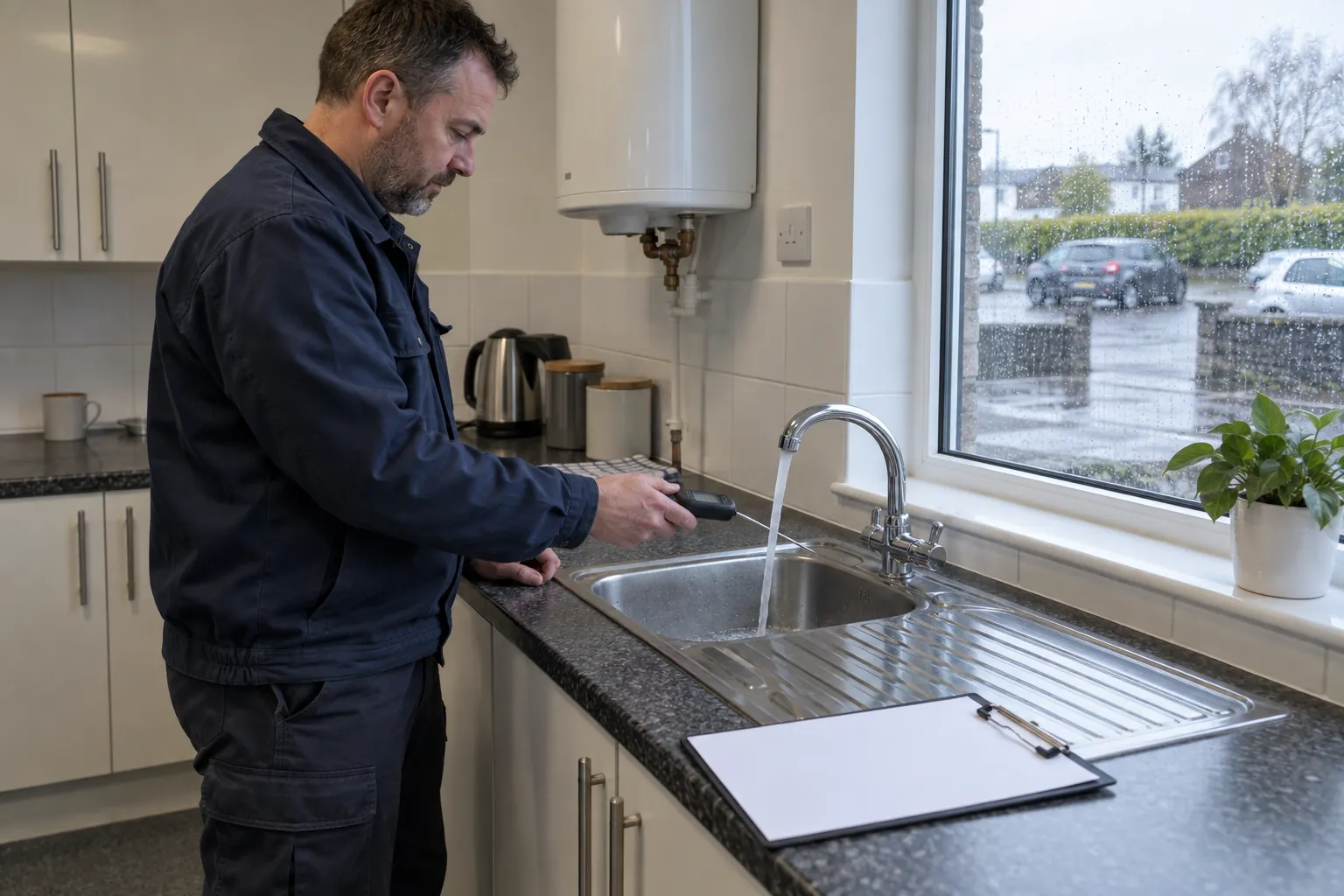
Where water is left on, nothing is being drawn off and the legionella risk rises. The HSA's page on Legionellosis says that an employer or person in control of a place of work must identify and assess sources of risk, prepare a scheme for preventing or controlling it, implement and manage the scheme, and "keep records and check that what has been done is effective". The National Guidelines for the Control of Legionellosis in Ireland, 2009, published by the HPSC, are the reference. The control plan should cover the empty period, by draining down, flushing or treatment, with competent advice before anyone moves back in; see the legionella checks guide.
Fire in an empty building feeds on what was left behind. Flammable furniture, and flammable things stored or left within the building, are among the reasons section 19 of the 1981 Act gives for treating a building as potentially dangerous where a fire would be a serious danger to life. Clear waste, packaging and pallets from inside and from against the walls, keep the building locked and keep any live fire detection working.
Dereliction is slower. A building left unvisited collects rubbish, broken windows and overgrown ground, and a local authority that considers it a derelict site may, after notice, enter it on its register under section 8 of the Derelict Sites Act 1990 and serve a notice under section 11 setting out the measures to be taken. For urban land on the register, section 23 of the Act, as revised, sets the derelict sites levy from 2020 at 7 per cent of the market value each year, or a lower percentage if one is prescribed. A regular visit that picks up the litter and reports the broken window is the cheapest defence.
05
Who inspects, and what a good record shows
The visits may be made by the owner's own staff, a caretaker, a managing agent or a professional inspection or security firm. A firm providing static guarding, alarm or CCTV monitoring, or the installation and maintenance of intruder alarms, CCTV or access control, must hold a licence from the Private Security Authority for that sector; its page Who Needs A Licence (Contractors) lists them. Check the licence before you sign.
After a break-in, a flood or a claim, the questions are always the same: when was the building last inspected, by whom, and what did they find? A complete record answers them, and carries:
- The property, the date and the time of the visit, recorded at the time and not written up later.
- The name of the inspector, one identifiable person.
- Each item on the checklist with what was found, not just a tick.
- Photographs taken from the same spots each time, so a change is visible.
- Defects and actions: any damage or defect found, who was told, and when it was put right.
- Missed or late visits, with the reason.
Keep the records for the whole vacant period and after it, since a claim or a dispute with an incoming tenant can arrive months later.
06
Where the record fails, and what SiteClara does about it
Vacant property checks are easy to miss and hard to prove. Nobody else goes into the building; the paper sheet lives in a van or is written up at the end of the week; and the owner hears about a missed visit only when something has gone wrong. A photo on the inspector's phone shows the building, but not who took it or what else was checked.
SiteClara puts a printed QR poster, with an optional NFC tag behind it for staff who prefer to tap, at points inside and outside the building: the main entrance, the yard gate, the plant room, each floor. The inspector scans or taps with their own phone, with no app to install, sees the checks due at that point and marks each one done, or explains what stopped them, with a photo on any visit. The time and the named person are recorded as it happens.
A problem found on the visit, such as a forced window or a leak, is reported there and goes onto the team's list of jobs until someone closes it, and the supervisor can escalate it to the building manager. The supervisor sees which inspections were due, done and missed, and records why one was missed. Each day the supervisor approves a report that goes to nominated management or client contacts the next morning, with the photos, what was completed and what is still open.
07
Questions people ask
How do you prove a property is vacant?
For the Vacant Property Refurbishment Grant, the Department of Housing's Vacant Property Refurbishment Grant FAQs say proof of vacancy can be utility bills showing, for example, "continuous and consistent low or zero electricity usage or disconnection for a period of two years", or other evidence such as a sworn affidavit to the satisfaction of the local authority. For a former commercial or public use building, evidence of paying commercial rates or of rates relief can also be used. The local authority must validate and verify the vacancy before it approves the grant.
Who qualifies for a vacant property grant?
Under the Vacant Property Refurbishment Grant, the applicant must have proof of ownership, or evidence of active negotiations to buy, and proof that the property "has been vacant for at least two years at time of application" and was built before 2008. The grant is for turning a vacant house or building into a permanent home or a rental property, or converting a whole former commercial or public use building into residential units, and only named owners can apply, not registered companies. For a single home it is up to €50,000, with a top-up of up to €20,000 for a property confirmed as derelict, and further top-ups where a former commercial or public use building becomes two or more homes.
Why does the council want to inspect my house?
Usually for one of two reasons. If you have applied for the Vacant Property Refurbishment Grant, the Vacant Property Refurbishment Grant FAQs say the local authority sends technical staff to check the works applied for and assess their cost before approving it, and makes a final visit to check the work before paying. If the council is considering whether the property is a derelict site, section 30 of the Derelict Sites Act 1990 lets a person it authorises enter land between 9 a.m. and 6 p.m. for any purpose connected with the Act; where the owner of unoccupied land refuses, entry needs an order of the District Court. Under section 11 the council can then serve a notice setting out the measures to be taken, within a period of not less than one month.
How do you avoid the Vacant Homes Tax?
Revenue's Vacant Homes Tax (VHT) is "an annual tax that applies to residential properties in use as a dwelling for less than 30 days in a 12-month chargeable period", payable in addition to Local Property Tax, so a home in use as a dwelling for 30 days or more in the period is not liable. Revenue's Vacant Homes Tax (VHT) exemptions page lists others, each with its own conditions, including a property actively marketed for sale or rent, one that underwent structural works, one unoccupied because of the owner's illness, and one where the owner has died. The tax applies only to homes; separately, urban land entered on a derelict sites register, whatever stands on it, attracts the derelict sites levy.
08
Further reading, and a list to take away
Start with the policy wording and your broker. The Garda Crime Prevention Guiding Advice regarding Vacant Property is two pages and worth giving to whoever does the visits, and the local Divisional Crime Prevention Officer can advise on a particular building. The HSA covers lone working and legionella, the HPSC publishes the national legionella guidelines, and the local authority's fire service and derelict sites section can say how their powers apply. For occupied premises and building sites, see the site security checklist guide.
When an empty building comes onto your books, check that:
- the insurer and the local Garda station know the building is vacant, and you have read the unoccupancy conditions;
- the inspection frequency is written down, meets the policy and varies the time of day;
- water is drained down or managed under the legionella control plan, and gas and electricity are isolated where the plan says;
- post is stopped or sealed, rubbish cleared, grass cut and every entry point secured;
- meter readings and photographs are taken at the start of the vacant period;
- every visit records the time, the inspector's name, what was found and photographs;
- defects go to someone who will fix them, and the fix is recorded;
- any security firm used holds the right PSA licence;
- inspectors have a lone working procedure and know not to enter if someone may be inside.
Sources
Every document this guide quotes or links to, in the order it first cites them.
- Occupiers' Liability Act 1995 revisedacts.lawreform.ie
- Section 18(2) of the Fire Services Act 1981 irishstatutebook.ie
- Section 29 of the Licensing of Indoor Events Act 2003 irishstatutebook.ie
- Section 20 irishstatutebook.ie
- Section 19 irishstatutebook.ie
- Section 15 of the Safety, Health and Welfare at Work Act 2005 irishstatutebook.ie
- Section 9 of the Derelict Sites Act 1990 irishstatutebook.ie
- Vacant Property Refurbishment Grant gov.ie
- Crime Prevention Guiding Advice regarding Vacant Property garda.ie
- Lone Workers hsa.ie
- Legionellosis hsa.ie
- National Guidelines for the Control of Legionellosis in Ireland, 2009 hpsc.ie
- Section 23 of the Act, as revised revisedacts.lawreform.ie
- Who Needs A Licence (Contractors) psa-gov.ie
- Vacant Property Refurbishment Grant FAQs assets.gov.ie
- Section 30 of the Derelict Sites Act 1990 irishstatutebook.ie
- Vacant Homes Tax (VHT) revenue.ie
- Vacant Homes Tax (VHT) exemptions revenue.ie
Related guides
 Security patrolsSite security checklist: what to check, how often, and how to show it was doneA site security checklist for Irish building sites and premises: the law behind it, what to check at opening, closing and out of hours, and a record that stands up.
 Premises and facilities managementBuilding maintenance checklist: what to check in an Irish building, how often, and who byA building maintenance checklist for non-domestic buildings in Ireland: daily to annual checks under the 2005 Act, the 2007 Regulations and the Fire Services Acts.
 Fire and water checksLegionella checks in Ireland: the routine that keeps the water safe, and the record that shows itRoutine legionella checks in Irish buildings under the HPSC guidelines and HSA guidance: weekly flushing, monthly temperatures, who does them and what to record.
 Premises and facilities managementOwners' management companies: what an OMC must do, and how to show the common areas are looked afterWhat an owners' management company (OMC) is under the Multi-Unit Developments Act 2011, what it must do, who does the work, and the records that show it was done.