Premises and facilities management
Caretaker duties: what the job involves, and how to show it was done
A caretaker's duties are to keep a building and its grounds secure, clean and well maintained: opening up in the morning and locking up at the end of the day, carrying out routine maintenance and safety checks, cleaning, doing minor repairs and booking contractors for bigger ones.
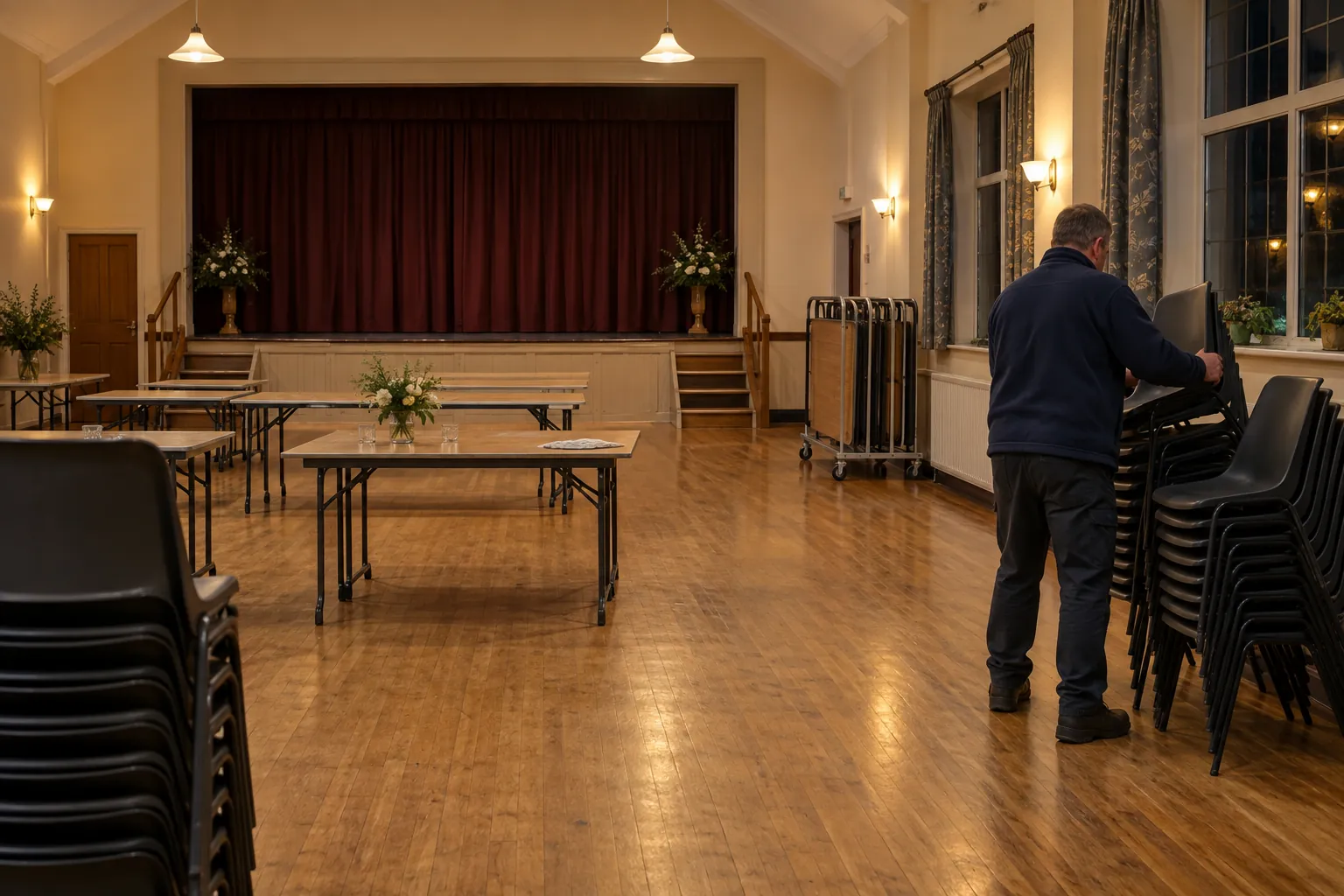
This guide covers caretaker duties across community halls, churches, offices and residential blocks as well as schools, the routine checks most caretakers carry out, working alone safely, and how the work can be recorded.
01
What a caretaker is, and the duties behind the job
A caretaker is the person who looks after a building and its grounds on behalf of whoever owns or runs it. The job title varies: caretaker, site assistant, premises officer, estate caretaker in housing, janitor in some Scottish schools and older job descriptions. In a school the role often grows into a school site manager post; this guide is about the caretaker's work in every kind of building, including community centres, village and church halls, offices and blocks of flats.
Most of the legal duties a caretaker carries out belong to the employer, or to whoever controls the premises, not to the caretaker personally. The caretaker is how those duties get done in practice. The main ones in Great Britain are:
- the Health and Safety at Work etc. Act 1974, and the health and safety regulations made under it, which require employers to protect employees and anyone else affected by their work, including visitors and hall users;
- the Workplace (Health, Safety and Welfare) Regulations 1992, covering maintenance, cleanliness, lighting, floors, traffic routes and toilets in workplaces;
- fire safety law: the Regulatory Reform (Fire Safety) Order 2005 in England and Wales and the Fire (Scotland) Act 2005, which require the responsible person, or in Scotland the employer or whoever has control of the premises, to assess fire risk and keep fire precautions, escape routes and equipment maintained;
- the Control of Substances Hazardous to Health Regulations 2002 (COSHH), for the cleaning products a caretaker uses, and the Work at Height Regulations 2005 and Manual Handling Operations Regulations 1992, for ladders, lifting and moving furniture.
Across the UK, caretakers work for many kinds of employer: a local authority, a school or academy trust, a housing association, a charity's trustees, a parish or church council, a managing agent or a facilities contractor. Whatever the organisation, the employer should give the caretaker a written job description, training for the tasks it includes, and a clear line for reporting problems.
02
Caretaker duties and responsibilities in practice
A caretaker job description usually includes most of these:
- Opening and locking up: unlocking at the start of the day or before a booking, setting and unsetting the alarm, checking windows and doors at close, and holding keys securely.
- Routine safety checks: escape routes clear, fire doors closing properly, fire alarm tests and emergency lighting checks where the caretaker has been asked to do them, and anything unsafe taken out of use.
- Cleaning: some caretakers are the building's cleaner; others clean between cleaners' visits, deal with spills, empty bins, check and restock the toilets, and keep entrances and paths clear.
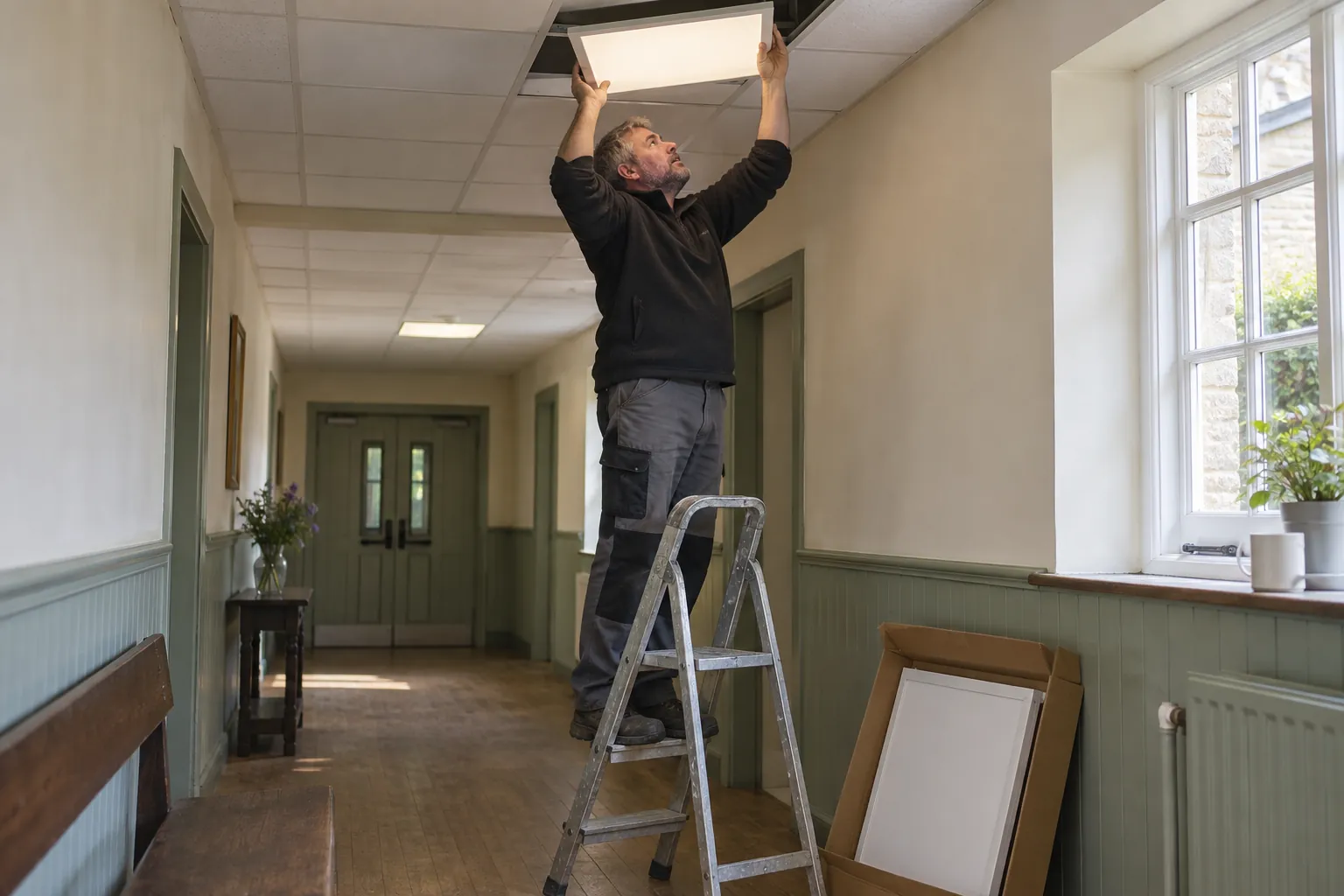
- Minor repairs and general maintenance: changing a bulb, tightening a loose handle, clearing a blocked sink, touching up paint, adjusting a door closer, and reporting anything bigger to the right contractor.
- Grounds: litter picking, sweeping, gritting paths in icy weather, and in some buildings looking after the garden.
- Security and maintenance: watching for damage, graffiti or signs of intrusion, checking the building is secure, and in some posts security monitoring of CCTV or responding to the intruder alarm as a keyholder.
- Setting up rooms: tables and chairs for meetings, events and hall bookings, and putting them away again.
- Contractors and deliveries: letting contractors in, showing them the asbestos information and where they are working, and taking in deliveries.
- Waste: putting bins out on the right day, keeping bin stores tidy, and arranging removal of bulky items.
What a caretaker should not do matters as much. Work on the electrics beyond changing a bulb or a plug fuse, gas work, work on water systems and anything at height without the right equipment and training belongs to a competent contractor. A good job description says so.
03
How the job differs from building to building
The core of caretaking is the same everywhere, but each kind of building adds its own work.
- Community centres, village halls and church halls: the caretaker's day follows the bookings. They open for each hirer, check the hall is safe and clean before and after, deal with lost property and kitchen hygiene, and lock up after an evening event. Many are part-time or paid by the hour, and some are volunteers. The trustees or council that runs the hall remain responsible for its safety.
- Churches: work often includes the church itself, a hall and a churchyard, with heating, lighting and access arranged around services, weddings and funerals. In some churches a verger or churchwarden shares these tasks.
- Offices: the caretaker, sometimes called a facilities assistant or porter, opens the building, sets up meeting rooms, moves furniture, handles post and deliveries, and is the first person staff tell when something breaks.
- Residential blocks: an estate caretaker for a council, housing association or managing agent looks after the common areas of blocks of flats: cleaning stairs and landings, removing dumped rubbish, checking lights and entry doors, keeping escape routes clear and reporting repairs. In England, blocks over 11 metres high have specific fire door checks under the Fire Safety (England) Regulations 2022, which caretakers often carry out.
- Schools: the school caretaker opens early and closes late, works around the school day and lettings, and is subject to the school's safeguarding rules. In a larger school the caretaker may lead a caretaking team and work alongside the school cleaners.
Shift patterns reflect this. Split shifts, with an early start and an evening return, are common in schools and halls. Some caretakers live on site. Most jobs include some evening or weekend work and a share of emergency call-outs.
04
The routine checks, and working alone safely
Much of a caretaker's value is in checks that nobody notices when they are done. The frequency is set by the building's risk assessments and the relevant guidance, but a typical pattern is:
- Every opening: escape routes and fire exits clear and unlocked, the building secure overnight, toilets clean and stocked, no obvious hazards such as wet floors or trailing leads.
- Weekly: a fire alarm test from a different call point, where the building has an alarm system; flushing of little-used taps and showers to control Legionella, where the water risk assessment asks for it; a walk round the outside for damage and rubbish.
- Monthly: a brief test of the emergency lighting, a visual check of fire extinguishers, and water temperature checks where they have been assigned to the caretaker.
- After every event or letting: the hall, kitchen and toilets left clean and safe, equipment put away, and the building locked.
Caretakers often work alone, early in the morning or late at night. Working alone is not unlawful, but the employer must assess the risks and put controls in place. The Health and Safety Executive's guidance, Protecting lone workers: how to manage the risks of working alone, covers what to consider: whether a task is safe to do alone at all, how the lone worker keeps in touch, what happens if they do not check in, and first aid arrangements. A caretaker should know which jobs, such as work at height or handling heavy items, wait until someone else is there.
05
Skills, entry requirements and a good record
There is usually no formal qualification needed for a caretaker position in the UK. Some employers ask for GCSEs in English and maths, and most value practical experience in building maintenance, cleaning or property maintenance, or relevant skills from a trade. In England, the Level 2 intermediate apprenticeships for property maintenance operatives and facilities services operatives cover much of the work, and vocational courses in building maintenance are another route in. For career development, many caretakers move on to site manager, premises officer or maintenance and security supervisor roles. Useful training includes basic health and safety, COSHH, manual handling, safe use of ladders, first aid and fire safety awareness. Caretakers in schools, and in buildings used by children or vulnerable adults, are usually asked for a DBS check in England and Wales, PVG membership through Disclosure Scotland in Scotland, or an AccessNI check in Northern Ireland.
The personal qualities matter as much: reliability, being approachable, the ability to organise your own day, time management, communication skills with hall users, residents and staff, and good customer service skills when someone arrives with a problem. Pay varies by employer, hours and region, so rather than rely on an average salary figure, look at current job vacancies and local authority job boards. A CV for a caretaker vacancy should show the repairs and maintenance tasks you can do safely, and any experience of working in a school or with the public.
A good caretaking record shows three things: that the routine checks were done, when and by whom; what was found and reported; and what happened to each report. A caretaker who keeps that record is protected when something goes wrong, and the employer can show a visitor, an insurer or an inspector that the building was looked after.
06
Where the record fails, and what SiteClara does about it
Caretakers are often the most reliable people in a building and the worst recorded. The checks happen, but they are ticked on a sheet in the cleaner's cupboard, written in a fire log book in a drawer, or not written down at all. A repair reported to whoever was in the office may never reach the person who can fix it. When the trustees, the housing officer or the head asks whether the building was checked, the caretaker's word is all there is.
SiteClara gives each check a place. A printed QR poster at each location, such as the main entrance, the hall kitchen, the toilets, a fire exit or the bin store, with an optional NFC tag behind it, lets the caretaker scan the code or tap the tag on their own phone, with no app to install. They see the checks due there and mark each one done, or explain what stopped them, with a photo when it helps. A problem reported there goes onto the team's list of jobs until someone closes it.
The supervisor, or whoever manages the caretaker, sees what is due, done and missed, and can escalate a job to the building manager, who can answer it. Each day the supervisor approves a short report, which goes to nominated contacts, such as the hall's trustees, the housing manager or the client, at 8am the next morning, showing what was reported, what was completed, what is still open and how the scheduled checks went. It is priced per building, with no per-person fees.
07
Questions people ask
What is the role of a caretaker?
A caretaker's role is to look after a building, such as a school, community centre or block of flats, and keep it secure, clean and well maintained, as the National Careers Service caretaker profile describes it. Day to day that can mean opening up and locking up, maintenance checks and minor repairs, booking outside contractors for major repairs, making sure heating, lighting and alarm systems work, preparing rooms for meetings and bookings, and supervising other cleaning staff.
What are the qualities of a good caretaker?
A good caretaker is practical, thorough and good with people: the National Careers Service lists the ability to use your initiative, customer service skills, knowledge of public safety and security, attention to detail, the ability to work well with your hands and excellent verbal communication skills. It also says caretakers need to pass enhanced background checks, and that some jobs need a driving licence.
08
Further reading, and a list to take away
The Health and Safety Executive publishes guidance on lone working, COSHH, work at height, manual handling and the control of Legionella. The Home Office and the Scottish Government publish fire safety guidance for the people responsible for non-domestic premises and blocks of flats. The National Careers Service describes the caretaker's role and the routes into it. For village and community halls in England, ACRE and its network of county members advise the committees that run them.
If you are writing a caretaker job description, or starting as a caretaker, check that you know:
- who your employer is, and who you report problems to;
- which buildings and grounds you look after, and your hours, including evenings and call-outs;
- which routine checks are yours, how often, and where each is recorded;
- which repairs you may do yourself, and which go to a contractor;
- where the asbestos information, fire risk assessment and emergency contacts are kept;
- the lone working arrangements, and which tasks wait until someone else is present;
- how you show, at the end of the day, what you did and what is still outstanding.
Sources
Every document this guide quotes or links to, in the order it first cites them.
- Health and Safety at Work etc. Act 1974 legislation.gov.uk
- Regulatory Reform (Fire Safety) Order 2005 legislation.gov.uk
- Fire (Scotland) Act 2005 legislation.gov.uk
- Protecting lone workers: how to manage the risks of working alone hse.gov.uk
- National Careers Service caretaker profile nationalcareers.service.gov.uk
- ACRE acre.org.uk
Related guides
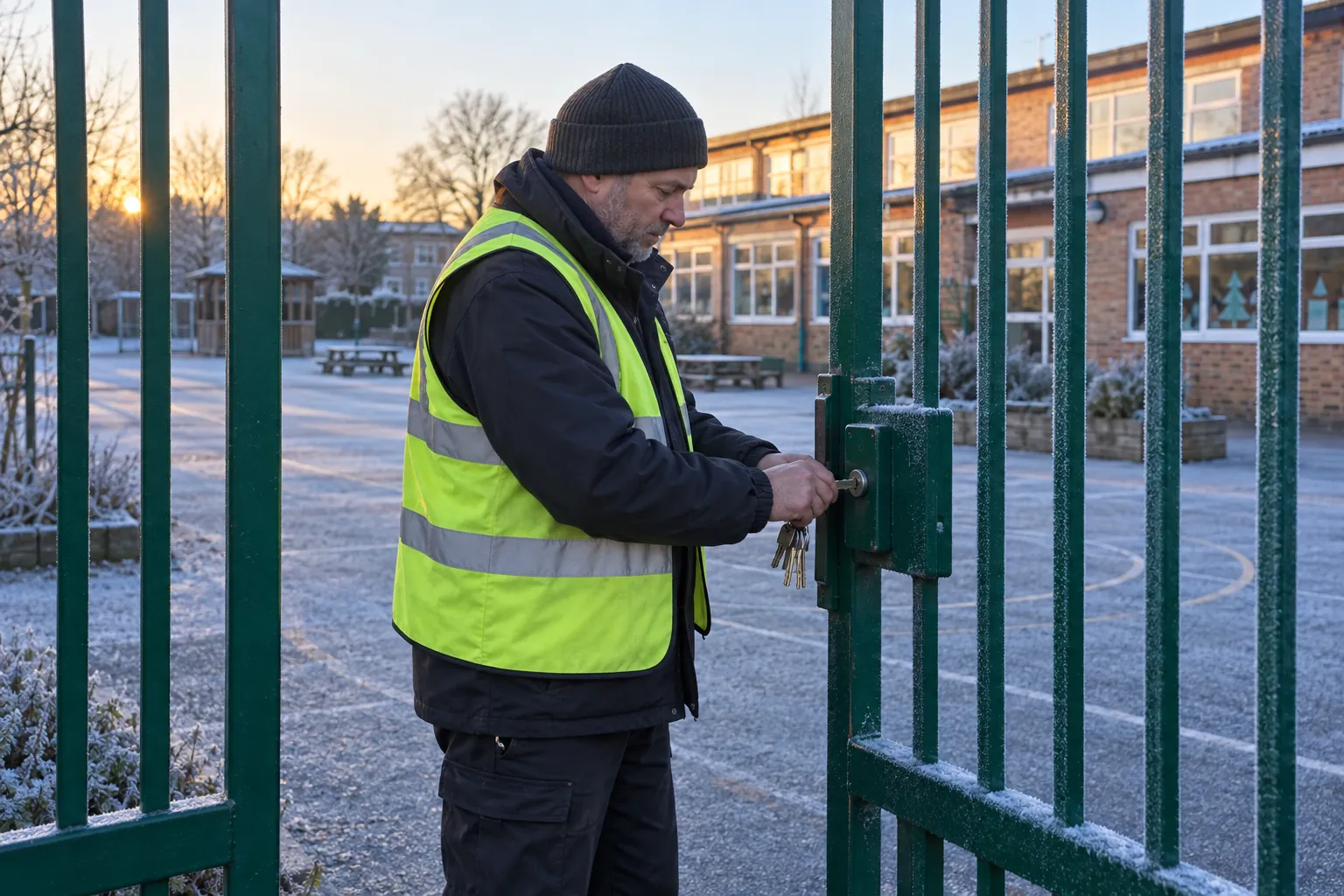 Premises and facilities managementSchool site manager duties: the role, the routine checks and the recordWhat a school site manager does: security, health and safety checks, repairs, cleaning and contractors, how often checks are due, and how to record them.
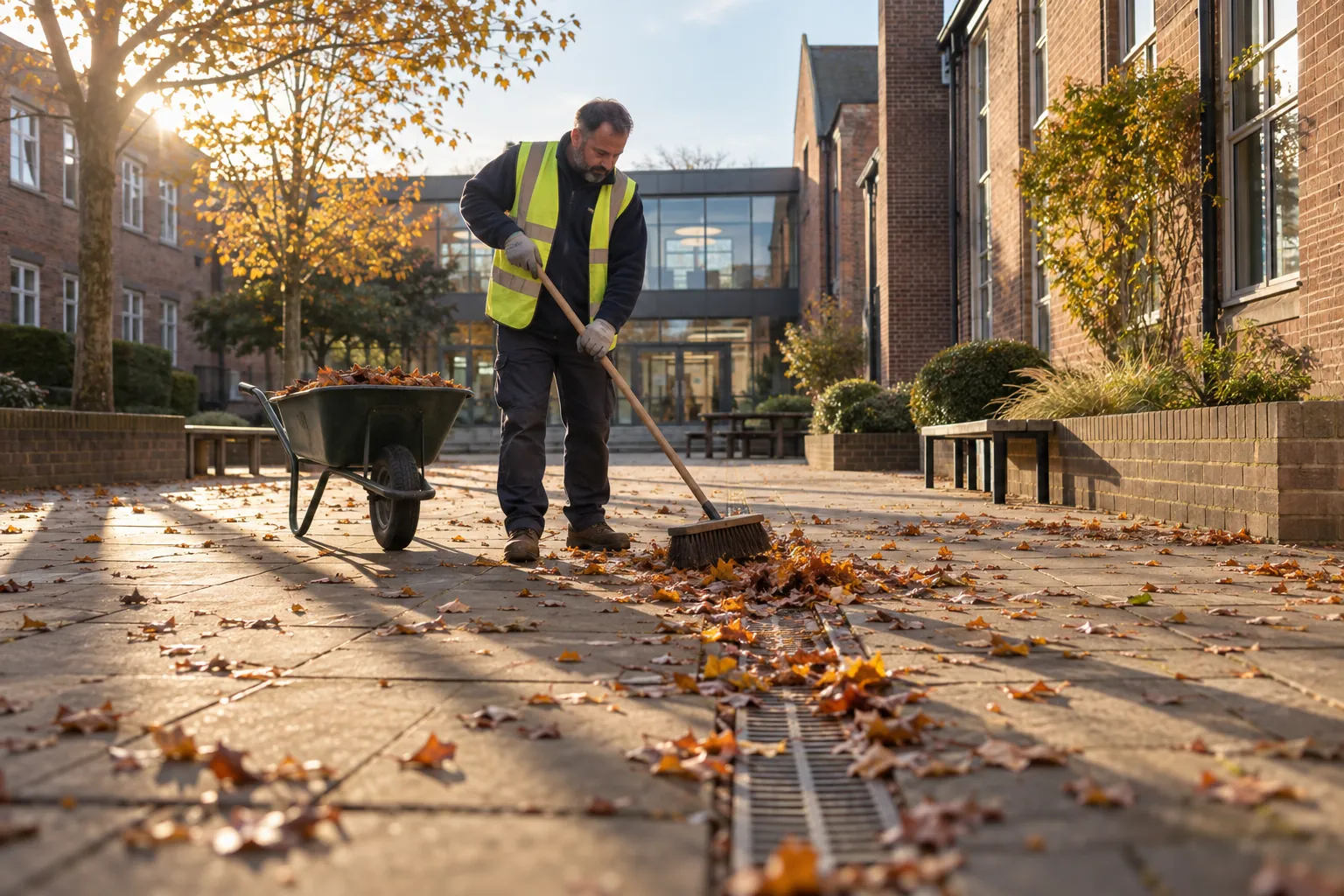 Premises and facilities managementBuilding maintenance checklist: what to check, how often, and who byA building maintenance checklist for UK non-domestic buildings: daily to annual tasks for fabric, services, safety systems and grounds, and who does each.
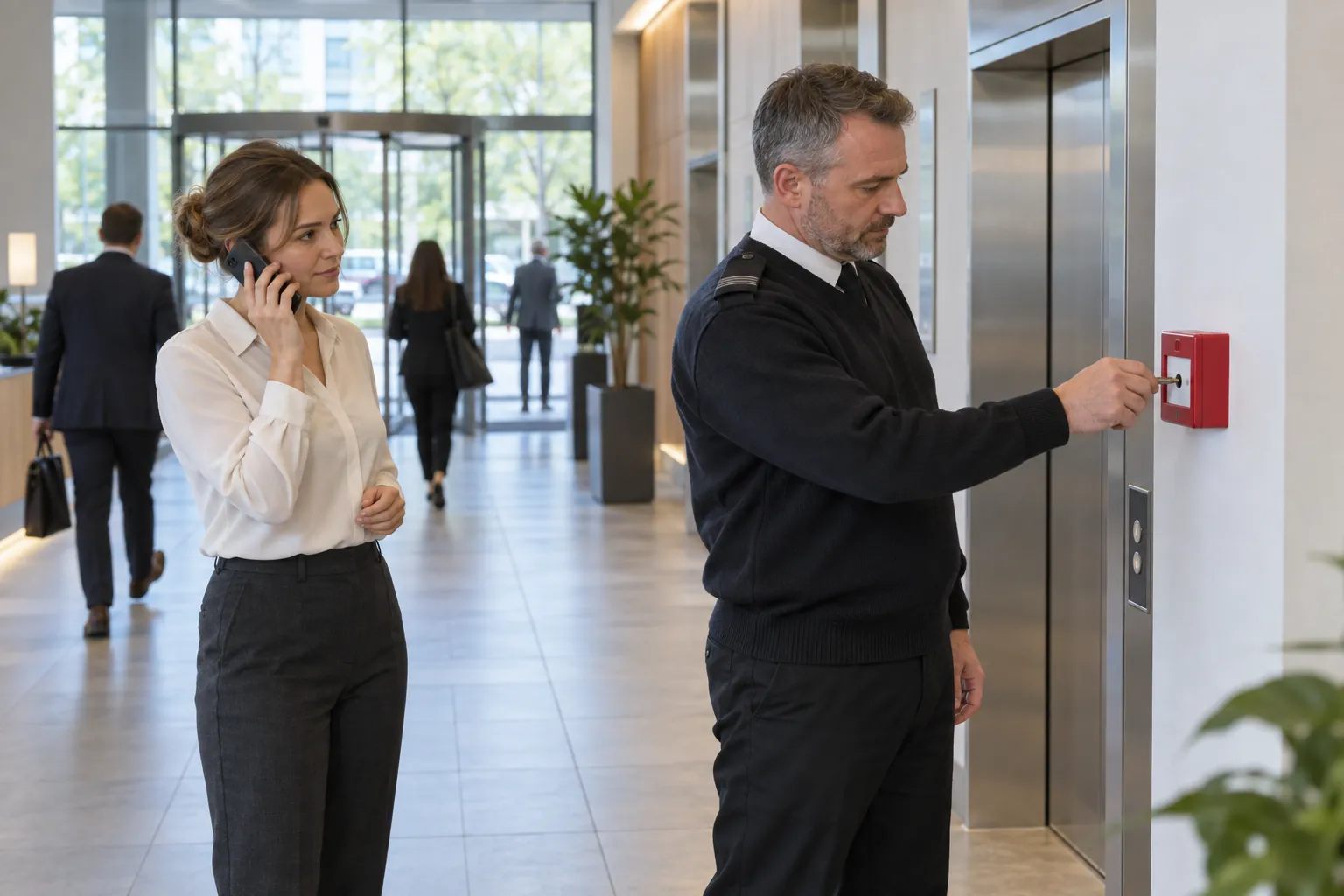 Fire and water checksWeekly fire alarm test: how to do it, and what to recordWeekly fire alarm test: how to carry out the test BS 5839-1 recommends, rotating call points, what to record, and what only a competent person can do.
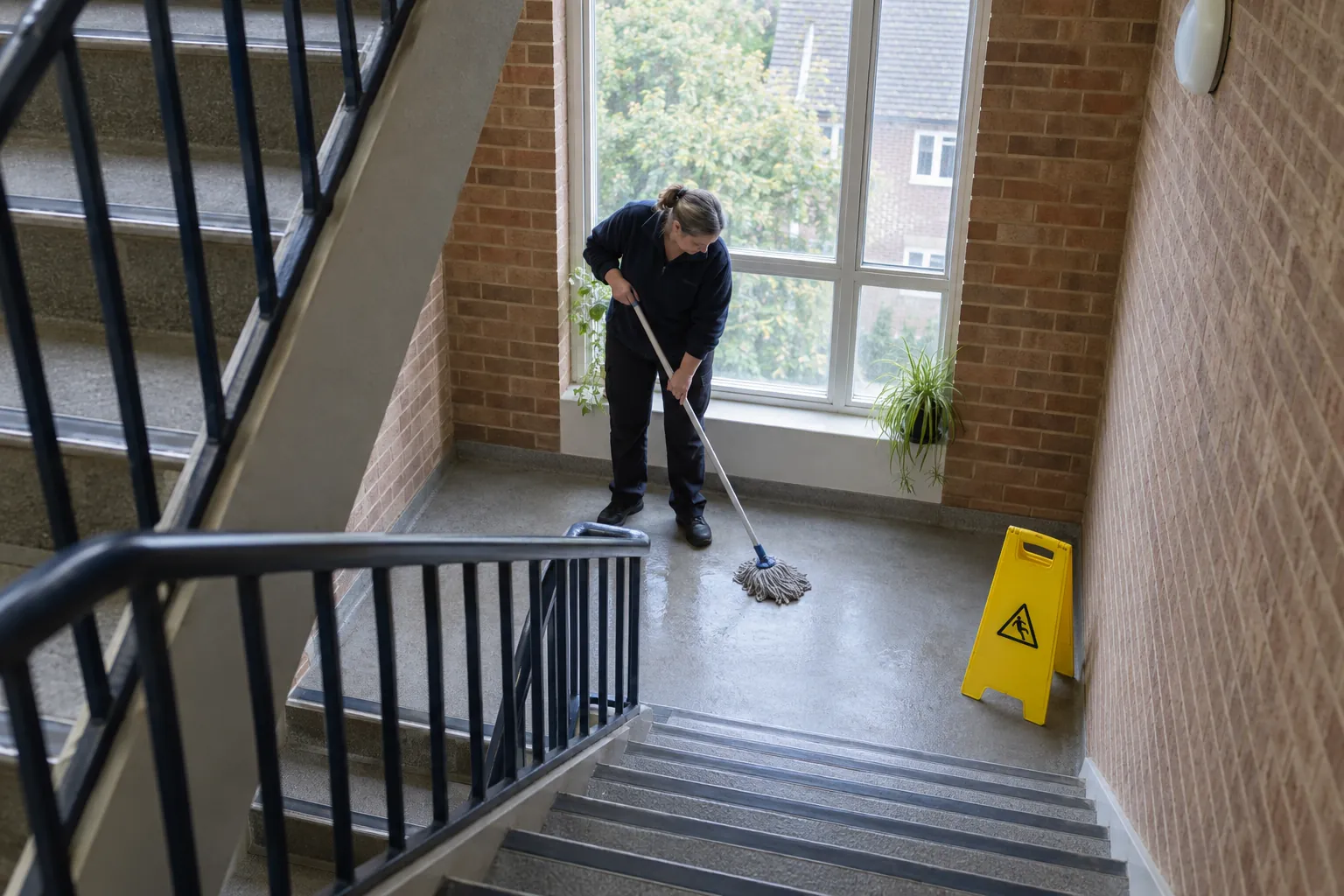 CleaningCommunal area cleaning: what it covers, how often, and how to show it was doneWhat communal area cleaning should cover in blocks of flats and shared buildings, how often, who pays through the service charge, and how to show it was done.