Guides · South Africa · 17 guides
Guides for security companies in South Africa
A security contract is judged on the record: the patrol was walked, the incident was reported, the client was told. These guides cover patrols, reports and officer duties, and the licensing rules set by PSIRA, written for security companies and the people who supervise their officers.
Other countries: United Kingdom · United States · Canada · Australia · New Zealand
Security patrols 13 guides
 Security patrolsChecking PSIRA registration: how to verify a security company and its officersHow a client checks PSIRA registration: the security company, every officer on site, the letter of good standing, and why section 38(3)(g) makes it the client's job.
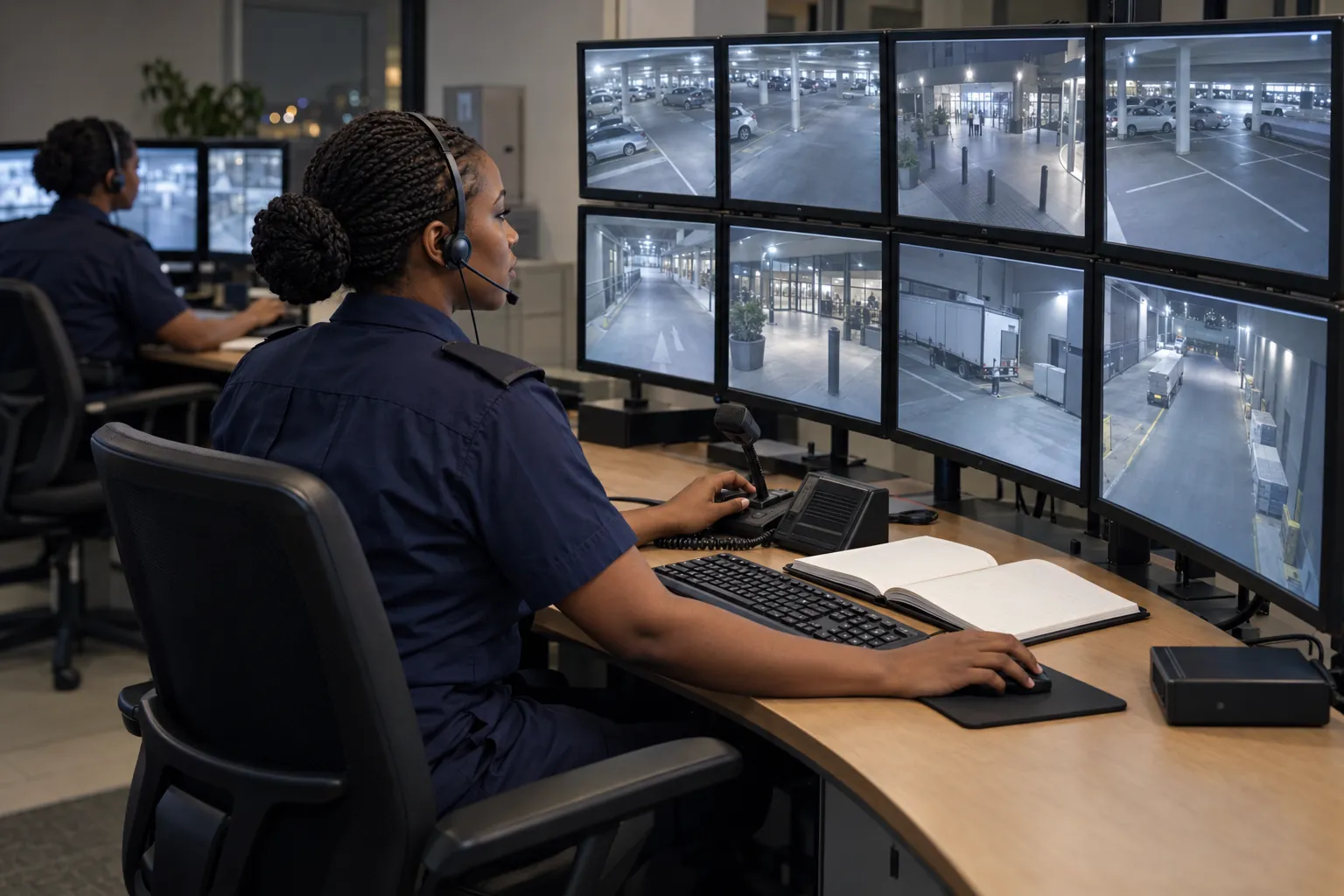 Security patrolsControl room operator duties: what the job involves, and what the law expectsWhat a security control room operator does in South Africa: PSIRA registration, alarms and dispatch, the log, CCTV under POPIA and the records behind them.
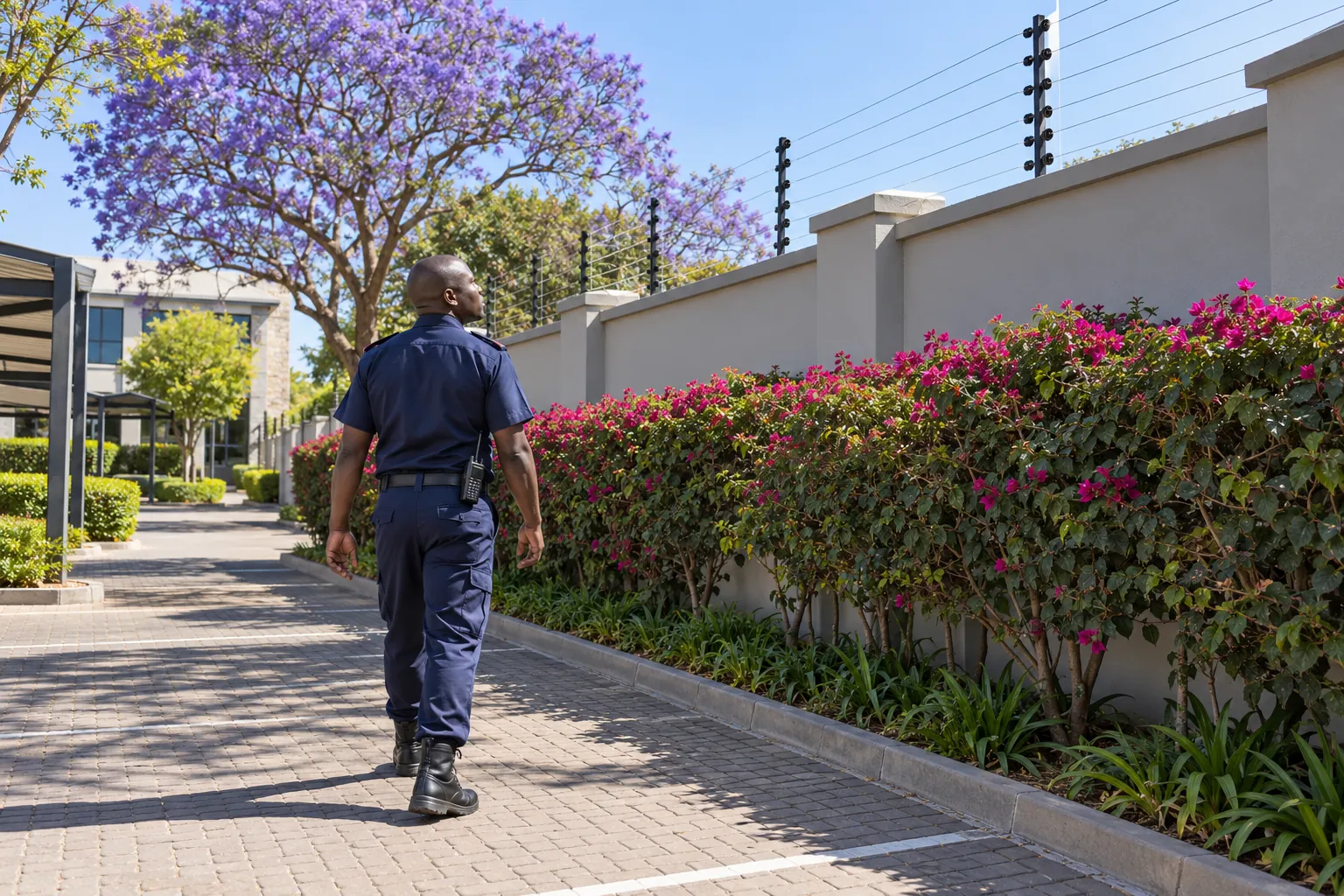 Security patrolsElectric fence COC: what the law requires, and the daily fence and energiser checks on siteThe electric fence COC under the Electrical Machinery Regulations, 2011: who issues it, when a new one is needed, and the daily fence checks a guard can make.
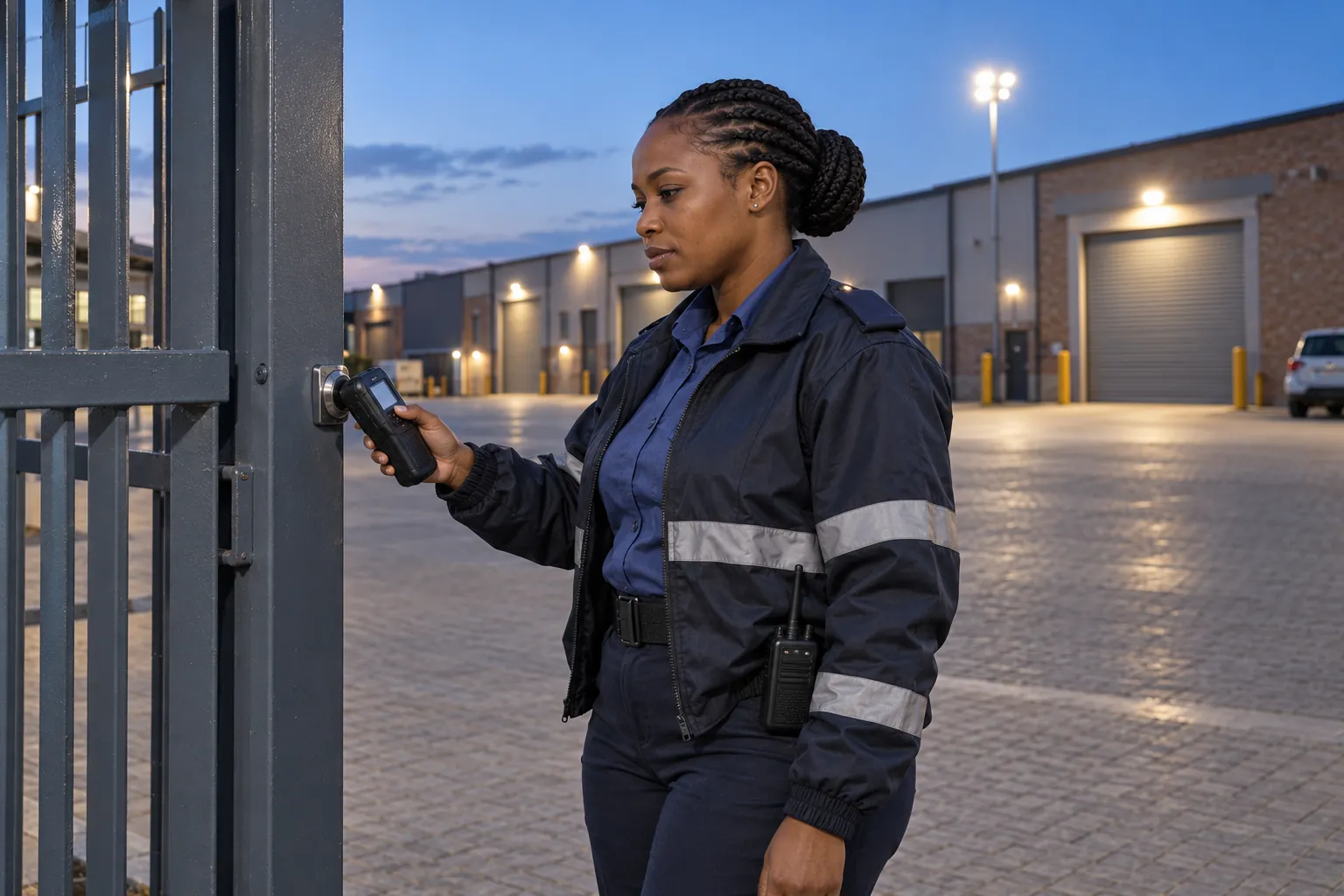 Security patrolsGuard patrol systems: how they work, what they prove, and how to choose oneHow a guard patrol system records security patrols in South Africa: wands, RFID, NFC, QR and GPS, what PSIRA and POPIA mean for the data, and what to ask.
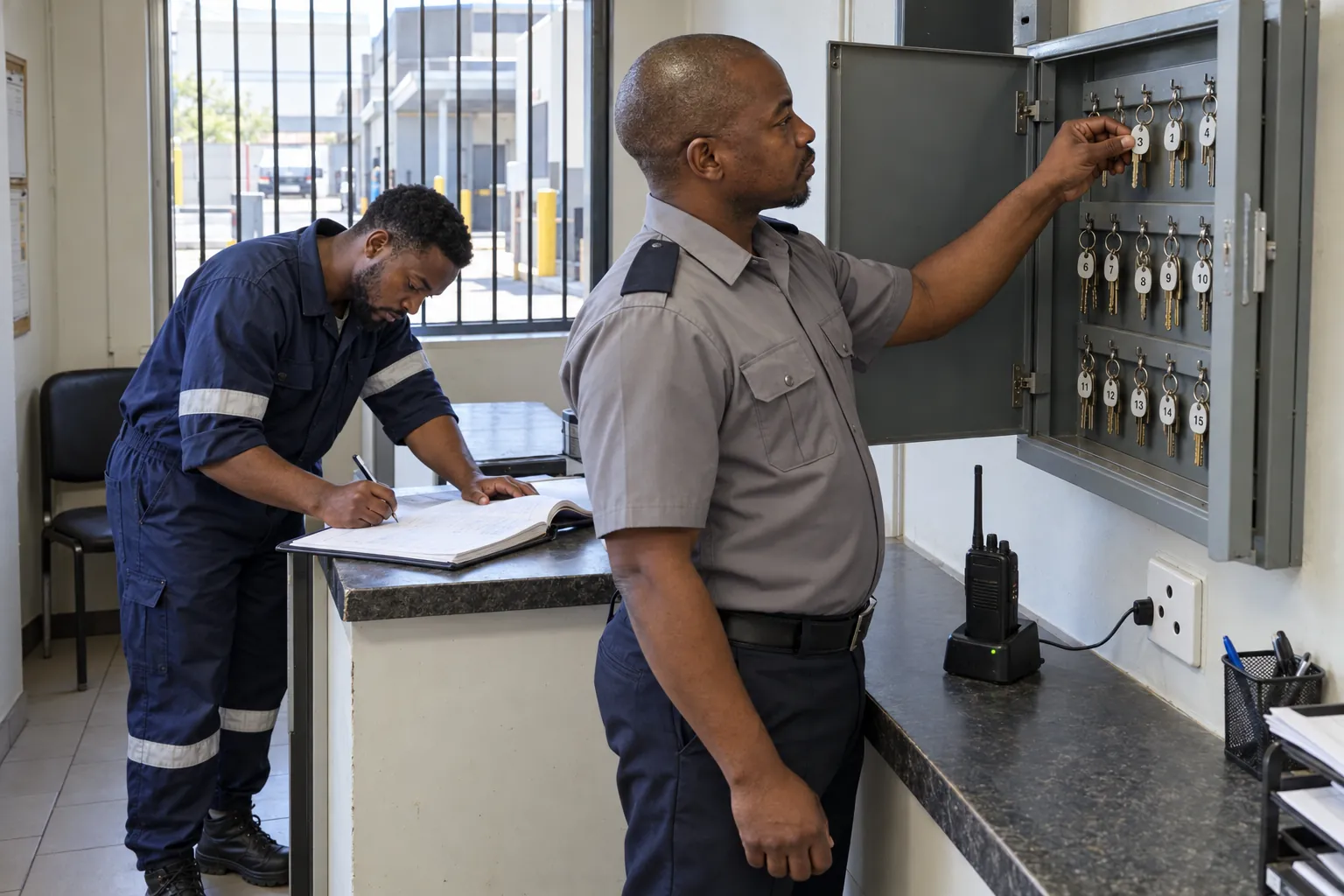 Security patrolsKey register: issuing, returning and accounting for every key on siteWhat a key register should record in South Africa, how to issue and count keys at a post, and what the PSIRA Code and POPIA mean for the keys and the book.
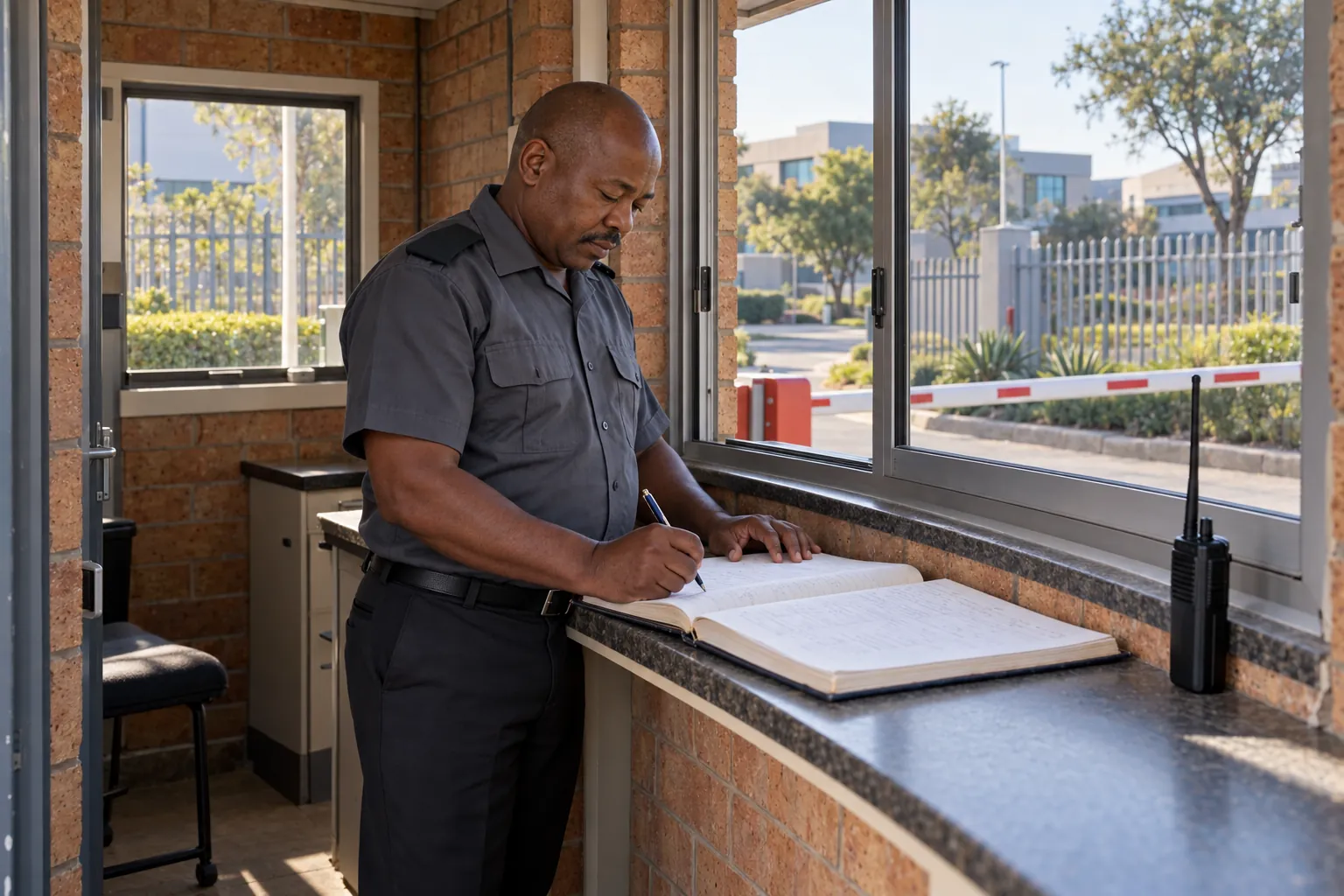 Security patrolsOccurrence book: what goes in the OB, and how to keep one that stands upThe security occurrence book (OB) in South Africa: what to record each shift, how to write entries, what PSIRA and the OHS Act require, and paper or electronic.
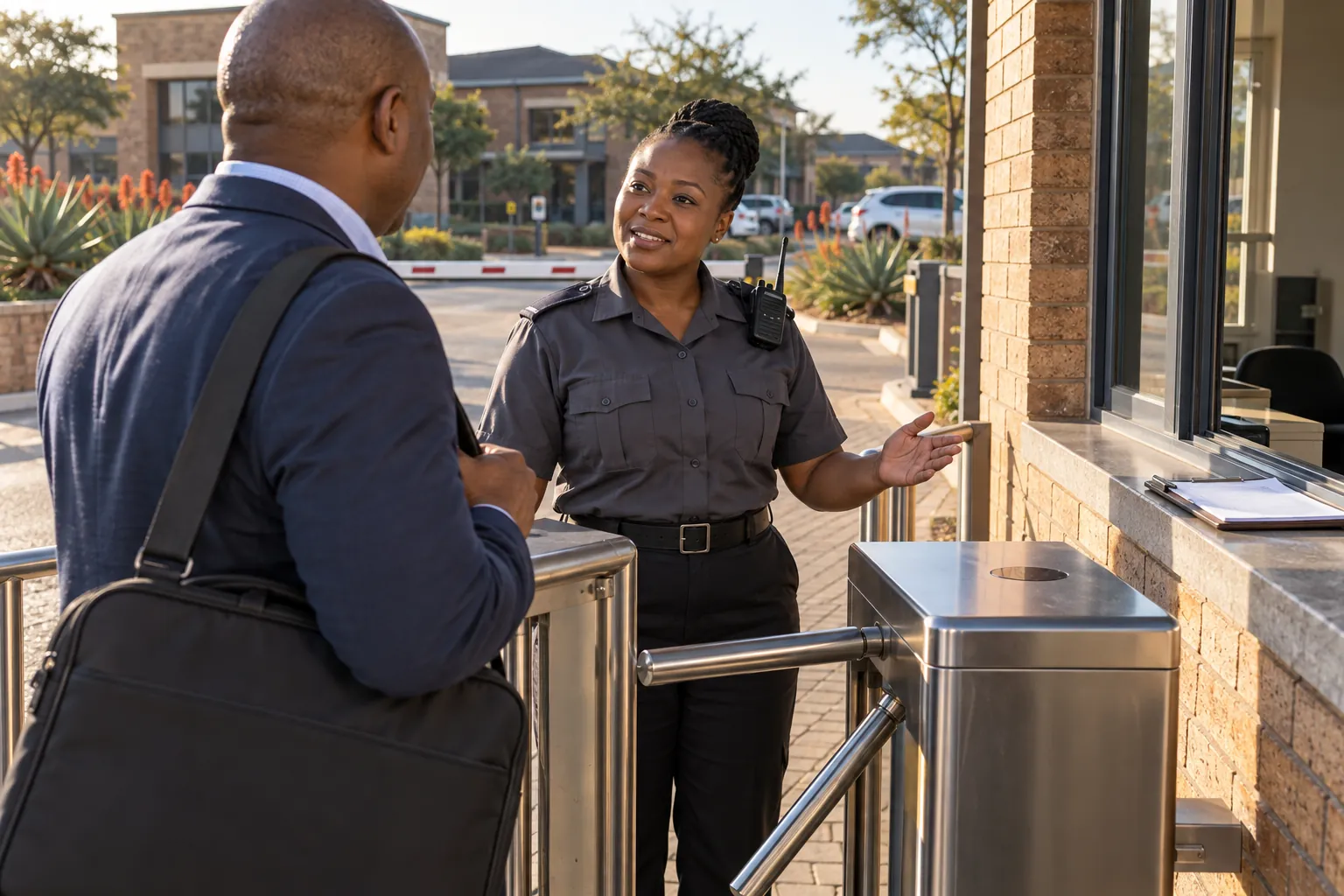 Security patrolsThe PSIRA Code of Conduct: what it requires, and how a client can hold a provider to itThe PSIRA Code of Conduct for Security Service Providers, 2003 for clients and security companies: who it binds, what it requires and how PSIRA enforces it.
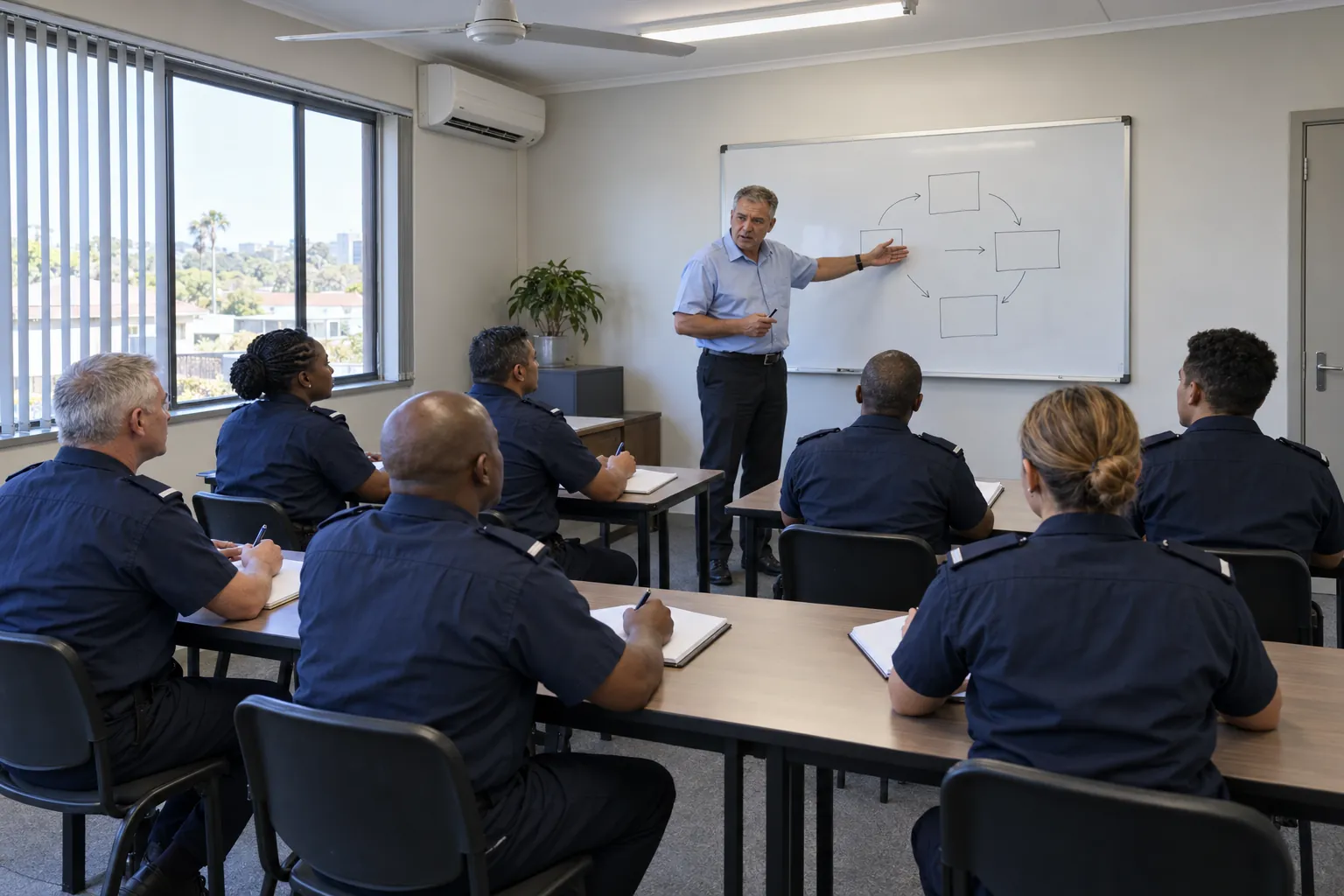 Security patrolsPSIRA grades: what grades E to A mean, and which grade a post needsPSIRA grades E to A explained for clients and security providers: where the grades come from, what each covers, which grade a post needs and how to check it.
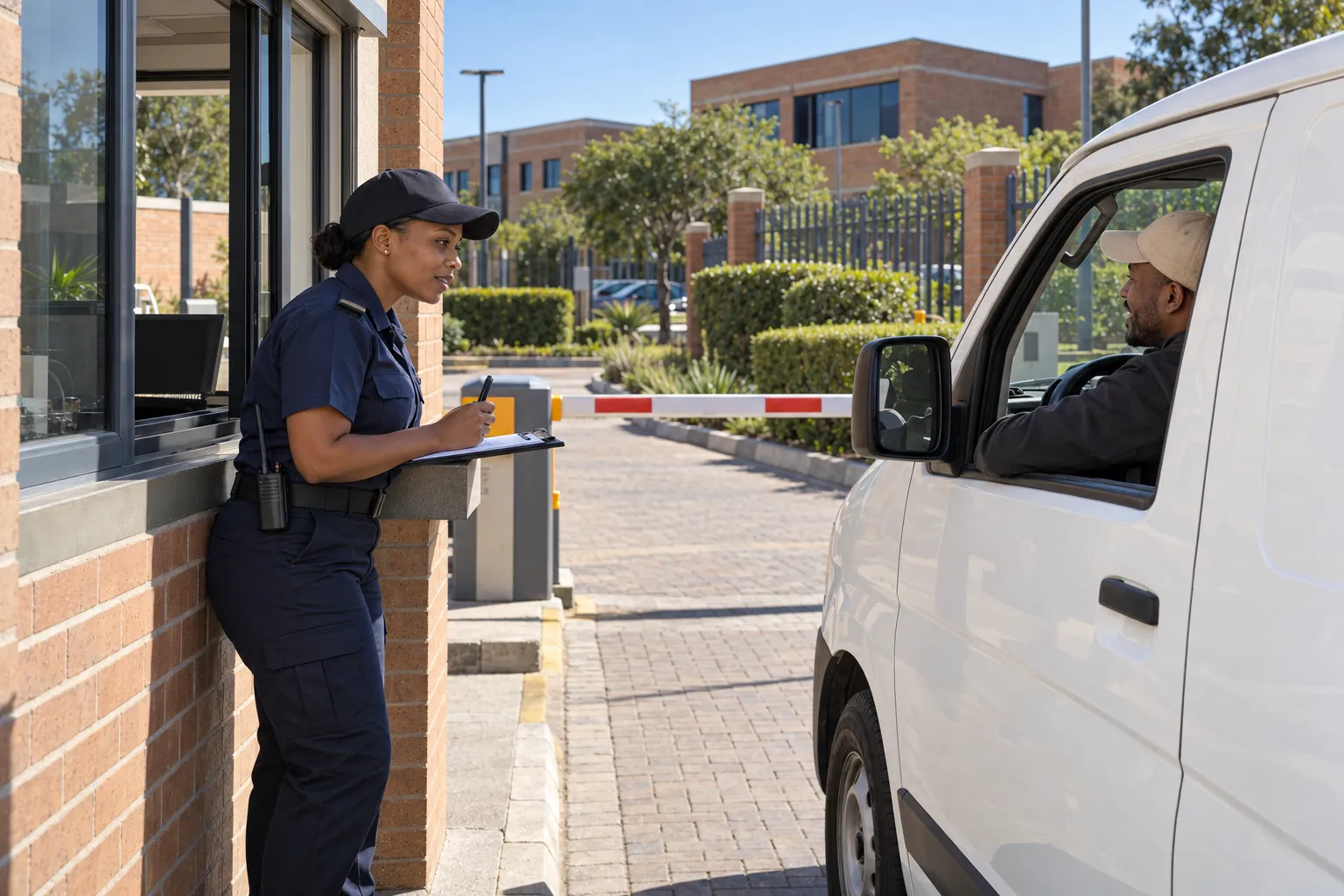 Security patrolsSecurity officer duties and responsibilities: what the post involves, and how it is checkedSecurity officer duties in South Africa: PSIRA registration, patrols, access control, the OB, incidents, what officers may not do, and how duties are checked.
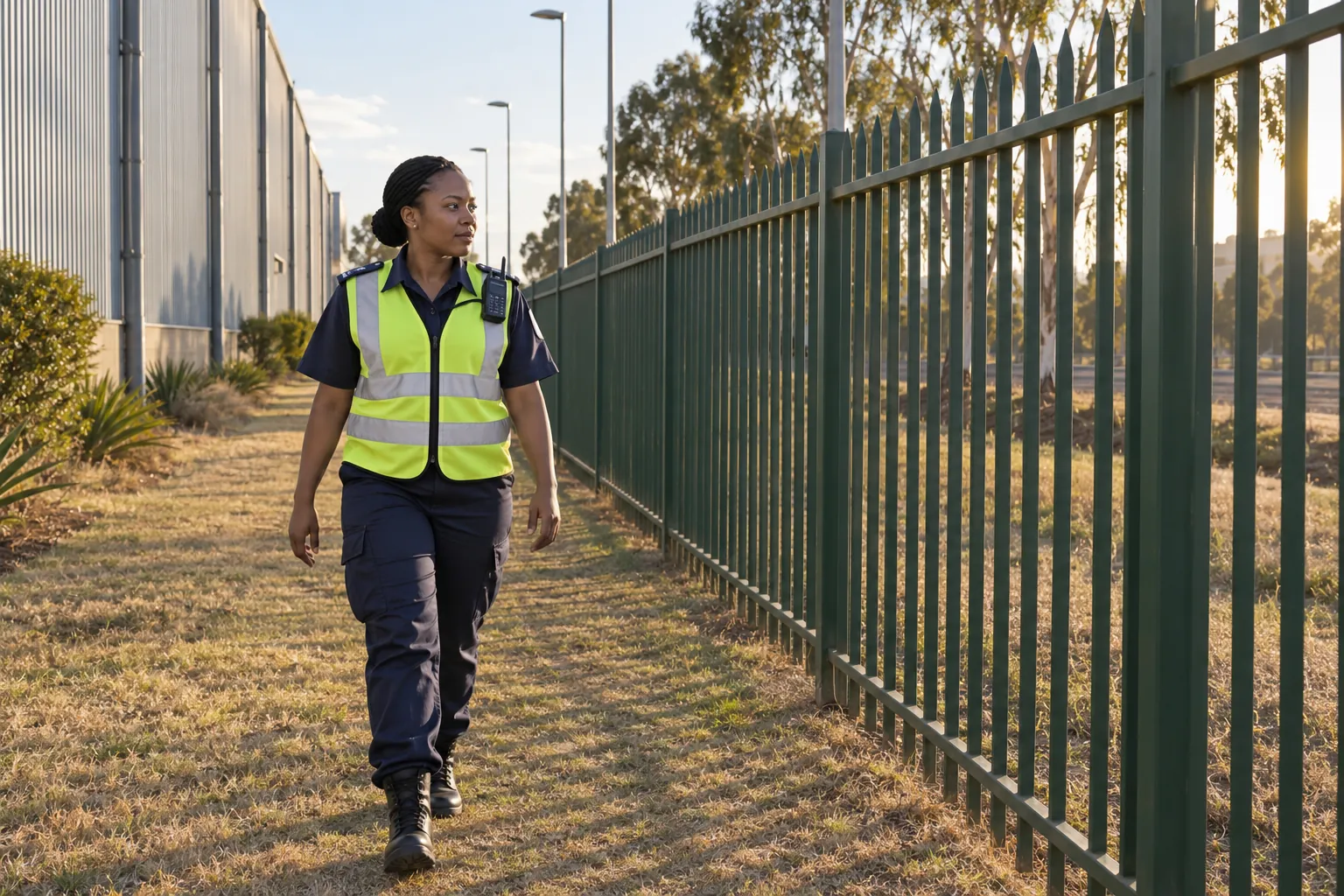 Security patrolsSecurity patrols: how to plan them, walk them and show they happenedSecurity patrols in South Africa: the types, what PSIRA's Code requires, how to plan routes and timing, what officers check, and how to keep the patrol log and OB.
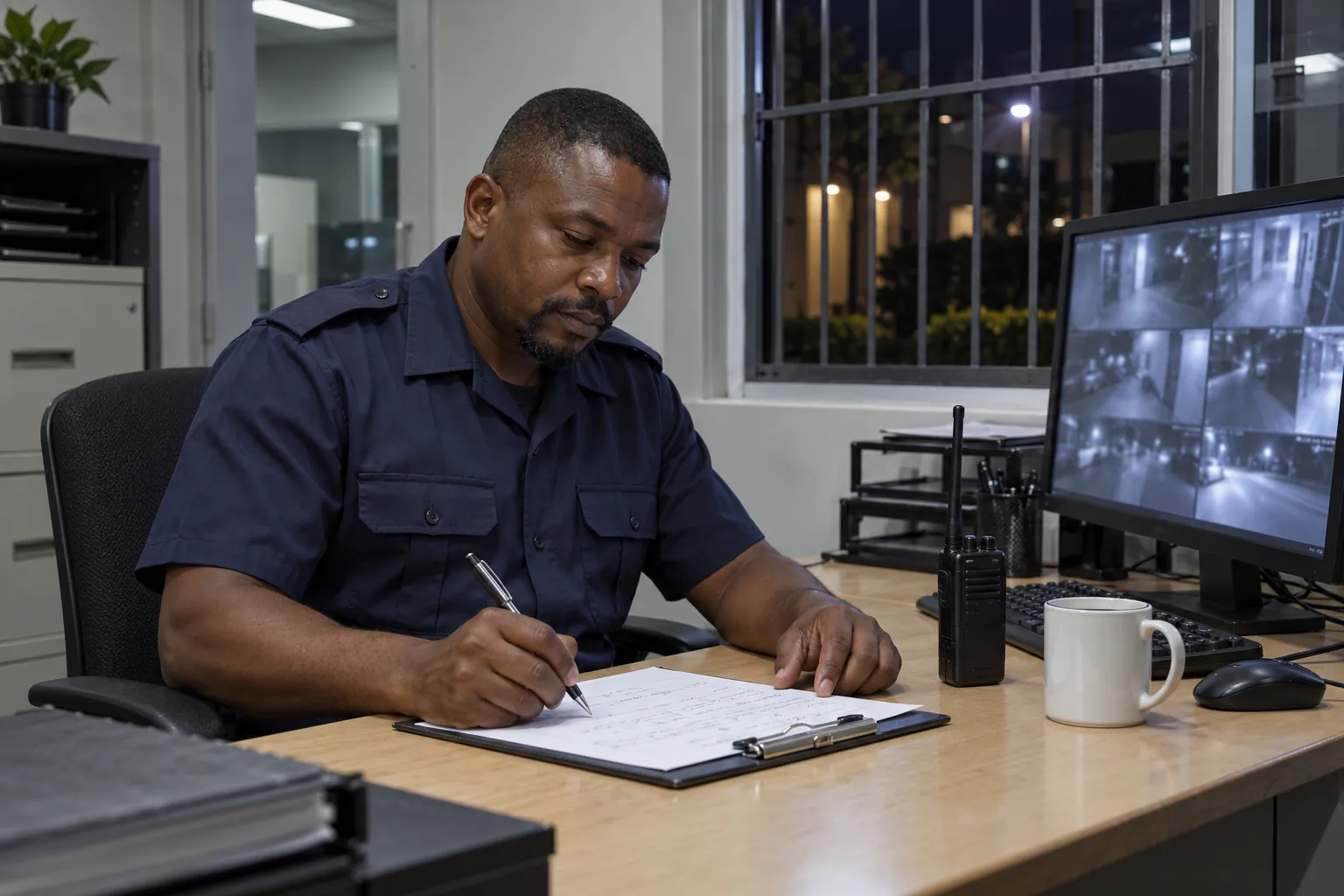 Security patrolsSecurity report writing: what to record, with examples that stand upHow South African security officers write incident, patrol and shift reports: what each must record, worked examples, and what PSIRA's rules expect.
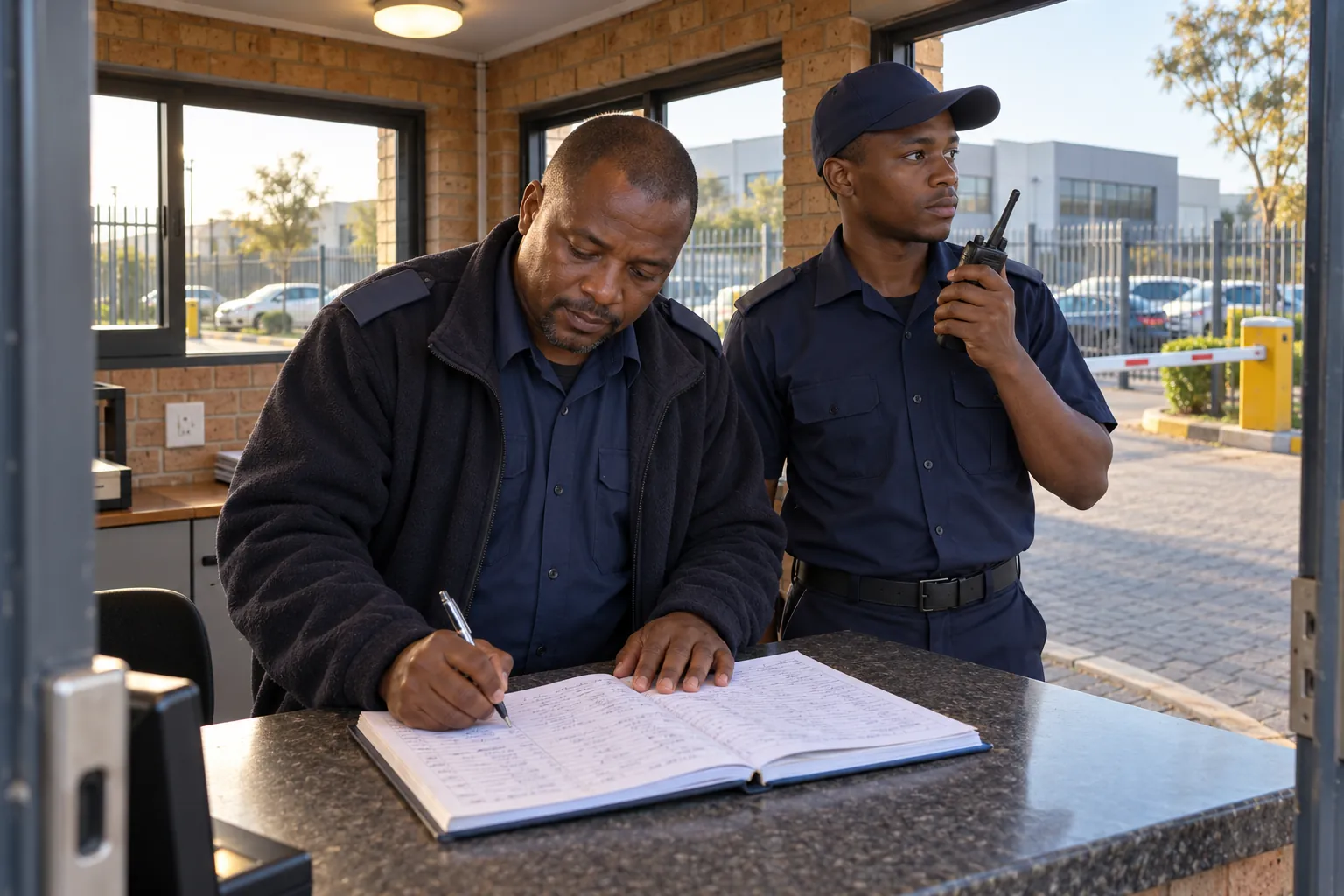 Security patrolsDuties of a security supervisor: what the role involves, and what PSIRA expectsWhat a security supervisor does in South Africa: the PSIRA Code's duty to supervise, grade B, post visits, the OB, incidents, discipline and the records behind them.
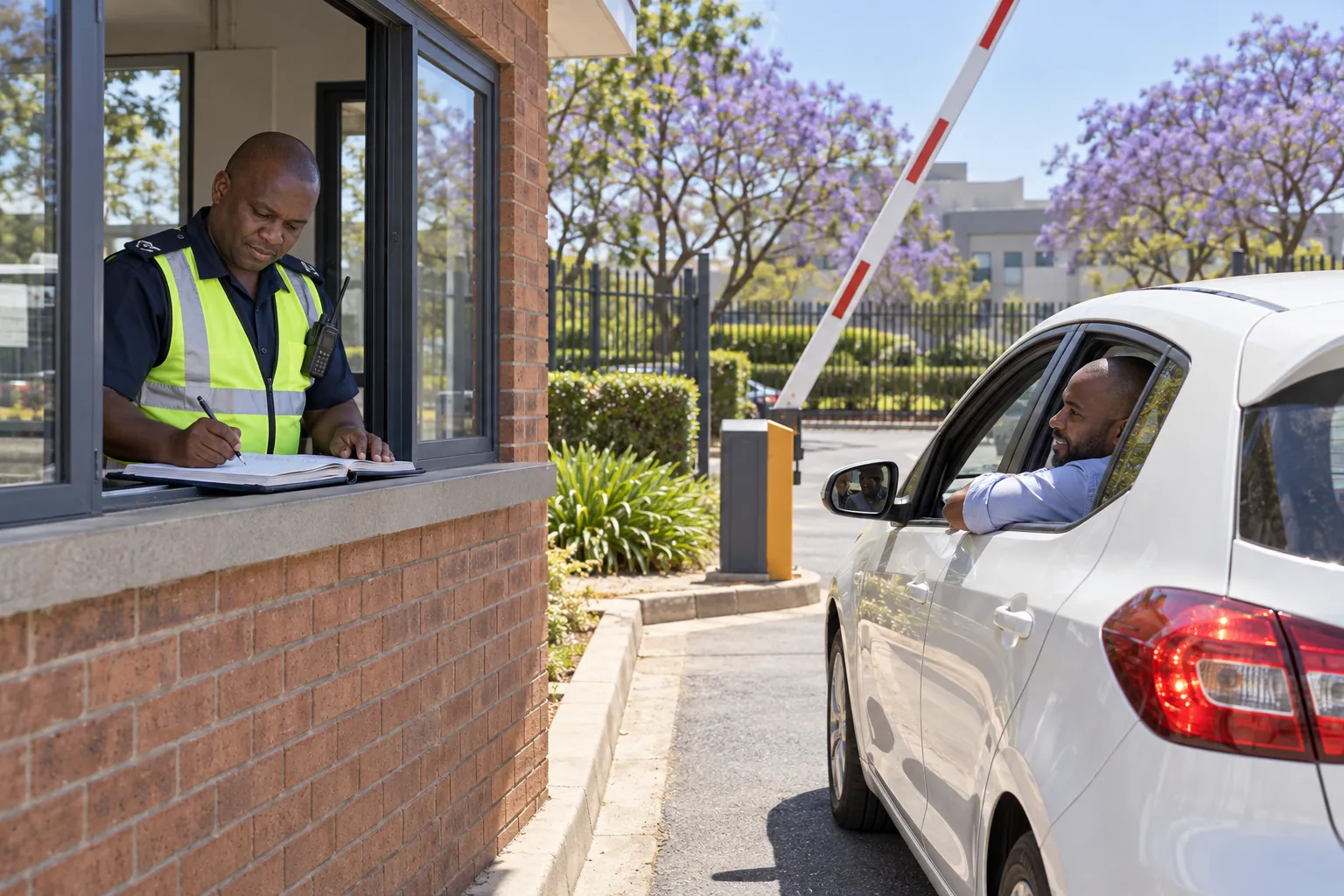 Security patrolsVisitor register: what to record at the gate, and what the law lets you askWhat a visitor register should record in South Africa, what a guard may ask at the gate, and what POPIA says about ID numbers, copies and how long to keep it.
Premises and facilities management 4 guides
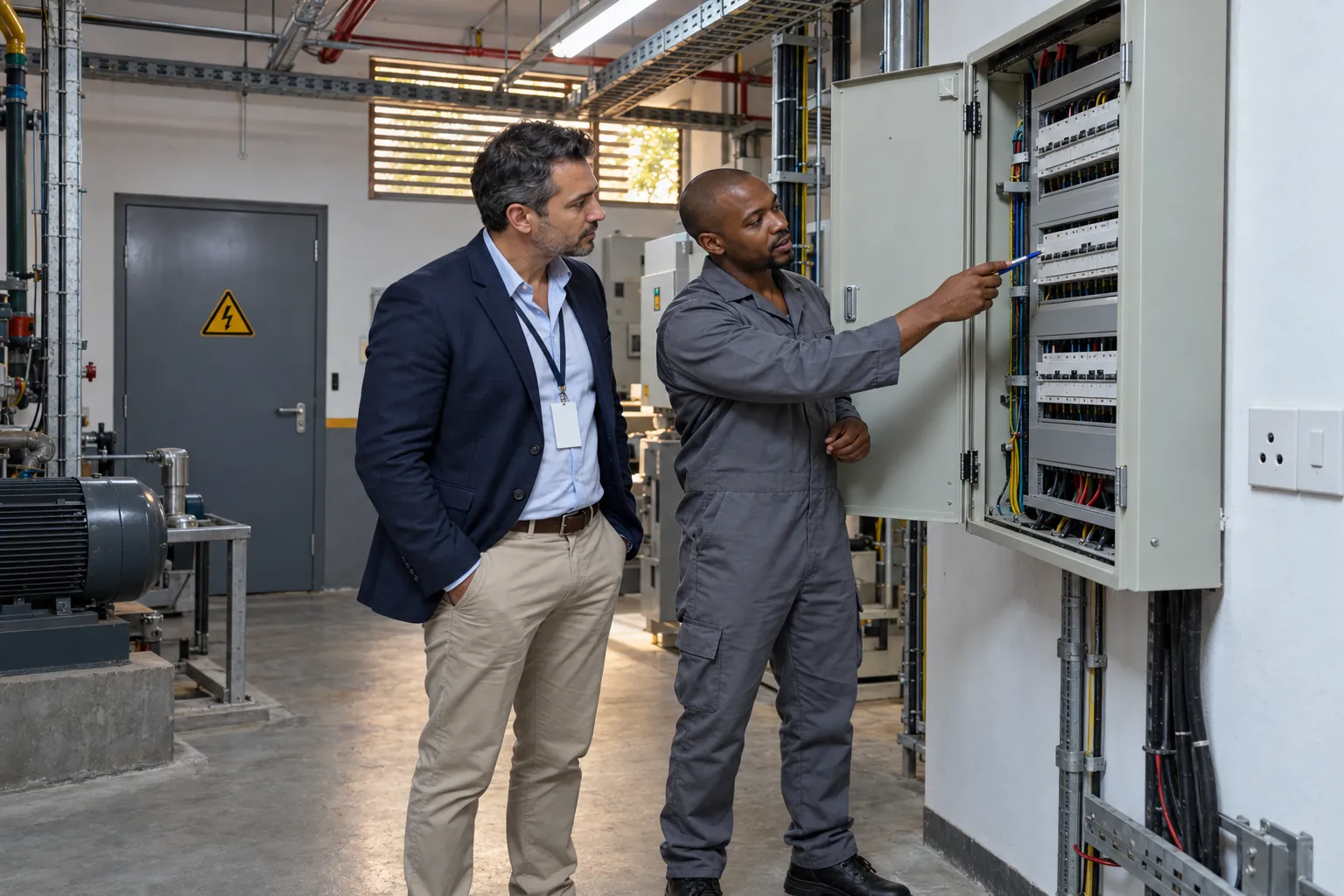 Premises and facilities managementFacilities manager duties: what the job covers under South African law, and how to show it is doneA facilities manager's duties in South Africa: the OHS Act duties they carry, contractors, lifts, electrics, fire and ablutions, and the records that show it.
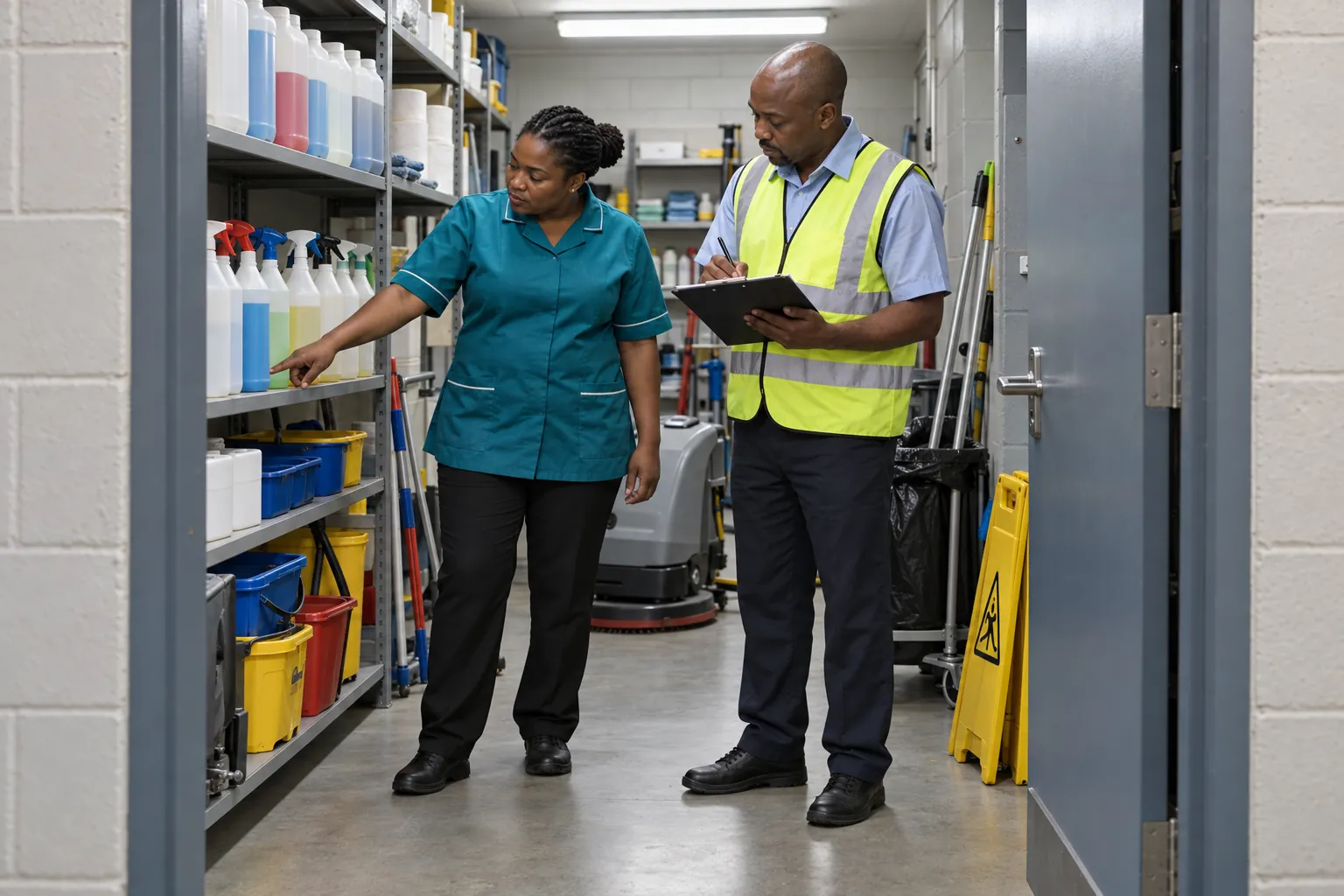 Premises and facilities managementHazard identification and risk assessment: how a HIRA is done, and how it stays trueWhat a HIRA is under the OHS Act and its regulations, how to identify hazards and rate risks, who takes part, when to review it, and how rounds keep it honest.
 Premises and facilities managementSection 37(2) agreement: what the mandatary agreement does, and what it cannot doWhat a section 37(2) mandatary agreement under the OHS Act does and does not do, what goes in one for cleaning and security contracts, and how to show it is kept.
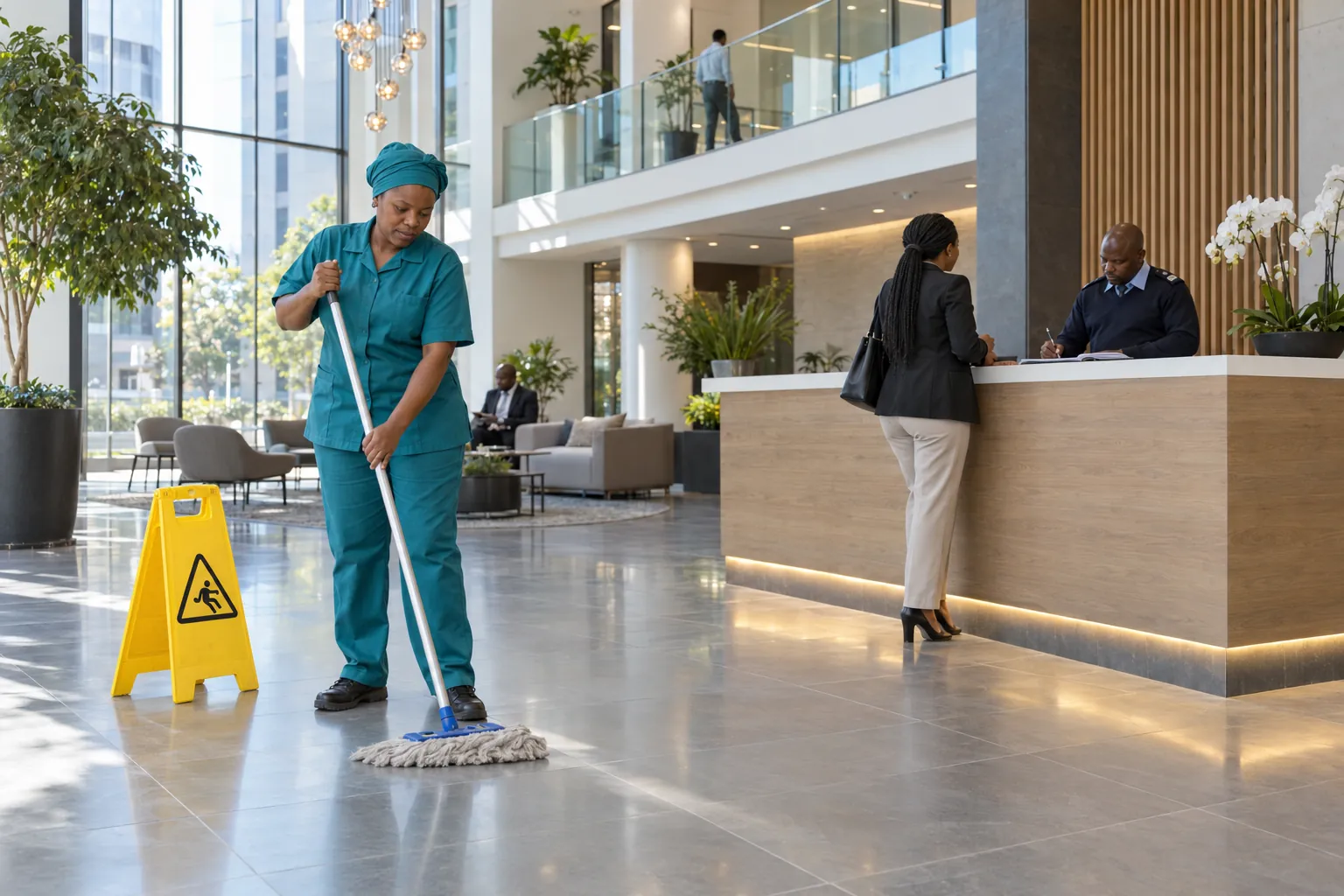 Premises and facilities managementSoft services in facilities management: what they are, the law behind them, and how delivery is shownWhat soft services are in facilities management, how they differ from hard services, the South African law behind cleaning, guarding and catering, and the records.