Guides · United Kingdom · 59 guides
Guides for facilities managers
A facilities manager answers for the building: its fire and water checks, its statutory inspections and the contractors who carry them out. These guides cover what has to be checked, how often, and the records that show it was done, with the duties set by the Health and Safety Executive.
Other countries: Ireland · United States · Canada · Australia · New Zealand · South Africa
Cleaning 4 guides
 CleaningCleaning contract mobilisation: from contract award to a settled serviceHow to mobilise a new cleaning contract: the mobilisation plan, TUPE, site assessment, COSHH and induction, day one, and the first weeks of audits.
 CleaningCleaning management software: what it covers, and how to chooseWhat cleaning management software covers, from scheduling and rostering to audits, task proof and client reporting, and how to choose the right mix.
 CleaningOffice cleaning schedule: what to clean, how often, and how to show it was doneWhat an office cleaning schedule should cover, which tasks are daily, weekly, monthly or periodic, who does what, and how to show the schedule is being kept.
 CleaningSchool cleaning checklist: what to clean, how often, and how to show it was doneA school cleaning checklist for classrooms, toilets, corridors, dining hall and changing rooms, with daily, weekly and holiday tasks and how to record them.
Fire and water checks 21 guides
 Fire and water checksAOV testing: the monthly check, the annual service and the recordHow often automatic opening vents (AOVs) are tested, what the monthly check and the annual service cover, the law behind them, and what the record should show.
 Fire and water checksCommunal fire door checks in blocks of flatsWhat the Fire Safety (England) Regulations 2022 require of communal fire doors and flat entrance doors, who carries out the checks, and how to record them.
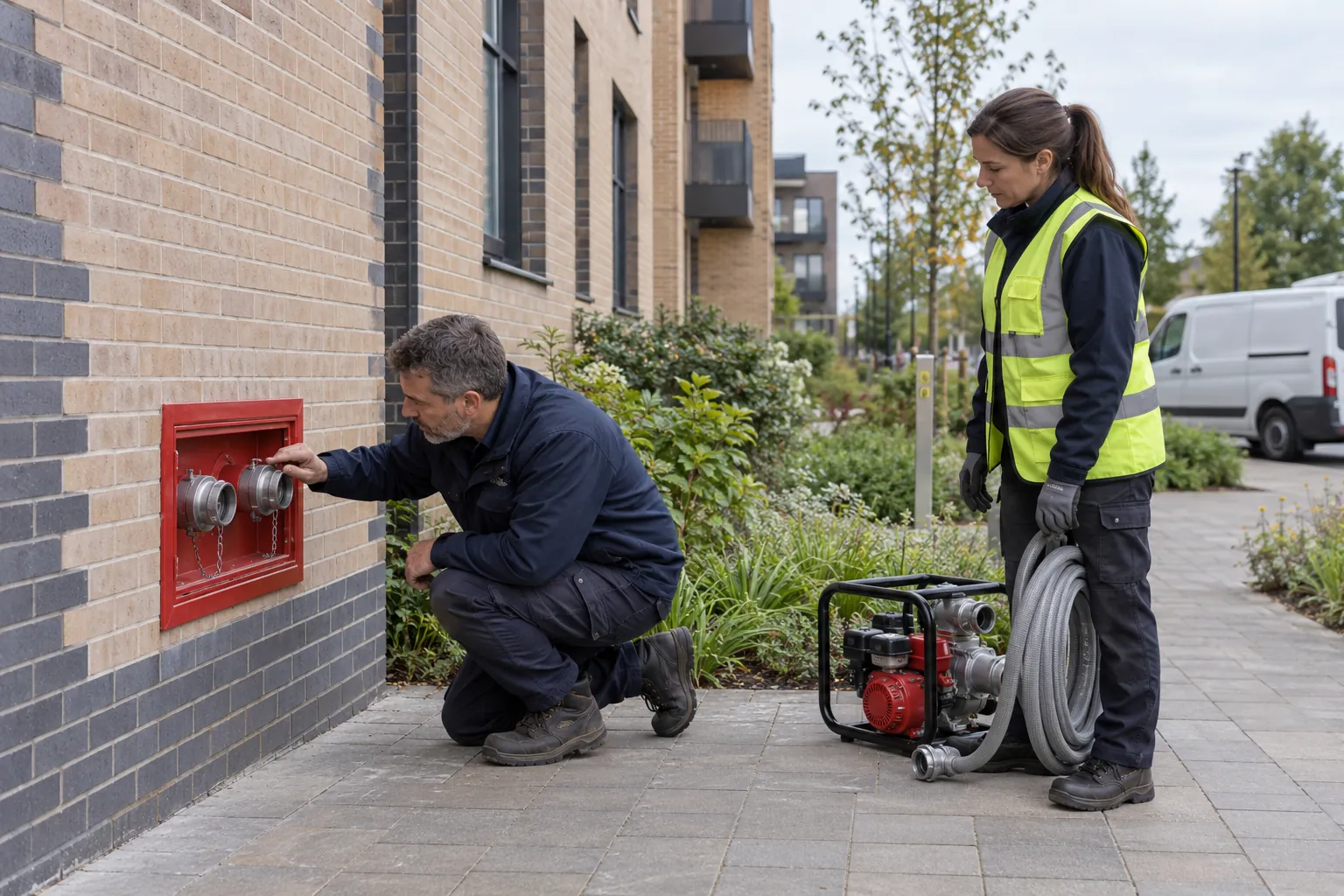 Fire and water checksDry riser testing: the inspection, the annual test and the recordHow often a dry riser is inspected and tested, what the six-monthly check and the annual pressure test cover under BS 9990, and the monthly check in high-rise flats.
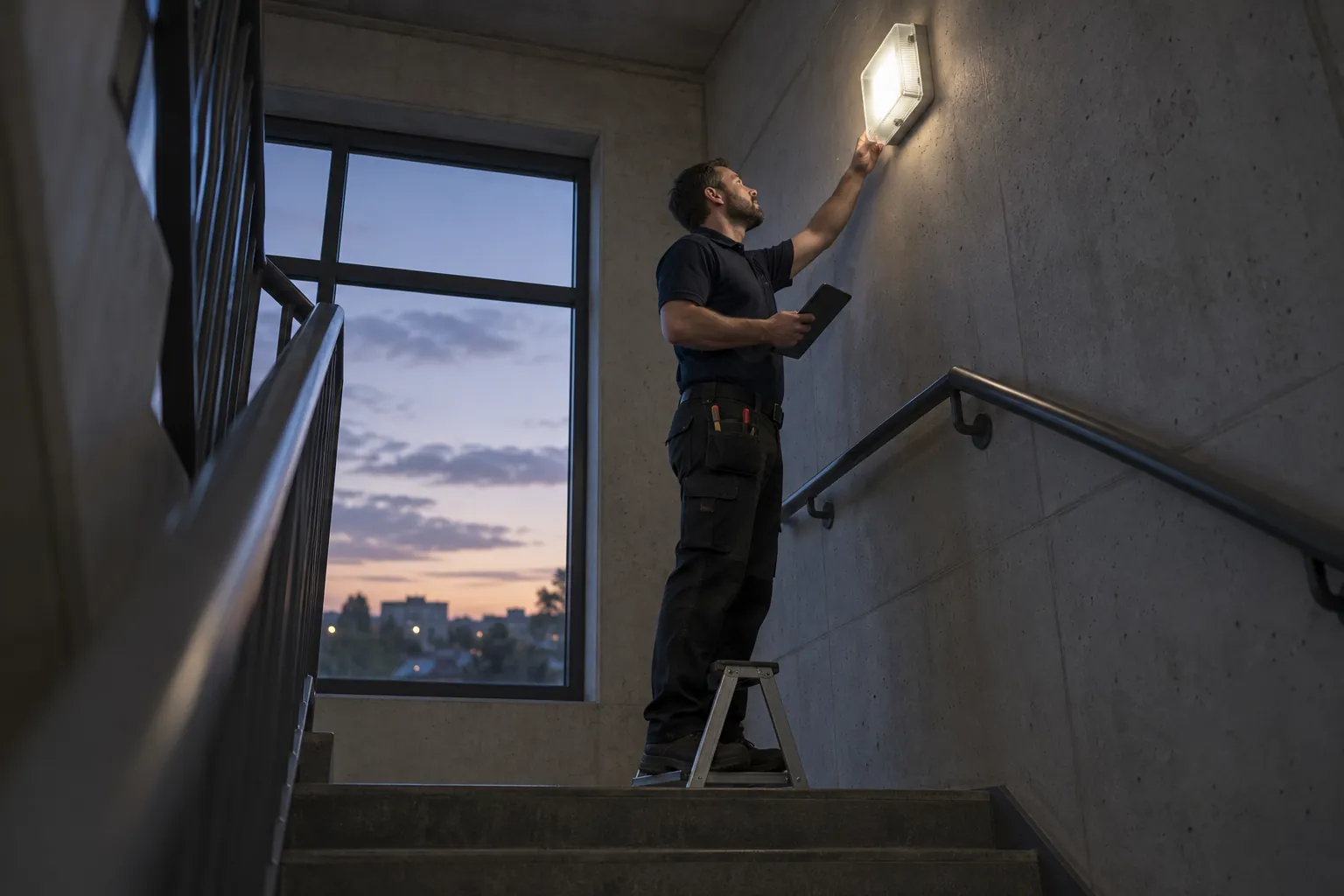 Fire and water checksEmergency lighting log book: what to record, and how oftenWhat an emergency lighting log book should record, the monthly and annual tests BS 5266-1 recommends, who does each, and how to keep the record credible.
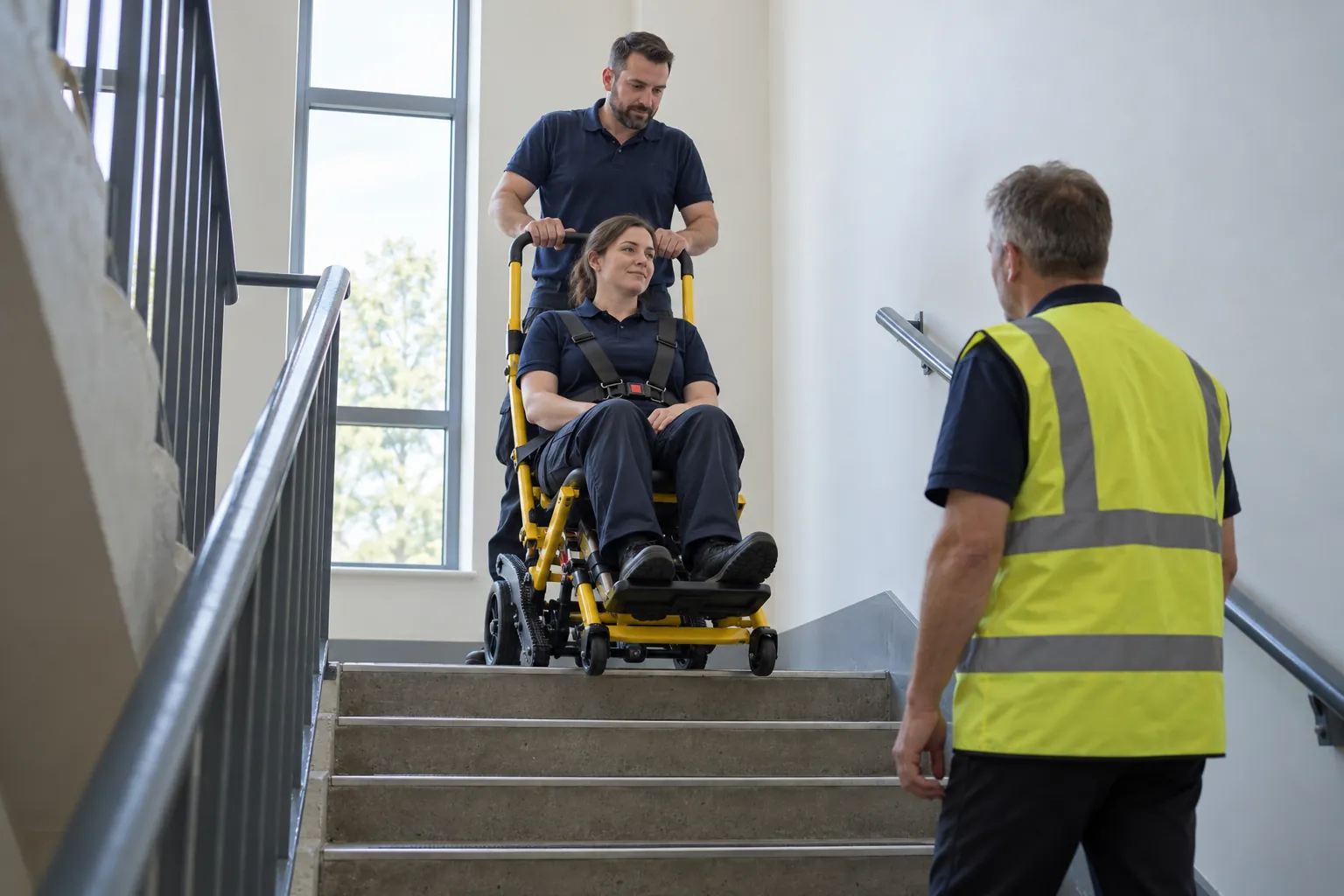 Fire and water checksEvacuation chairs: the duty behind them, the checks, servicing and trainingWhen a building needs an evacuation chair, what the law says, the routine check, servicing and training, and how to keep a record that shows the chair is ready.
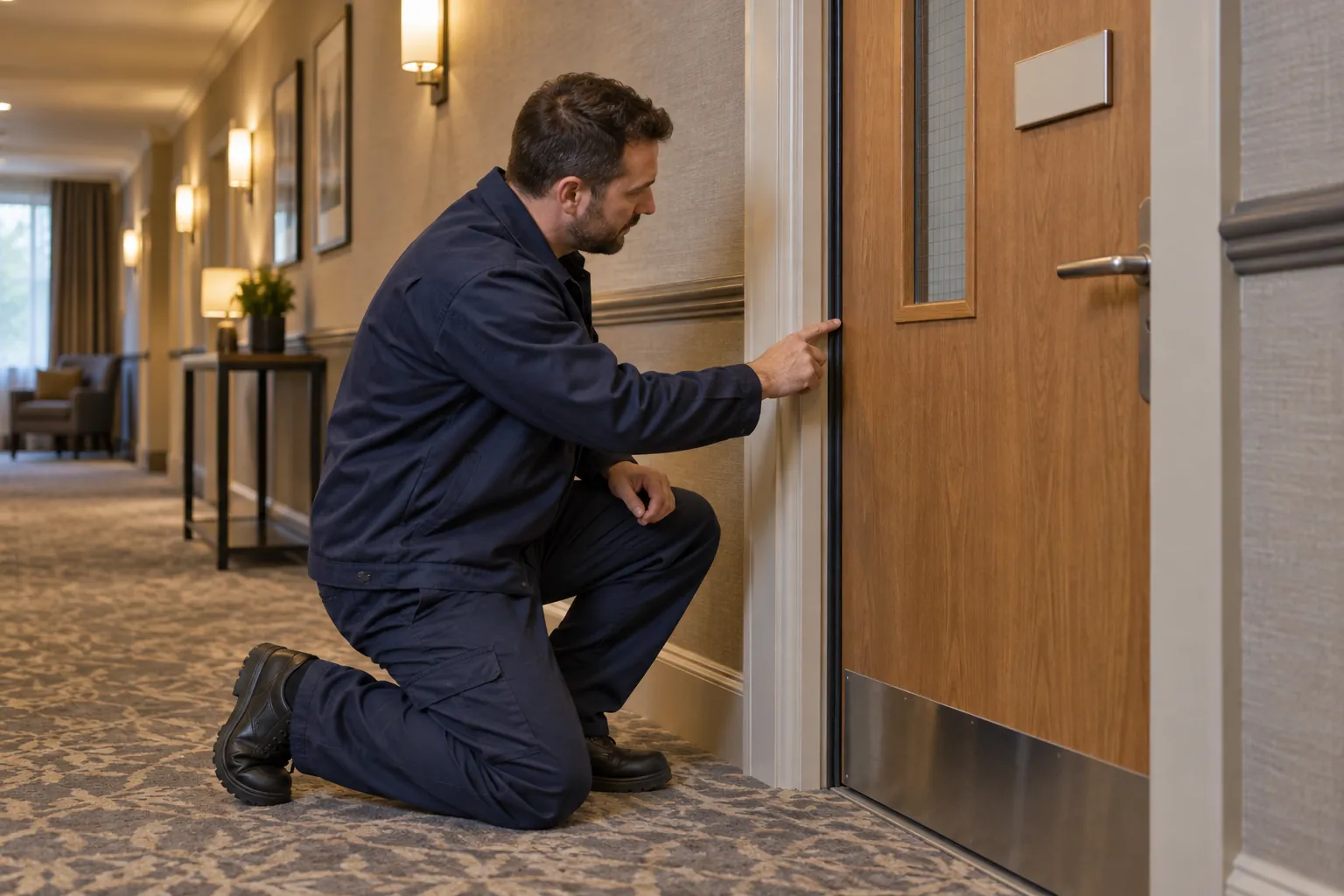 Fire and water checksFire door checks: what a routine check looks atFire door checks in any building: gaps, seals, closers, hinges, glazing and signs, how often to check, and when to call a fire door inspector.
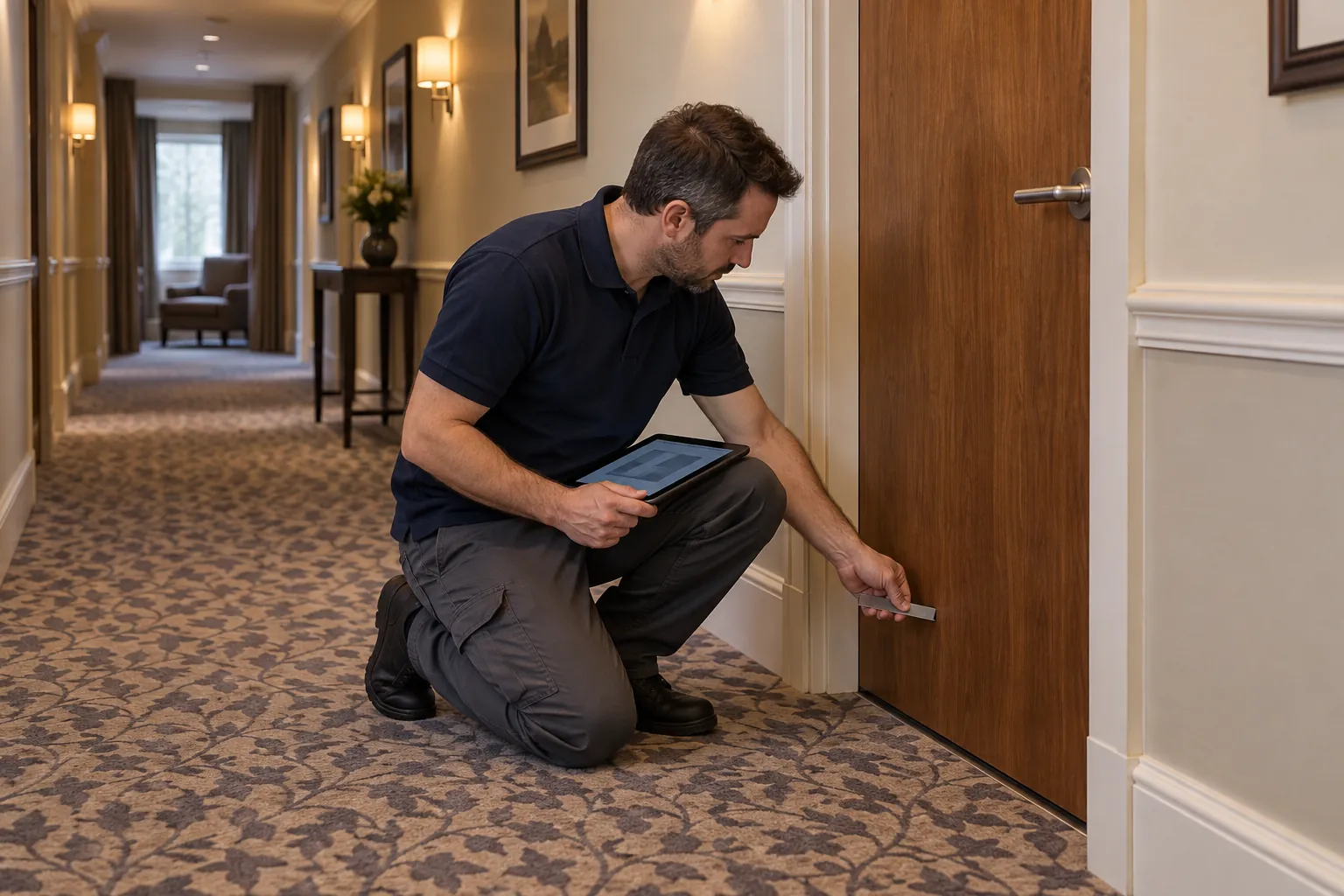 Fire and water checksFire door inspection: what the inspector checks, and what happens nextFire door inspection: what a survey by a competent inspector covers, how often doors should be inspected, the certification schemes, and remedial work.
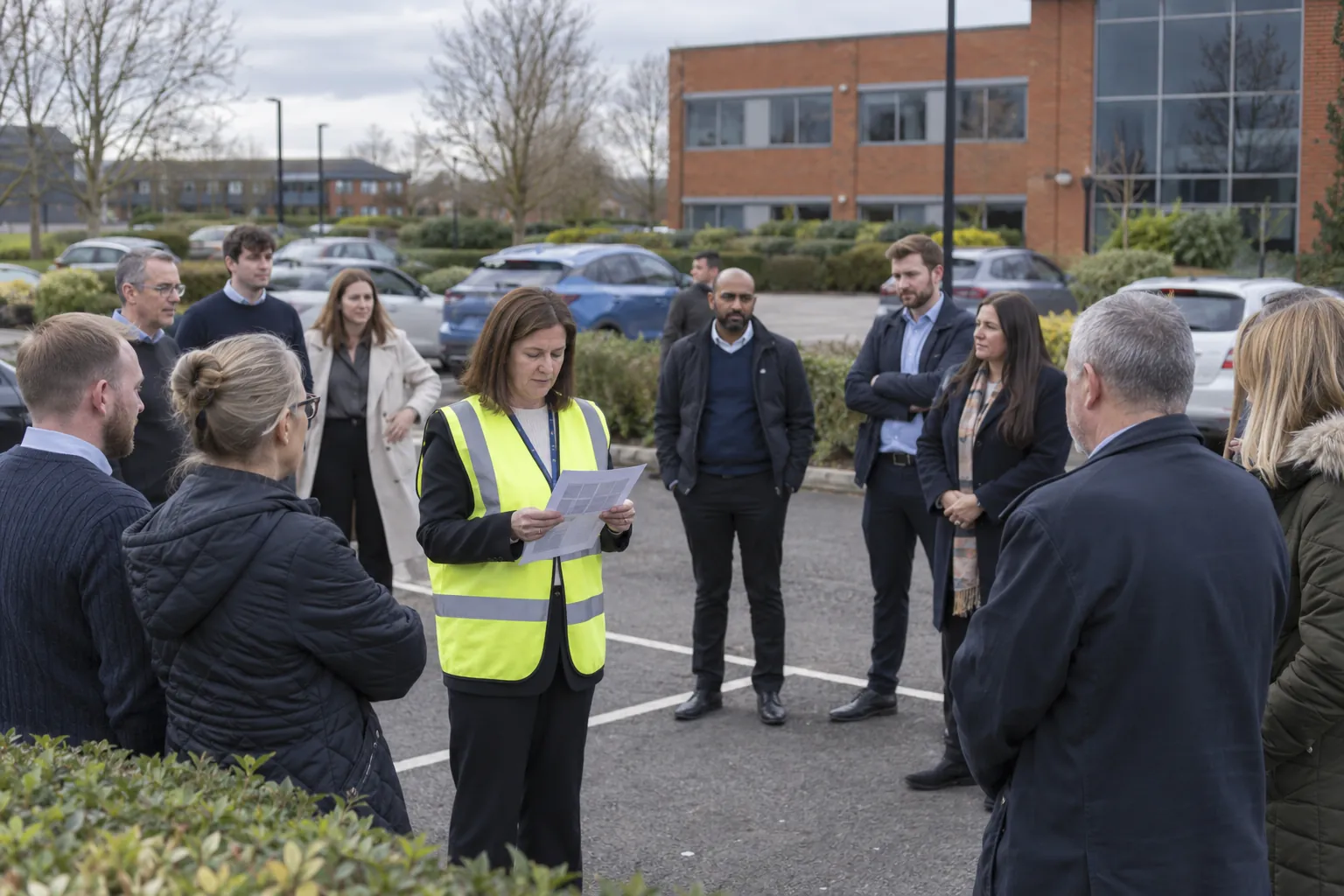 Fire and water checksFire drill procedure: planning, running and recording a fire drillHow to plan and run a fire drill in a UK workplace, how often the guidance says to hold one, what the law requires, and what the fire drill record should show.
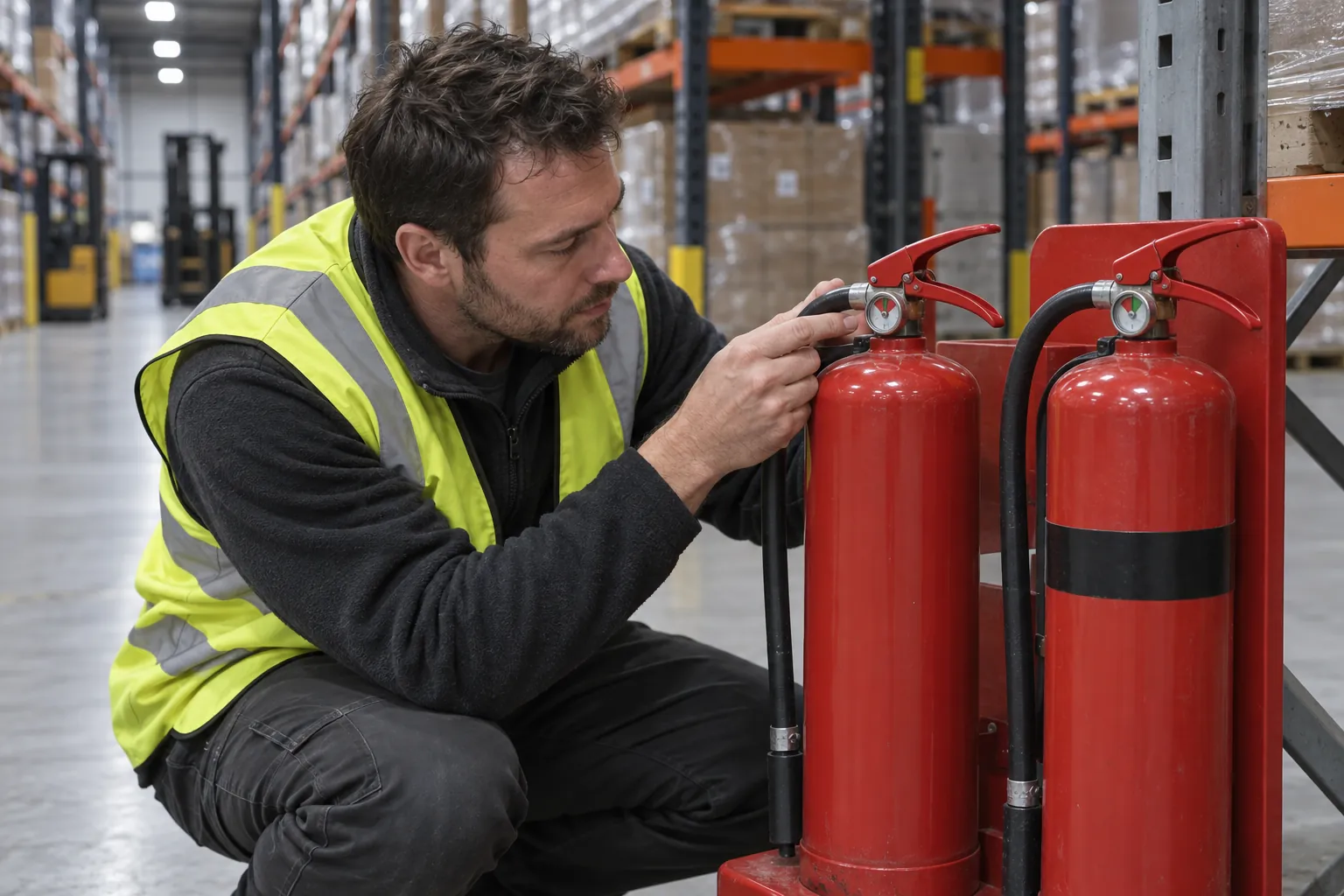 Fire and water checksFire extinguisher checks: the monthly check and the annual serviceWhat a monthly fire extinguisher check looks at, what the annual service by a competent person covers under BS 5306-3, and how to keep a record that stands up.
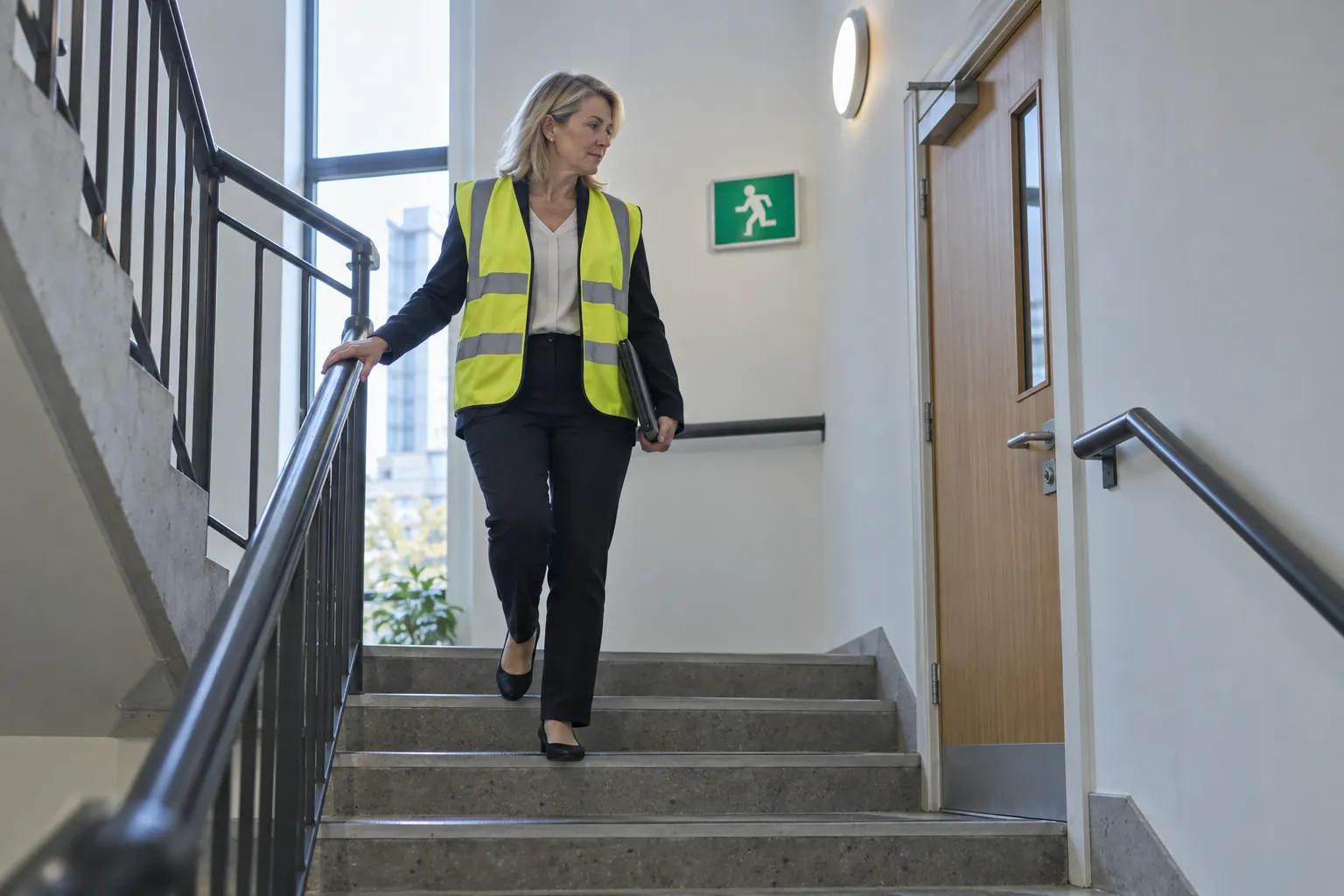 Fire and water checksFire marshal checklist: the daily and weekly checks, and the job in an evacuationWhat a fire marshal or fire warden checks each day and week, their role in an evacuation, the law behind the role, and how to keep a record that stands up.
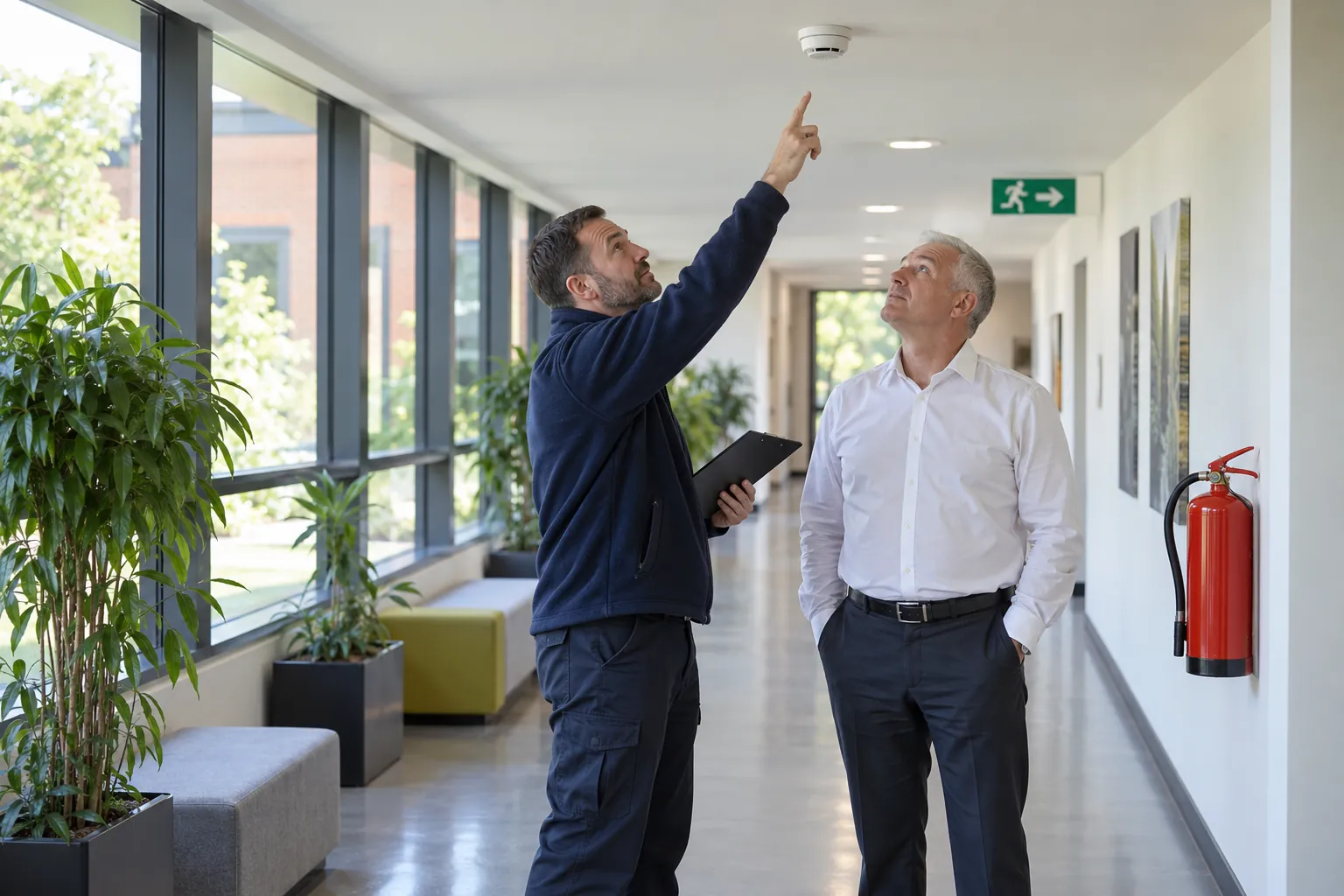 Fire and water checksFire risk assessment: what the law requires, the five steps, and what the record must showWho must have a fire risk assessment, the five steps, what the written record must hold since October 2023, who can carry one out and when it must be reviewed.
 Fire and water checksFire safety checks in the workplace: what to check, how often, and who does itThe routine fire safety checks a UK workplace needs, from daily escape routes to the weekly alarm test, who does each one, and what the record should show.
 Fire and water checksThe Fire Safety (England) Regulations 2022: what each building must doFire Safety (England) Regulations 2022 explained: what responsible persons must do in blocks of flats of every height, over 11 metres, and 18 metres or more.
 Fire and water checksFire safety log book: what to record, who keeps it and for how longWhat a fire safety log book should contain, from alarm tests to drills and servicing, who keeps it, how long for, and whether paper or digital is better.
 Fire and water checksHot work permits: the permit, the checklist and the fire watchWhat a hot work permit is, the UK law and guidance behind it, what the permit and checklist cover, how long the fire watch lasts, and how to show it was kept.
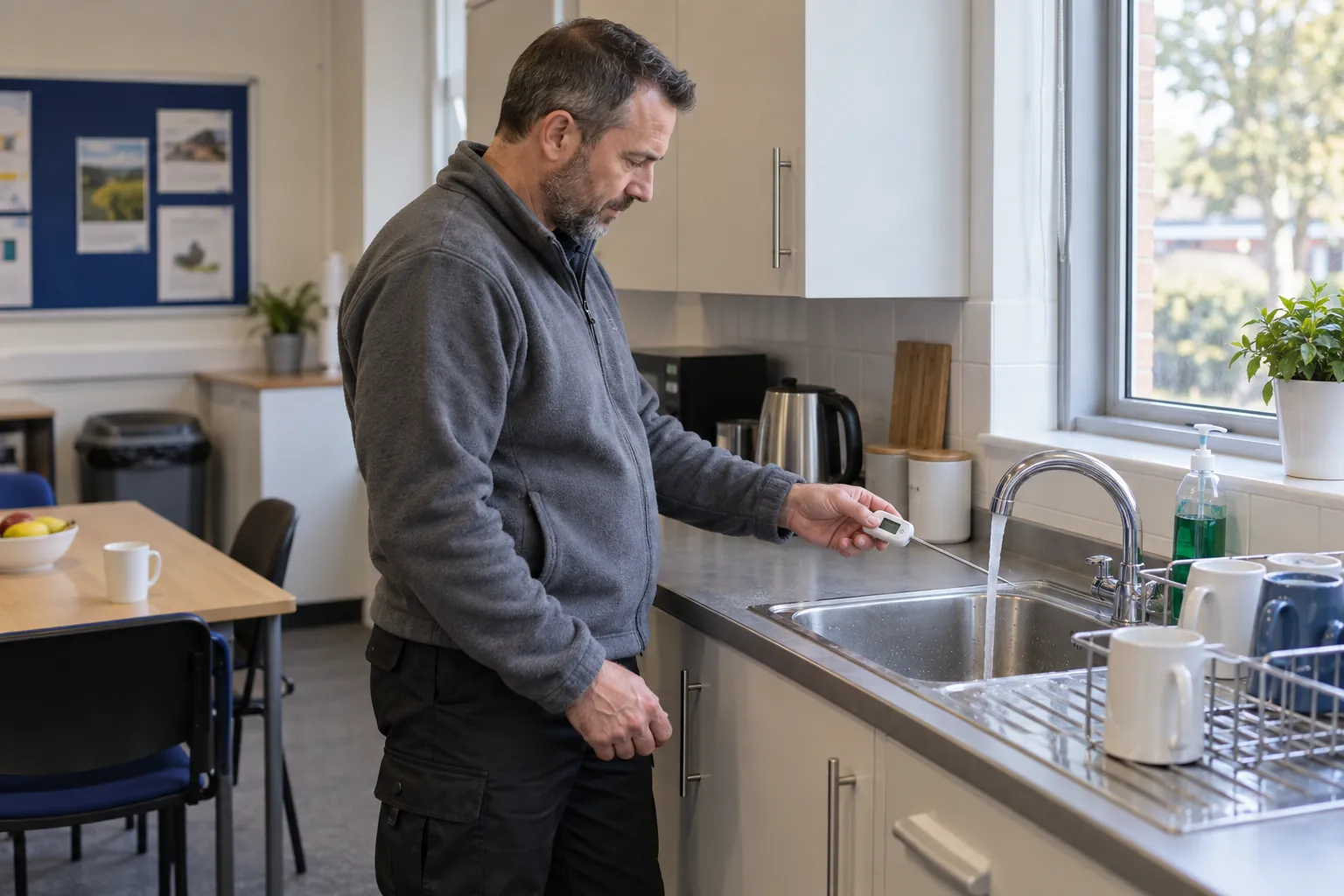 Fire and water checksLegionella checks: the routine monitoring, and the record that shows it was doneThe routine legionella checks in hot and cold water systems under HSE's L8 and HSG274: flushing, temperatures, who does them and what the record should show.
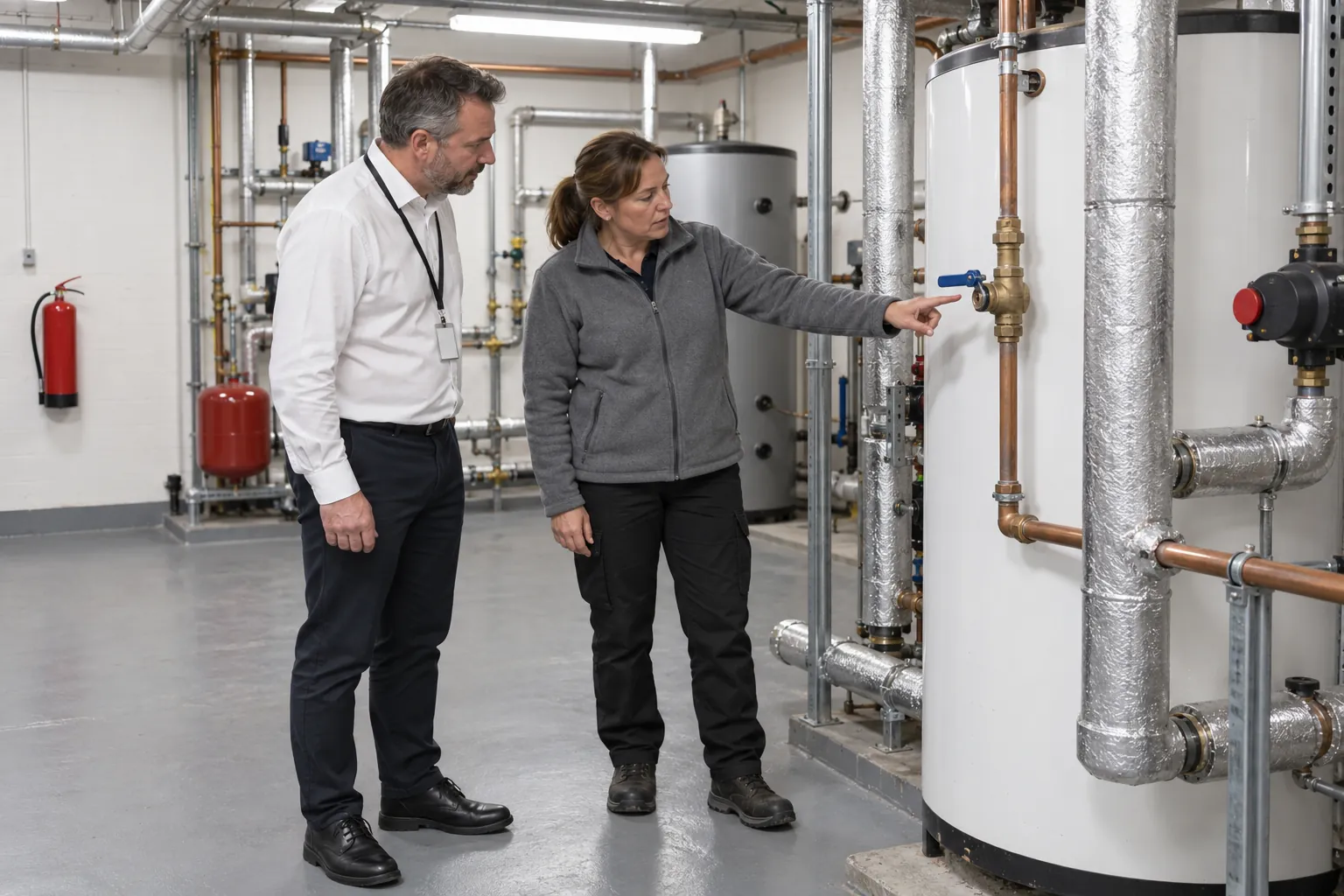 Fire and water checksLegionella risk assessment: what the law asks for, and what has to follow itWhen a legionella risk assessment is required under L8 and COSHH, what it covers, who can carry it out, when to review it and the records the written scheme needs.
 Fire and water checksPersonal emergency evacuation plans: who needs one, what goes in it, and keeping it trueWhat a PEEP is, when the law requires one at work and in high-rise flats, how to write and review it, and the checks the plan depends on.
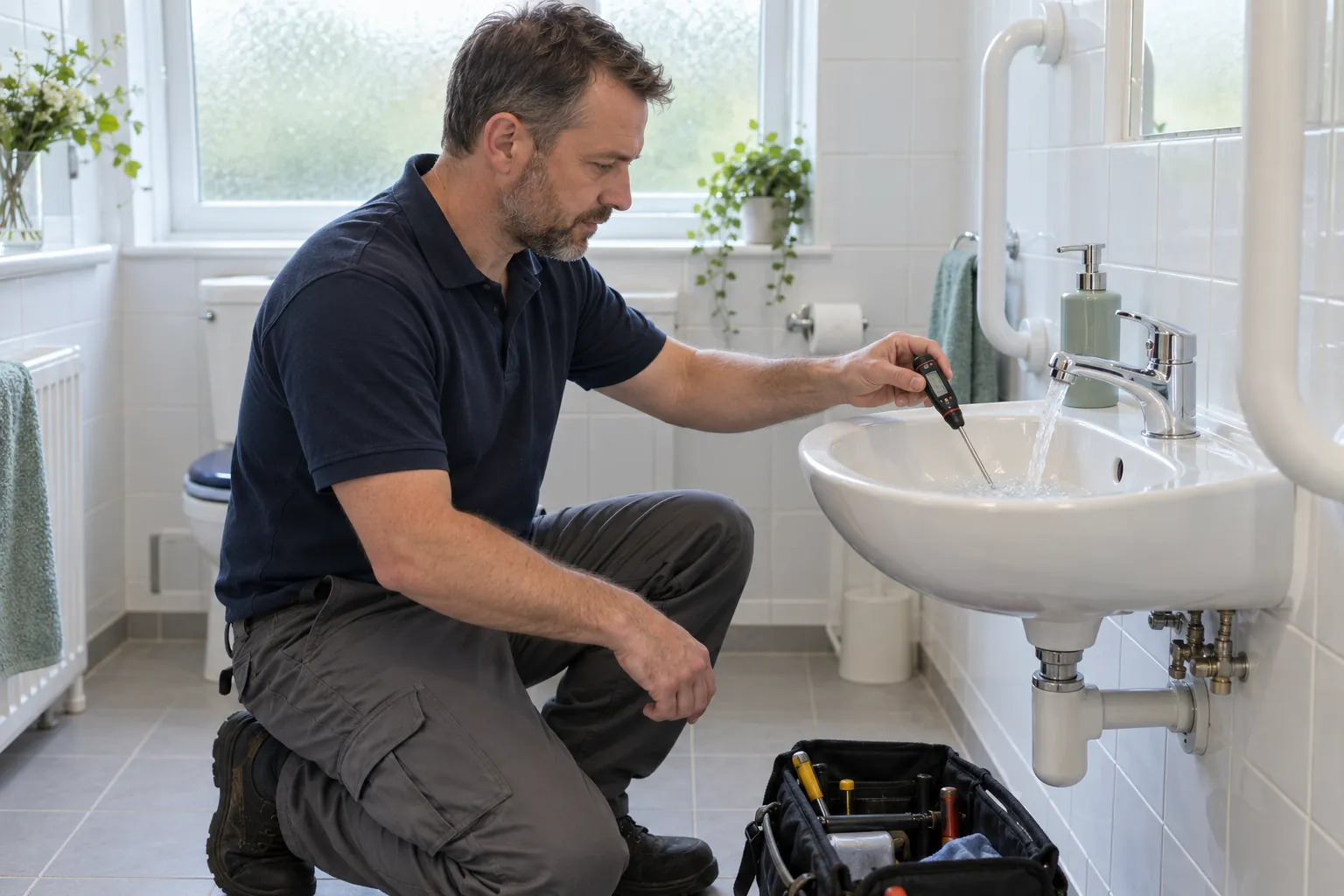 Fire and water checksTMV testing: the temperature check, the fail-safe test and how often to do themTMV testing in UK buildings: the temperature check and fail-safe test, how often a thermostatic mixing valve is tested, who does it and what the record shows.
 Fire and water checksTR19 kitchen extract cleaning: the intervals, the report and the daily filtersWhat TR19 Grease asks of a kitchen extract: a specialist clean every 3, 6 or 12 months by hours of use, the post-clean report, and daily canopy and filter cleaning.
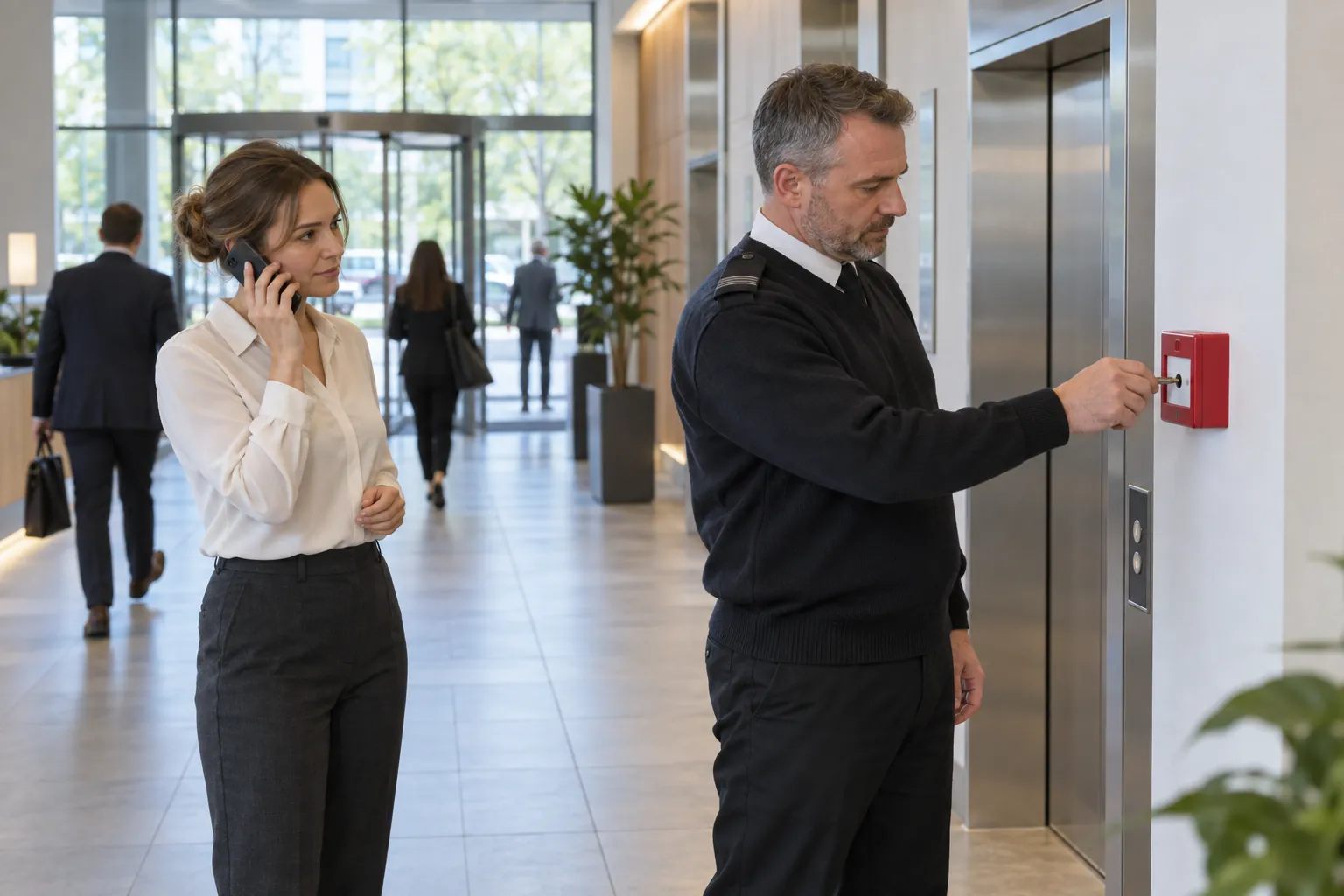 Fire and water checksWeekly fire alarm test: how to do it, and what to recordWeekly fire alarm test: how to carry out the test BS 5839-1 recommends, rotating call points, what to record, and what only a competent person can do.
Premises and facilities management 34 guides
 Premises and facilities managementAccident book: who must keep one, what goes in it, and how to keep it lawfullyWho must keep an accident book in the UK, what each entry must record, whether it can be online, how long to keep it, and how to handle it under UK GDPR.
 Premises and facilities managementAsbestos register: what it records, who keeps it, and how it stays liveWhat an asbestos register must record under the duty to manage, how it fits the management plan, how often it is checked and reviewed, and who must see it.
 Premises and facilities managementBuilding compliance checklist: the statutory picture for a UK buildingBuilding compliance checklist for UK non-domestic buildings: fire, electrical, gas, water, asbestos, lifts, access and energy, who is responsible, how often.
 Premises and facilities managementBuilding maintenance checklist: what to check, how often, and who byA building maintenance checklist for UK non-domestic buildings: daily to annual tasks for fabric, services, safety systems and grounds, and who does each.
 Premises and facilities managementBuilding manager responsibilities: the duties, the daily work and the recordWhat a building manager is responsible for in UK commercial and residential buildings: legal duties, daily work, contractors and the records that prove it.
 Premises and facilities managementCAFM system: what it does, and how to choose and implement oneWhat a CAFM system is and does, how it differs from a CMMS or IWMS, how to choose and implement one, and what it will not fix on its own.
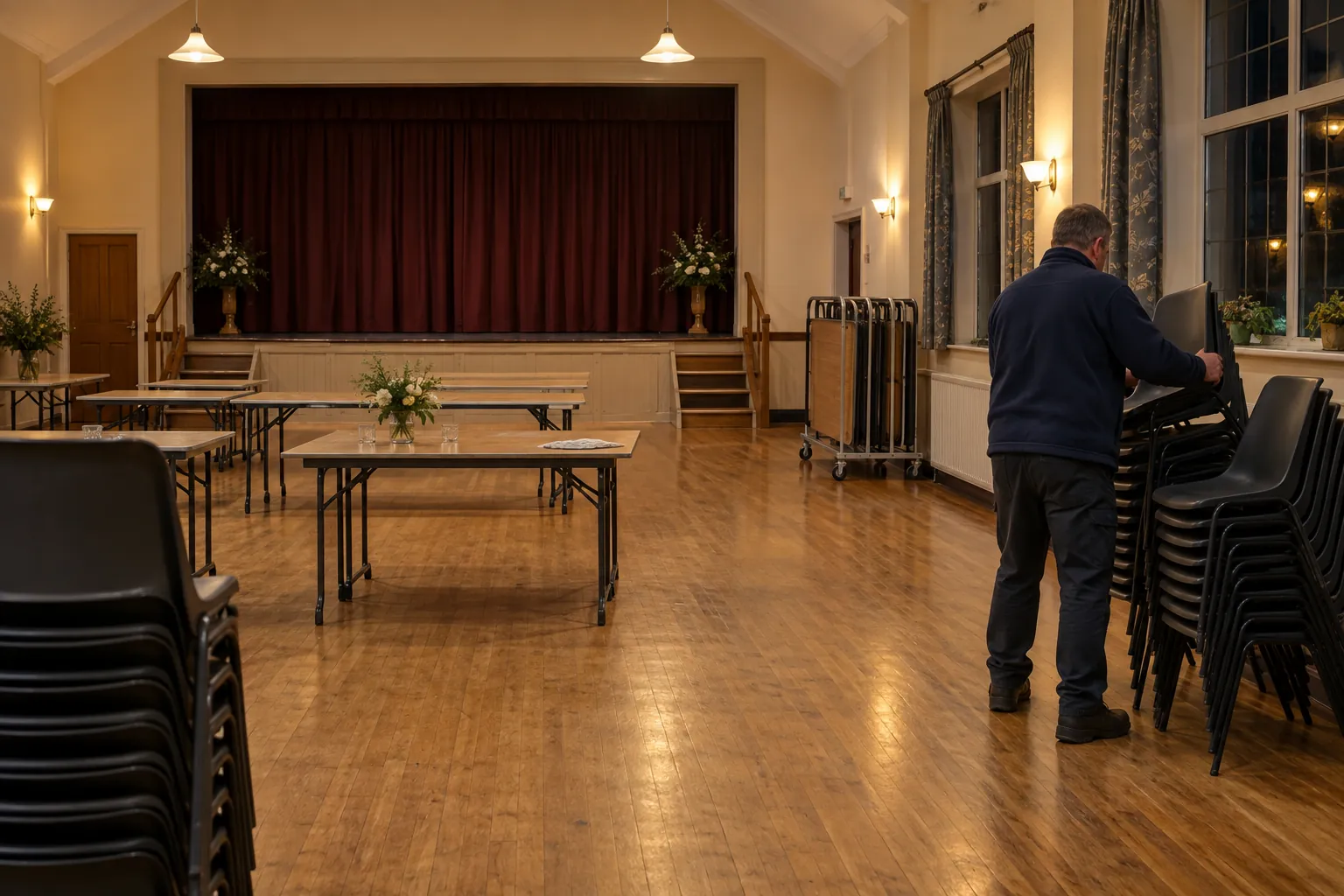 Premises and facilities managementCaretaker duties: what the job involves, and how to show it was doneCaretaker duties in halls, churches, offices, flats and schools: opening and locking, routine checks, minor repairs, cleaning and working alone safely.
 Premises and facilities managementConcierge duties: what a building concierge does, and how the work is shownBuilding concierge duties in the UK: front of house, visitors, parcels, keys, rounds and faults, when an SIA licence applies, and how the work is recorded.
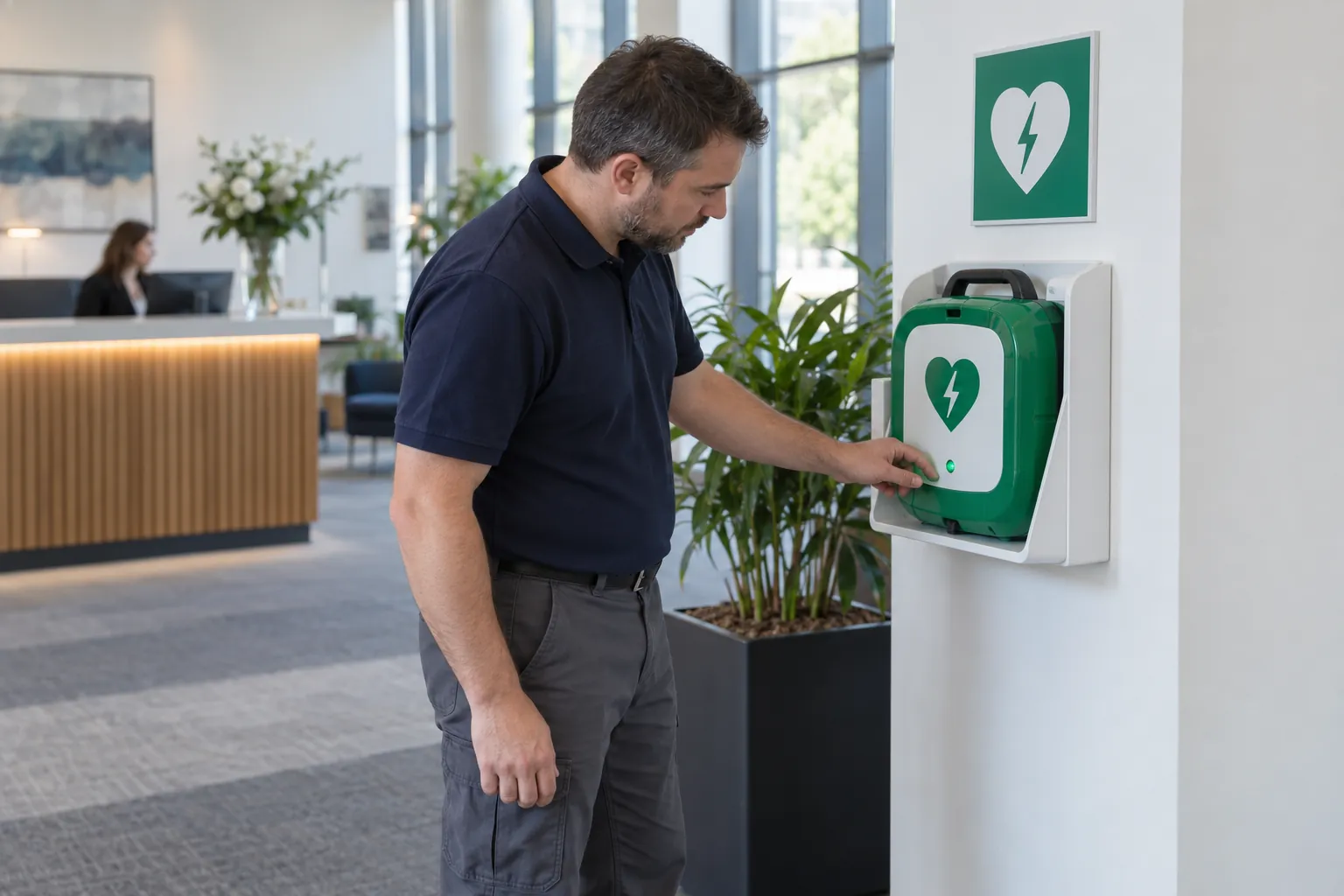 Premises and facilities managementDefibrillator checks: how to keep a workplace AED ready, and show that it isHow to check a workplace defibrillator in the UK: the weekly status check, pads and battery expiry, the cabinet and signs, The Circuit, and keeping a record.
 Premises and facilities managementFacilities helpdesk: what it does, and how to run one wellWhat a facilities helpdesk does, how it logs, prioritises and closes jobs, the people and systems behind it, and how to tell whether it is working.
 Premises and facilities managementFacilities management contract: what to put in it, and how to make it workWhat goes into a facilities management contract: scope, specifications, payment, KPIs and deductions, TUPE, mobilisation and exit, and the NEC4 standard form.
 Premises and facilities managementFacilities management KPIs: how to choose them, and how to keep them honestHow to choose facilities management KPIs across services: examples, input and outcome measures, data sources, definitions, and avoiding perverse incentives.
 Premises and facilities managementFacilities management monthly report: what to include, and what makes it believableWhat an FM monthly report should contain: compliance, planned and reactive maintenance, KPIs, health and safety, costs, and the evidence behind them.
 Premises and facilities managementFacilities management SLA: setting service levels across FM servicesHow to write a facilities management SLA: helpdesk response and fix times, planned maintenance, cleaning and security standards, KPIs and reporting.
 Premises and facilities managementFacilities manager responsibilities: what the role covers, and how to show it is doneWhat a facilities manager is responsible for across services and sites: compliance, contractors, budgets, space, health and safety, and reporting.
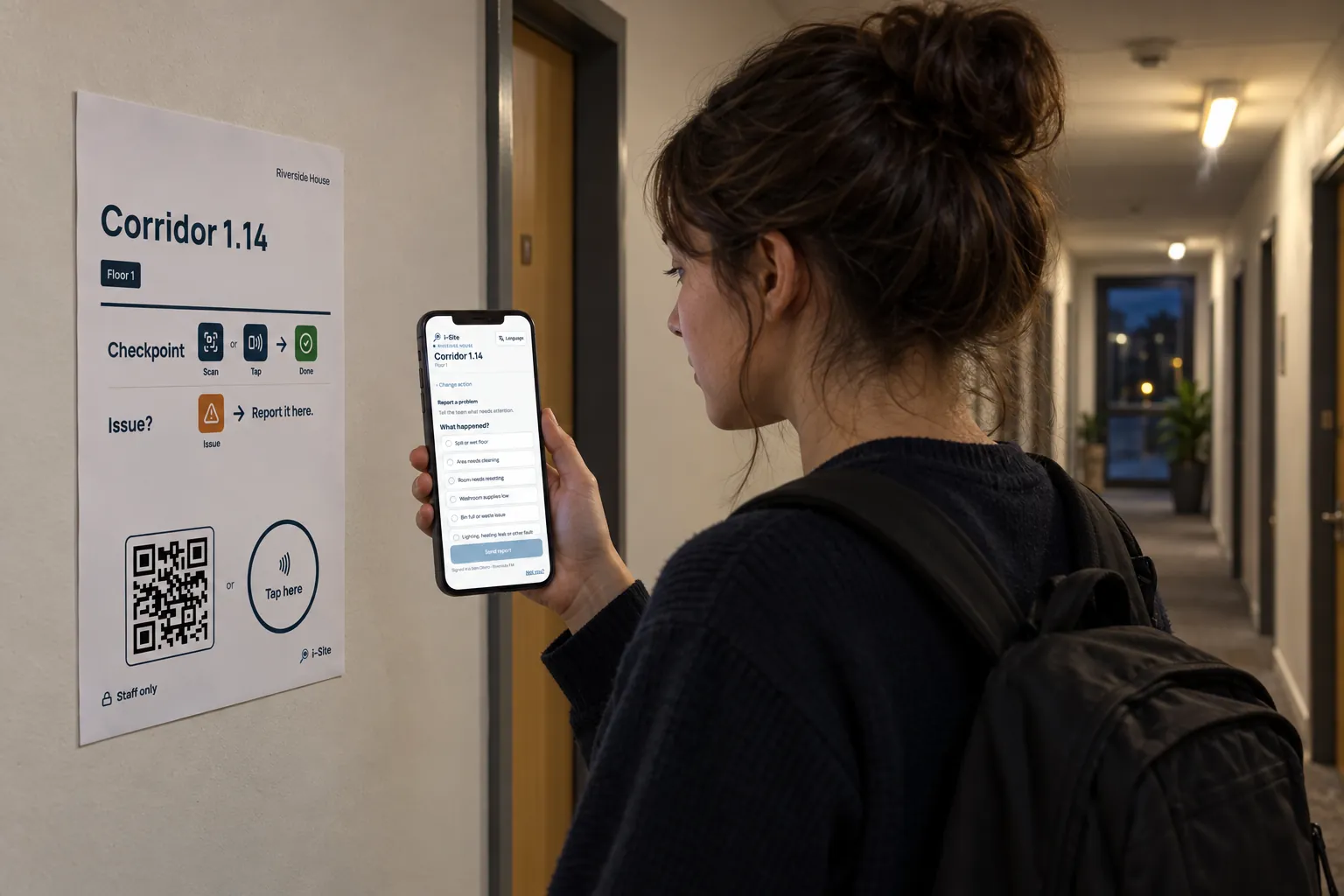 Premises and facilities managementFault reporting system: how faults are reported, prioritised and closedHow a fault reporting system for a building should work: how occupants report faults, how facilities teams log and prioritise them, and how a fault is closed.
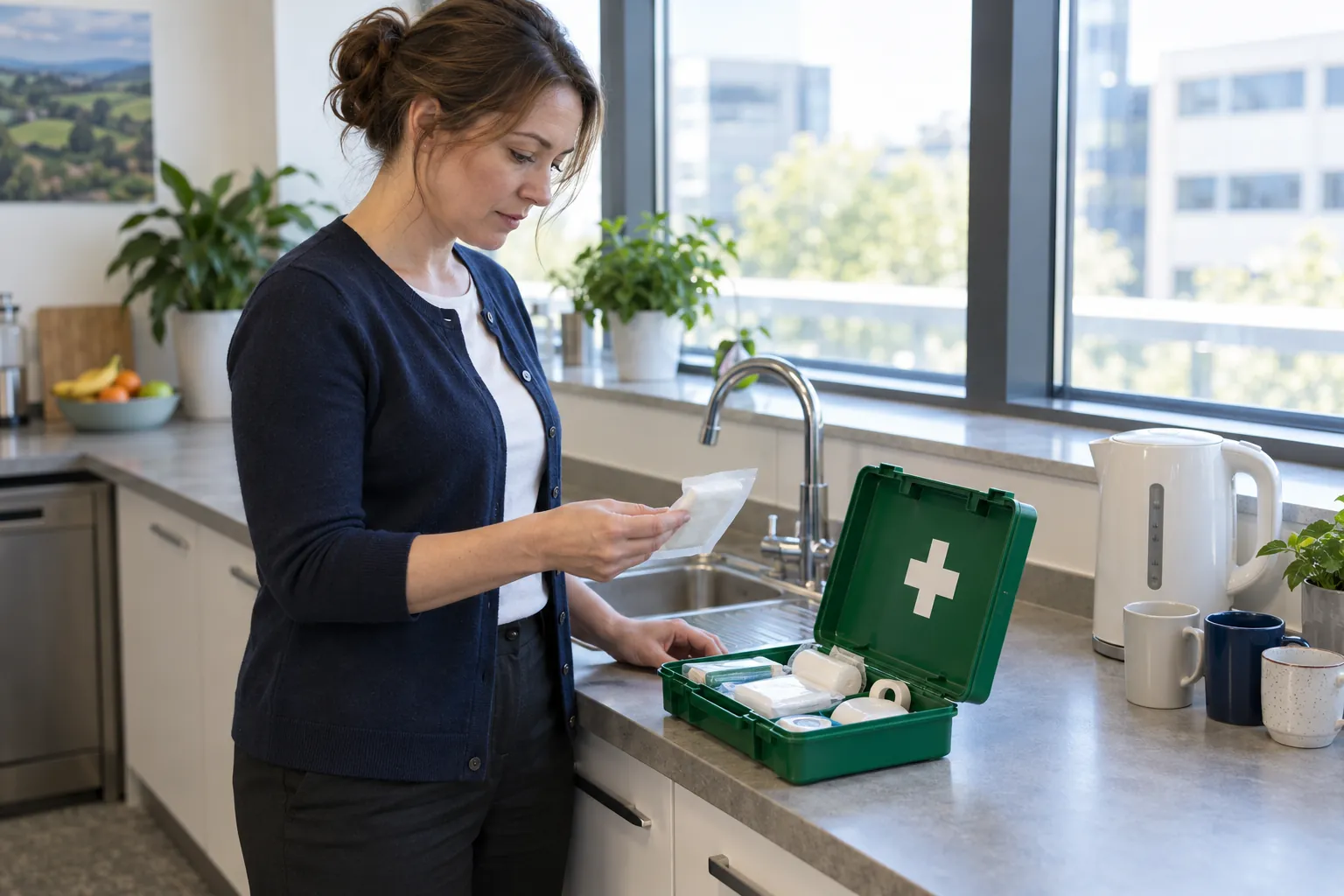 Premises and facilities managementFirst aid kit checklist: what goes in a workplace first aid box, and how to keep it stockedWhat should be in a first aid box at work in the UK, from HSE's suggested contents to BS 8599-1, and how often to check, restock and record each kit.
 Premises and facilities managementHealth and safety inspection checklist: what to look at, and what to do nextHow to run a workplace health and safety inspection: the legal basis, what to walk and look at, how often, recording findings and actions, and involving staff.
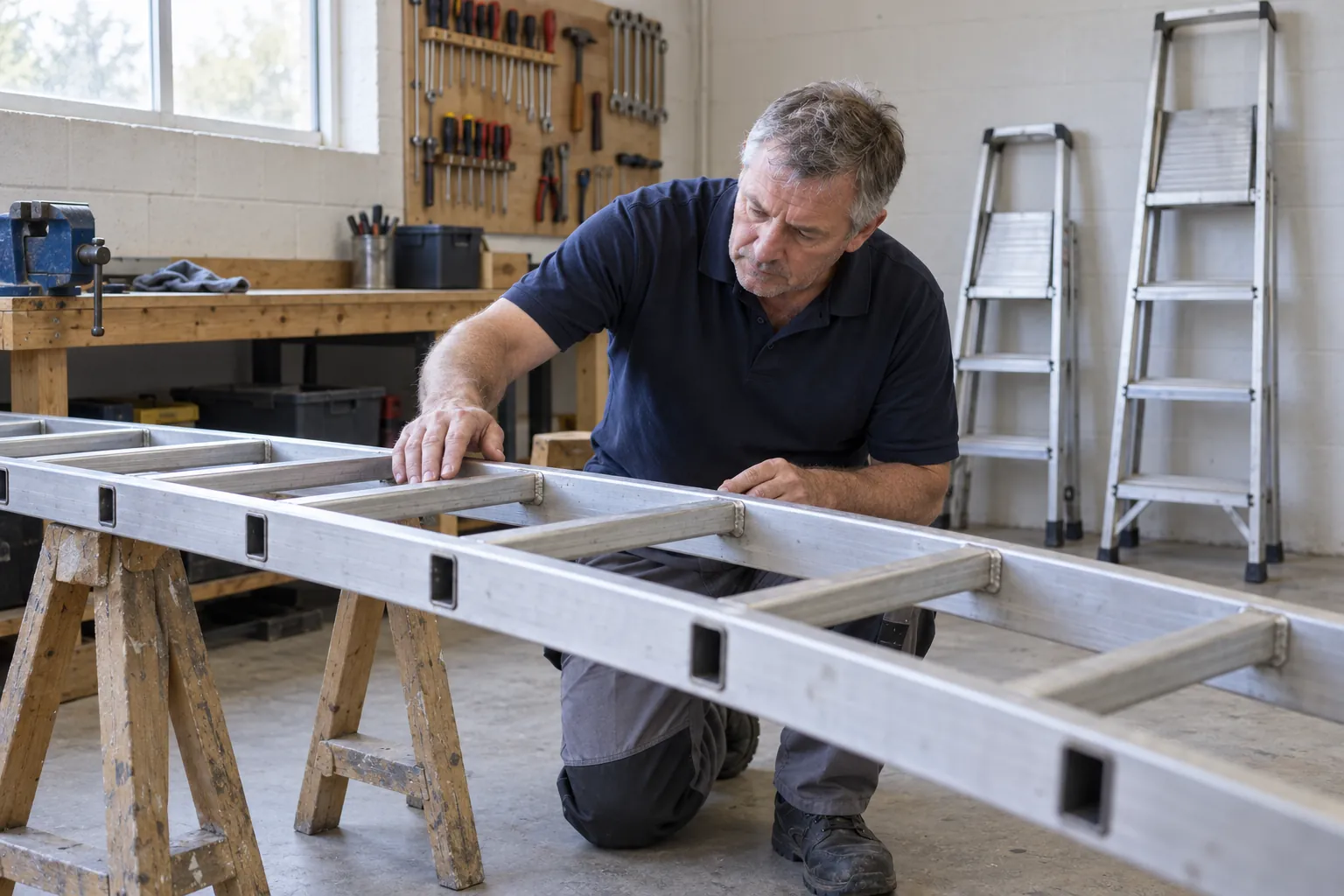 Premises and facilities managementLadder inspection: the daily check, the recorded inspection, and the tag that shows itLadder inspection in the UK: the daily pre-use check, the recorded detailed visual inspection, a checklist, how often, who is competent, and ladder tagging.
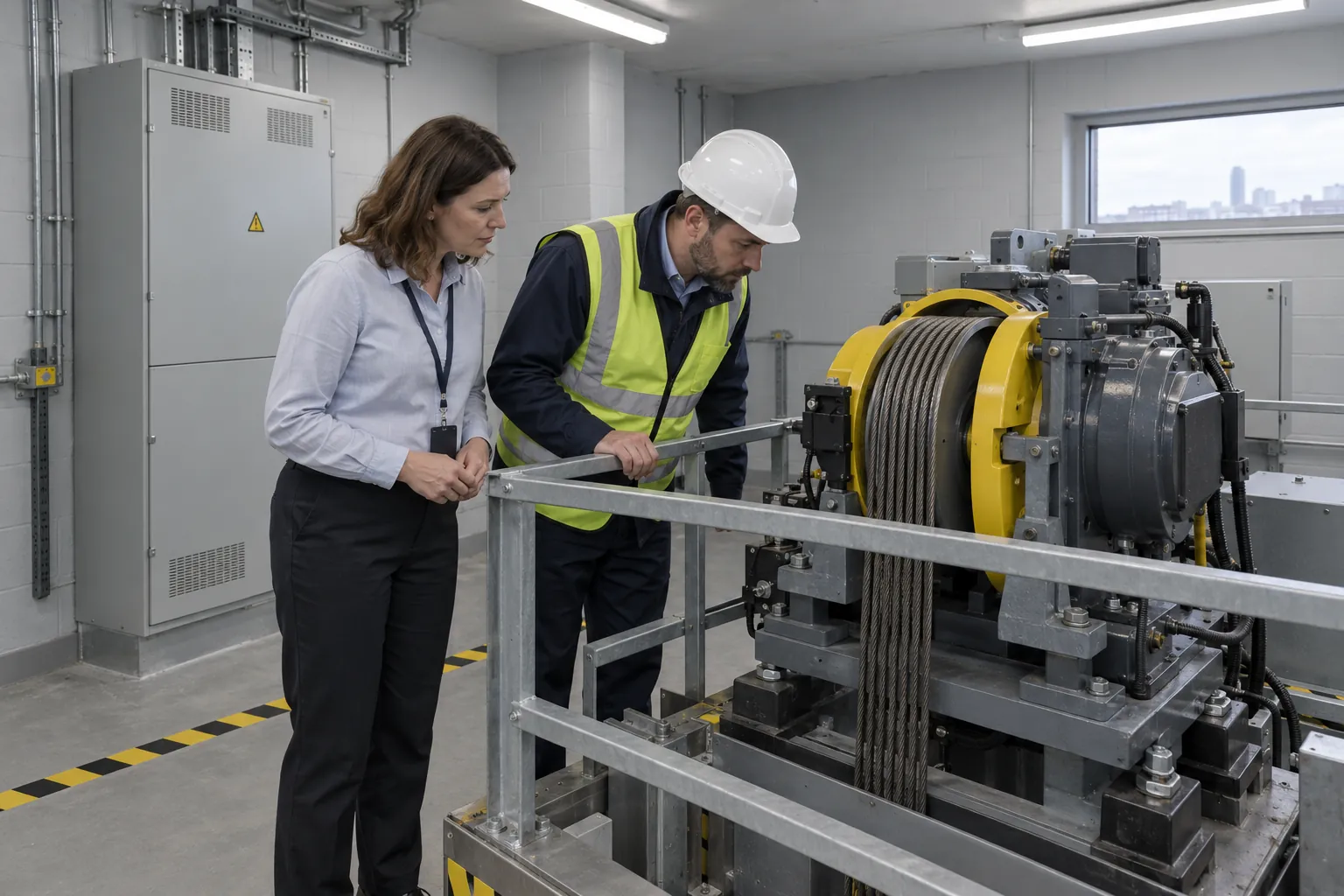 Premises and facilities managementLOLER inspection: the thorough examination, the report, and the checks in betweenLOLER inspection in the UK: the 6 and 12 month thorough examination of lifts and lifting equipment, who can do it, the report, defects and the checks in between.
 Premises and facilities managementLone working policy: what the law asks for, and what to put in itWhat a lone working policy must cover in Great Britain: the law, the risk assessment, check-in procedures, an outline to adapt and a record of who went where, when.
 Premises and facilities managementManaging agent responsibilities in residential block managementWhat a managing agent does for a block of flats in England and Wales: service charges, the RICS code, repairs, fire safety in common parts, and records.
 Premises and facilities managementNear miss reporting: what counts, what to record, and what happens nextNear miss reporting explained: what counts as a near miss, when one must go to HSE, what a near miss report form records, and how to get people to report.
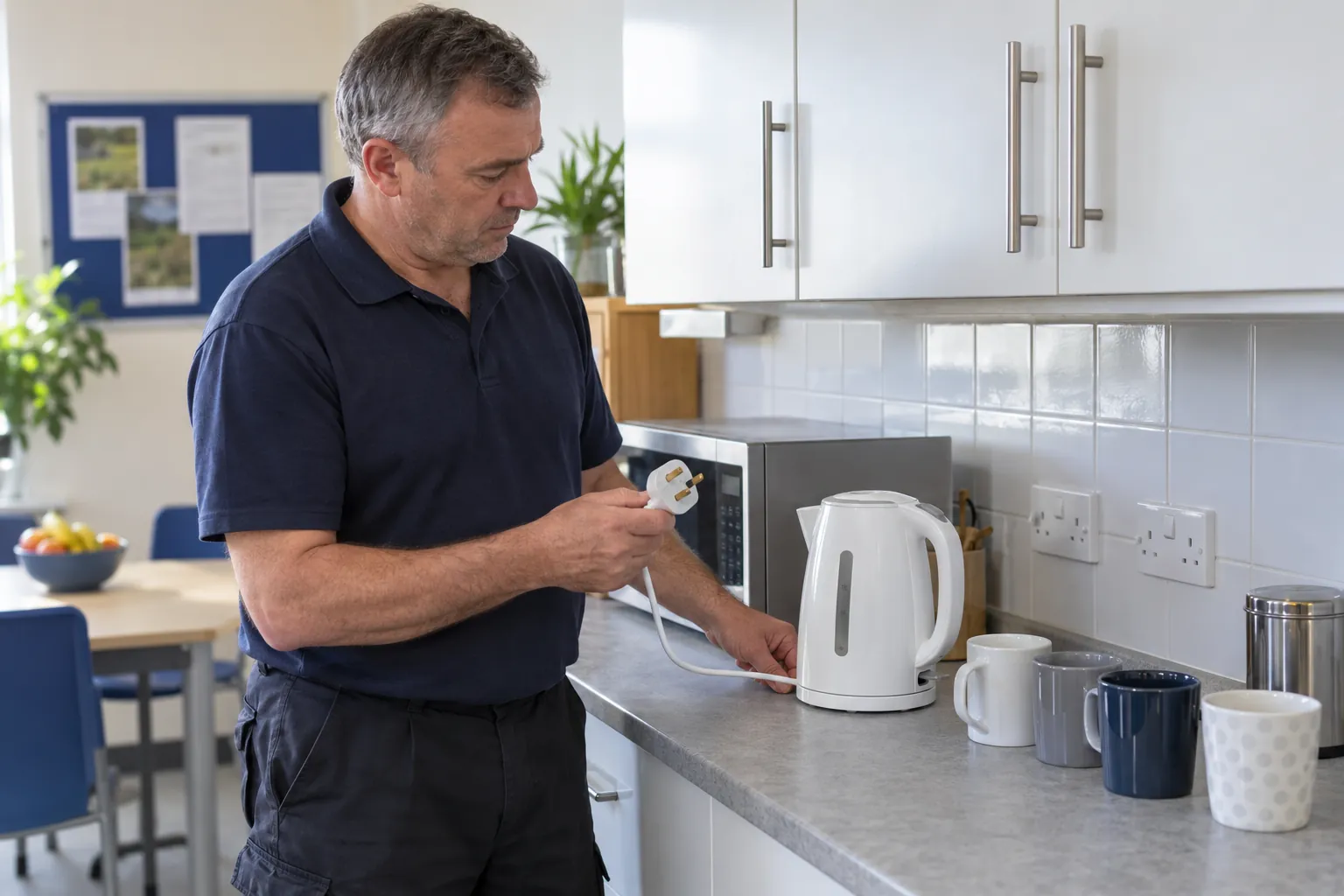 Premises and facilities managementPAT testing: what the law requires, how often, and who can do itWhat PAT testing is, what the Electricity at Work Regulations 1989 require, how often to check and test each kind of equipment, who can do it, and what to record.
 Premises and facilities managementPlanned preventative maintenance: how to plan it and prove it was donePlanned preventative maintenance (PPM): what it is, how to build an asset register and schedule, statutory versus discretionary tasks, and evidencing the work.
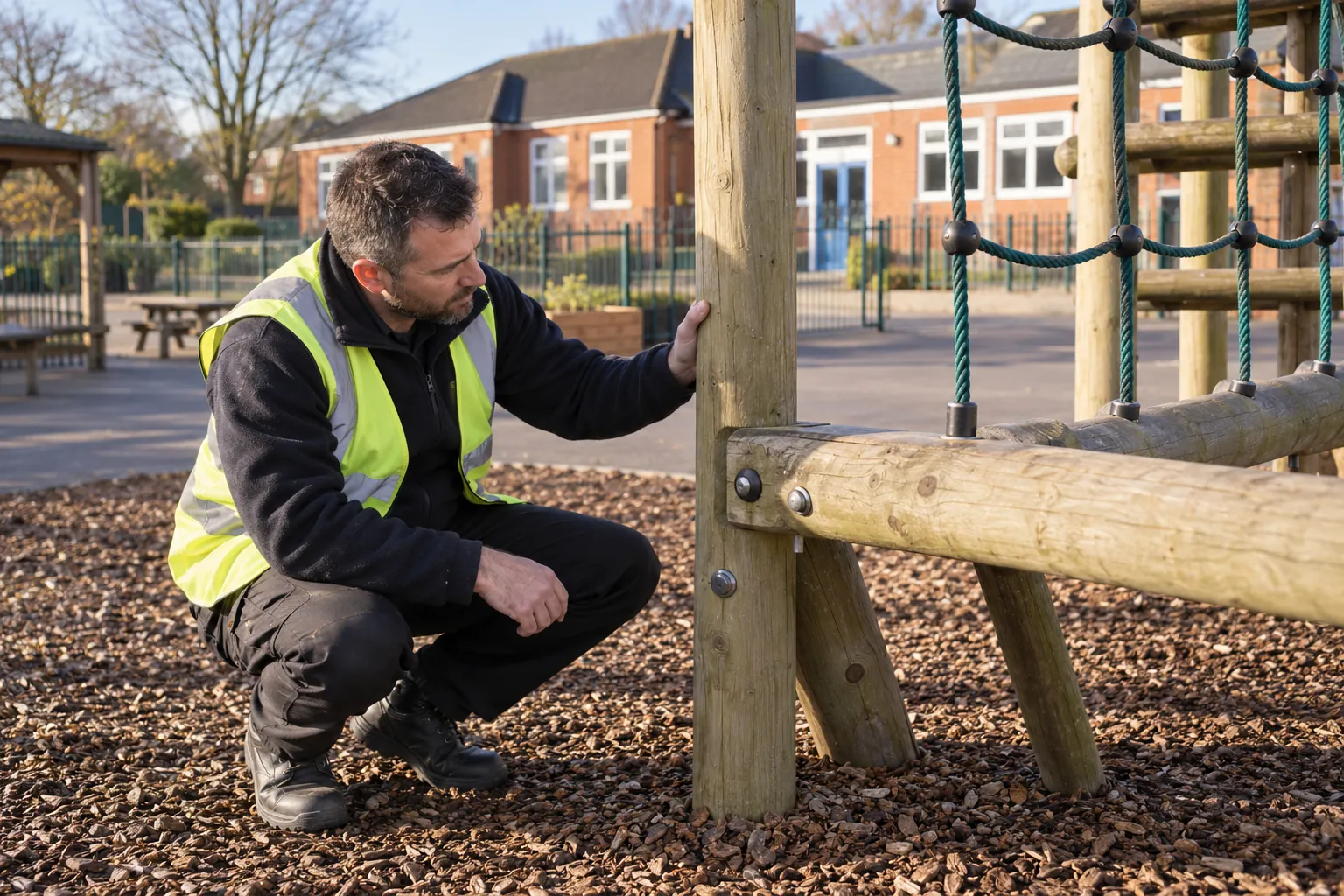 Premises and facilities managementPlayground inspection: the three levels of check, who does them, and the recordPlayground inspection in the UK: the legal duty, BS EN 1176-7, routine, operational and annual inspections, who carries them out, and what the record should show.
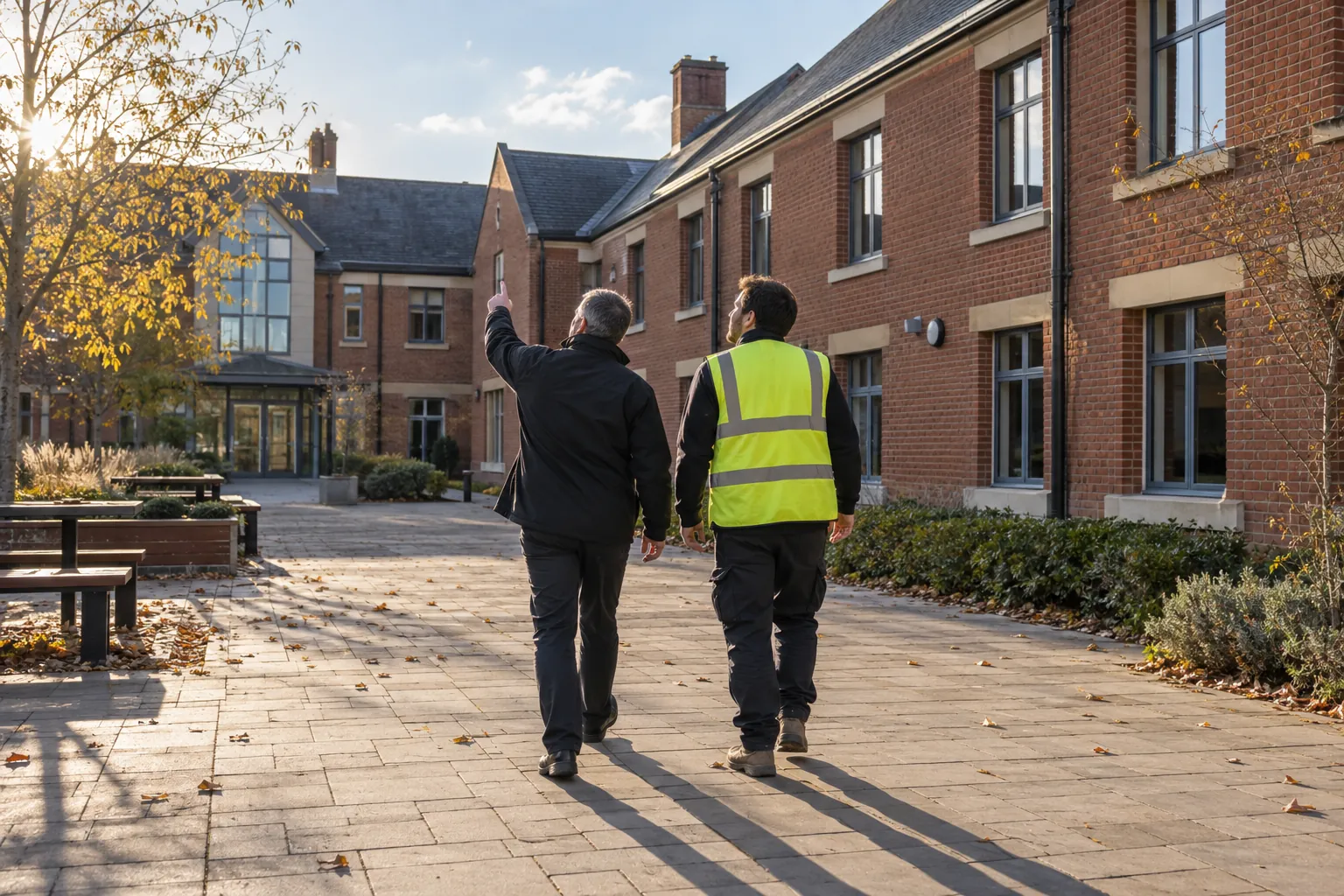 Premises and facilities managementPremises manager: what the job involves, and how to run it wellWhat a premises manager does in a college, charity, housing provider or trust: the compliance calendar, contractors, security, budgets and reporting.
 Premises and facilities managementRacking inspection: who checks pallet racking, how often, and what to recordRacking inspection in the UK: the PUWER duty, HSG76's three levels, a weekly checklist, red, amber and green damage, SEMA expert inspections and the records to keep.
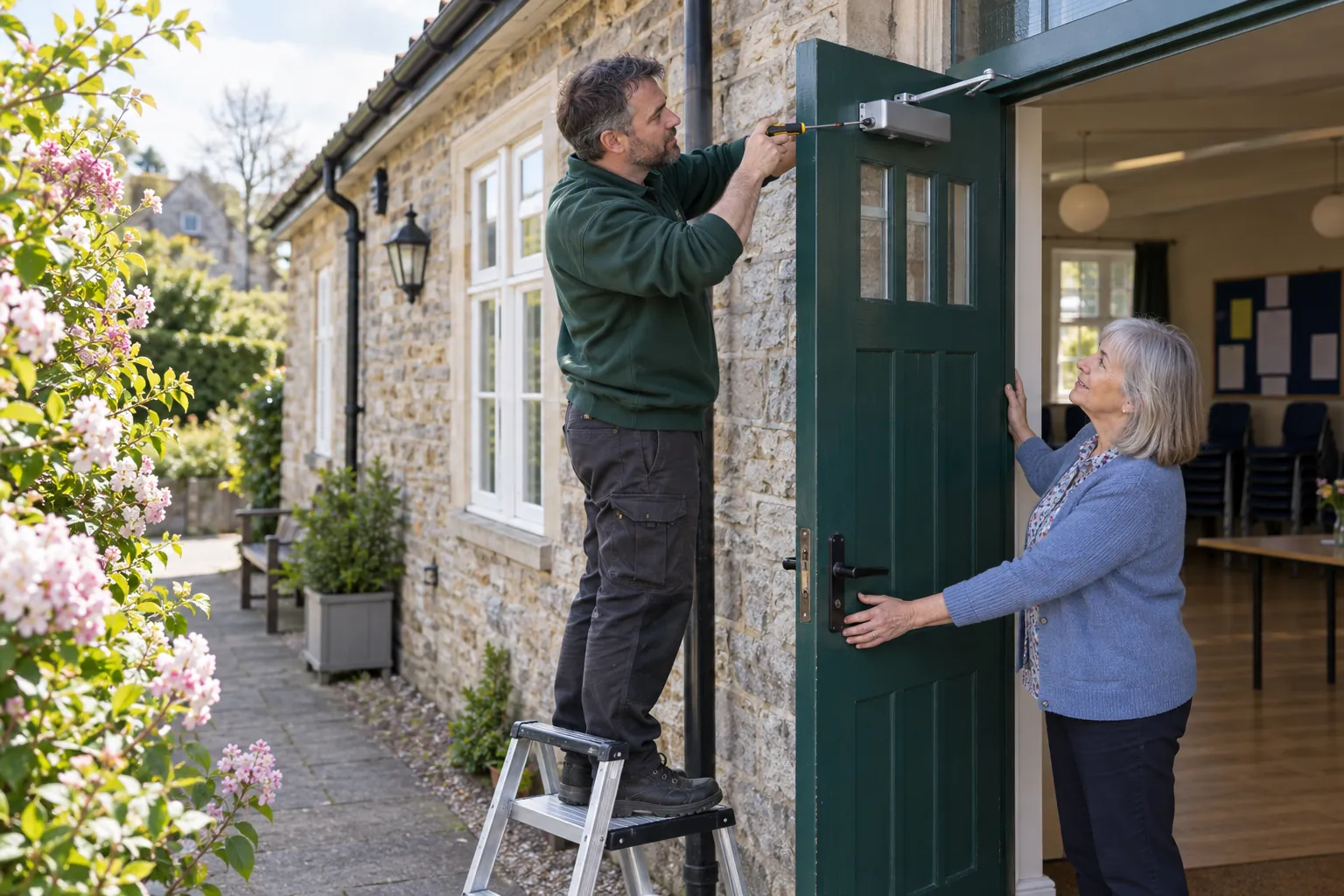 Premises and facilities managementReactive maintenance: how to run it well, and keep it in proportionHow to run reactive maintenance in a UK building: priorities and response times, the balance with planned work, costs, contractors and closing the loop.
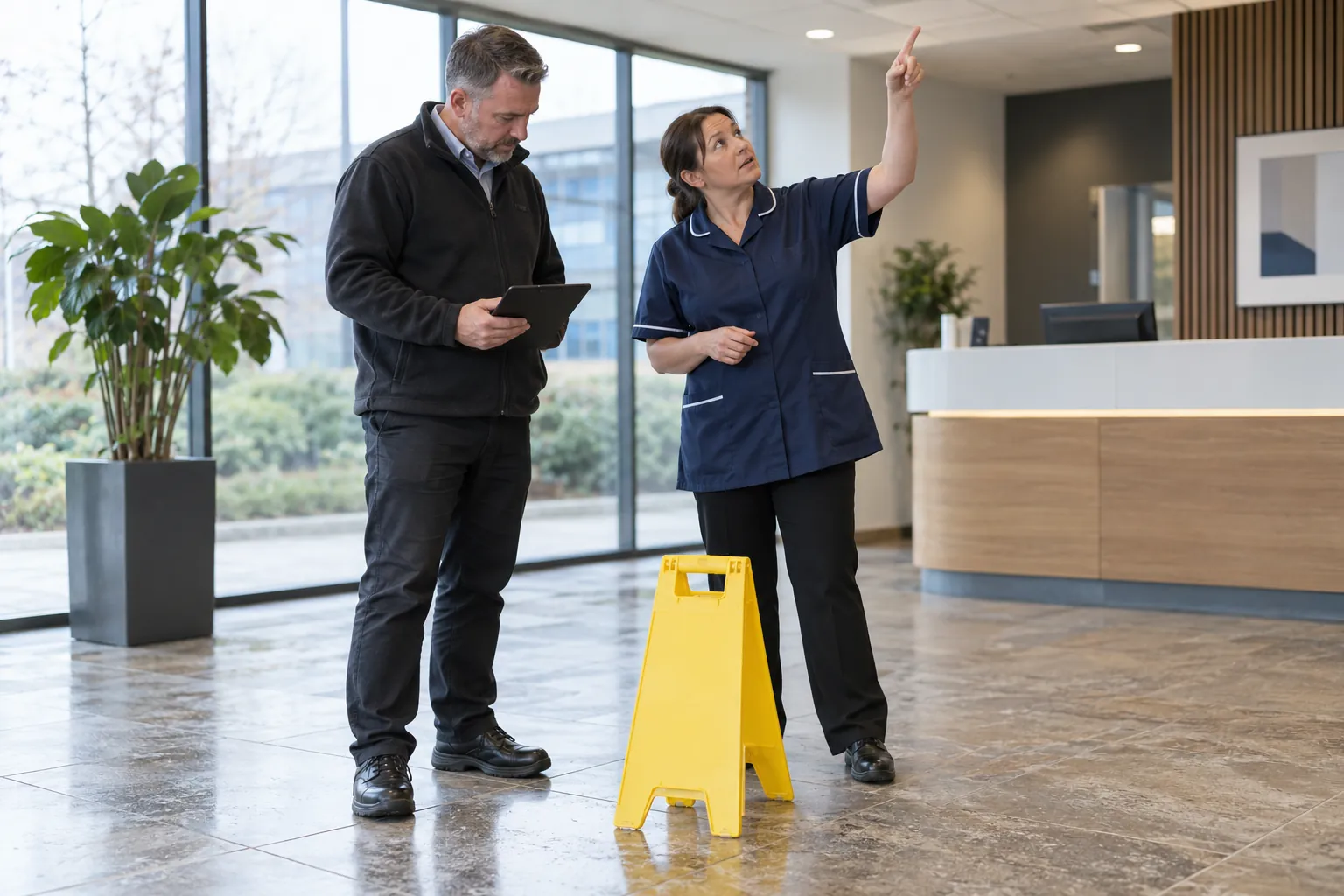 Premises and facilities managementRIDDOR reporting: what must be reported, by when, and by whomRIDDOR reporting explained: the reportable injuries, the over-seven-day rule, the 10 and 15 day deadlines, how to report to HSE and who in a building must report.
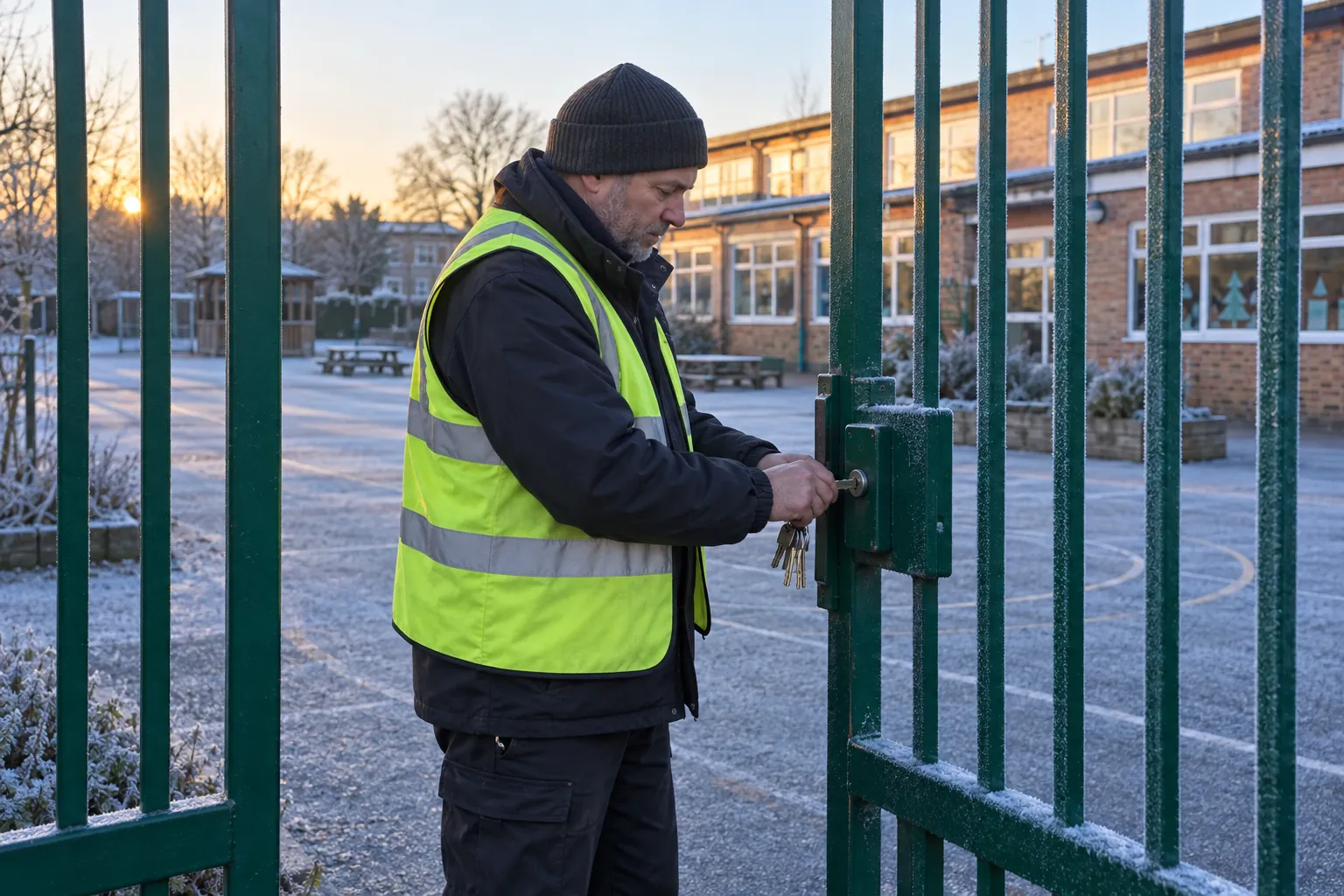 Premises and facilities managementSchool site manager duties: the role, the routine checks and the recordWhat a school site manager does: security, health and safety checks, repairs, cleaning and contractors, how often checks are due, and how to record them.
 Premises and facilities managementSoft facilities management: what it covers, how it is bought, how it is measuredWhat soft facilities management covers compared with hard FM, how soft FM is contracted, from single service to total FM, and how performance is shown.
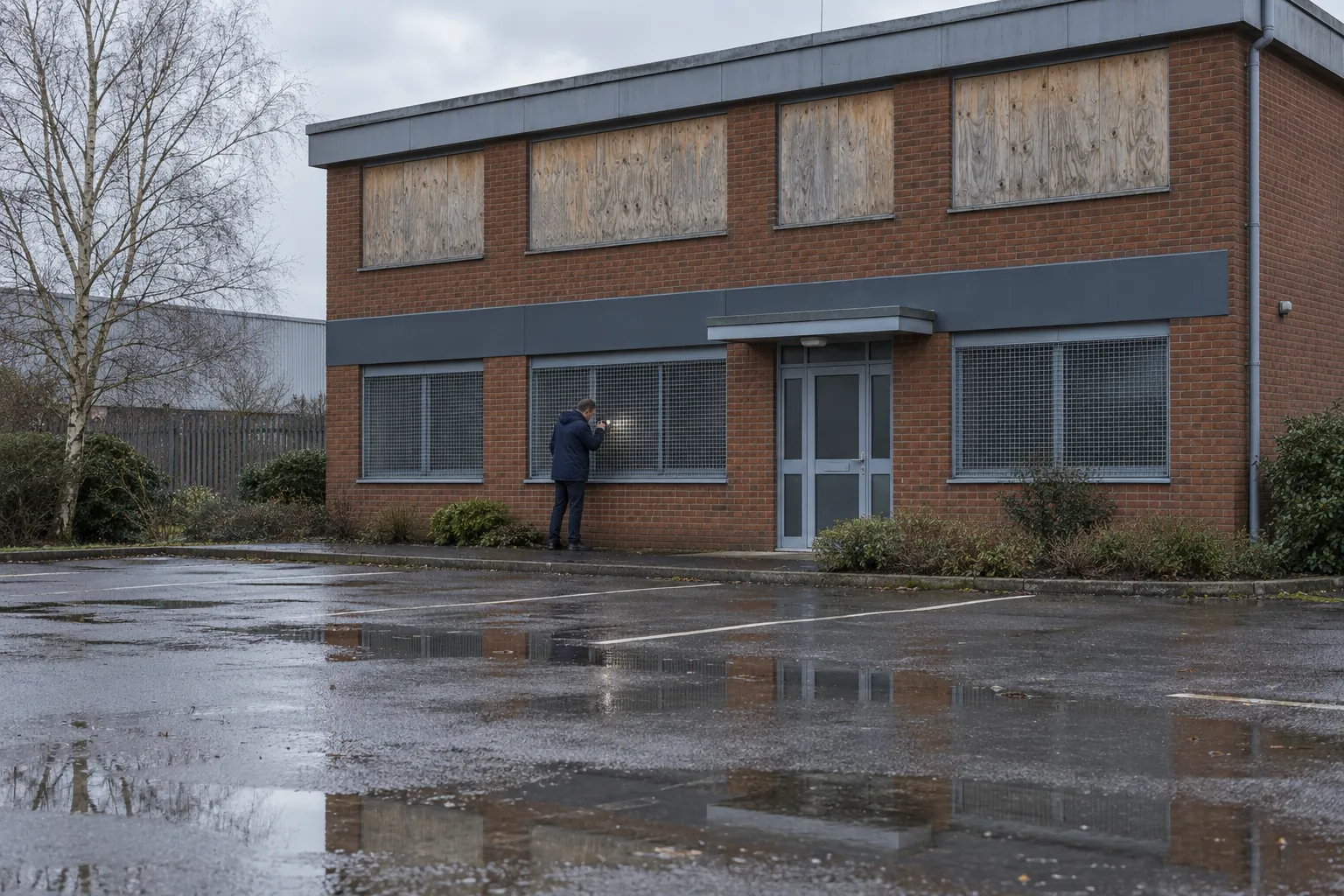 Premises and facilities managementVoid property inspection: what to check, how often, and what to recordHow to inspect an empty commercial or residential property: security, weather, water, fire and the insurer's conditions, and the record that shows it was done.
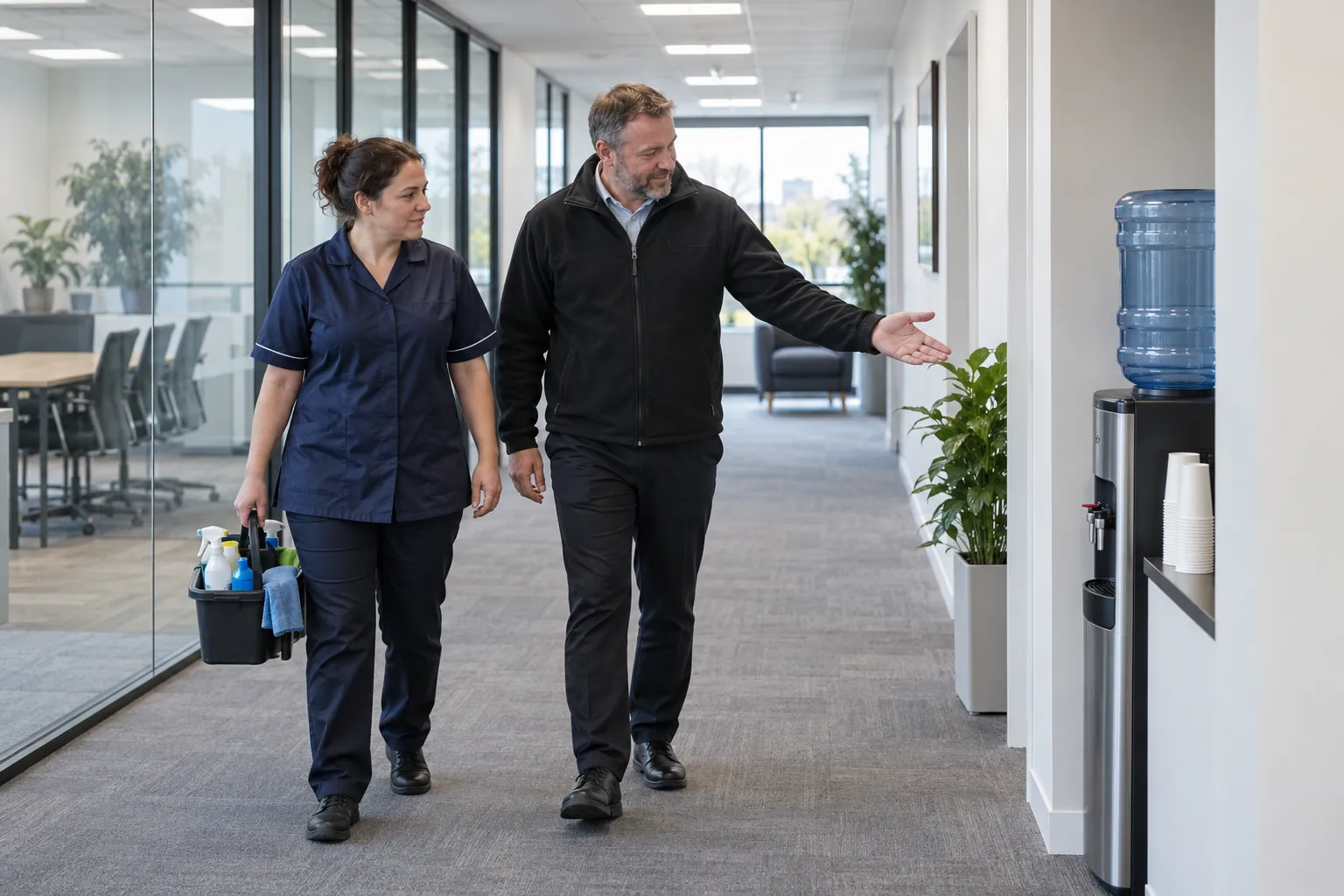 Premises and facilities managementThe Workplace Regulations 1992: what they require of a building, and how to show itWhat the Workplace (Health, Safety and Welfare) Regulations 1992 require of a building: maintenance, cleaning, floors, toilet numbers and welfare facilities.