Guides · United States · 80 guides
Guides for janitorial contractors in the US
A cleaning contract is judged on what can be shown: the schedule was kept, the audit was done, the problem was put right. These guides cover the checks, records and client reports a janitorial contractor is asked for, and the health and safety duties set by OSHA.
Other countries: United Kingdom · Ireland · Canada · Australia · New Zealand · South Africa
Cleaning 63 guides
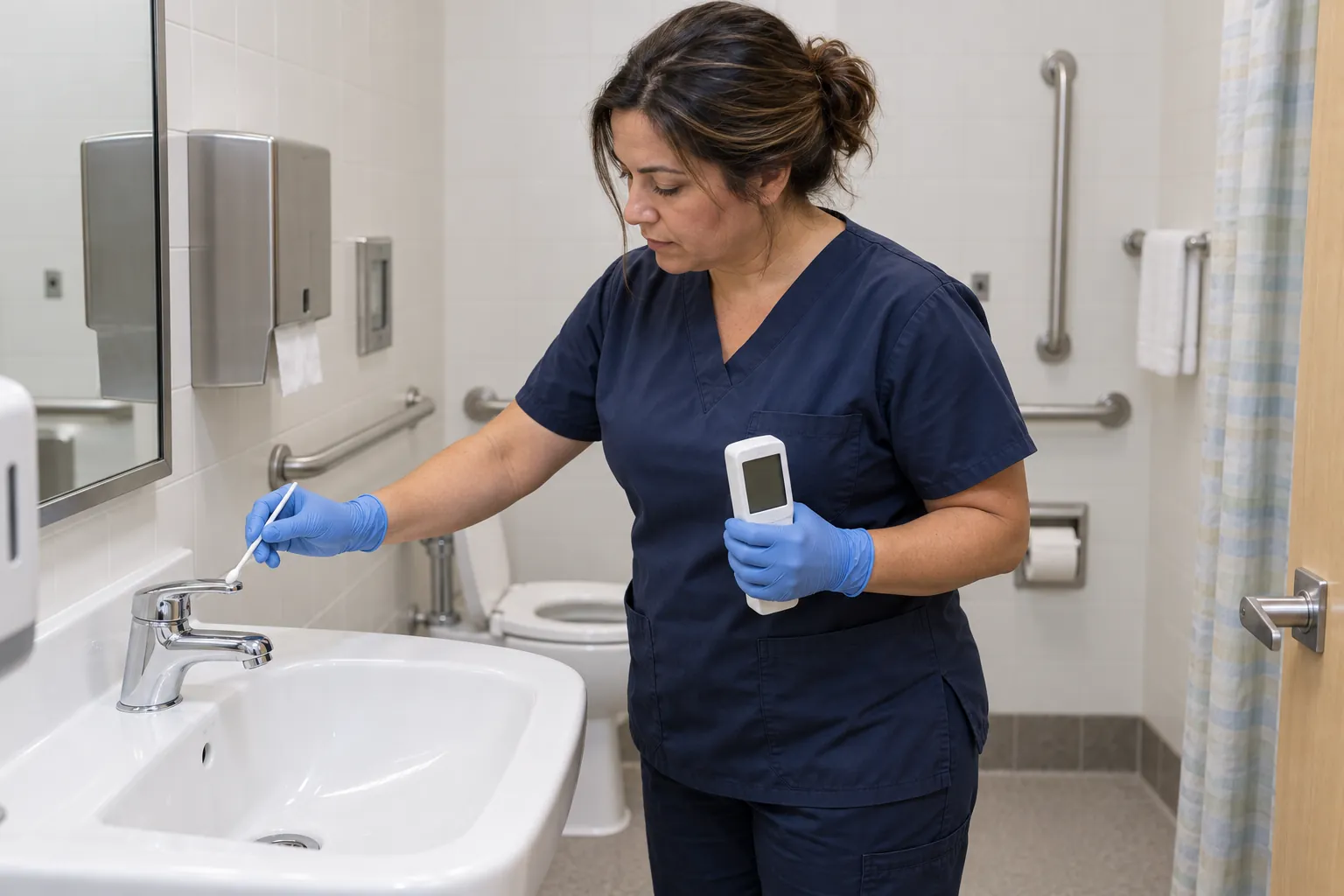 CleaningATP testing: what the reading tells you, and how to run a program that means somethingHow ATP testing works, what a reading in RLU does and does not tell you, what the CDC says about using it, and how to run and record an ATP program that holds up.
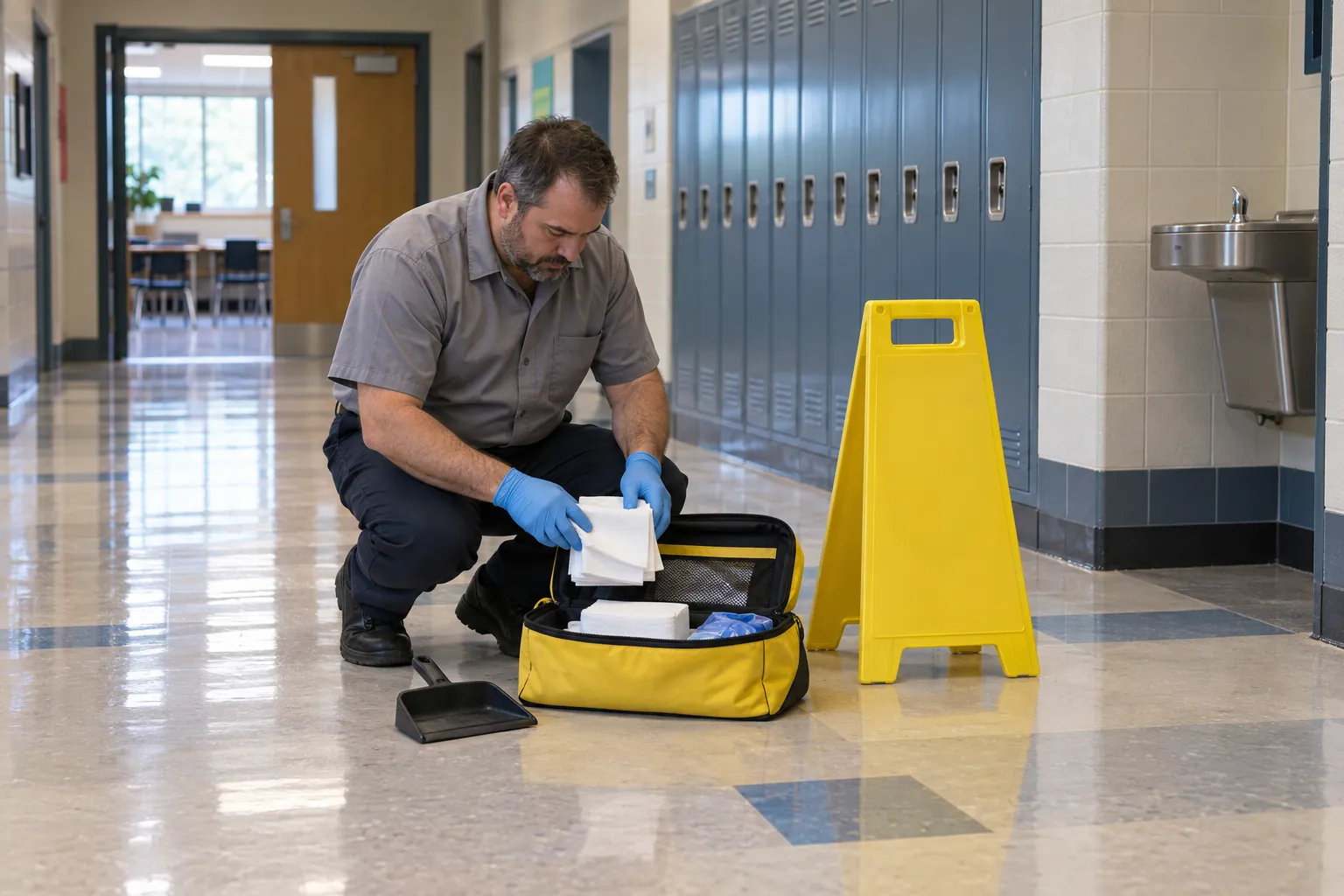 CleaningBlood spill cleanup: doing it safely, and showing it was doneHow to clean up a blood spill at work under OSHA's bloodborne pathogens standard: PPE, sharps, disinfectants, waste, training and the record to keep.
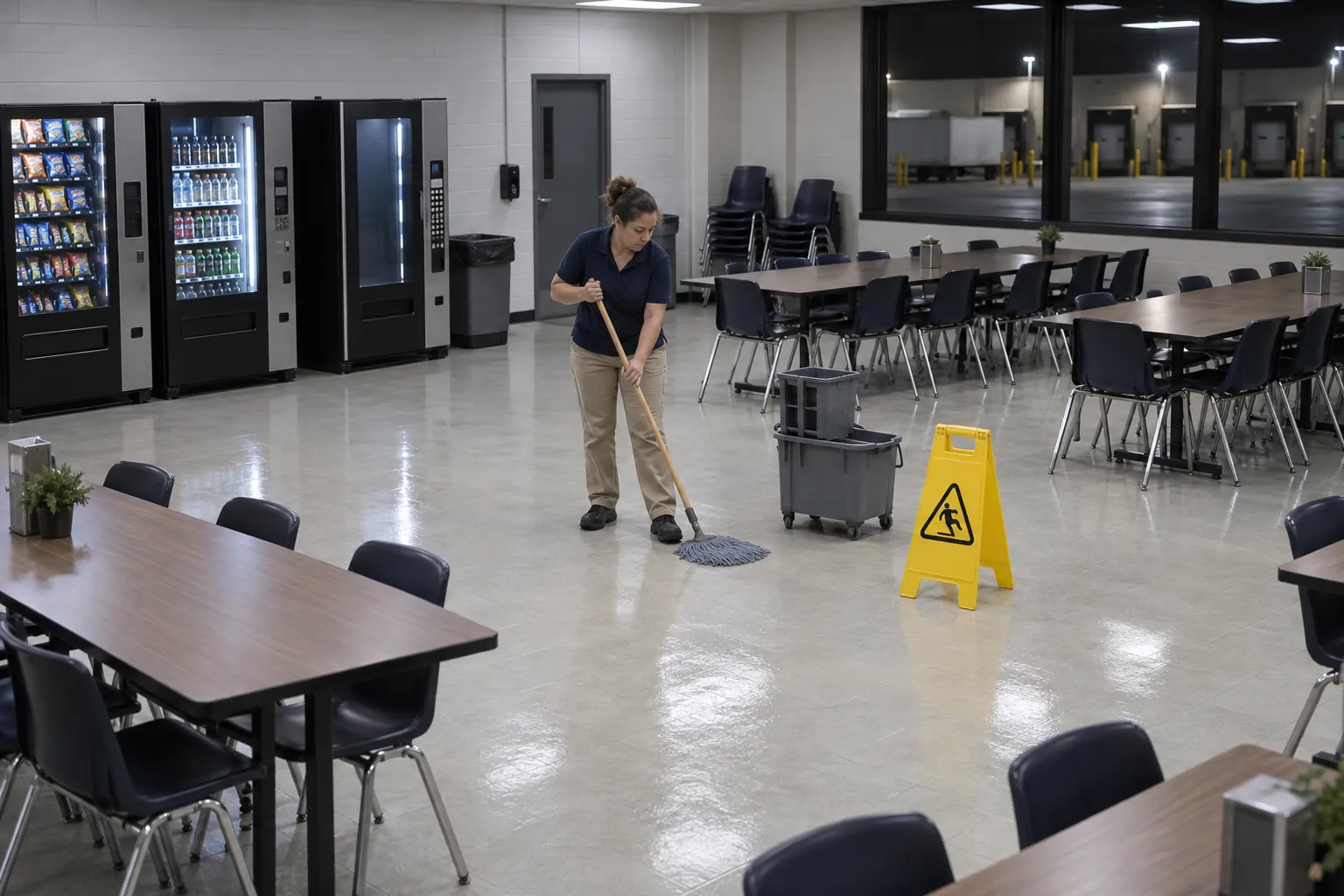 CleaningBreakroom cleaning checklist: what to clean, how often, and who owns the refrigeratorA breakroom cleaning checklist by surface and frequency, the OSHA sanitation rules behind it, who cleans the refrigerator, and how to show the work was done.
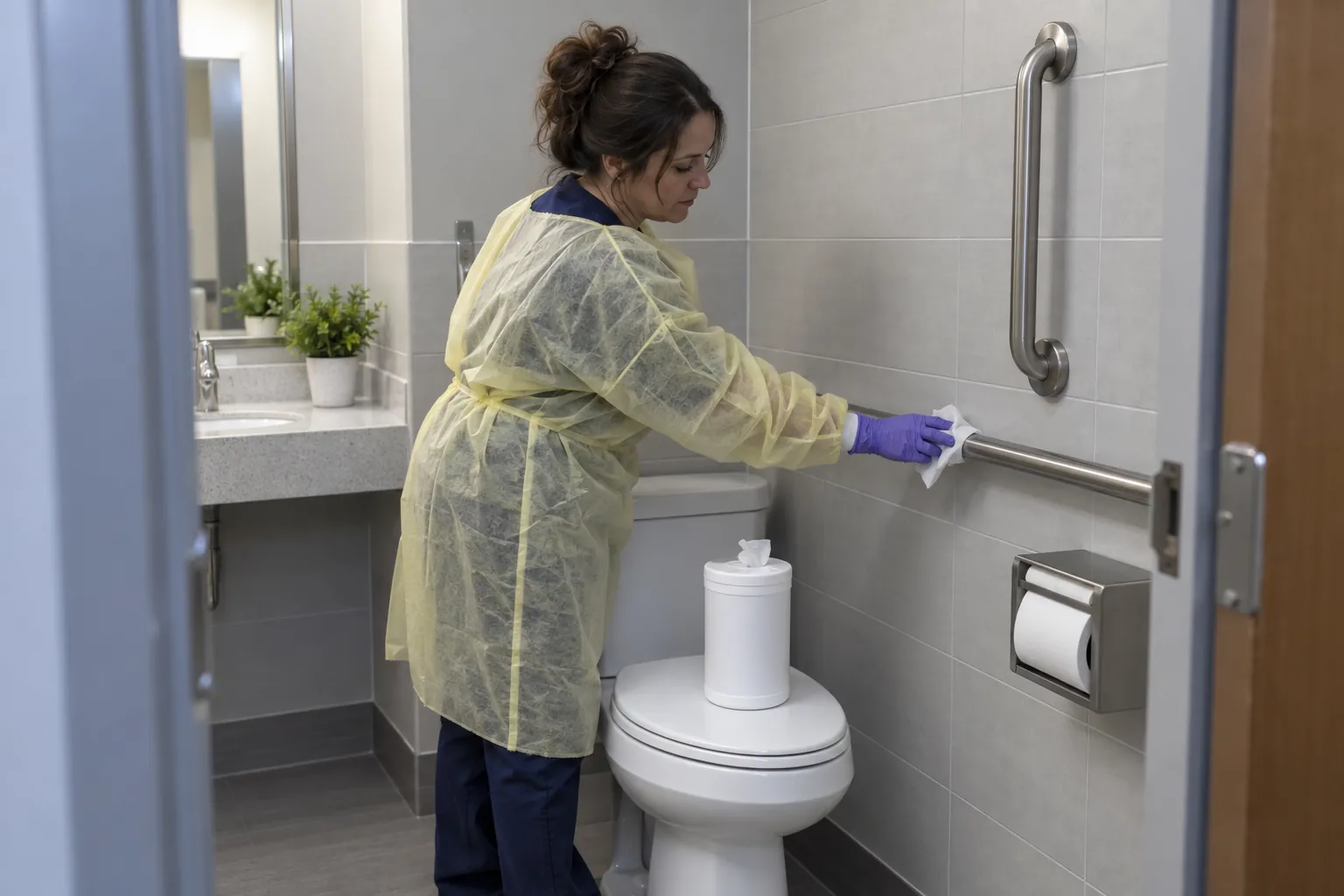 CleaningC. diff cleaning: killing the spores, and showing it was doneHow to clean for C. diff: why ordinary disinfectants miss the spores, choosing a List K product, daily and discharge cleans, and how to show each clean was done.
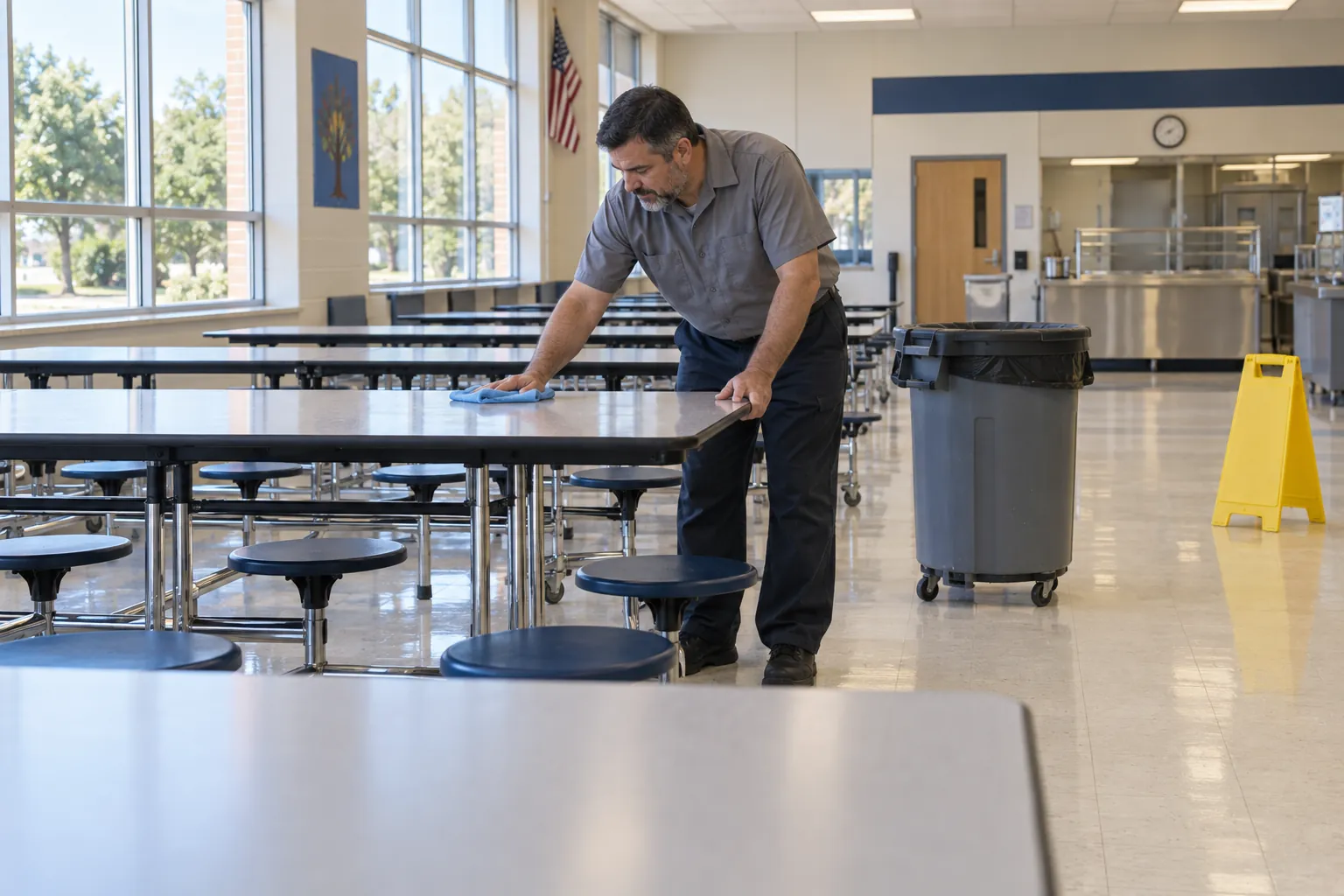 CleaningCafeteria cleaning checklist: what to clean, when, by whom, and how to show it was doneA cafeteria cleaning checklist built on the FDA Food Code: what to clean during service, between meals and at close, who does it, and the record that proves it.
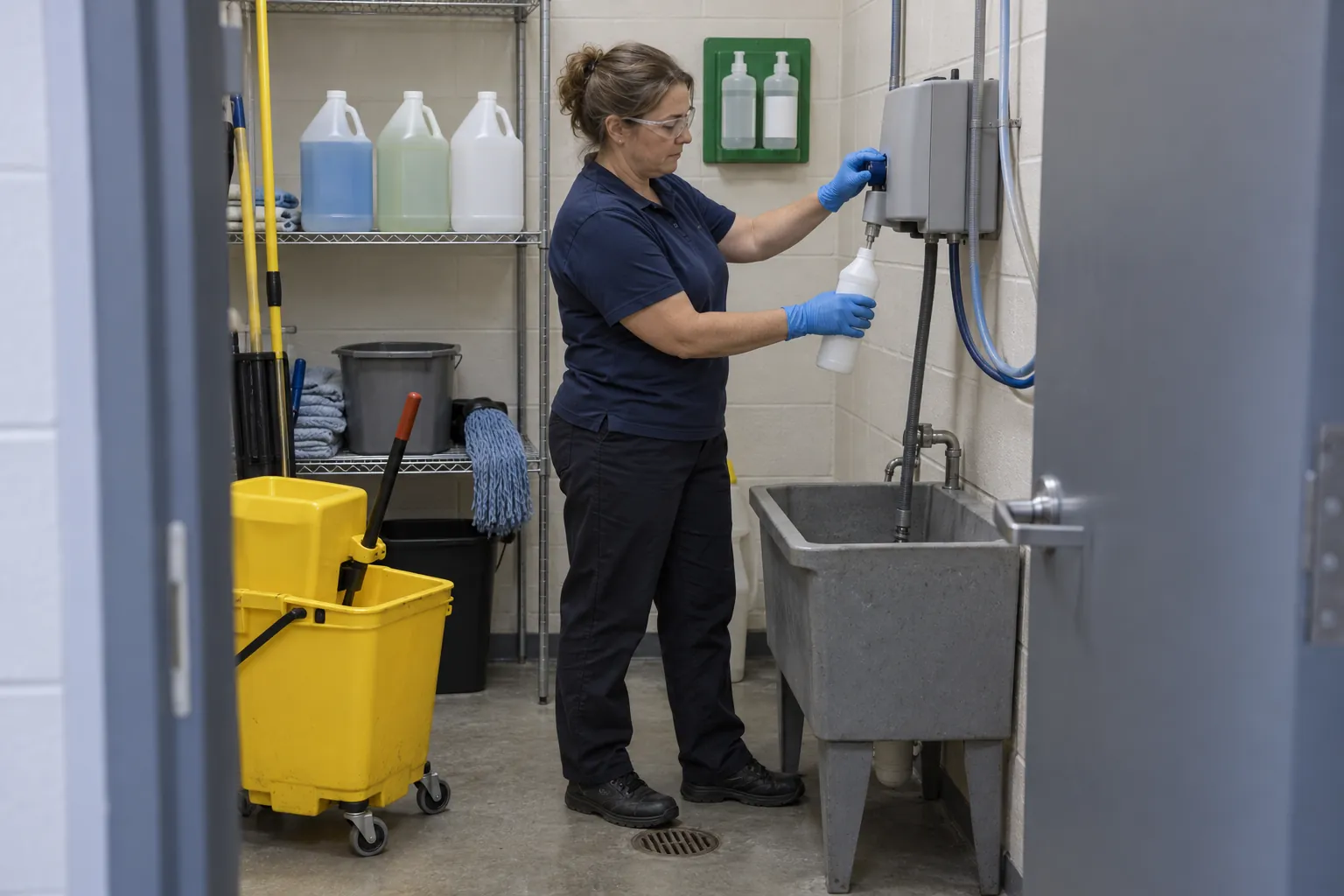 CleaningChemical dilution control: getting the mix right, every bottle, every shiftHow a chemical dilution control system works, what OSHA HazCom and EPA labels require, how to check dispensers and bottles, and what the record should show.
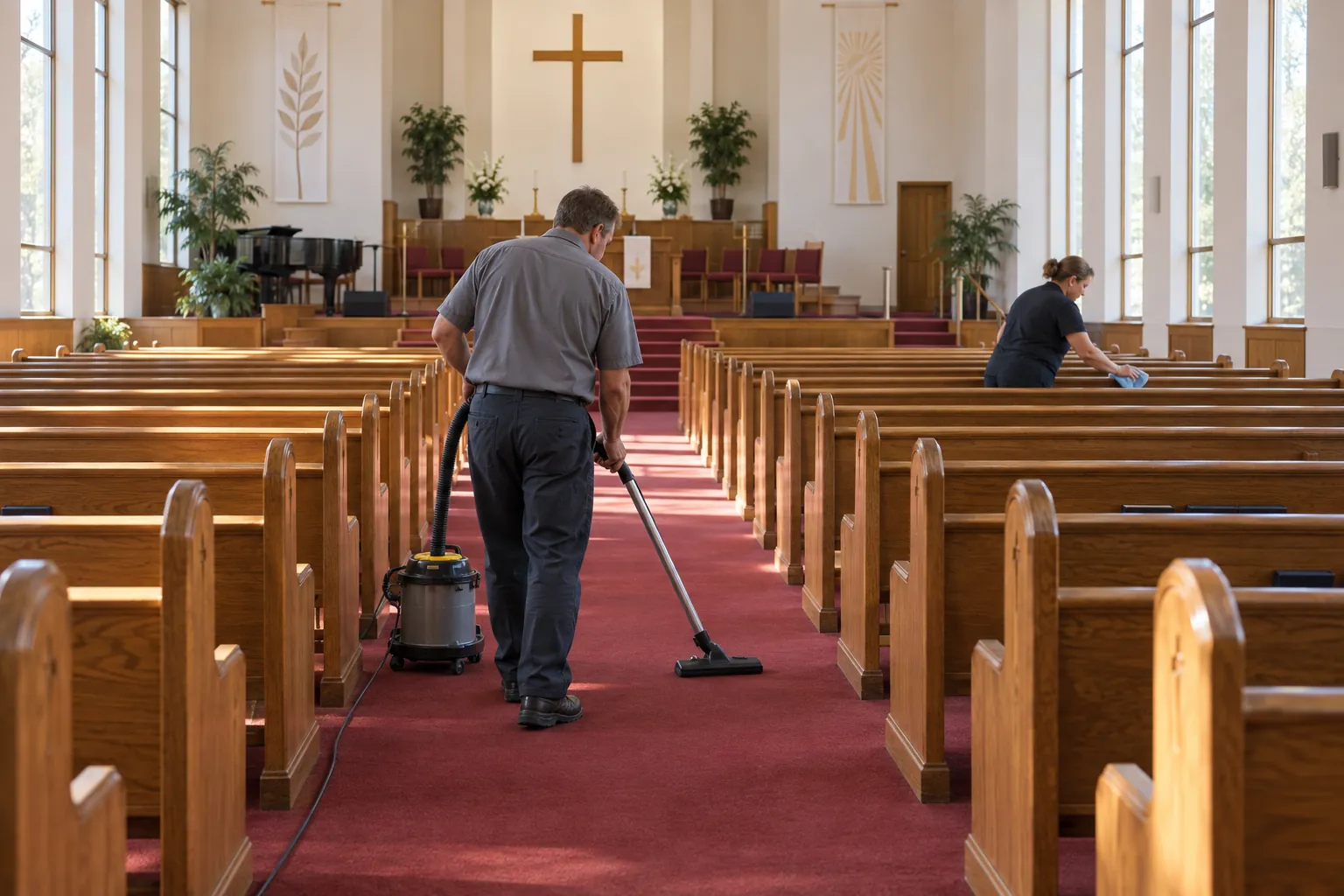 CleaningChurch cleaning checklist: what to clean, how often, and who signs it offA church cleaning checklist by area and frequency: sanctuary, restrooms, nursery, kitchen and fellowship hall, with the OSHA and CDC guidance that applies.
 CleaningCIMS certification: what the cleaning management standard is, and what it showsWhat ISSA's Cleaning Industry Management Standard covers, how CIMS certification and CIMS-GB work, and what janitorial buyers and contractors use it for.
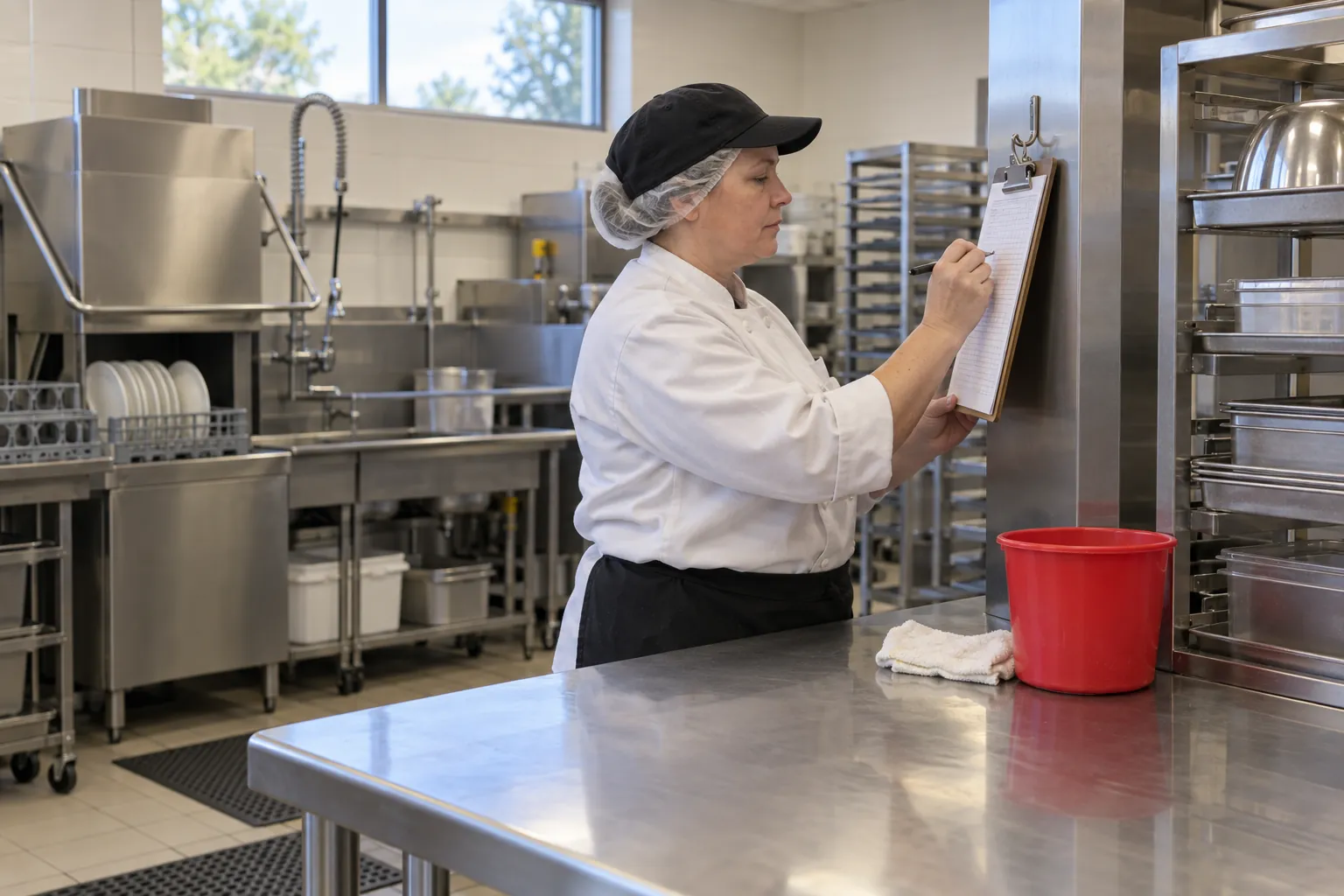 CleaningCleaning log sheet: what to record, who initials it, and what it provesWhat a cleaning log sheet should record in offices, break rooms, kitchens and clinics, the OSHA and Food Code rules behind it, and what each set of initials proves.
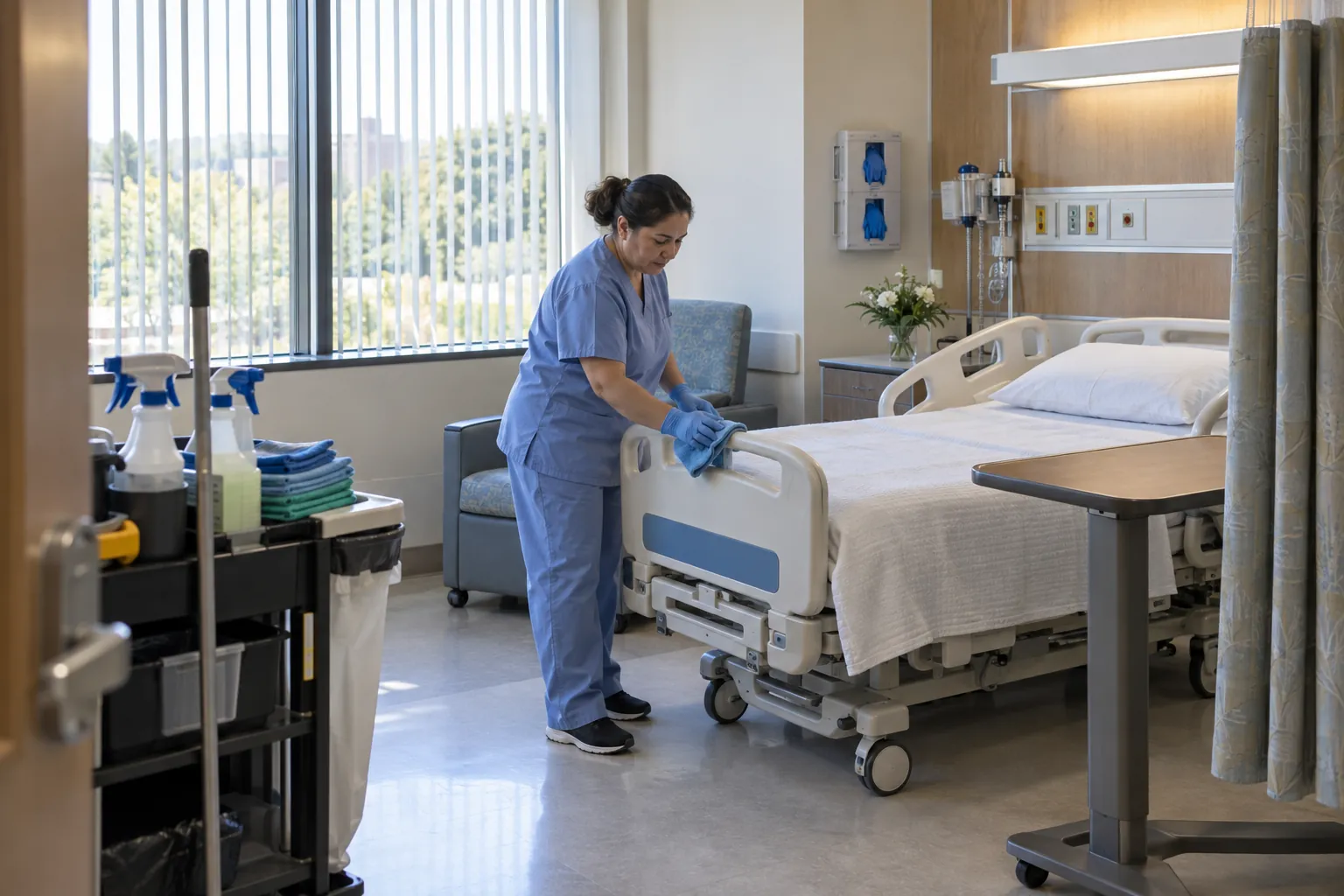 CleaningCleaning standards in the US: a map, and how to chooseA map of US cleaning standards: OSHA, CDC and CMS rules for healthcare, the FDA Food Code, EPA disinfectant labels, APPA levels, CIMS and GS-42, and how to choose.
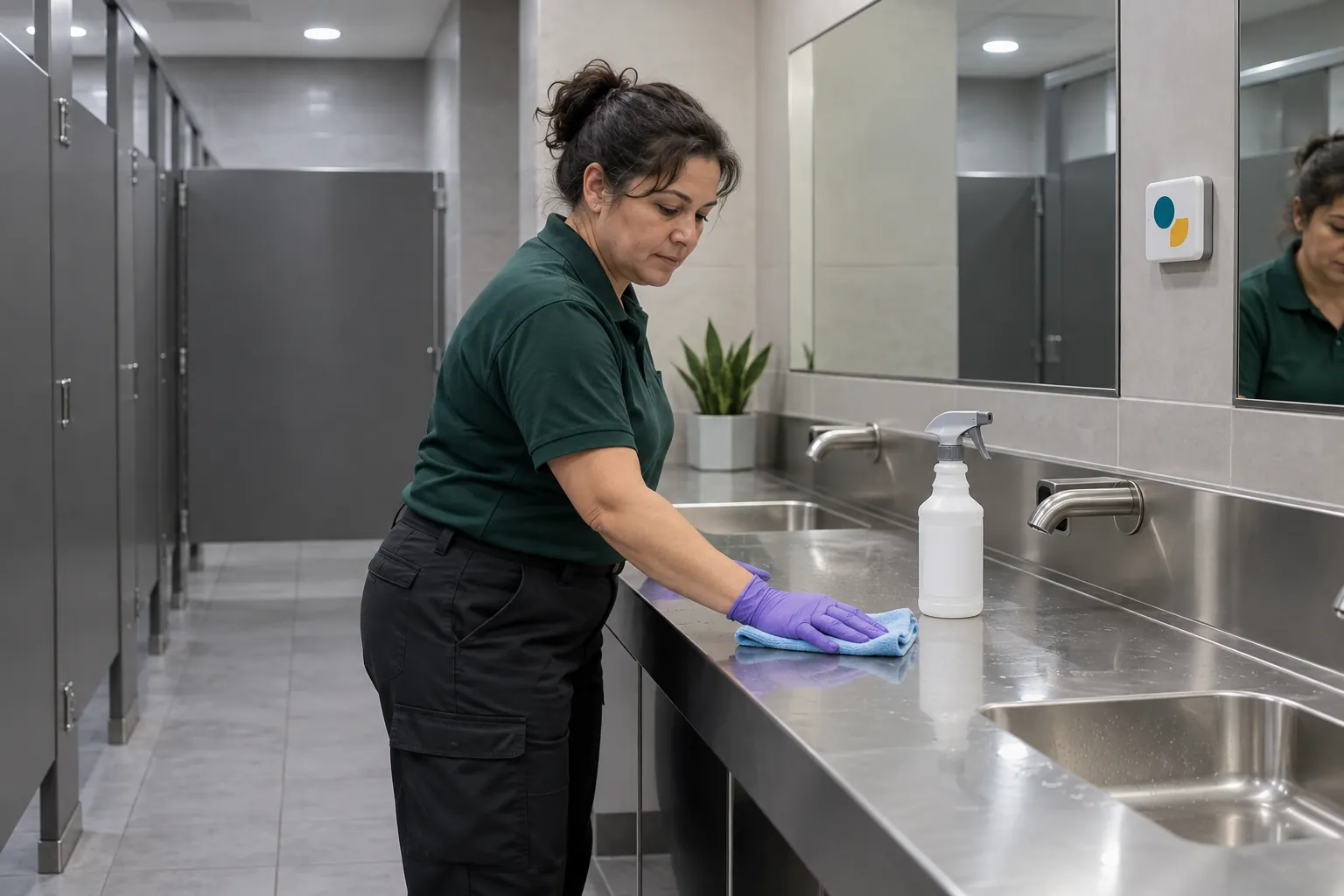 CleaningCleaning, sanitizing and disinfecting: what each one does, and when a building needs itCleaning, sanitizing and disinfecting defined by the CDC, EPA and FDA Food Code: when each is needed, how to do it right, and what the record should show.
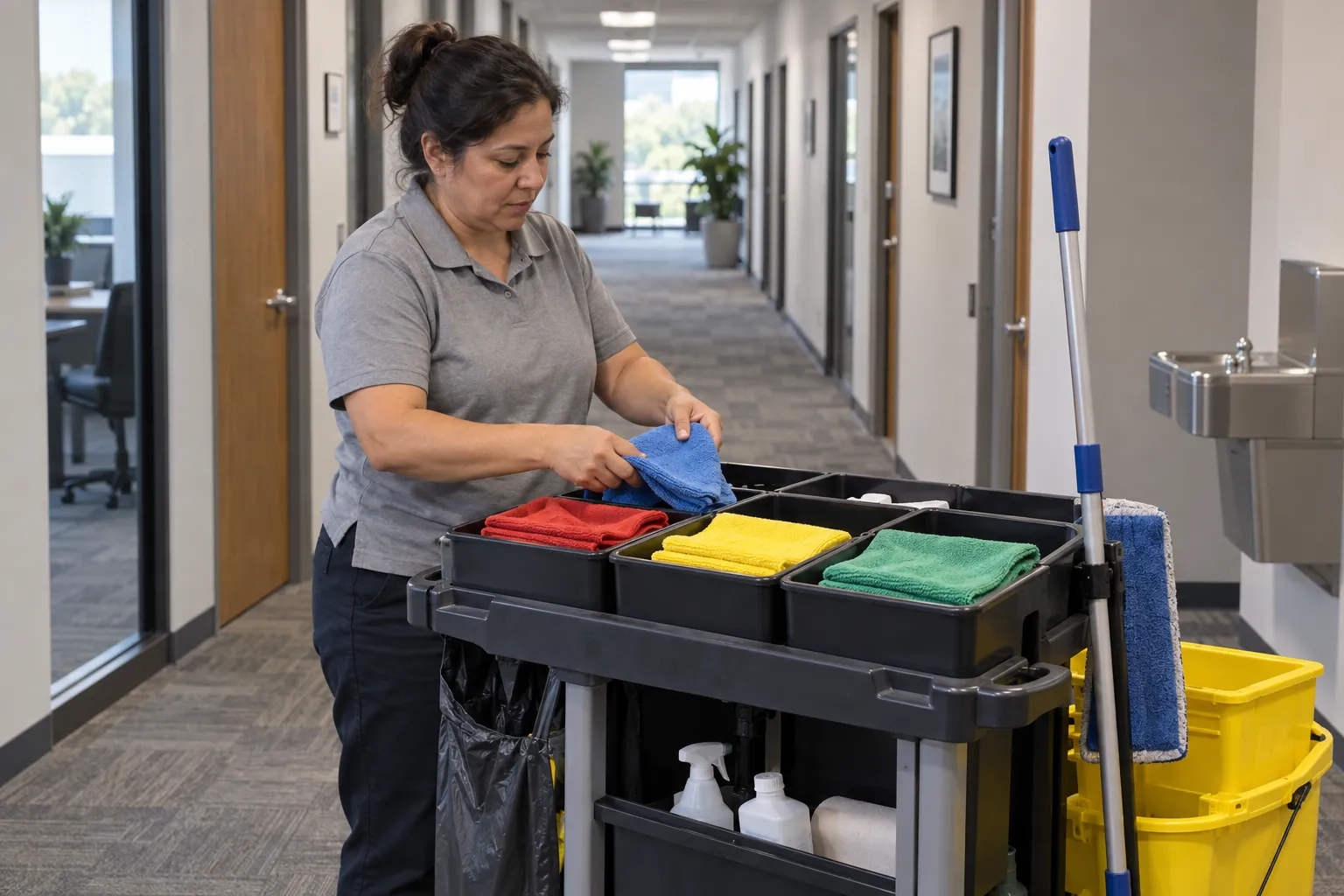 CleaningColor-coded cleaning: keeping the restroom cloth out of the break roomHow a color-coded cleaning system works: choosing zones and colors, writing the chart, keeping cloths and mops apart in practice, and checking the system holds.
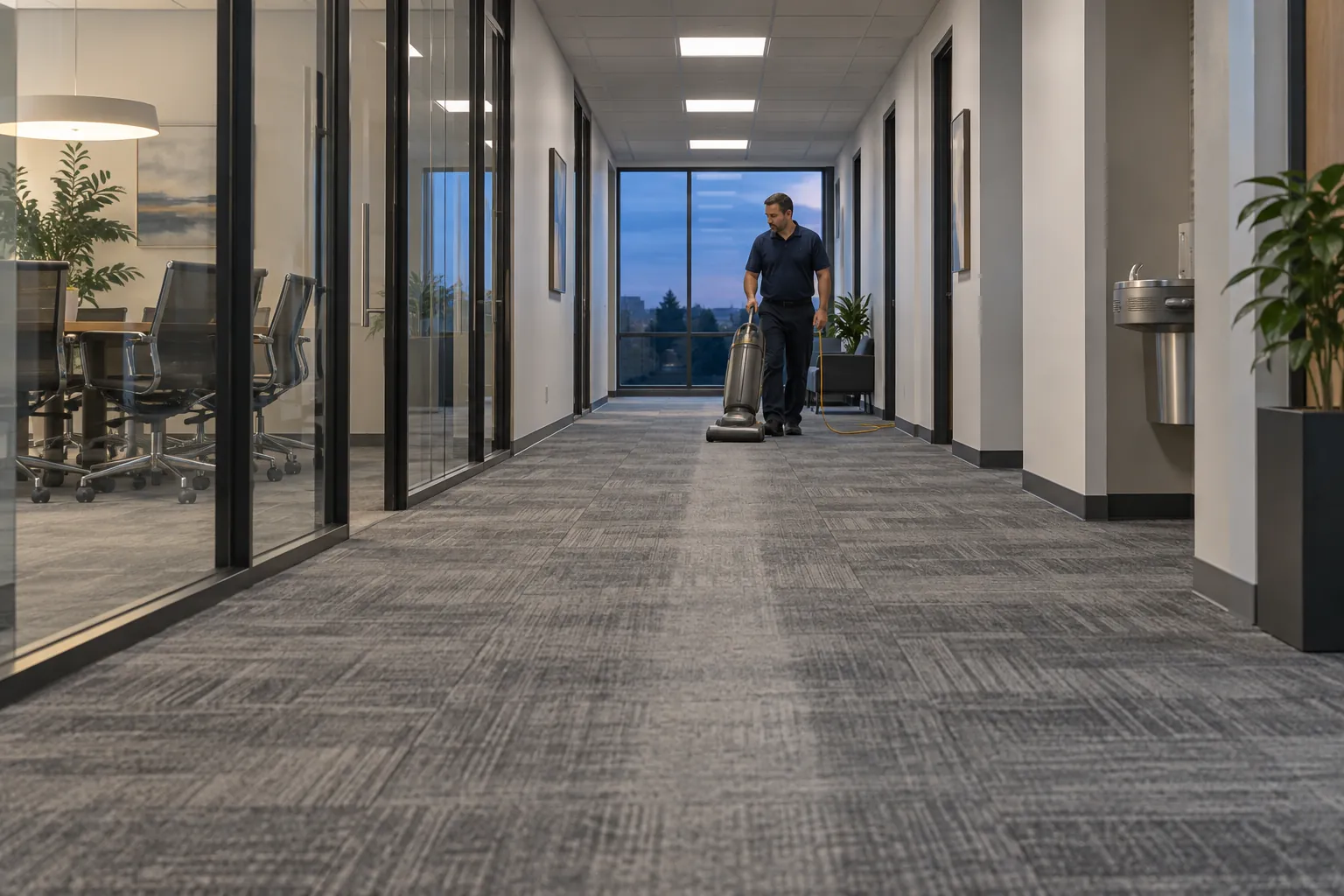 CleaningCommercial carpet maintenance: the program, the frequencies and the record behind themCommercial carpet maintenance for janitorial teams: CRI 204 and IICRC S100, vacuuming and extraction frequencies by traffic, spotting, and records that hold up.
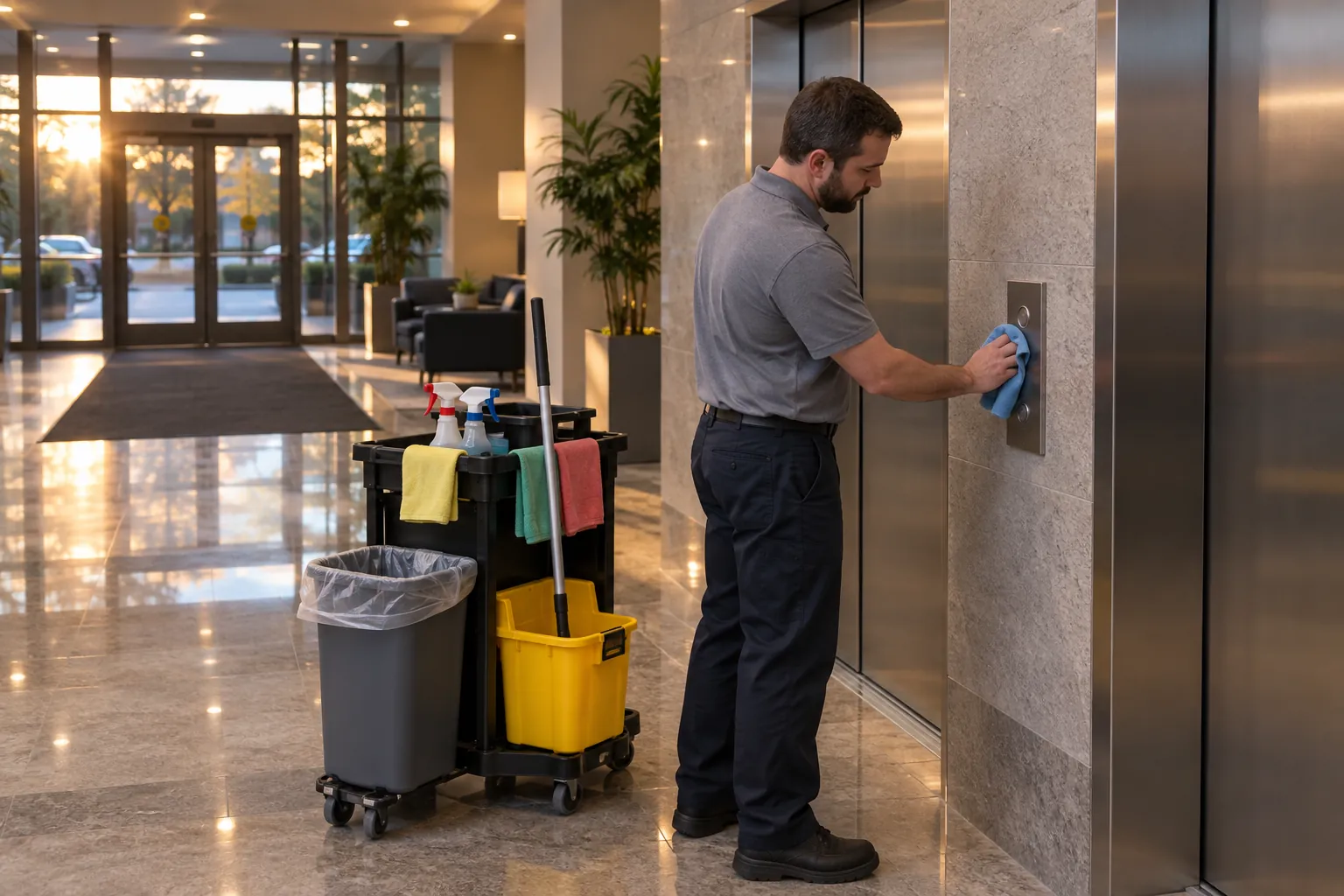 CleaningCommercial cleaning checklist: area by area, and how to use itA commercial cleaning checklist for offices, lobbies, restrooms and shared areas, area by area, with the OSHA rules behind it and how a supervisor checks the work.
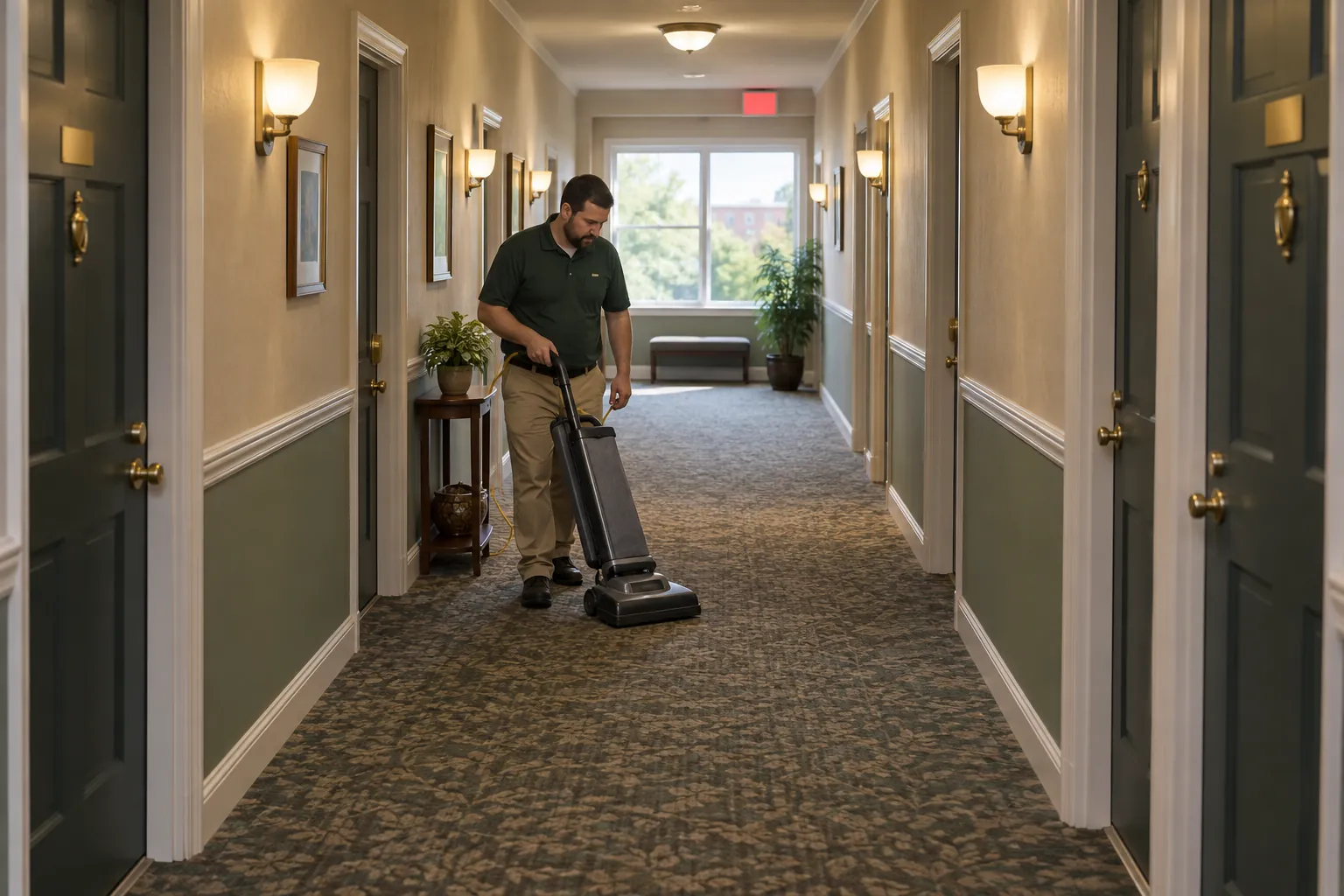 CleaningCommon area cleaning: what it covers, how often, and how to show it was doneWhat common area cleaning covers in apartment, condo and commercial buildings, how often, the OSHA and code rules behind it, and how to show each visit happened.
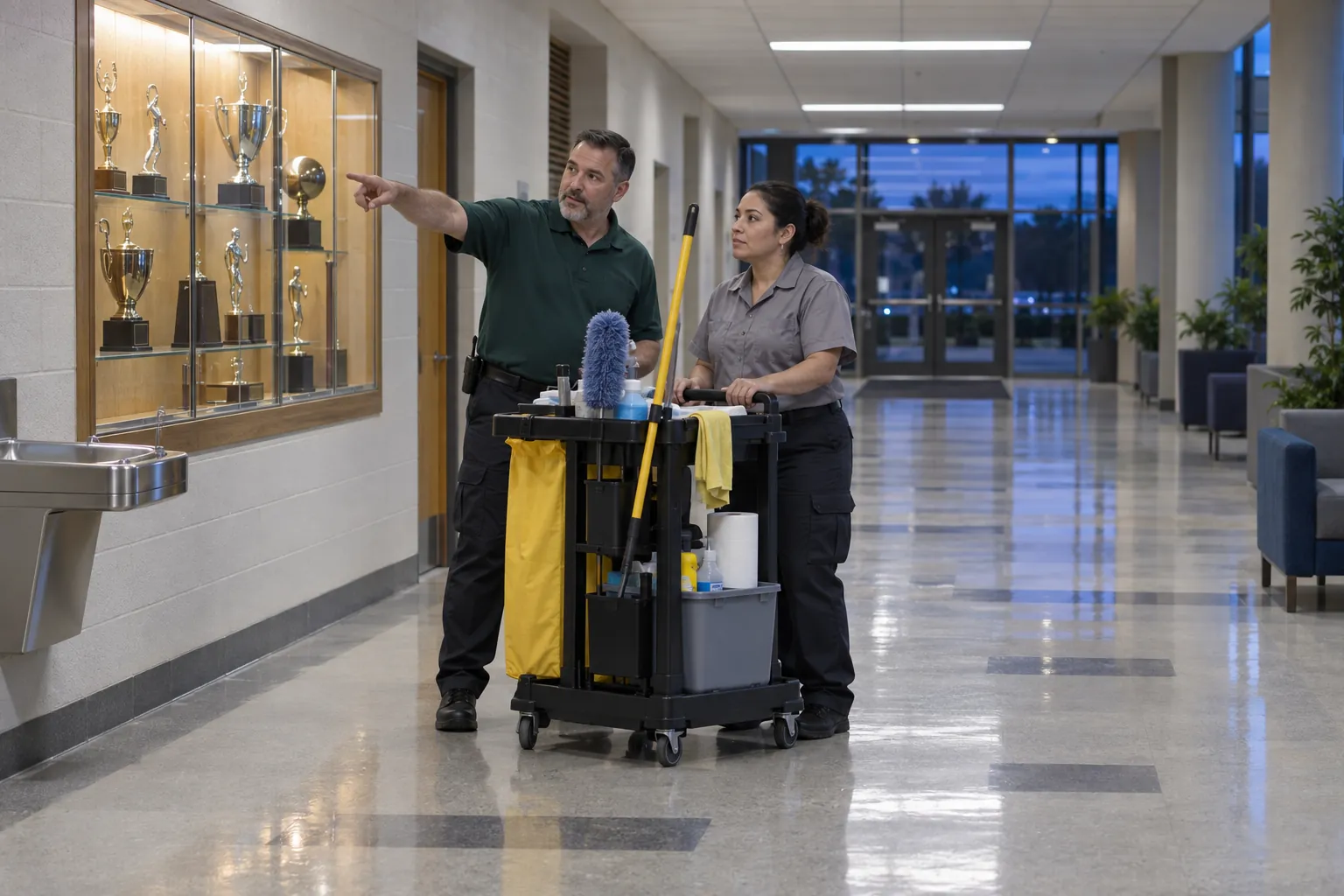 CleaningCustodial staffing: how many custodians a building needs, and how to show itHow to work out custodial staffing: cleanable square feet, APPA's five levels, ISSA cleaning times, labor hours to FTEs, and checking the numbers hold up.
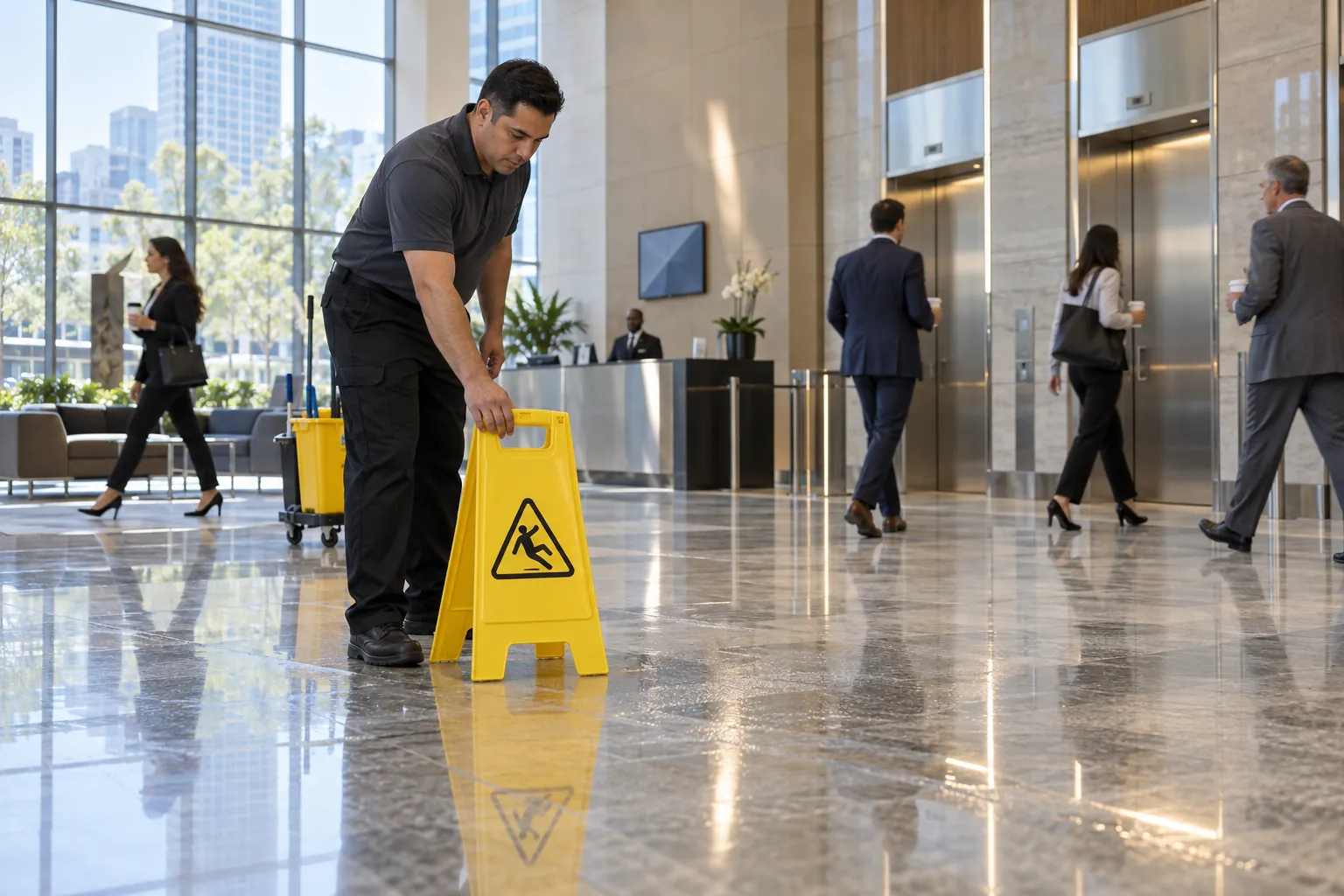 CleaningDay porter duties: what the job covers, and how to prove the roundsWhat a day porter does in an occupied building, a sample daily route, the OSHA rules behind the work, and how to show a client the rounds really happened.
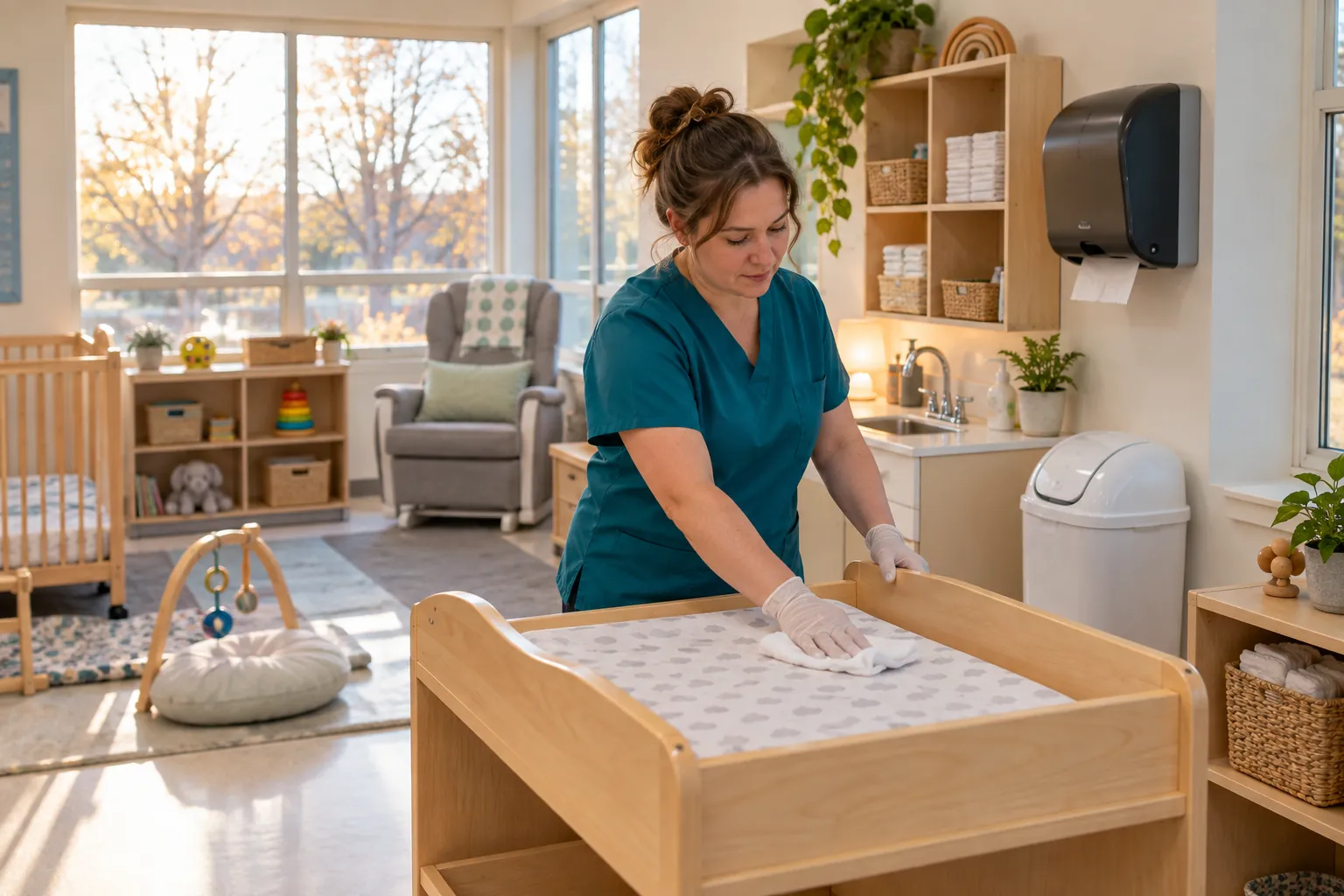 CleaningDaycare cleaning checklist: what to clean, sanitize and disinfect, and whenA daycare cleaning checklist by area and frequency, built on Caring for Our Children's routine schedule, state licensing rules and OSHA's bloodborne pathogens rule.
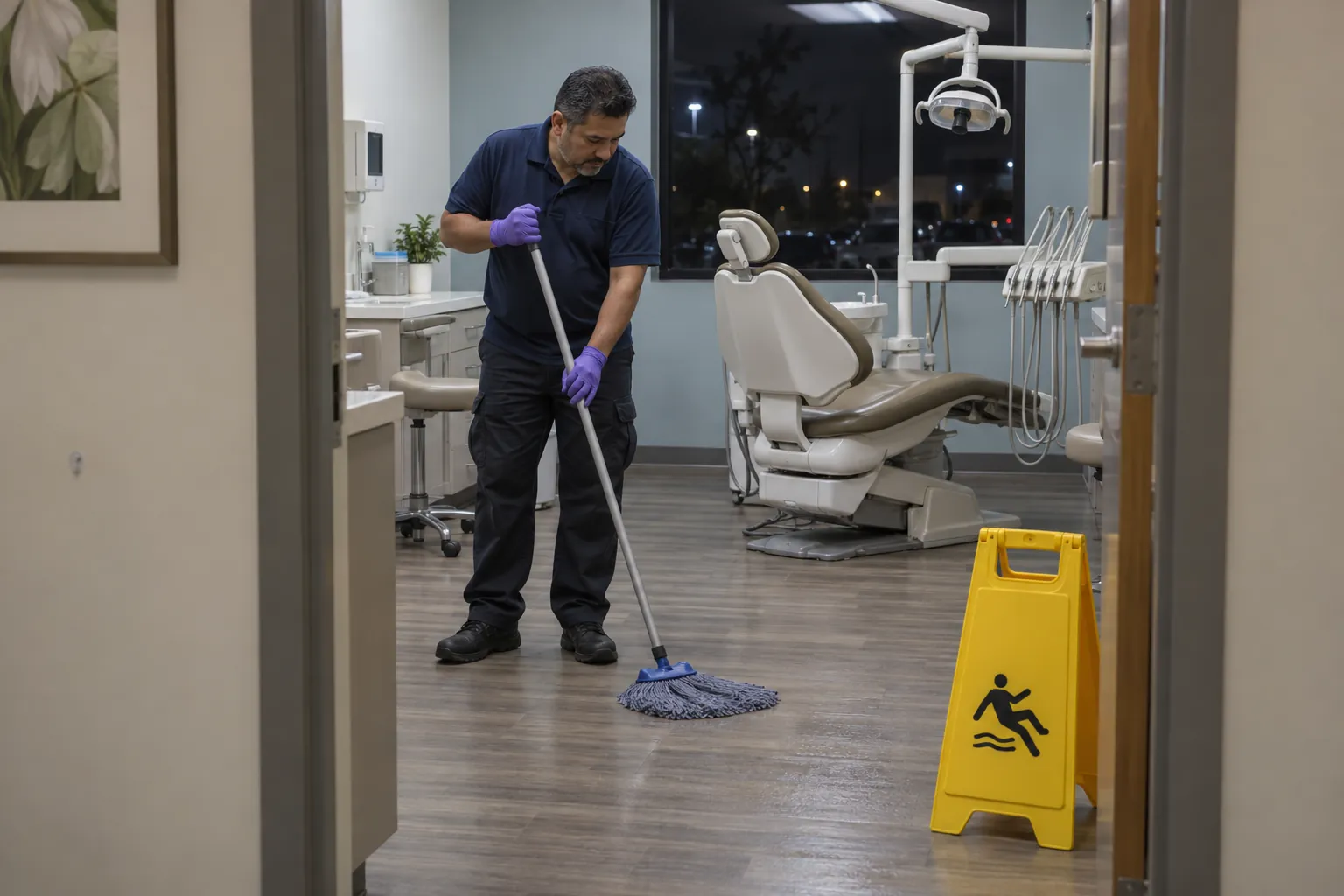 CleaningDental office cleaning: who cleans what, and how to show it was doneHow to clean a dental office: what CDC and OSHA expect, clinical contact versus housekeeping surfaces, the nightly janitorial scope, products, waste and records.
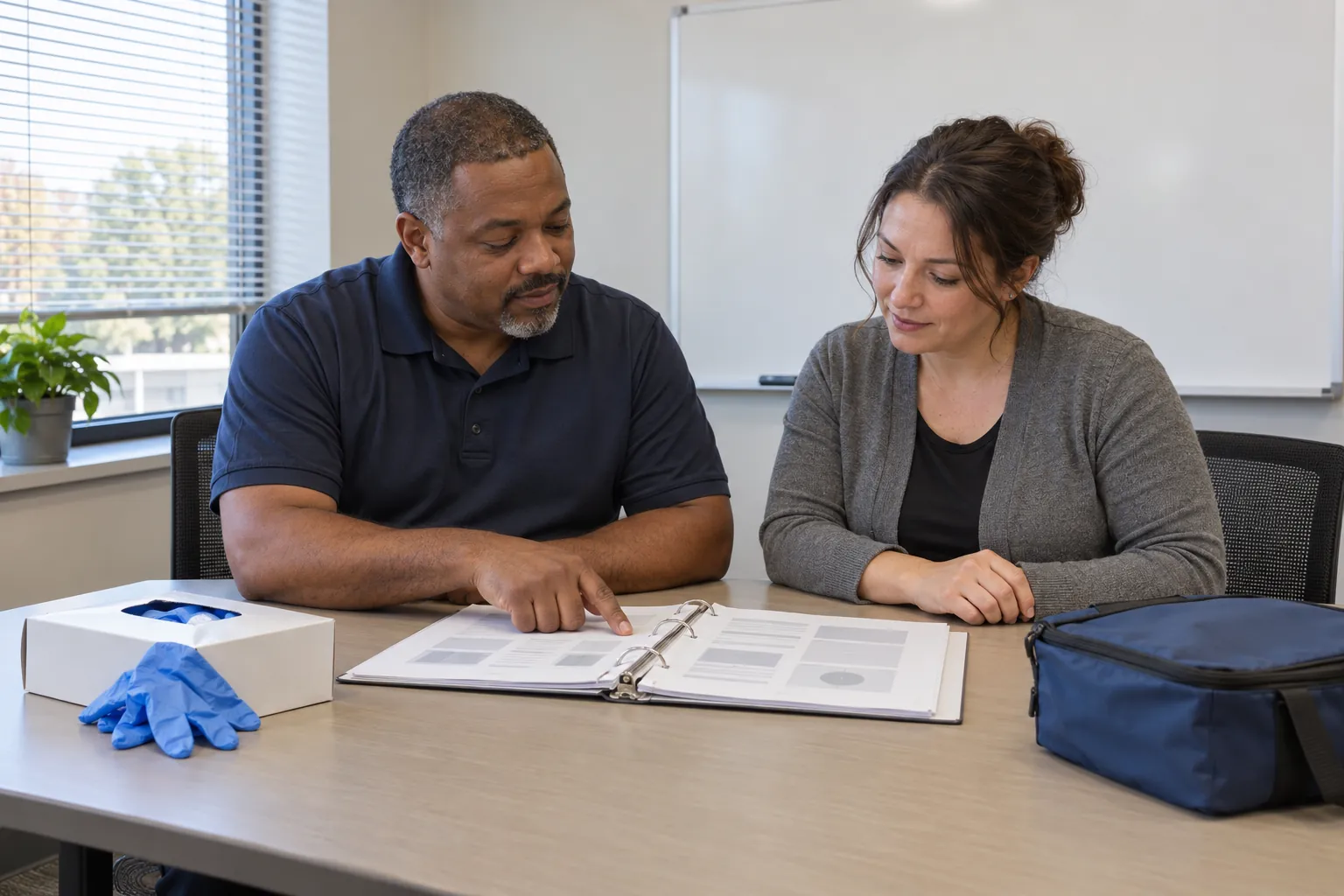 CleaningThe exposure control plan: what OSHA requires, and how to keep it trueWhat OSHA's bloodborne pathogens exposure control plan must contain under 29 CFR 1910.1030(c), how to use the model template, the annual review and the records.
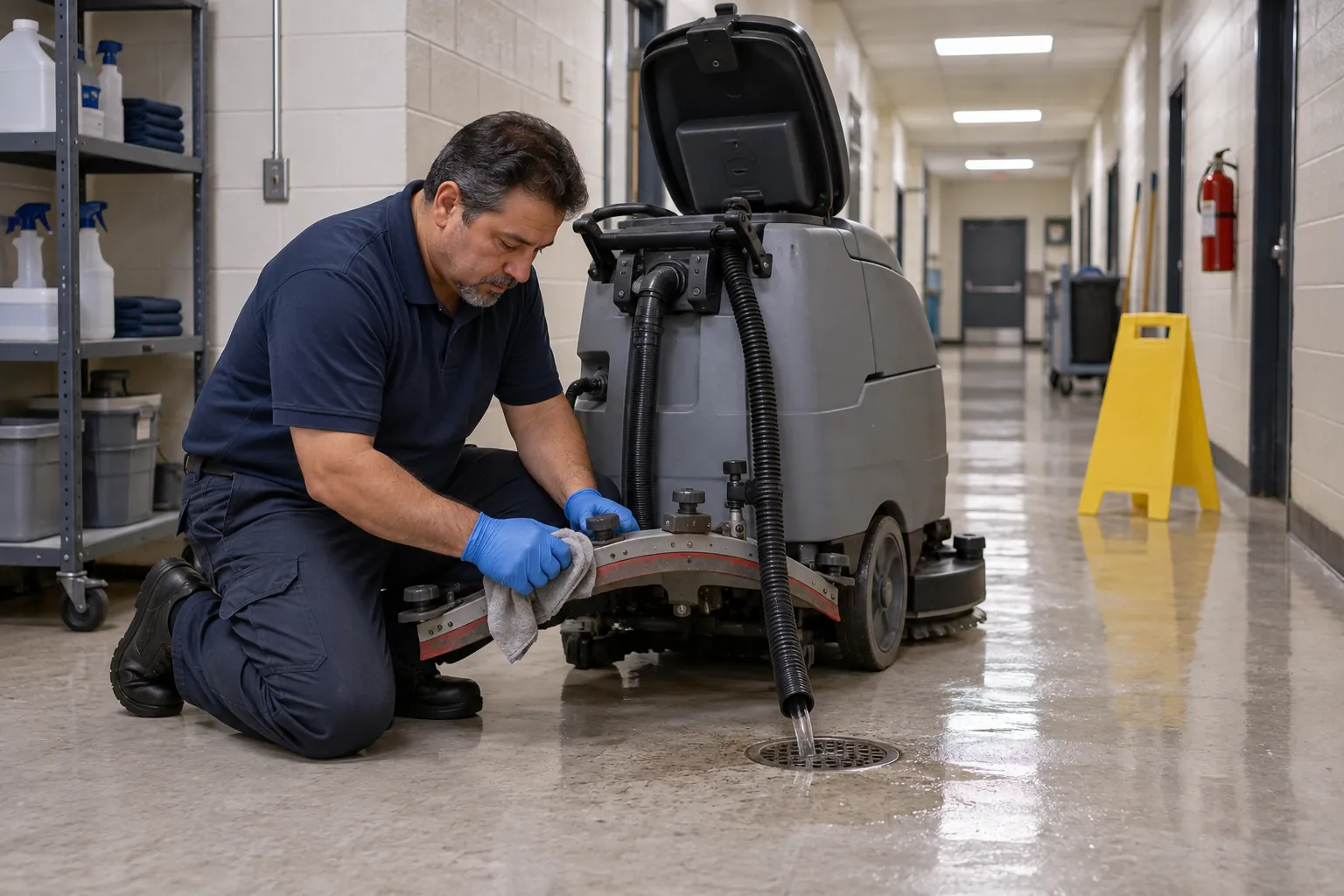 CleaningFloor scrubber maintenance: the daily routine, the battery room and the record behind themFloor scrubber maintenance for janitorial teams: end-of-shift checks, battery charging, squeegees and pads, what OSHA expects, and a record that shows it was done.
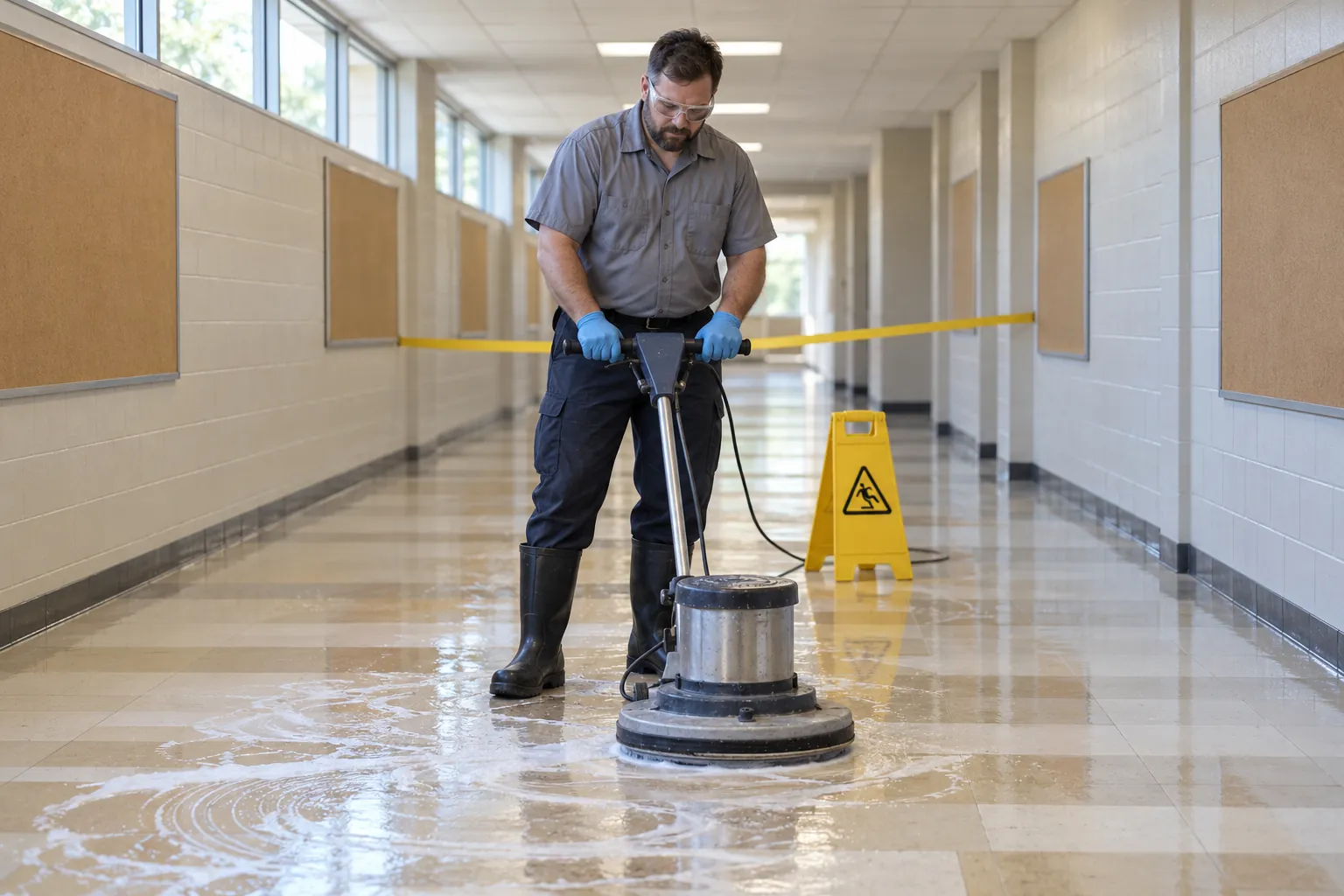 CleaningFloor stripping and waxing: how to do it, how often, and how to show it was doneFloor stripping and waxing for janitorial teams: the step-by-step procedure, how often VCT needs it, OSHA rules on chemicals, asbestos tile and wet floors.
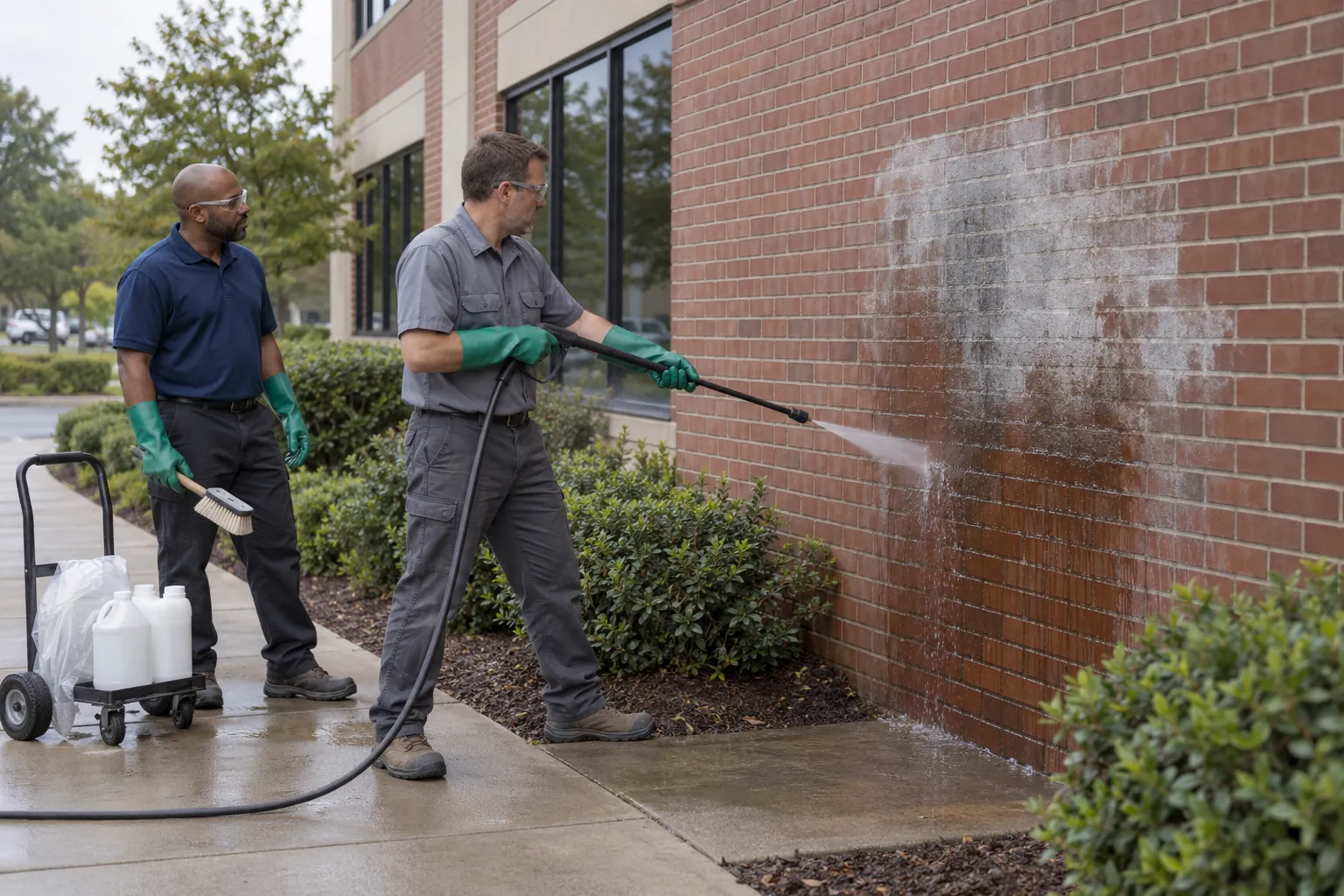 CleaningGraffiti removal: who must do it, how to do it safely, and how fastWho is responsible for graffiti removal in U.S. cities, how to remove graffiti from brick and other surfaces safely, anti-graffiti coatings, and a removal policy.
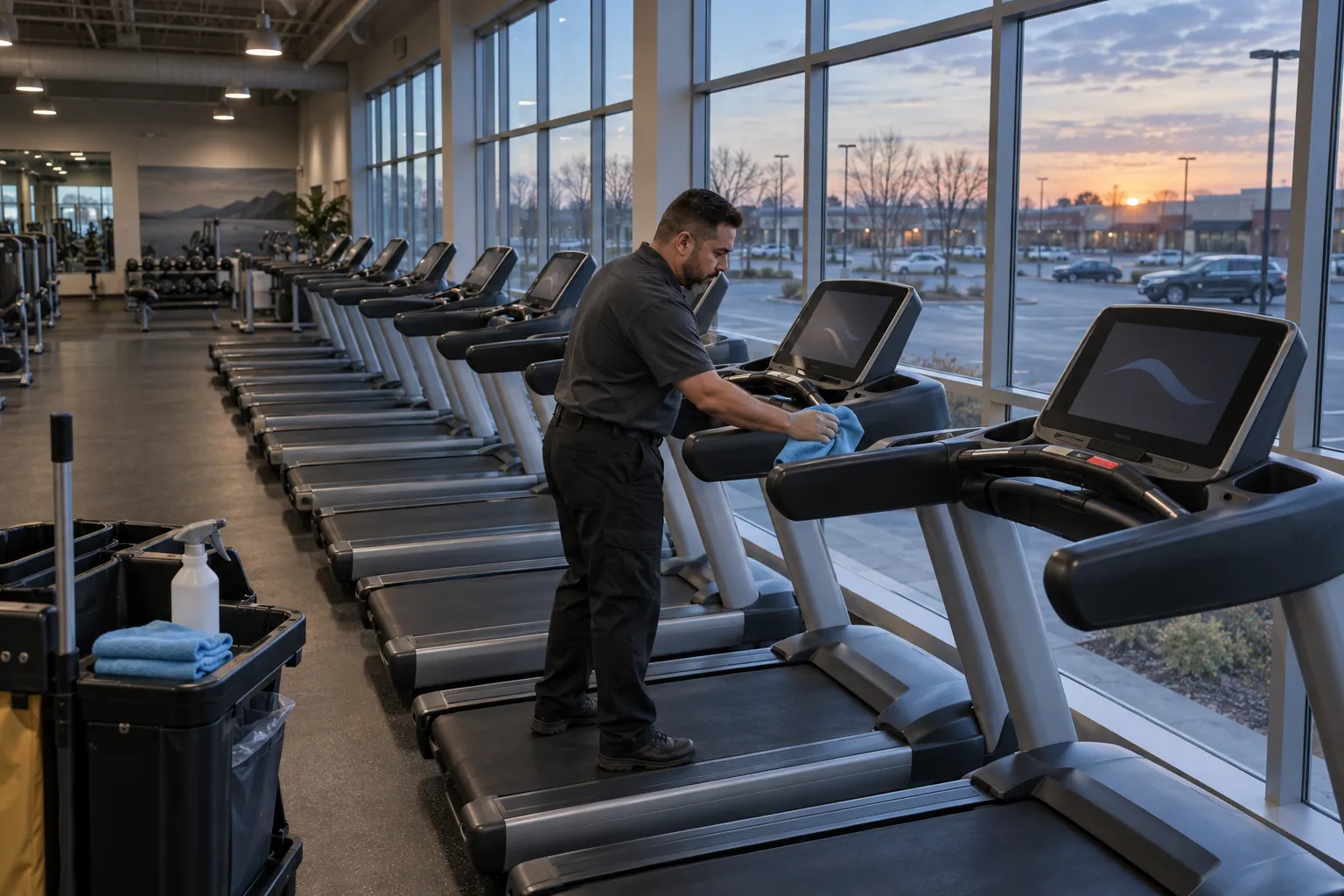 CleaningGym cleaning checklist: equipment, locker rooms and the pool deckA gym cleaning checklist for fitness centers: equipment, studios, touch points, locker rooms and the pool deck, with frequencies, the rules and who does what.
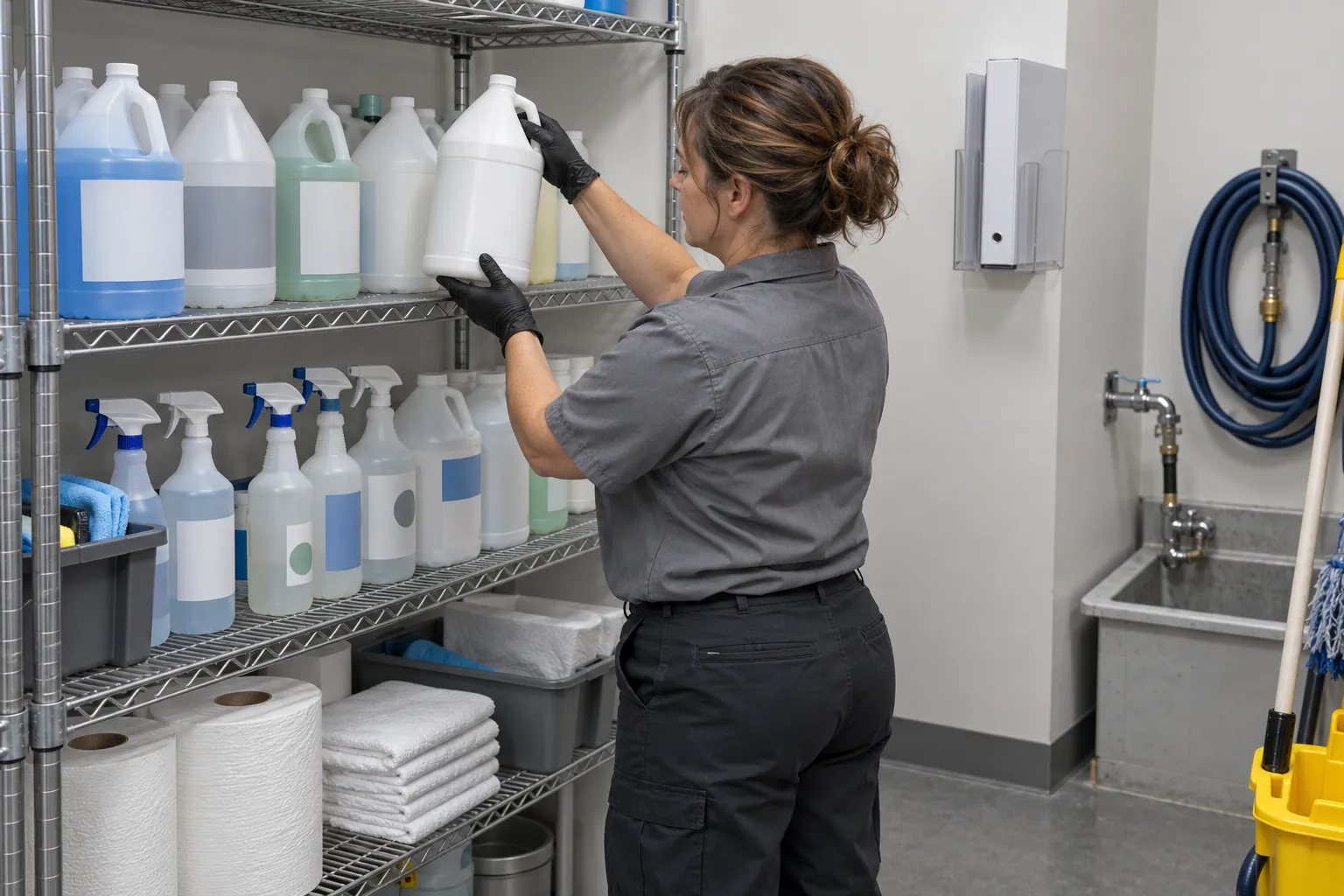 CleaningHazCom: the written program, the SDS binder, and the checks that keep them trueWhat OSHA's HazCom standard requires: the written hazard communication program, the SDS binder, workplace labels, training, and the checks that keep them current.
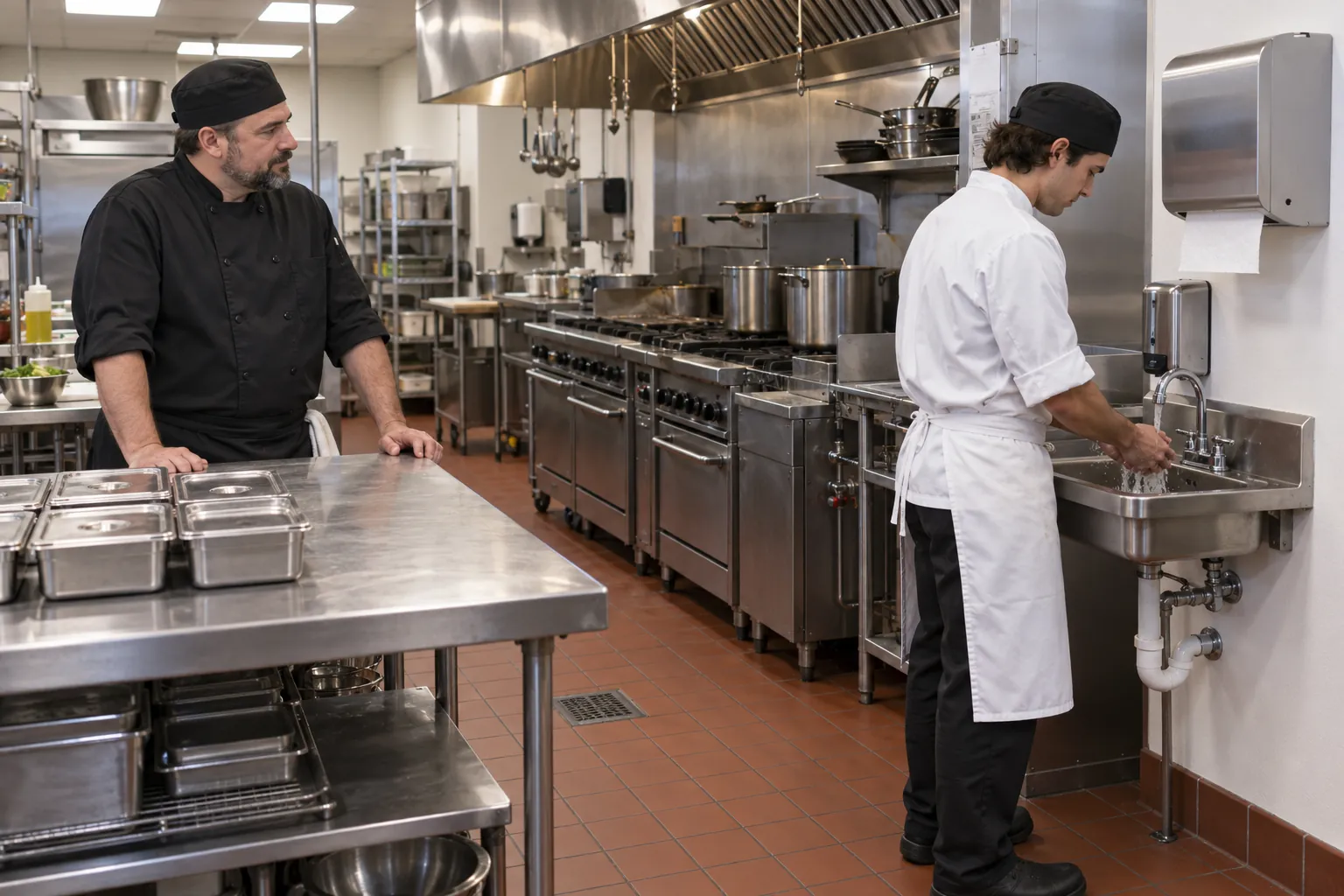 CleaningHealth inspection checklist: what the health inspector looks for, and the records behind itWhat a US health inspector checks in a restaurant or food service kitchen, how priority and core violations are fixed, and the records to have ready.
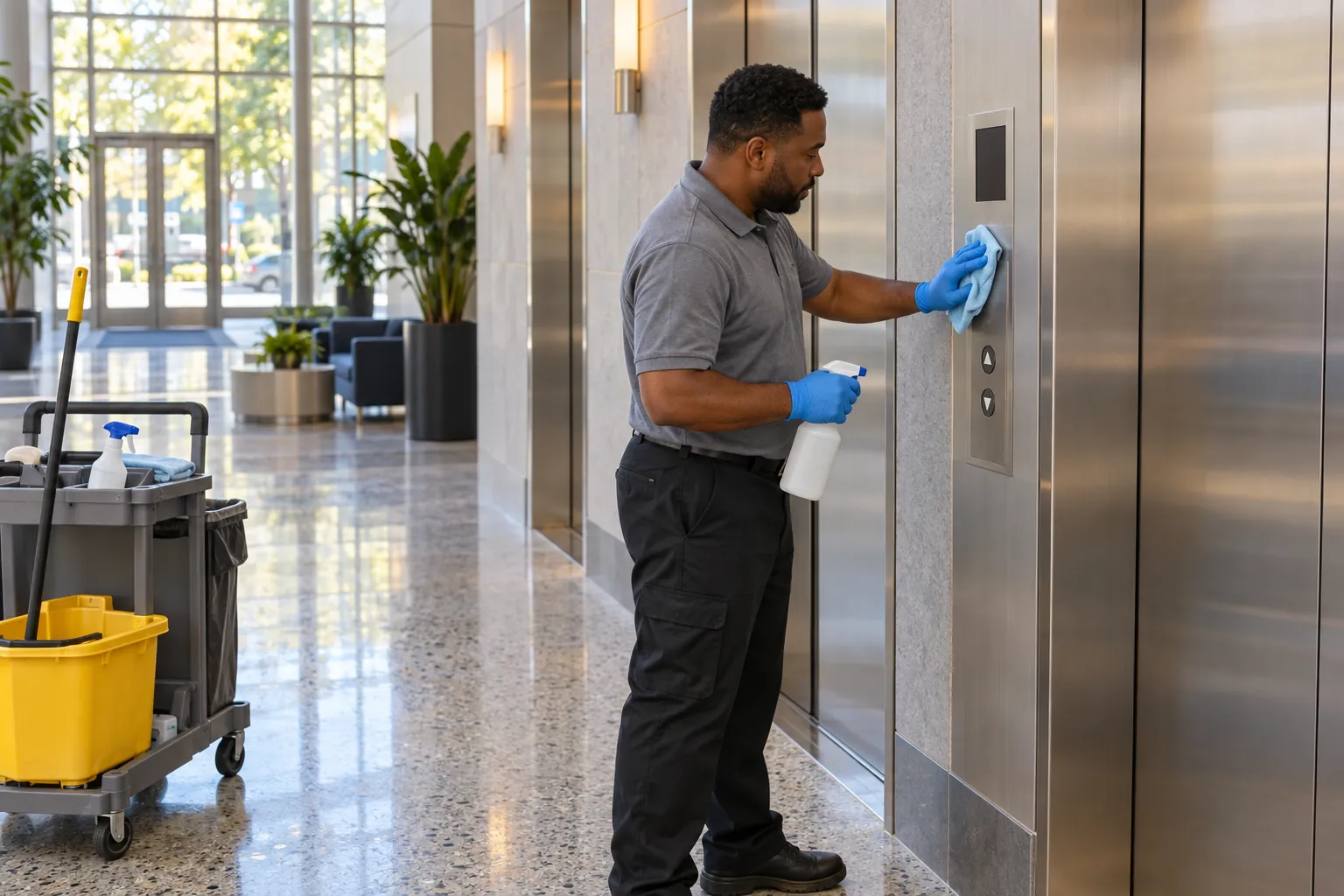 CleaningHigh-touch surfaces: a cleaning routine you can show was doneHigh-touch surfaces as the CDC describes them: which ones to list area by area, how often to clean and disinfect them, the right method, and a record that holds up.
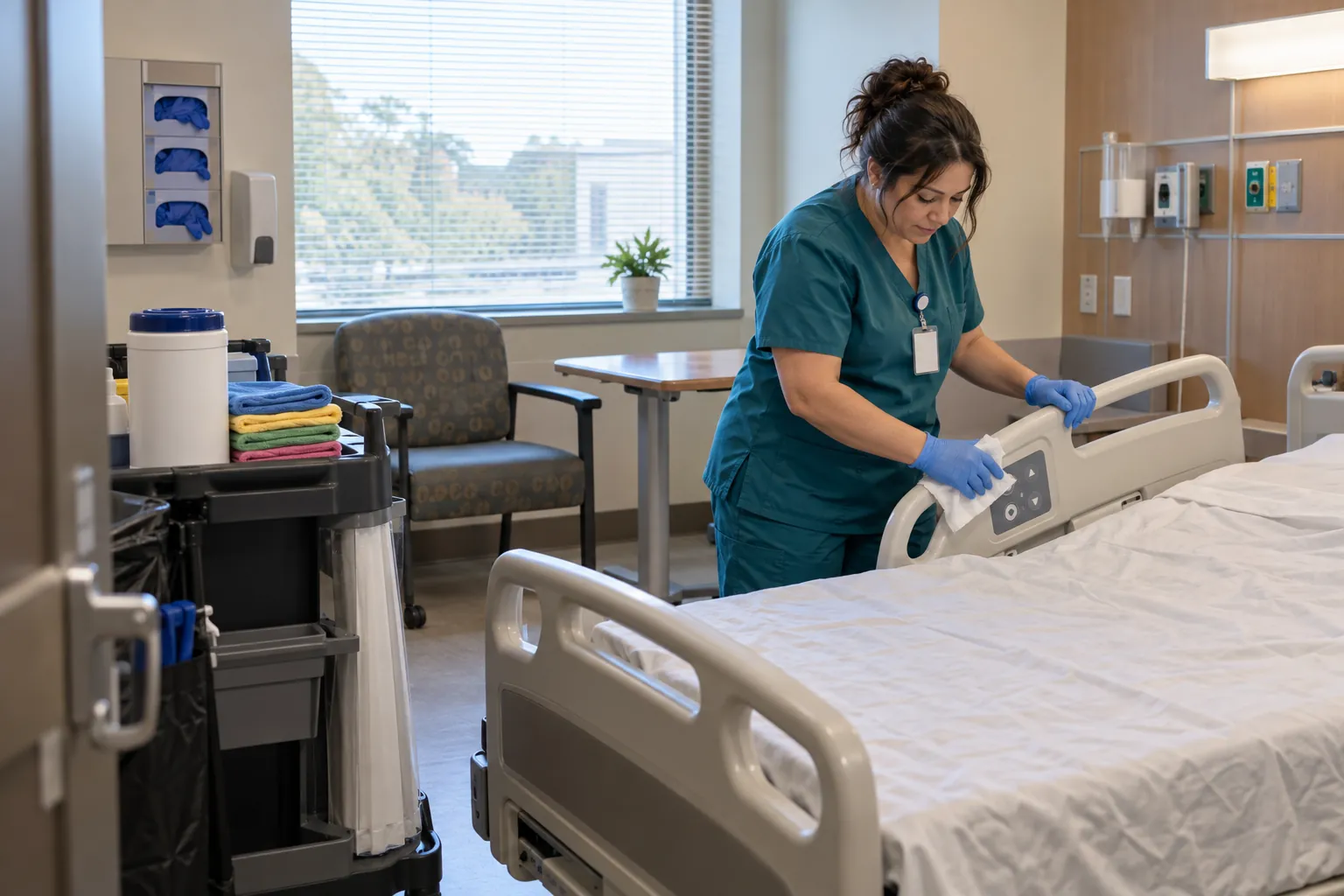 CleaningHospital environmental services: what EVS does, and how to show it was doneWhat hospital environmental services (EVS) does, the CDC, CMS and OSHA rules behind it, cleaning frequencies, who cleans what, and how cleaning is checked.
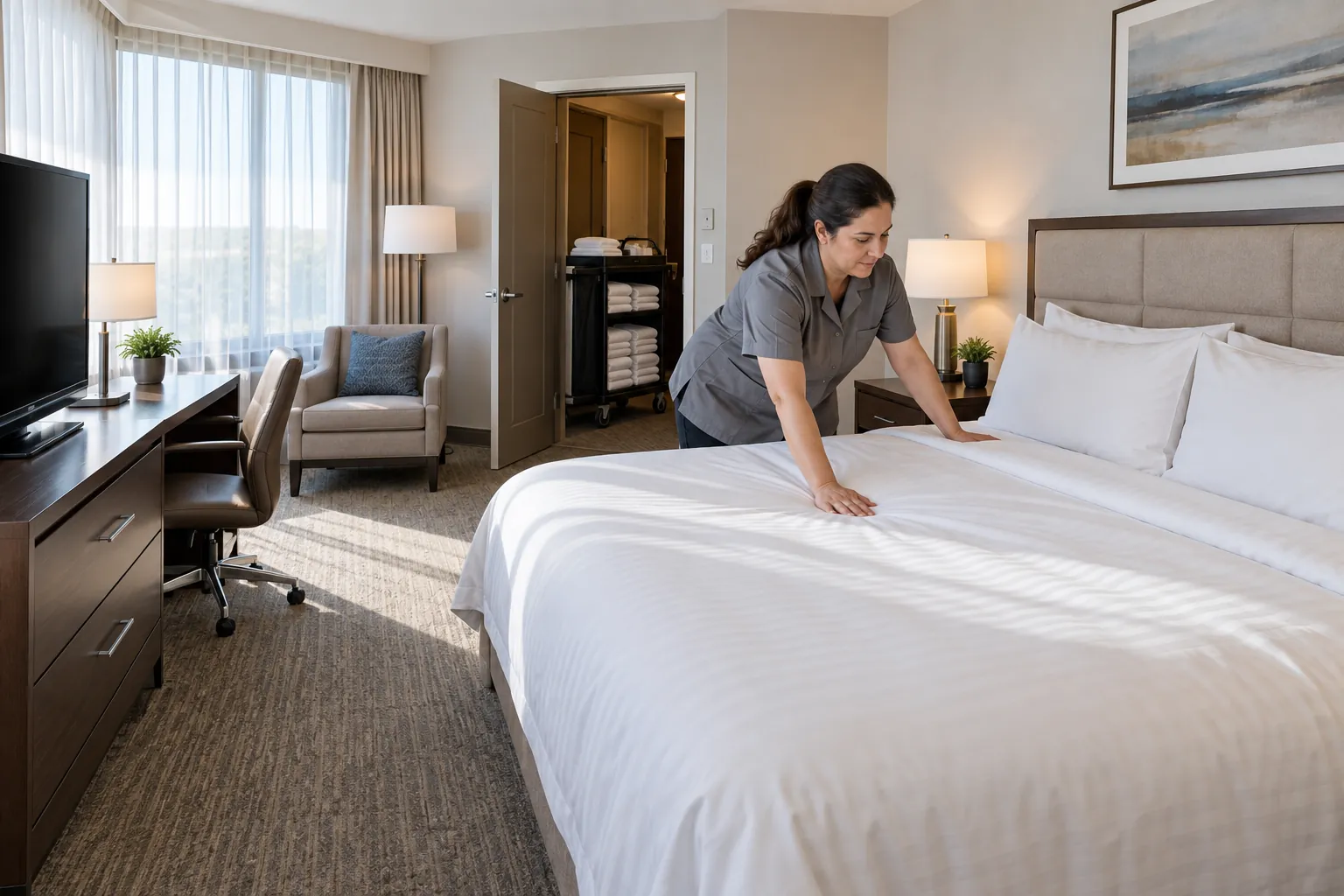 CleaningHotel housekeeping checklist: what to check, and how to know it was doneA hotel housekeeping checklist for guest rooms, bathrooms and public areas, the OSHA and Cal/OSHA rules behind it, and how to show each check was really done.
 CleaningHow to get janitorial contracts, and keep themHow commercial and government janitorial contracts are bought in the US, what buyers check, how to write a proposal that scores, how to price it and how to keep it.
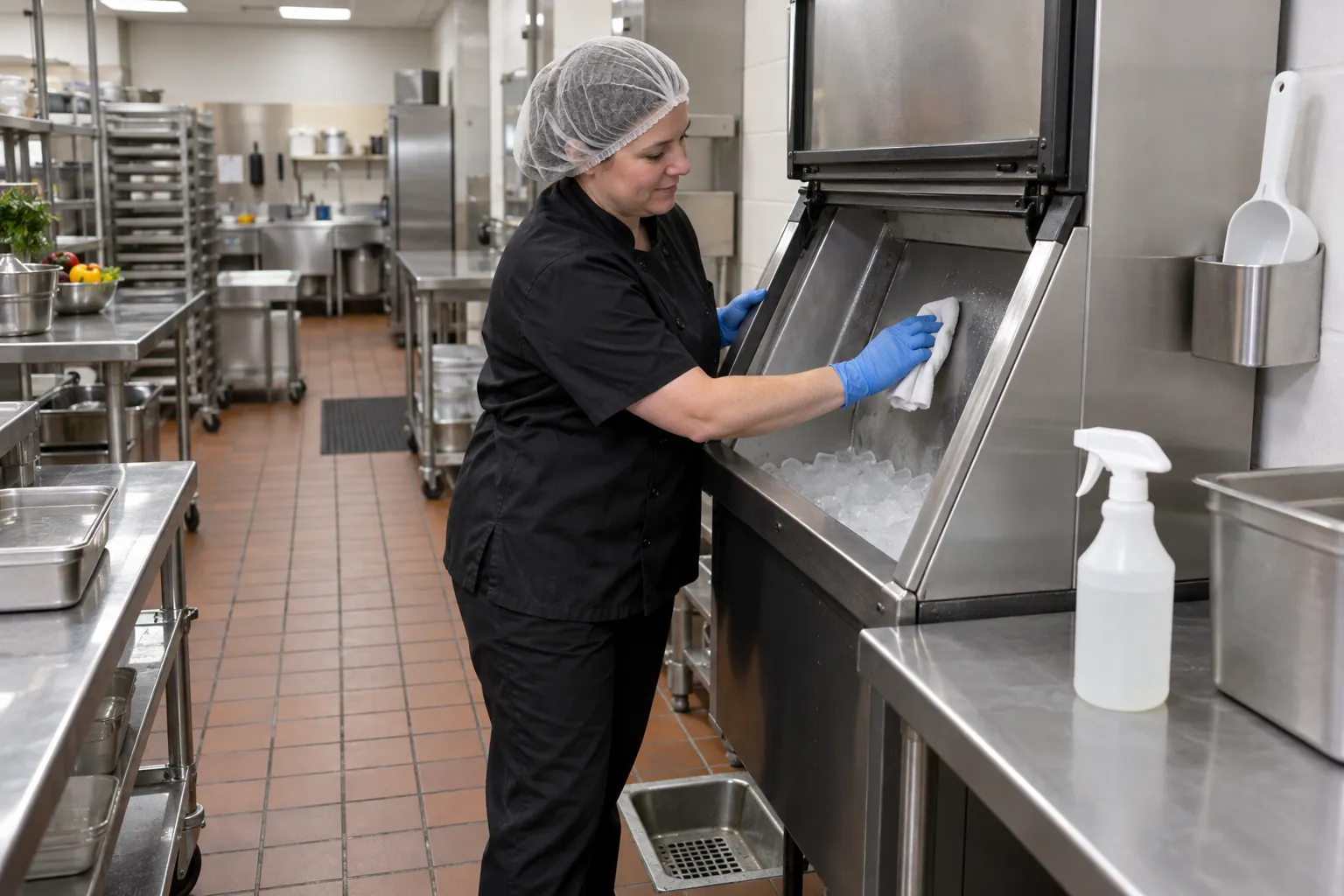 CleaningIce machine cleaning schedule: how often, who does it, and proving it was doneHow often to clean an ice machine under FDA Food Code 4-602.11 and the manufacturer's manual, who does each task, CDC guidance for hospitals, and keeping the log.
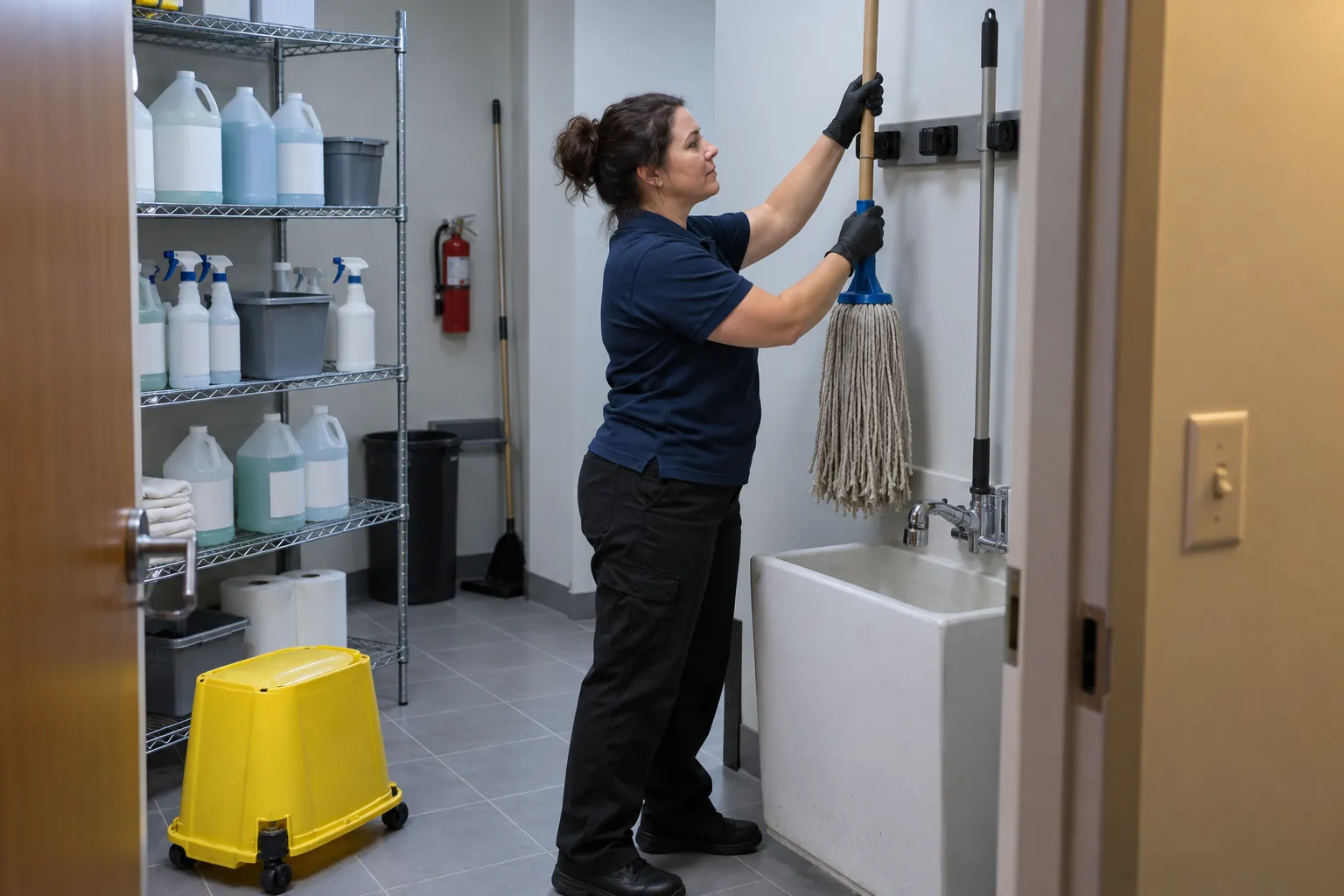 CleaningJanitorial closet requirements: the sink, the chemicals and the daily checkWhat US codes and OSHA require of a janitorial closet: the service sink, chemical storage, SDS, eyewash, clear panels and housekeeping, and a routine closet check.
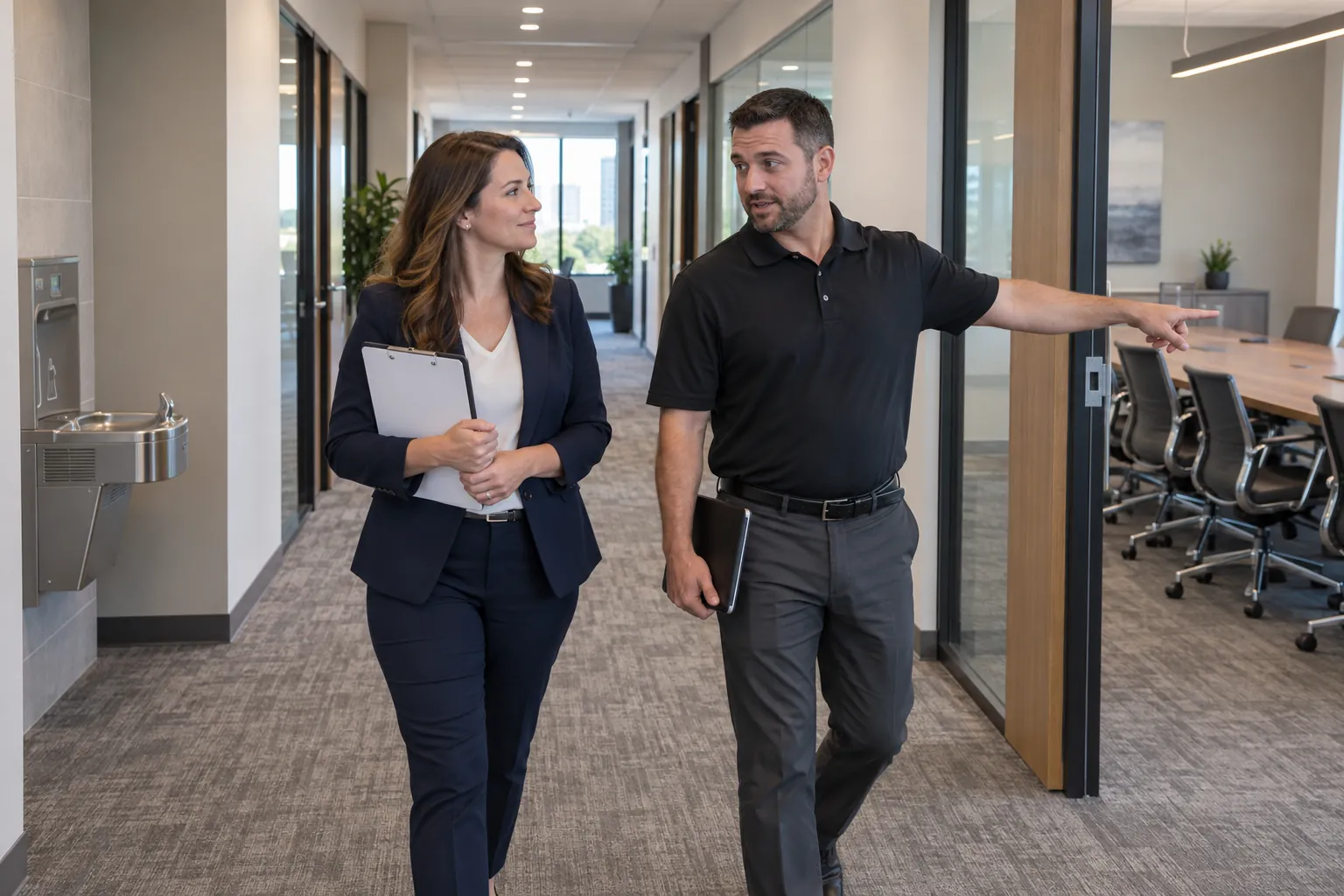 CleaningThe janitorial contract: what a commercial cleaning agreement should sayWhat a US commercial cleaning contract should cover, the state laws that reach into it, and how to write scope, inspection, renewal and exit terms that hold up.
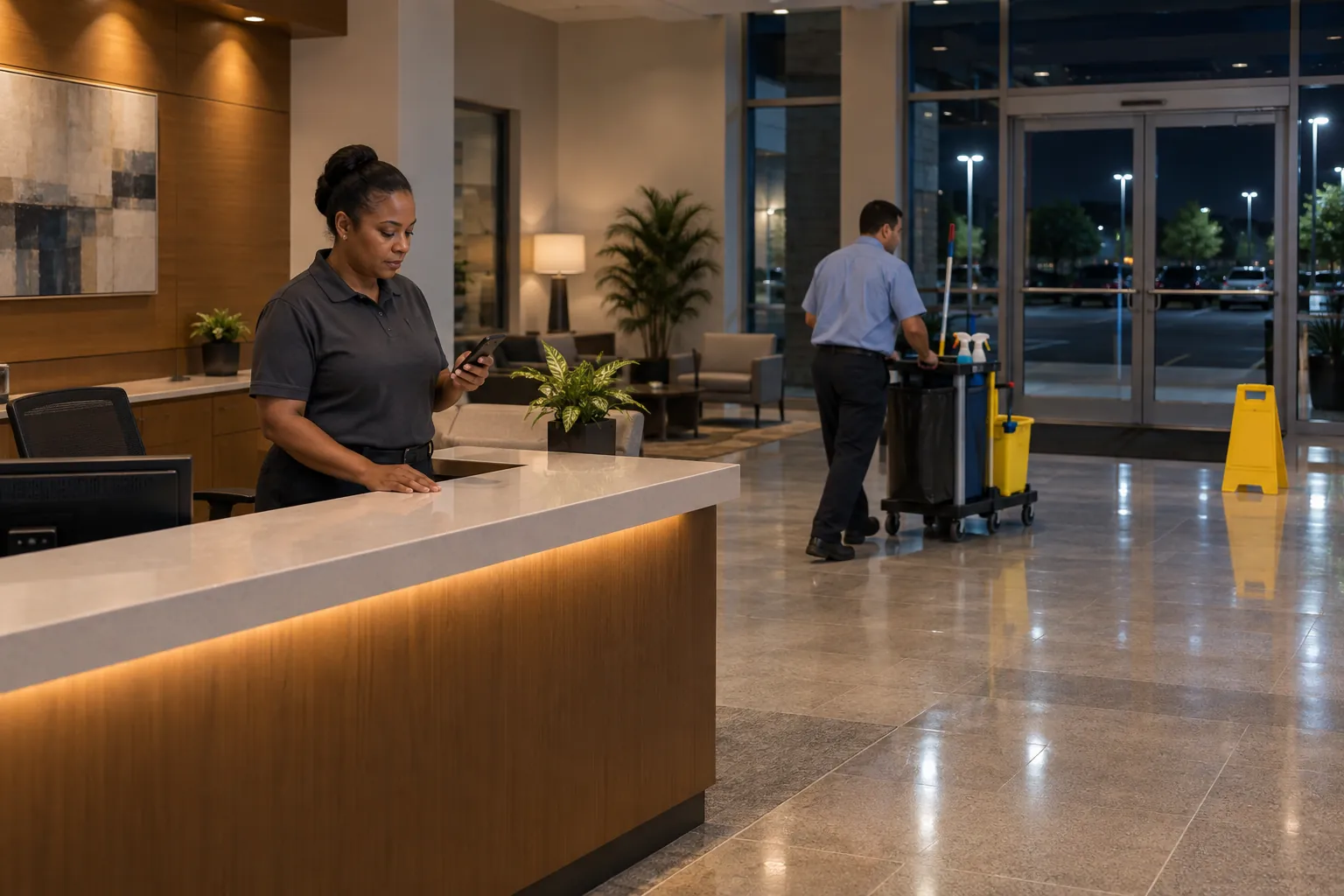 CleaningJanitorial daily report: what goes in it, and how to make it worth readingWhat a janitorial daily report should cover, how custodians and supervisors fill it in, what facility managers read in it, and where the daily record falls short.
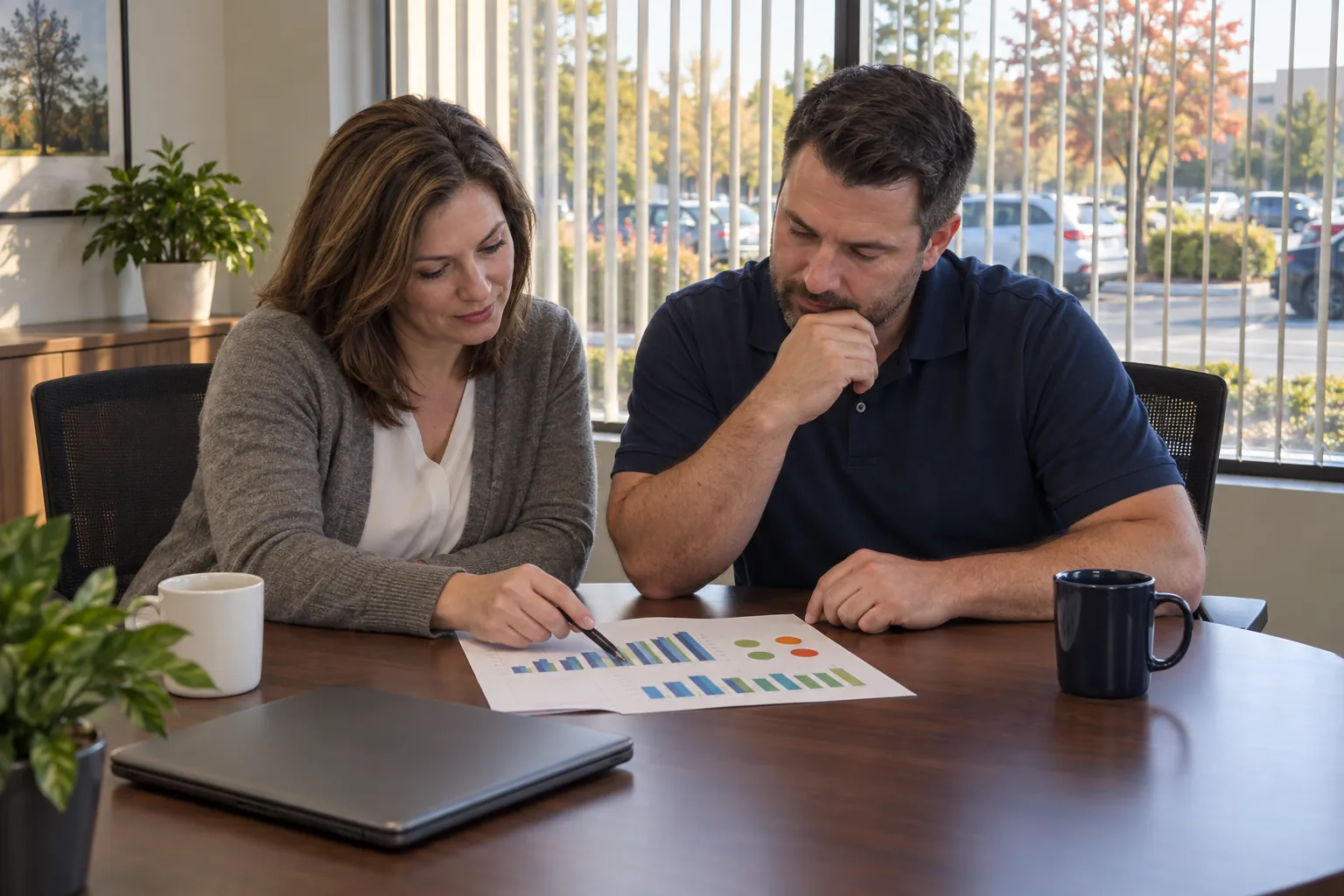 CleaningJanitorial KPIs: what to measure, and how to know the numbers are trueThe janitorial KPIs worth tracking, how to define and target them, how federal contracts measure cleaning, and how KPIs look green while the building is not clean.
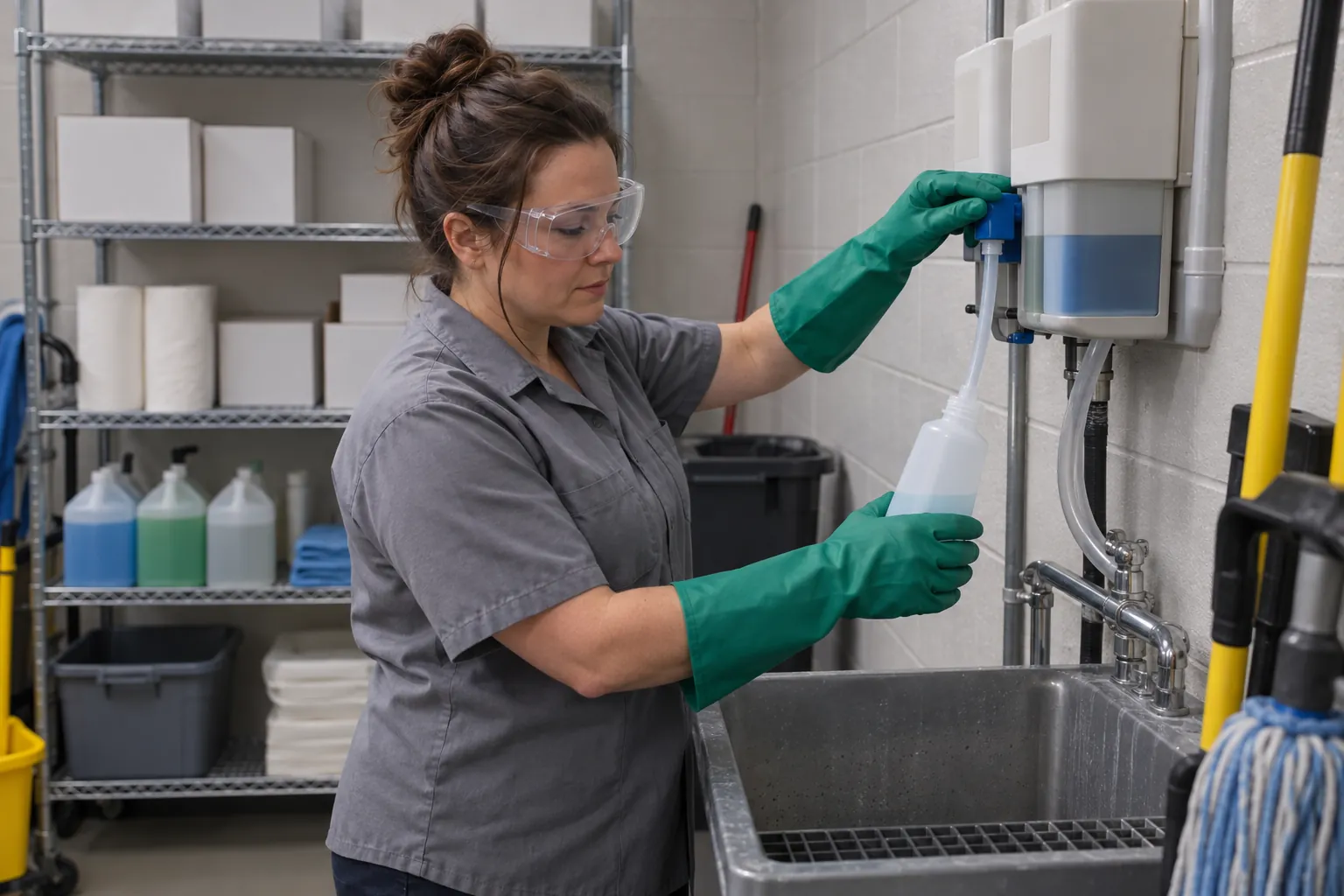 CleaningJanitorial PPE: the hazard assessment, the kit and the daily checkJanitorial PPE under OSHA 29 CFR 1910.132: the hazard assessment, gloves, eye protection, footwear, bloodborne pathogens, training, payment and the daily check.
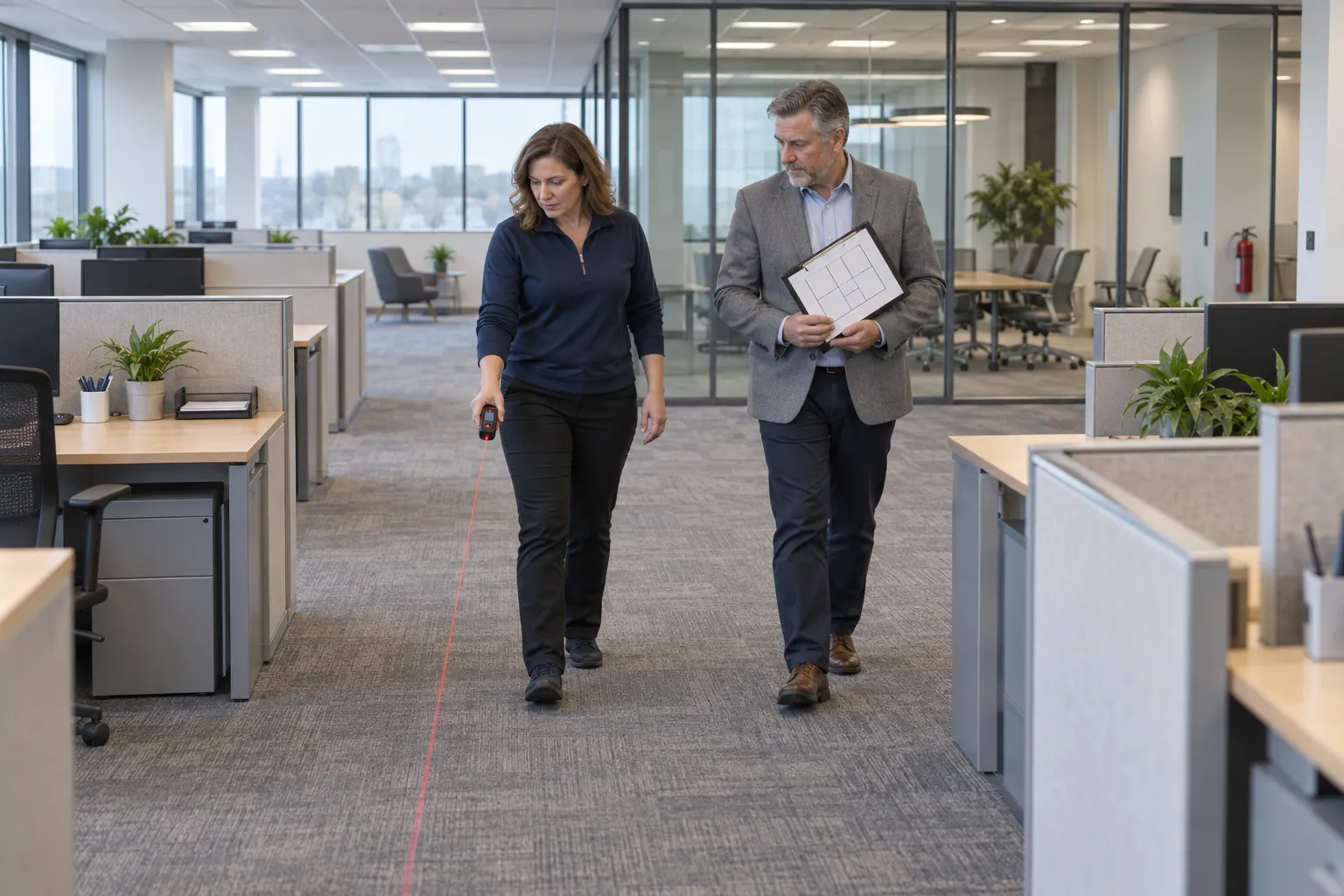 CleaningJanitorial pricing per square foot: how the number is built, and how to check itHow janitorial pricing per square foot is built: cleaning times, labor hours, payroll burden, wage floors, supplies, overhead and profit, and how to check a bid.
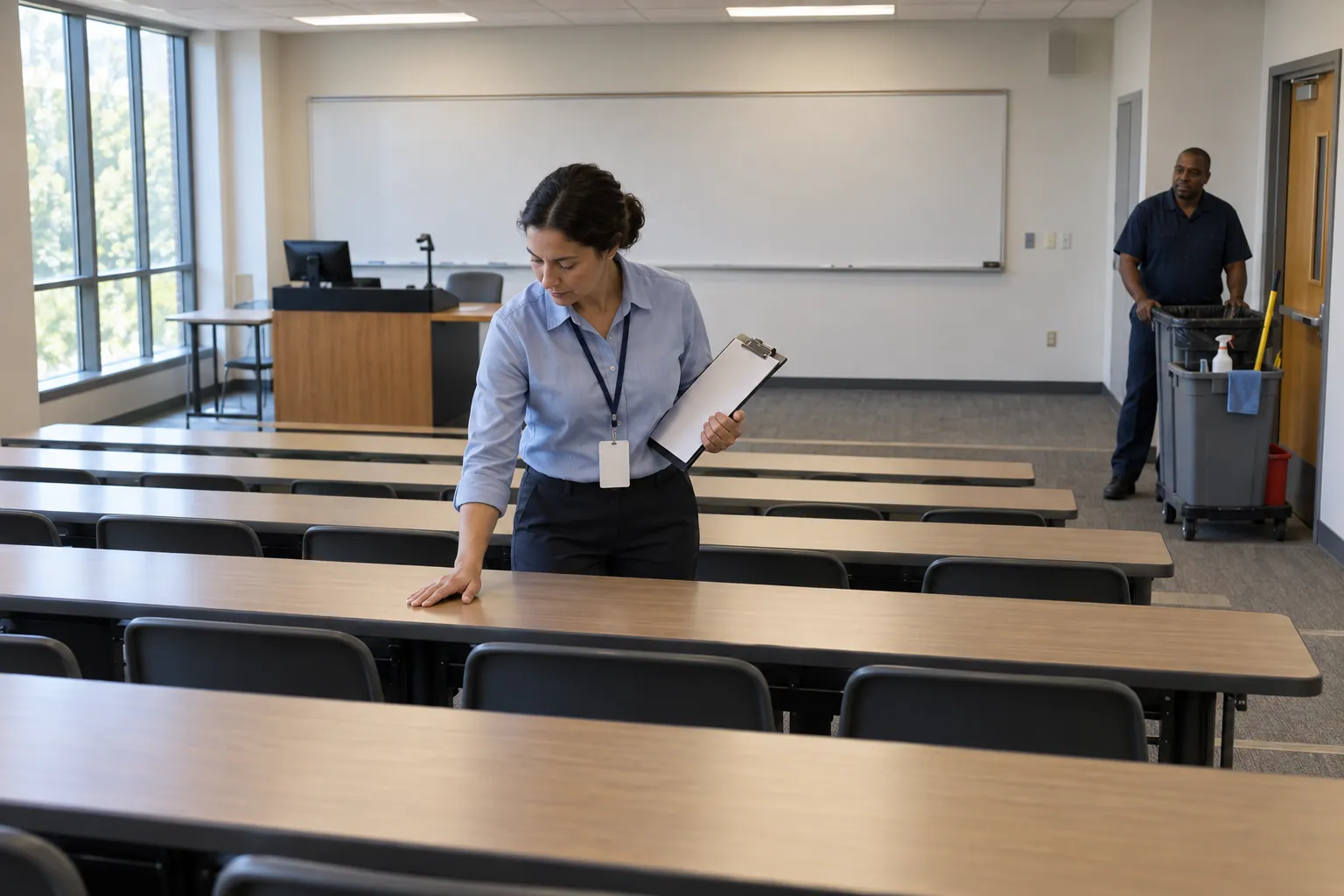 CleaningJanitorial quality control: how to inspect, score and fix the cleaningHow janitorial quality control works: QA versus QC, building a cleaning inspection checklist, APPA appearance levels, sampling, scoring and corrective action.
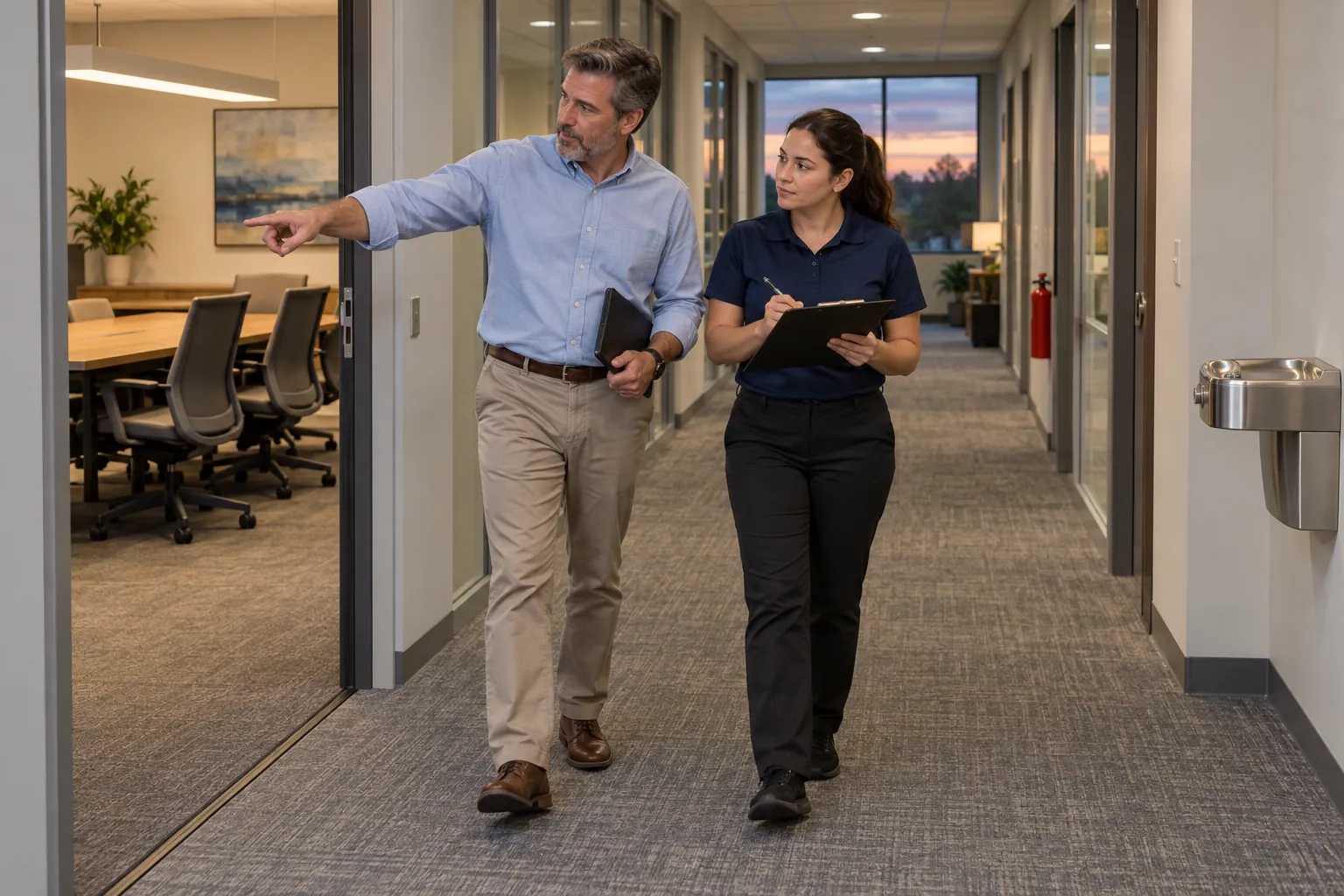 CleaningJanitorial scope of work: what it should say, and how to show it is metWhat a janitorial scope of work should cover, how to set cleaning frequencies by room type, output versus input standards, and how to show the work is being done.
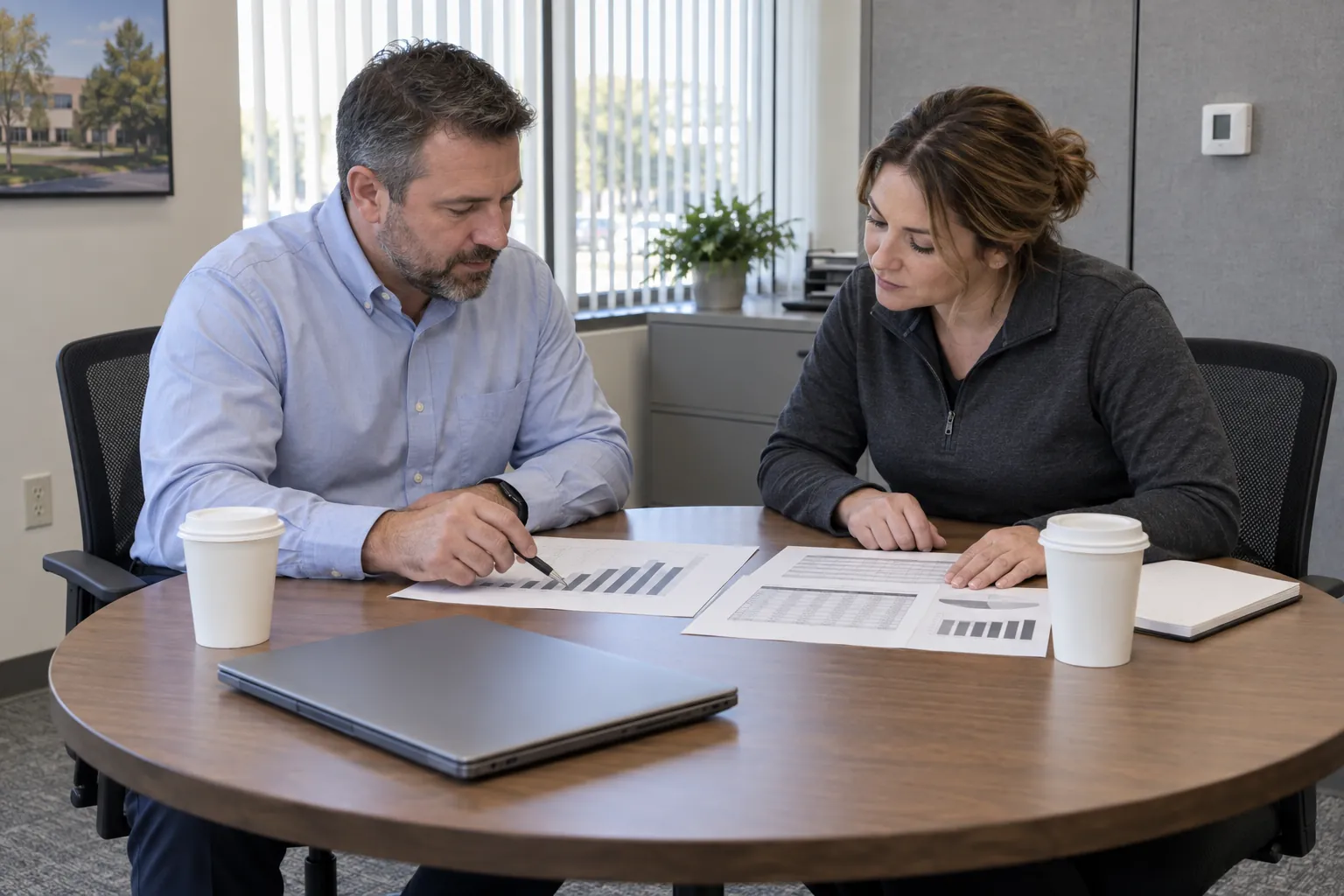 CleaningThe janitorial service level agreement: what to include, and how to show it is metWhat a US cleaning service level agreement should contain: levels of clean, response times, inspections, deductions, escalation, and how to show the work was done.
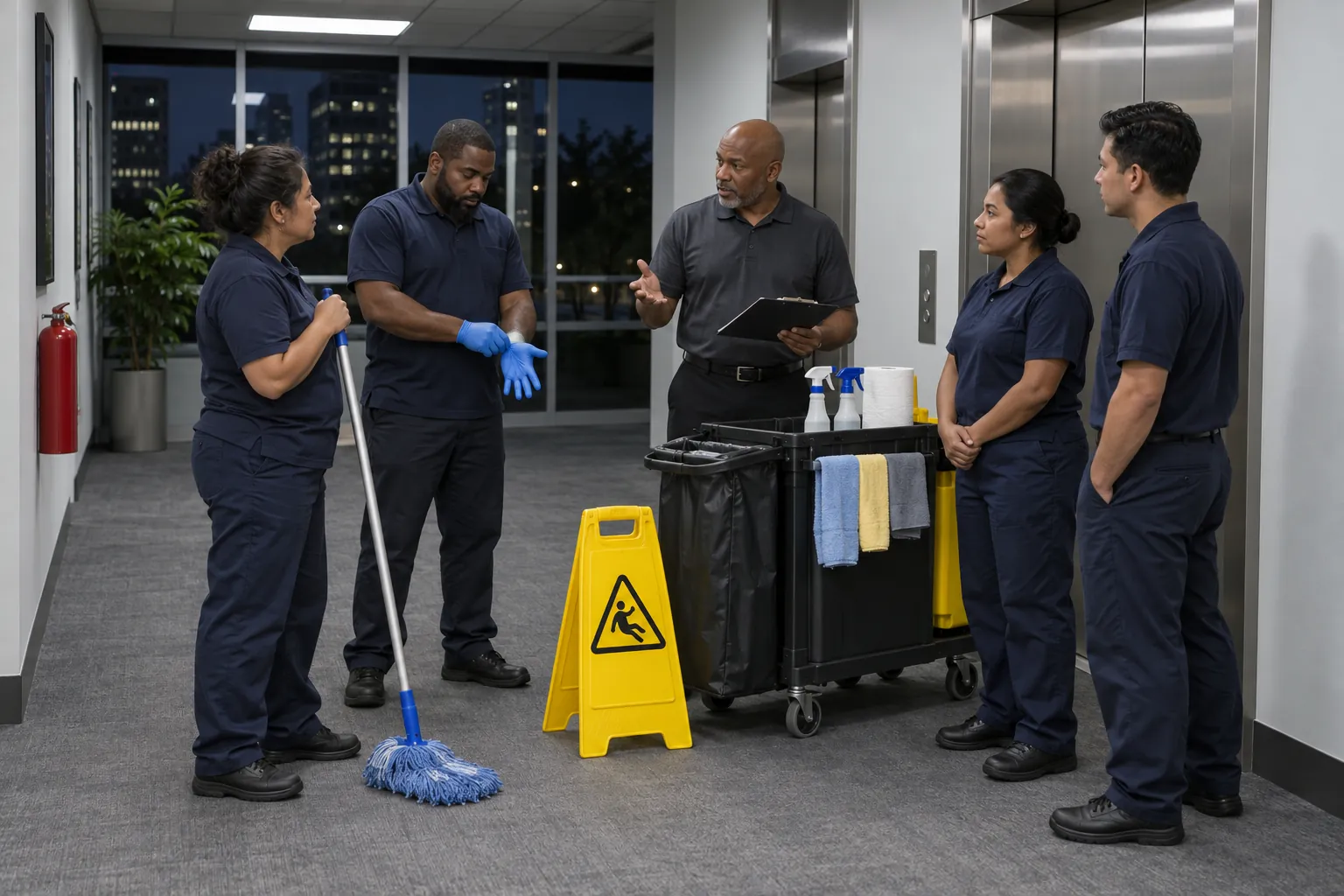 CleaningJanitorial supervisor duties: what the job involves, and what good looks likeWhat a janitorial supervisor does: the core duties, a typical night shift, the OSHA rules behind the work, inspecting the cleaning and reporting to the client.
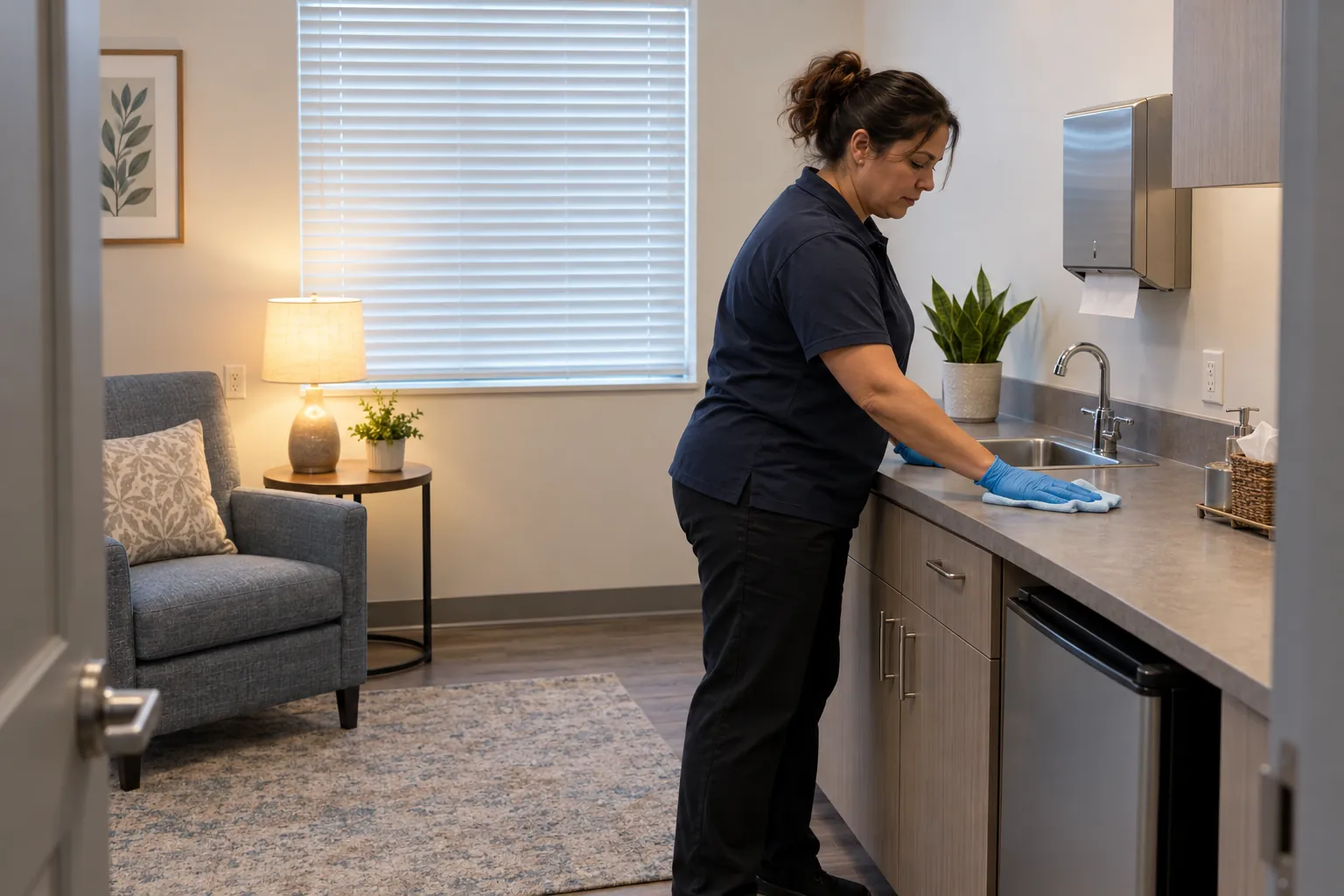 CleaningLactation room requirements: what the law asks, and how to keep the room usableWhat the PUMP Act and state laws require of a workplace lactation room, what the space needs, and how facilities and janitorial teams keep it clean and working.
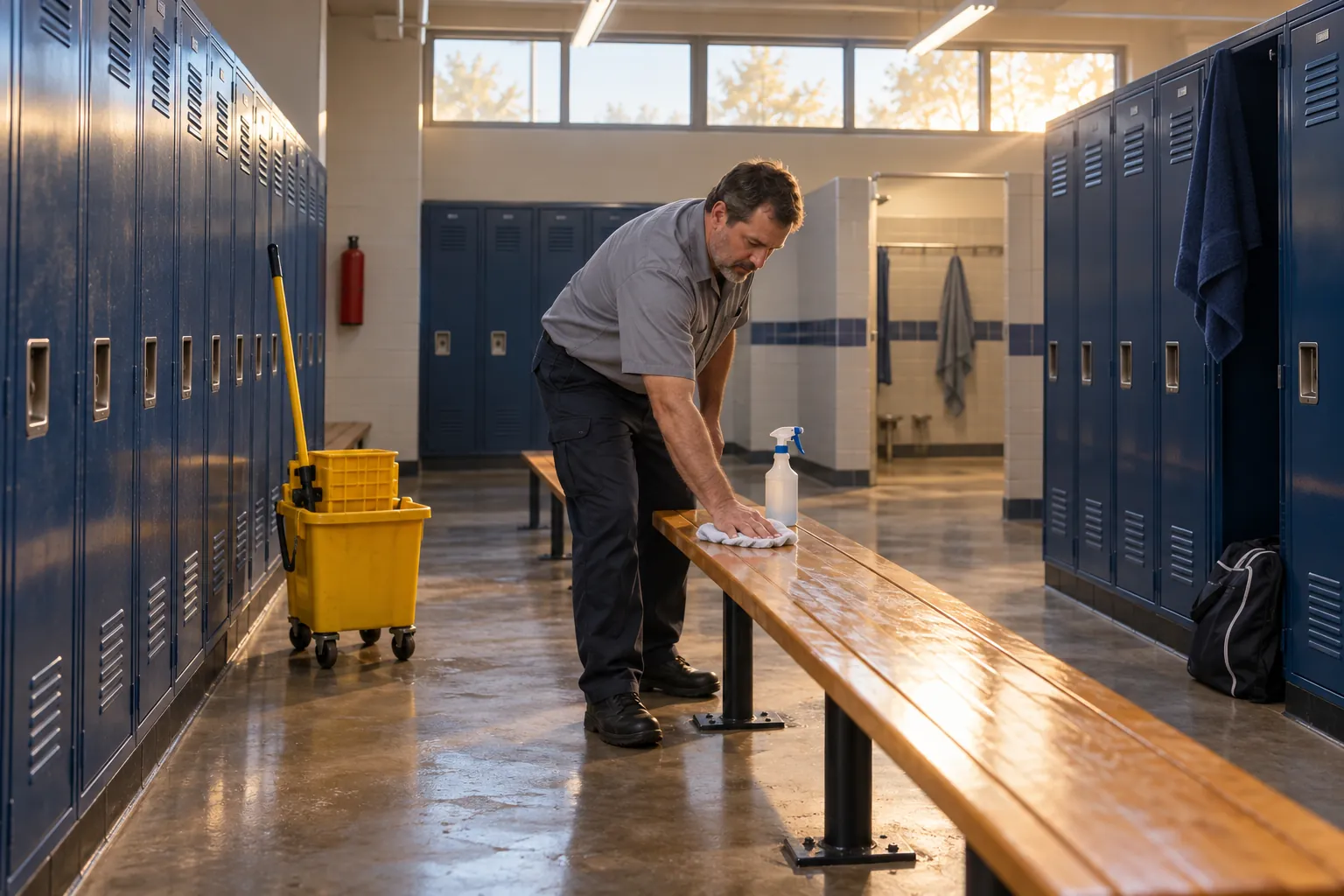 CleaningLocker room cleaning: a schedule that holds up, and a record that shows itHow to clean a locker room in a school, college, gym or workplace: the OSHA rules, CDC advice on MRSA, a schedule by frequency, and a record that shows it was done.
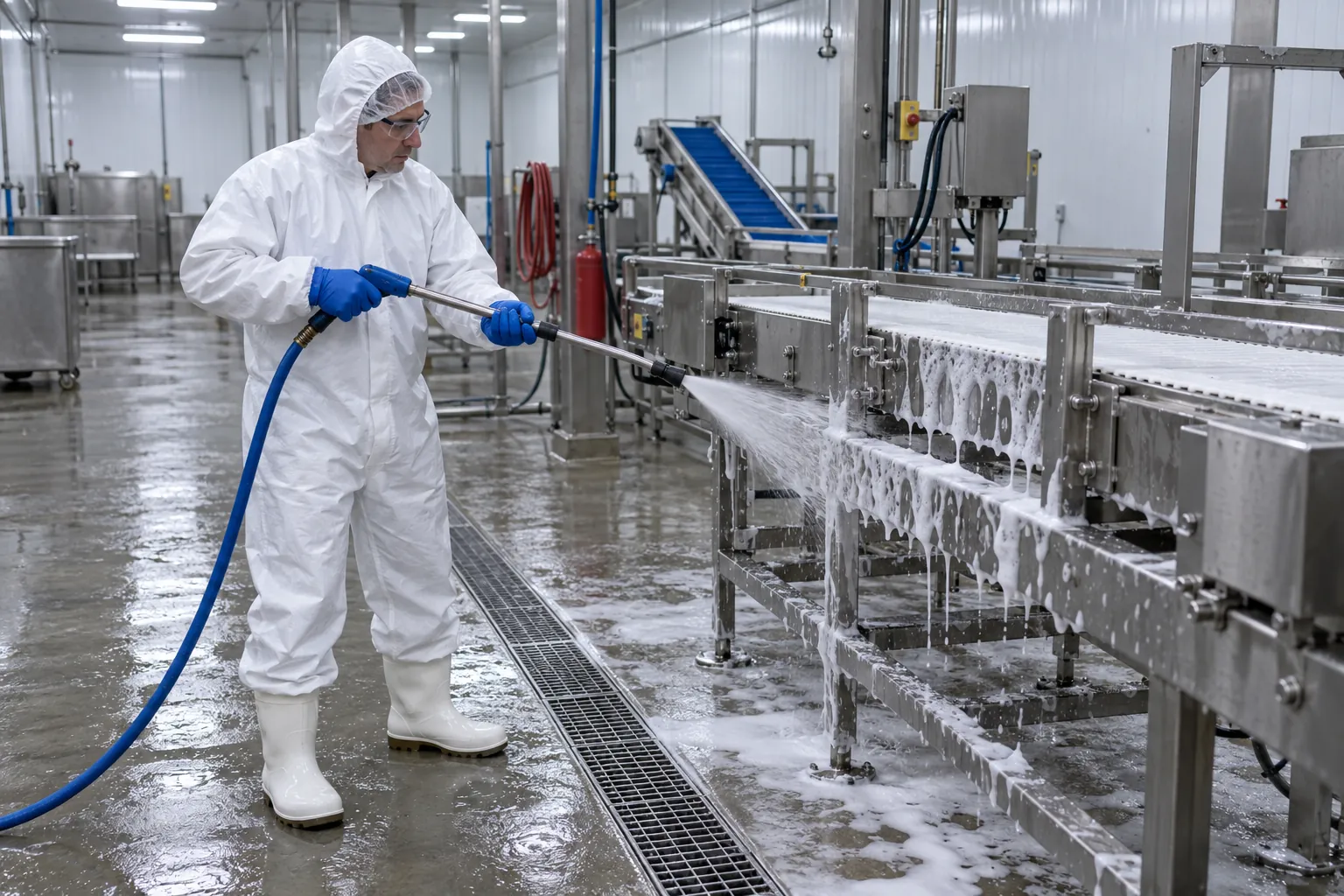 CleaningMaster sanitation schedule: building one, running it, and proving it happenedWhat a master sanitation schedule is, how it fits FDA 21 CFR 117 and USDA SSOPs, what goes on it, how often, who signs, and how to keep the record honest.
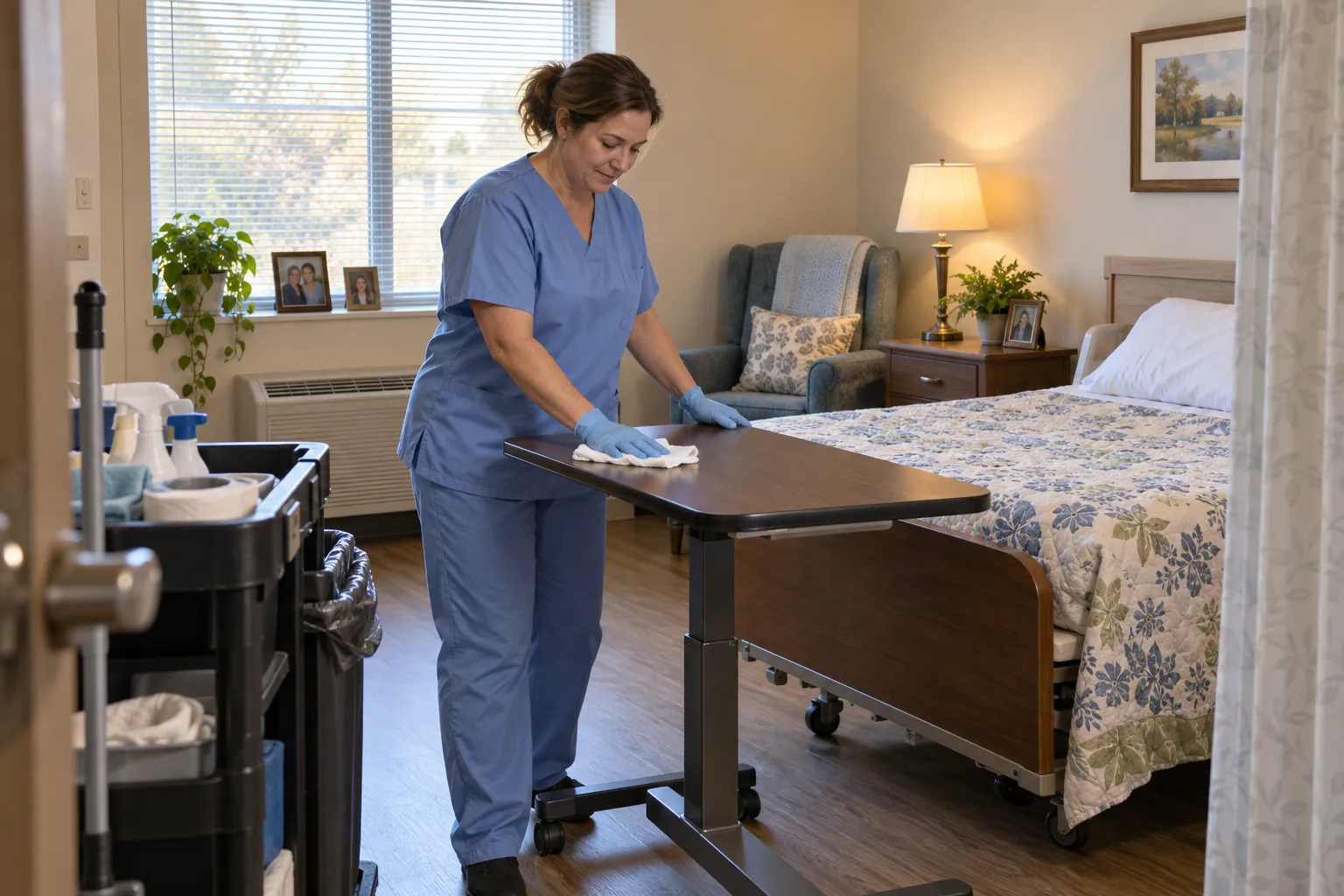 CleaningNursing home housekeeping: what CMS expects, and how to show it was doneWhat CMS requires of nursing home housekeeping under F584 and F880, what the department covers, how often to clean, and how to show surveyors it was done.
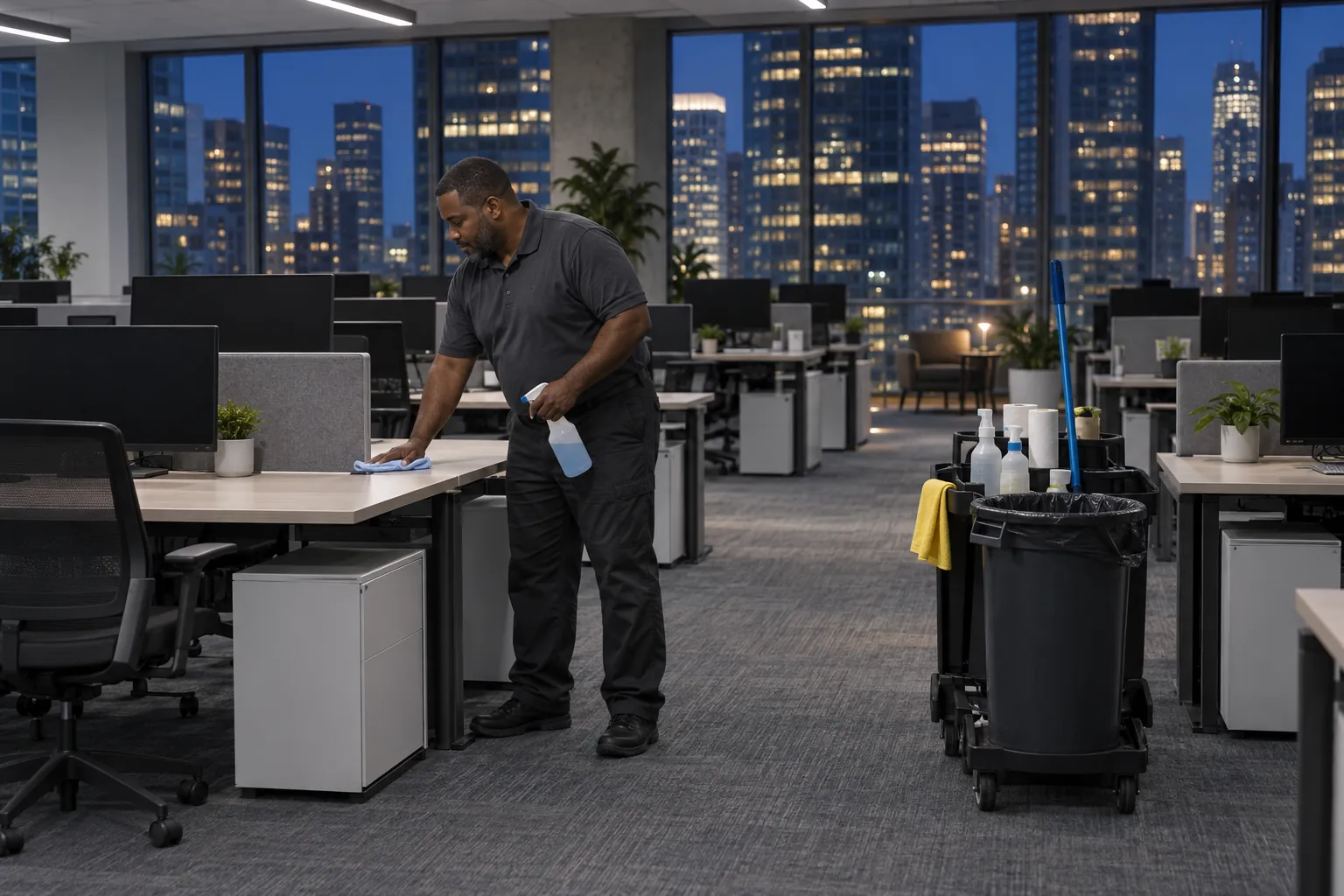 CleaningOffice cleaning checklist: what to clean, how often, and how to show it was doneAn office cleaning checklist by area and frequency, the OSHA rules behind it, who does each task, and how to show the night crew's checklist was really worked.
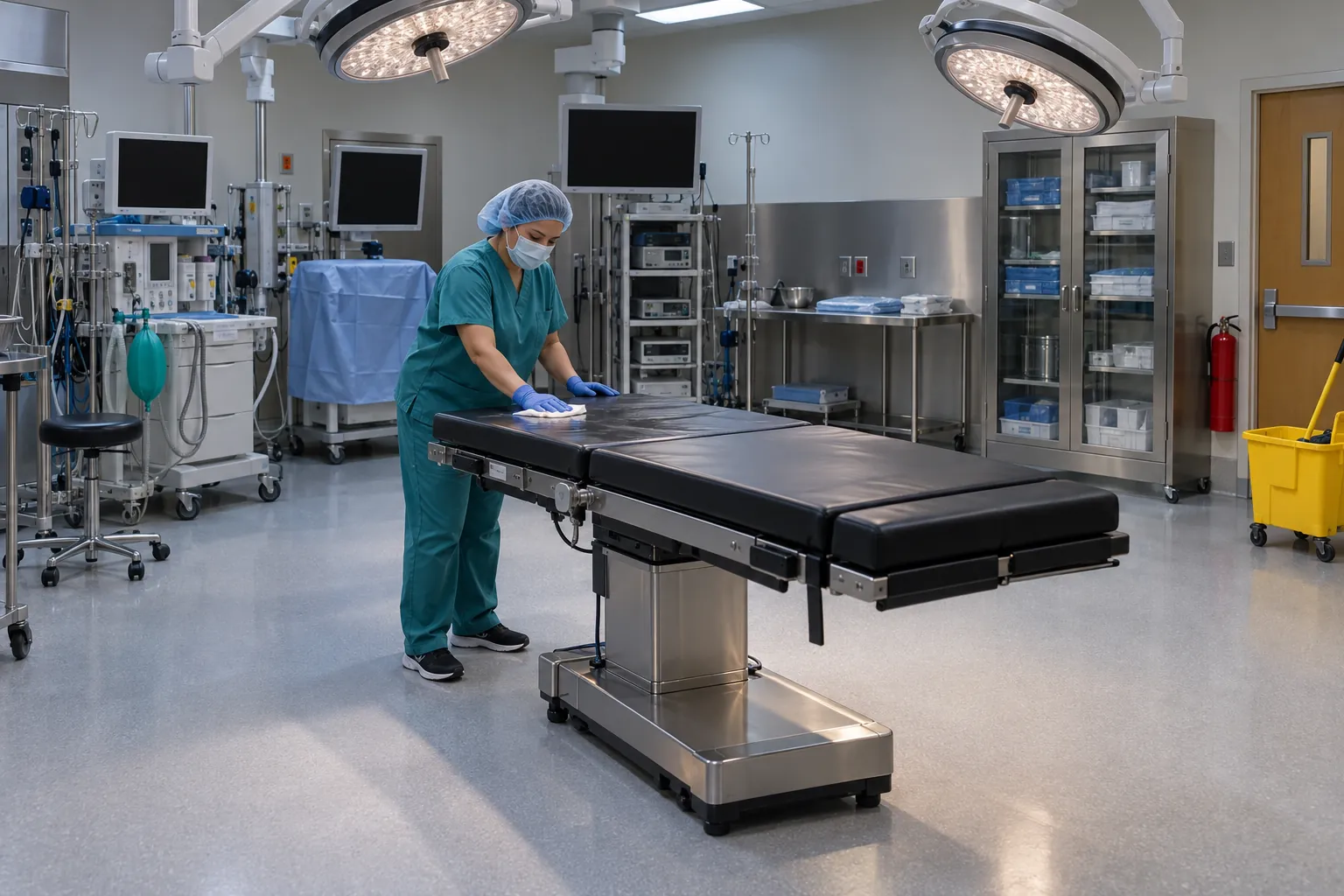 CleaningOperating room cleaning: turnover, terminal cleaning and the record behind themHow an operating room is cleaned before the first case, between cases and at the end of the day, the rules and guidelines behind it, and how to show it was done.
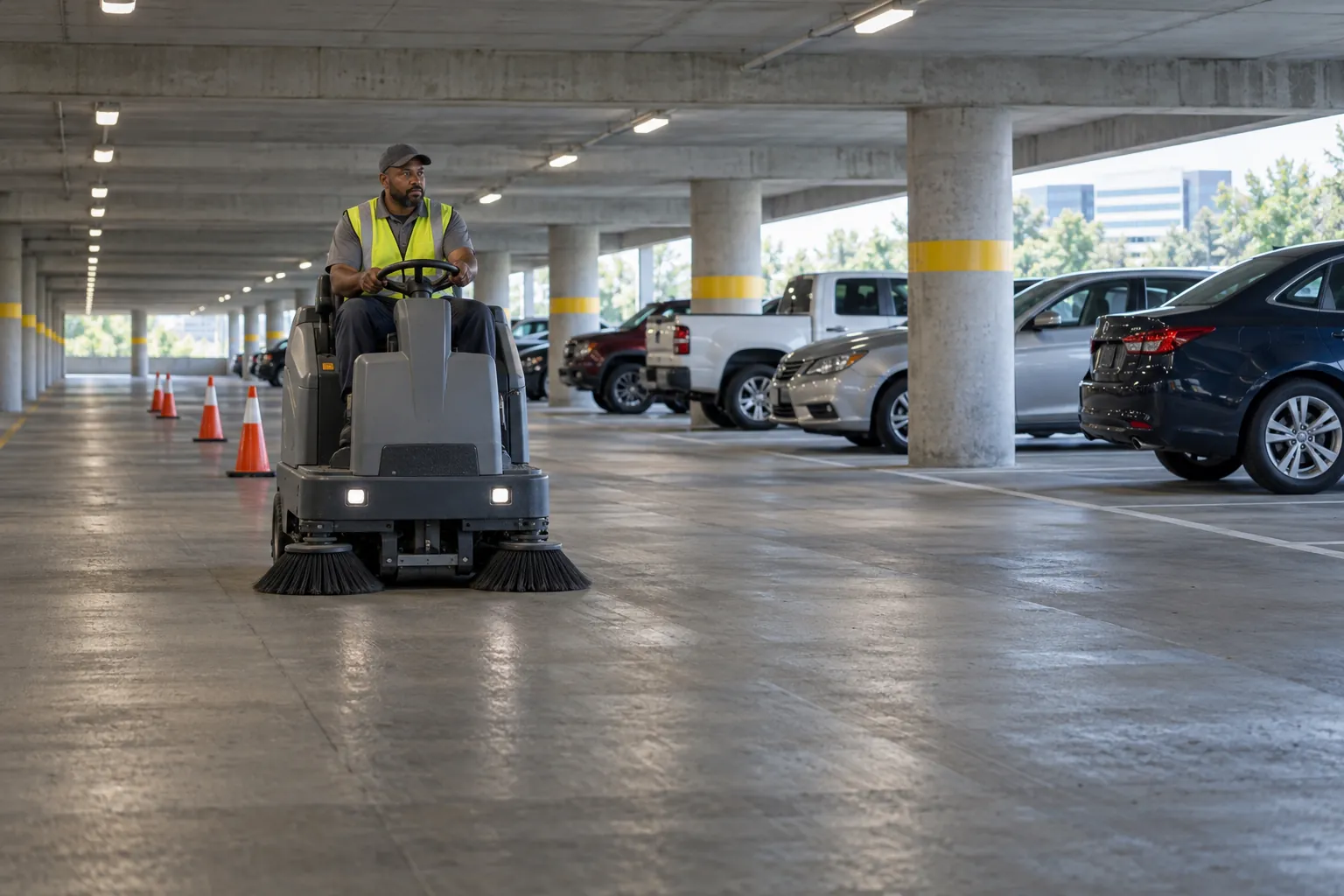 CleaningParking garage cleaning: the schedule, the hazards and the recordHow to clean a parking garage: the OSHA and EPA stormwater rules behind it, what to clean and how often, carbon monoxide and traffic safety, and what to record.
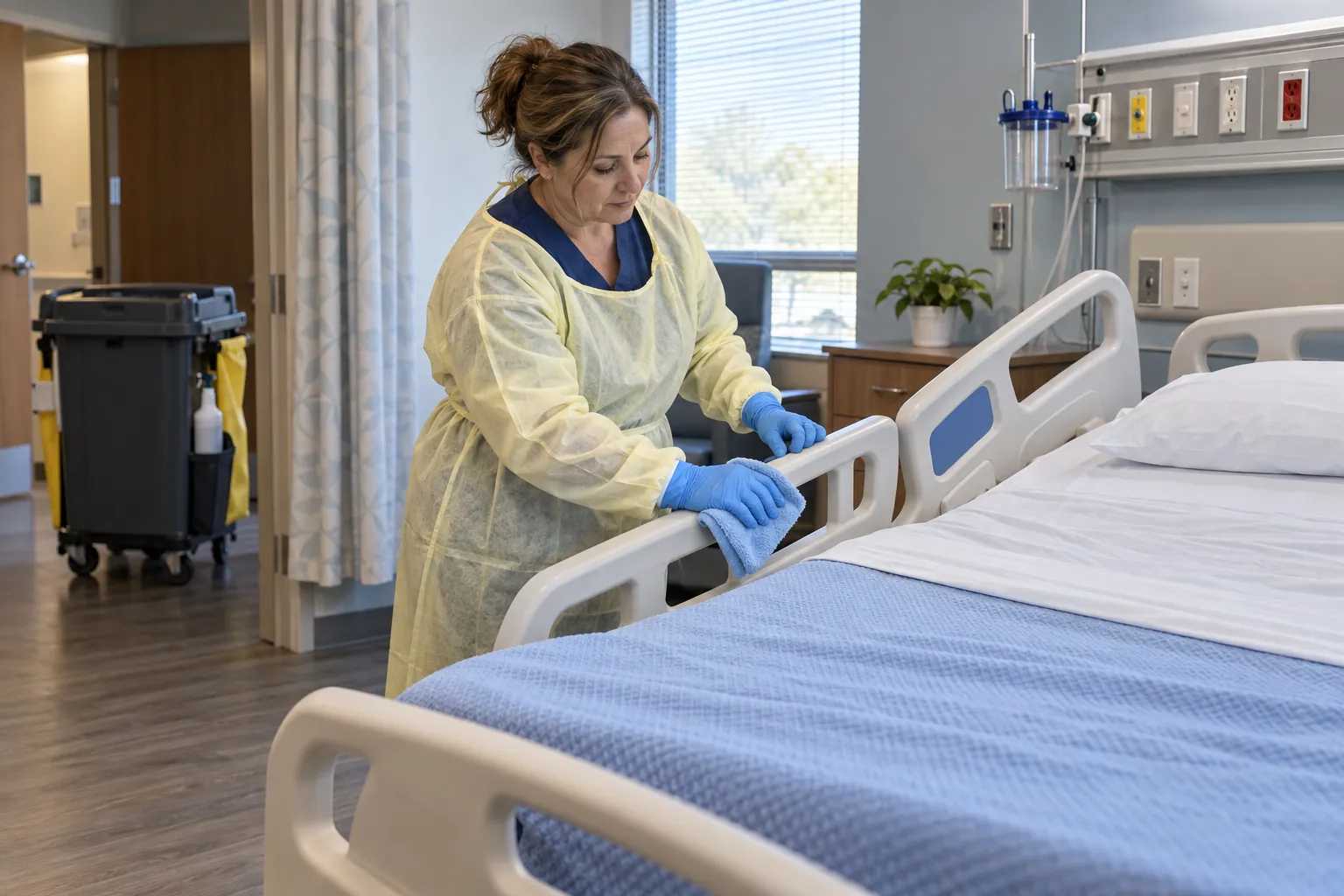 CleaningPatient room cleaning: the daily clean, and how to show it was doneHow to clean an occupied patient room each day: what the CDC and CMS expect, the order of work, products for precautions rooms, who does what, and how it is checked.
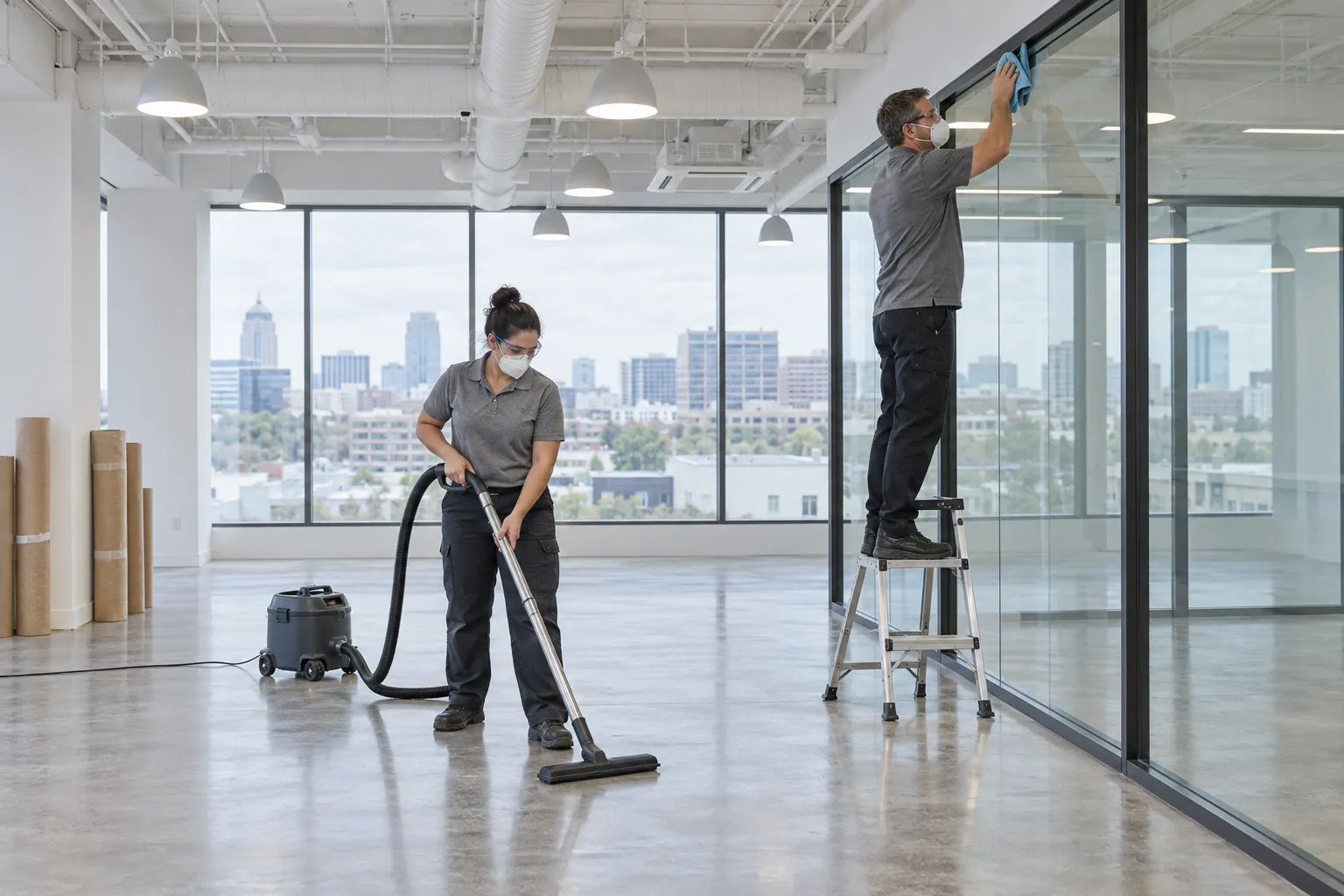 CleaningThe post-construction cleaning checklist: three cleans, the dust rules, and a sign-off that holds upA post-construction cleaning checklist for commercial buildings: the rough, final and touch-up cleans, OSHA's silica dust rules, lead-safe cleanup and the sign-off.
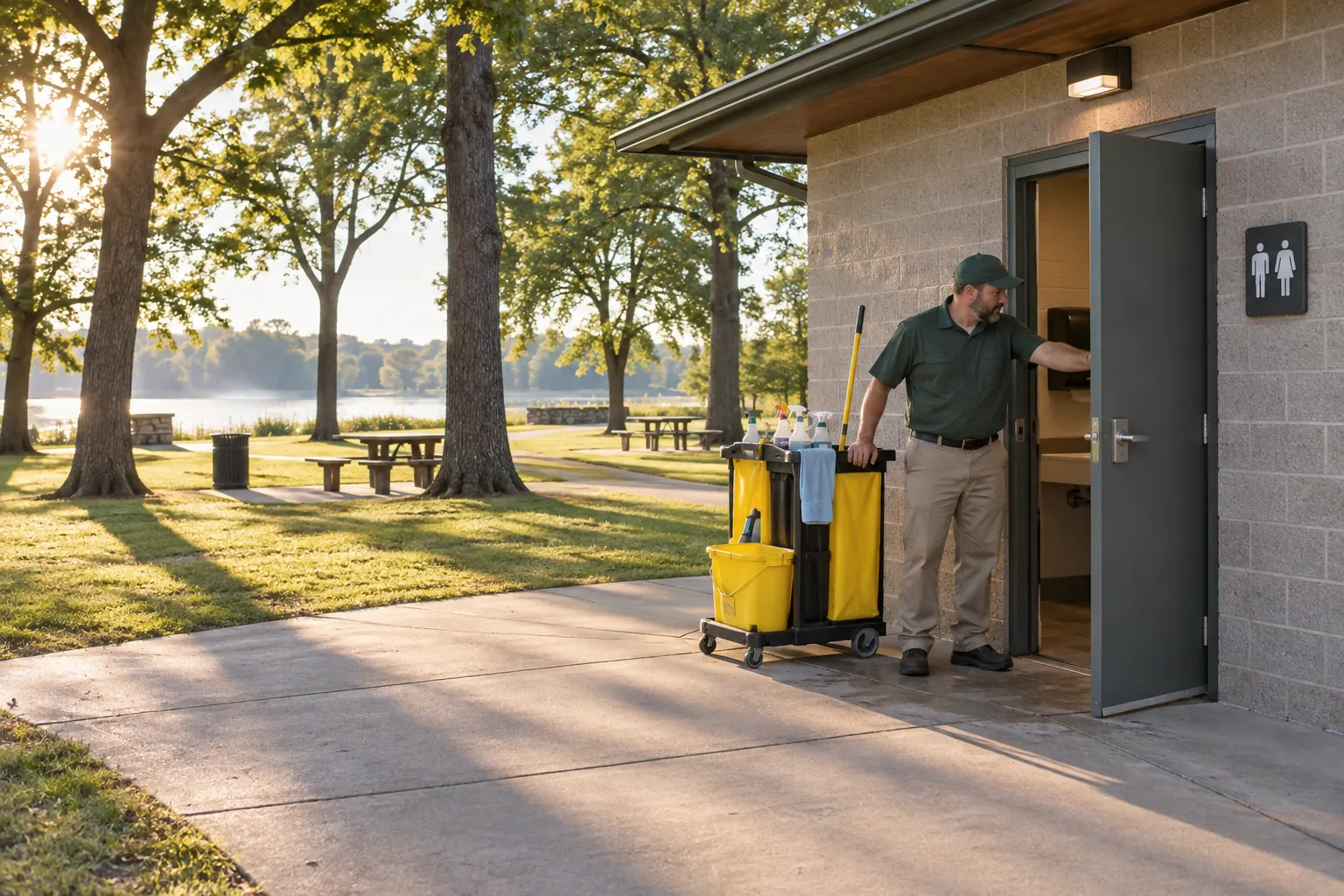 CleaningPublic restroom cleaning: frequency, safety and ADA upkeepCleaning public restrooms in parks, transit, venues and public buildings: how often at peak, sharps and bodily fluids under OSHA, and keeping ADA features usable.
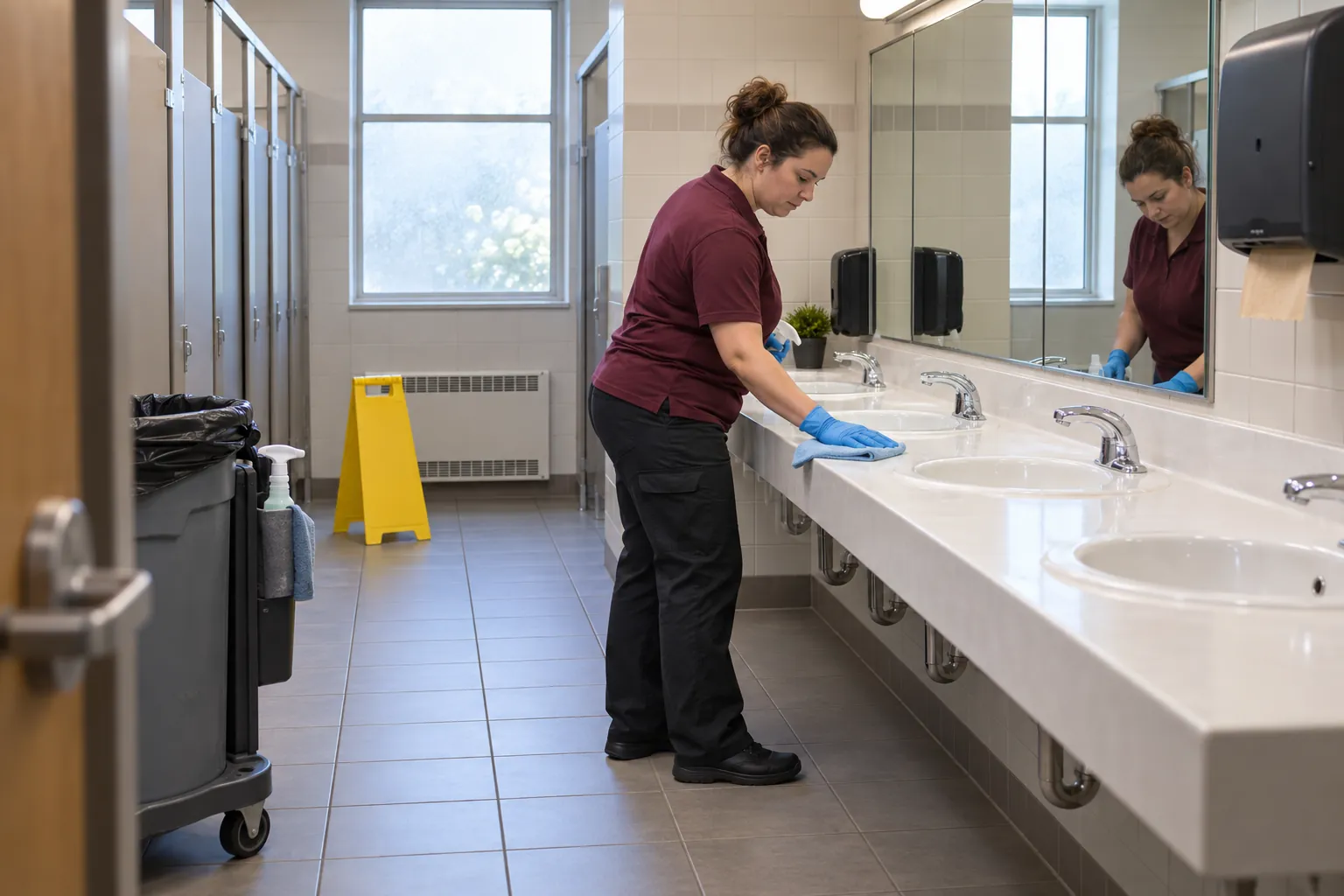 CleaningResidence hall cleaning: dorms, community bathrooms and the summer turnoverCleaning college residence halls and dorms: community bathrooms, lounges, kitchens, room inspections, outbreaks and the summer turnover, with the rules that apply.
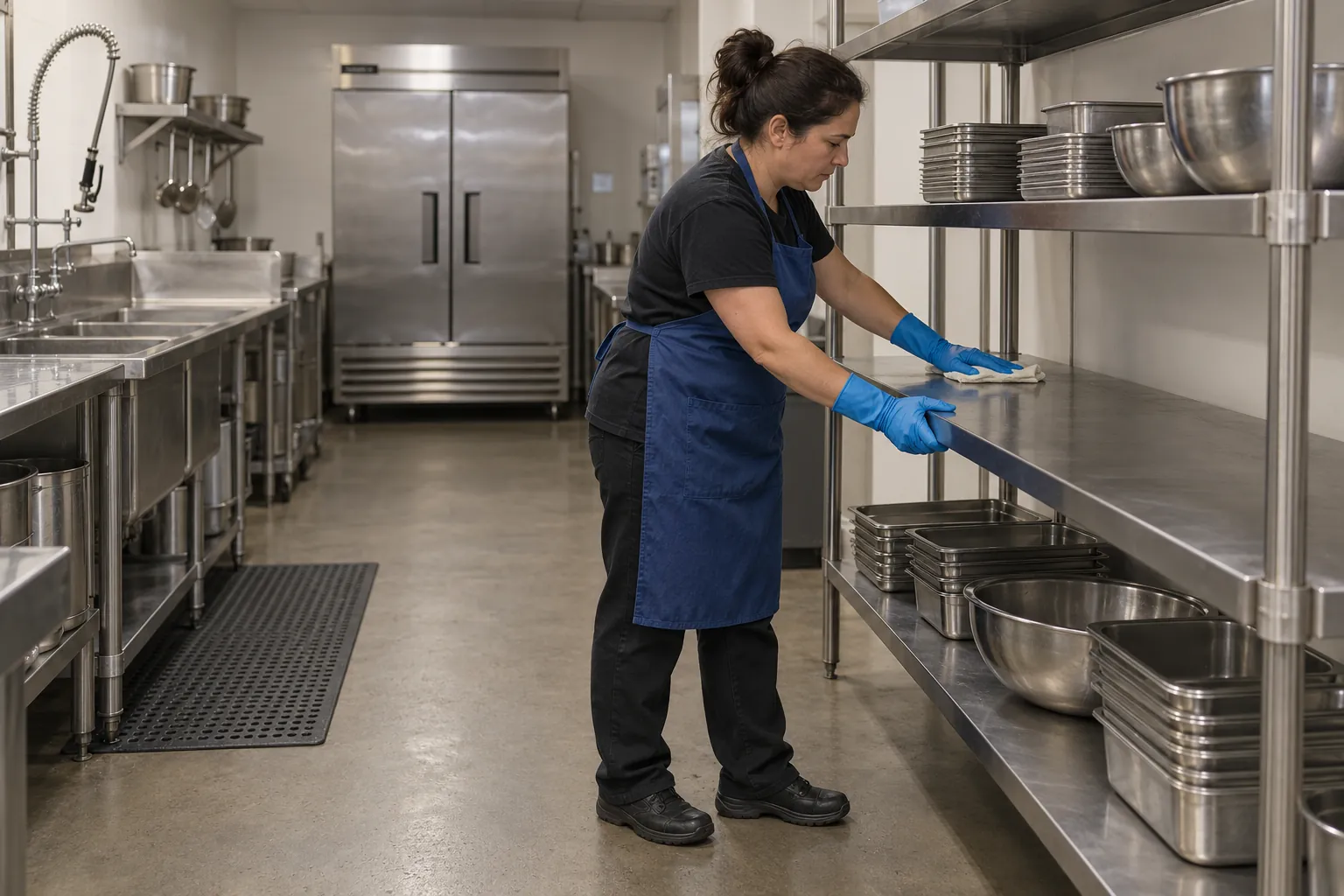 CleaningRestaurant cleaning checklist: kitchen, dining room and closing checksA US restaurant cleaning checklist for opening, service and closing, with commercial kitchen tasks, food-contact cleaning, periodic work and supervisor checks.
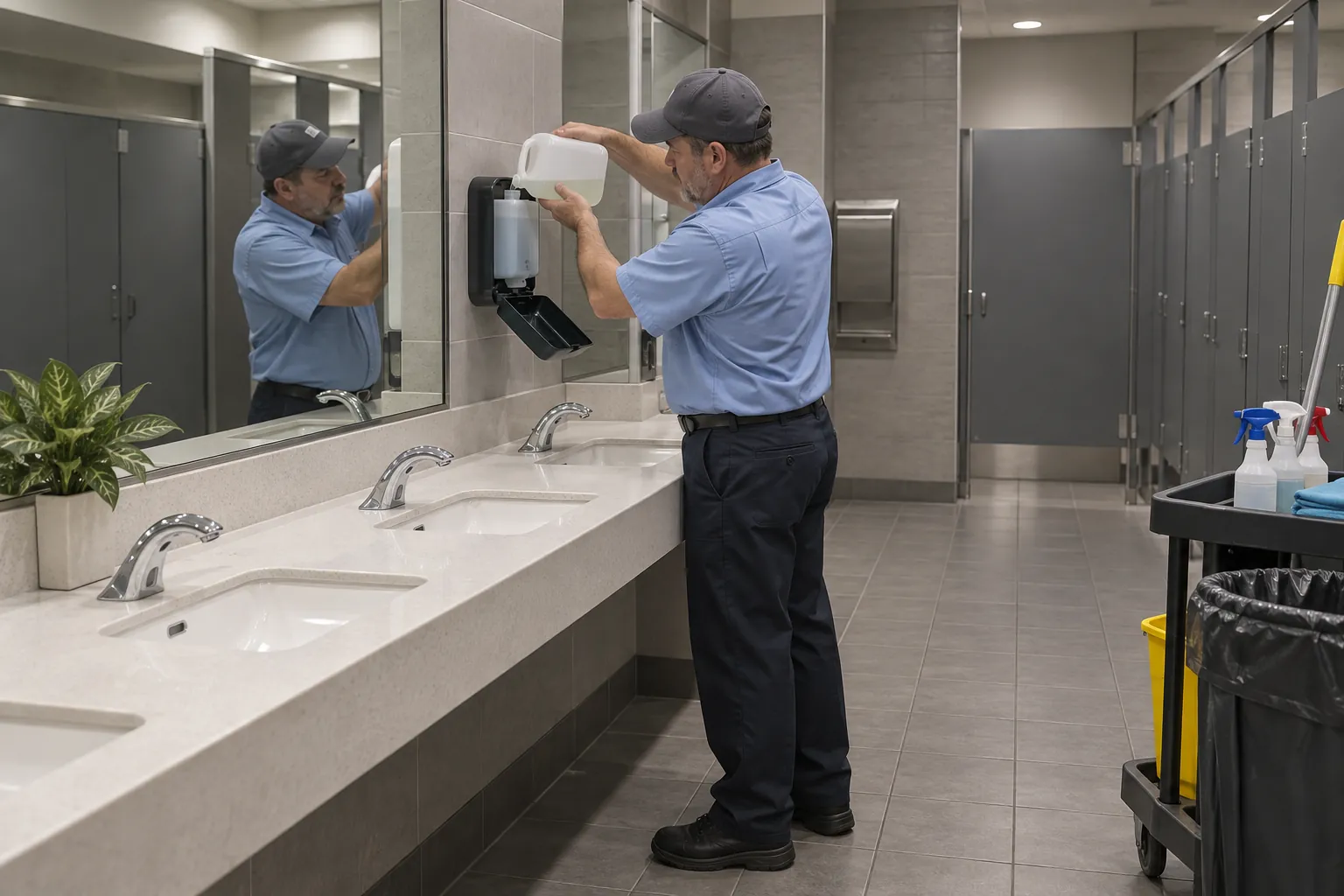 CleaningRestroom cleaning log: what to record, and how to make it believableWhat a restroom cleaning log should record, how often to check, the OSHA and Food Code rules behind it, and how to keep a log a client or inspector will believe.
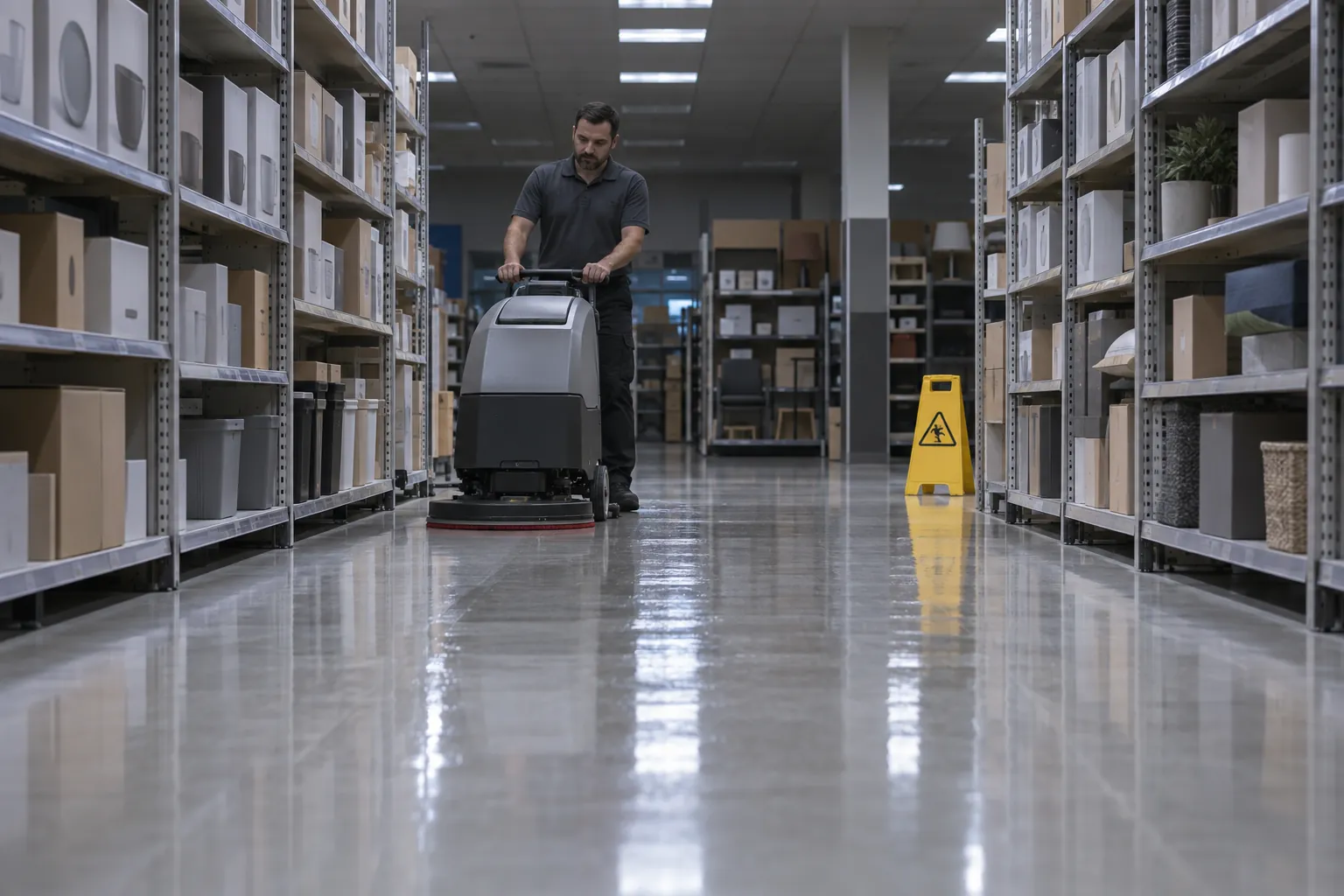 CleaningRetail cleaning checklist: sales floor, fitting rooms, restrooms and spillsA retail cleaning checklist for US stores: entrances, sales floor, fitting rooms, restrooms and the back room, with OSHA floor rules, spills and who checks it.
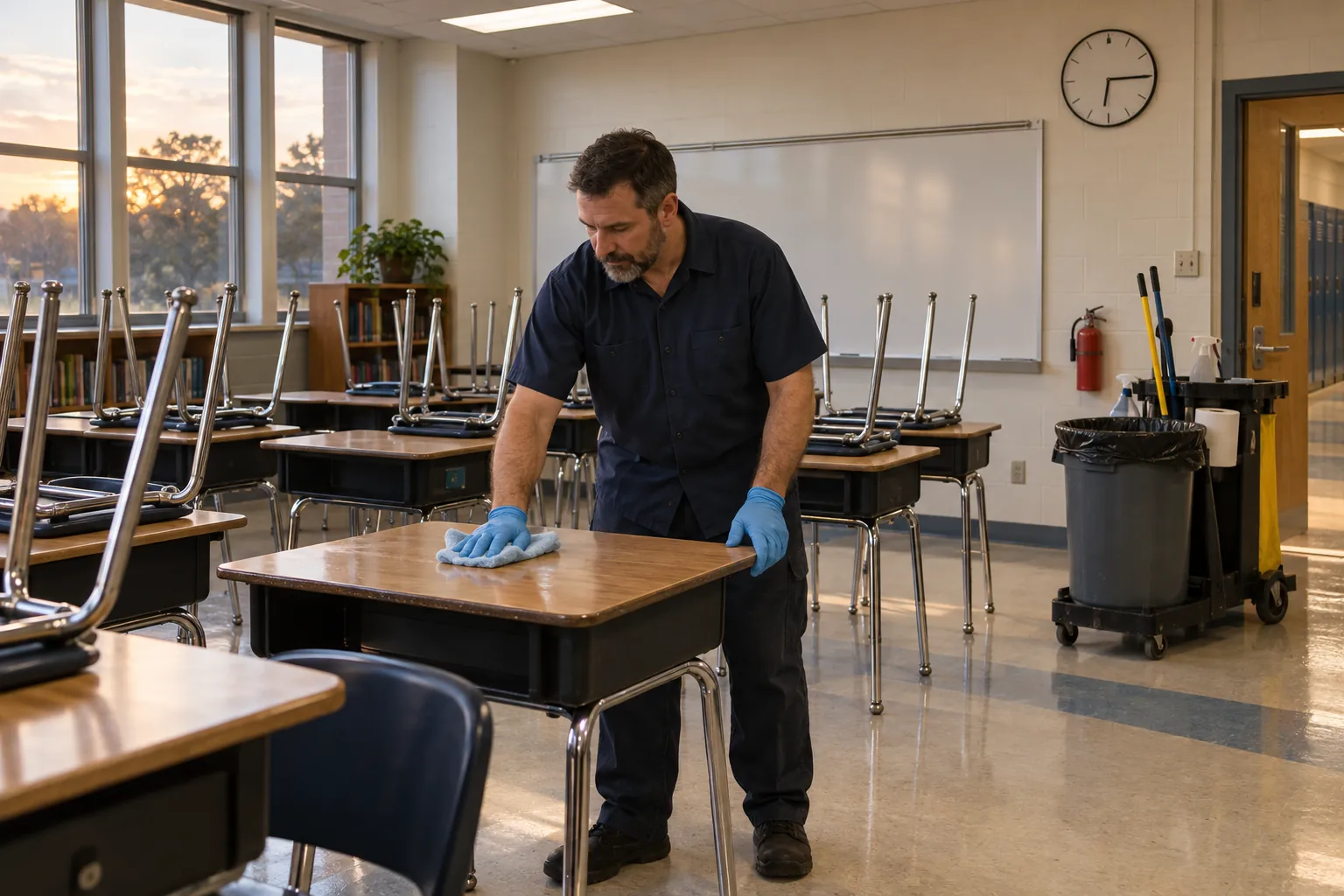 CleaningSchool cleaning checklist: what custodians clean, how often, and how to show it was doneA school cleaning checklist for classrooms, restrooms, hallways, the cafeteria, gym and nurse's office: daily, weekly and summer tasks, the rules and the record.
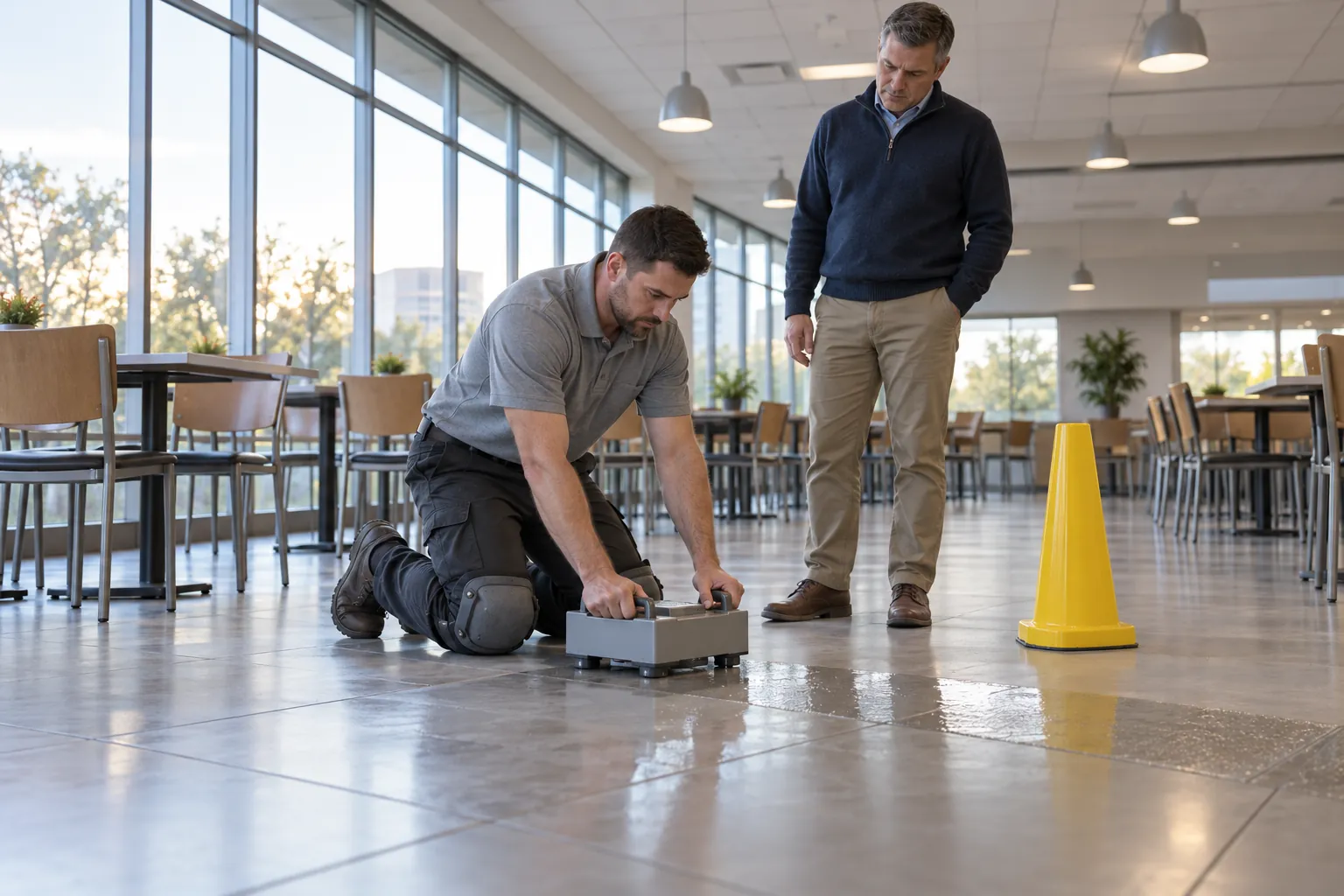 CleaningSlip resistance testing: what the DCOF number means and when a floor needs testing againSlip resistance testing explained: what DCOF measures, the 0.42 wet value in ANSI A326.3-2021, what OSHA and the ADA say, and when floors need retesting.
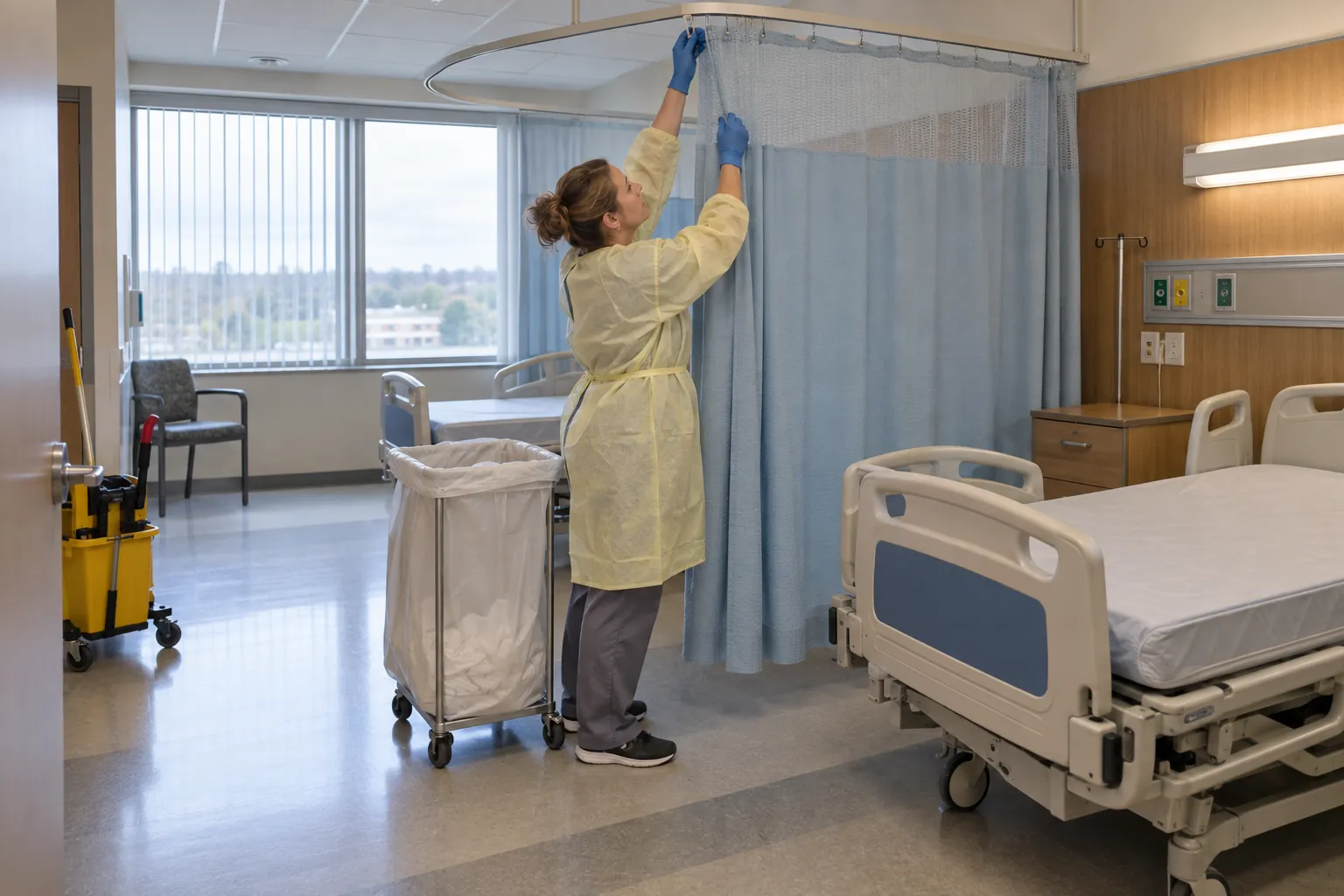 CleaningTerminal cleaning: how to do it, and how to show it was doneWhat terminal cleaning is, when it is done, the CDC steps in order, the products for C. diff and C. auris rooms, and how a hospital checks the clean was thorough.
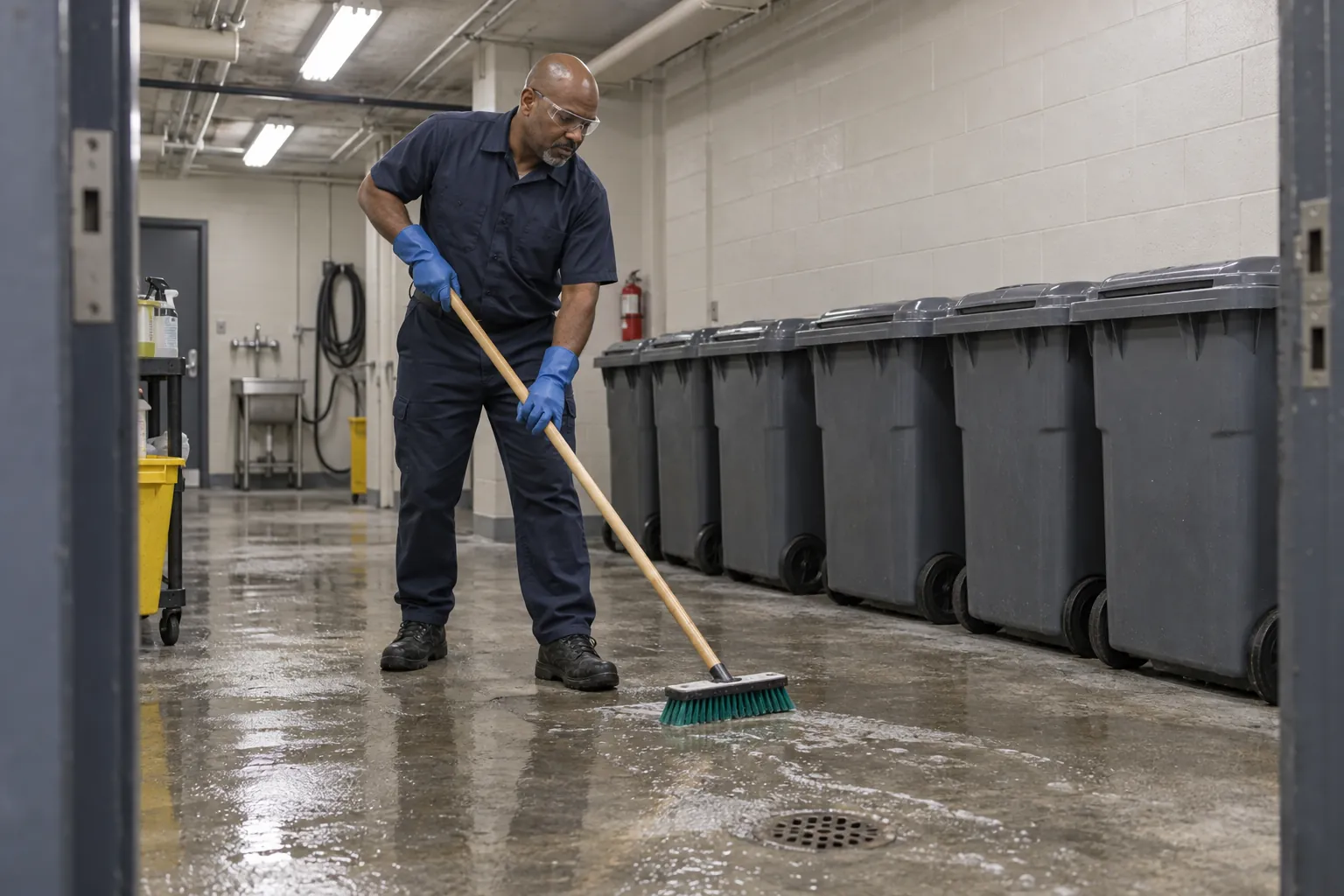 CleaningTrash room cleaning: the codes, the schedule and the recordHow to keep a trash room clean, safe and pest-free: the property maintenance, fire and OSHA rules behind it, a cleaning schedule, and what to record.
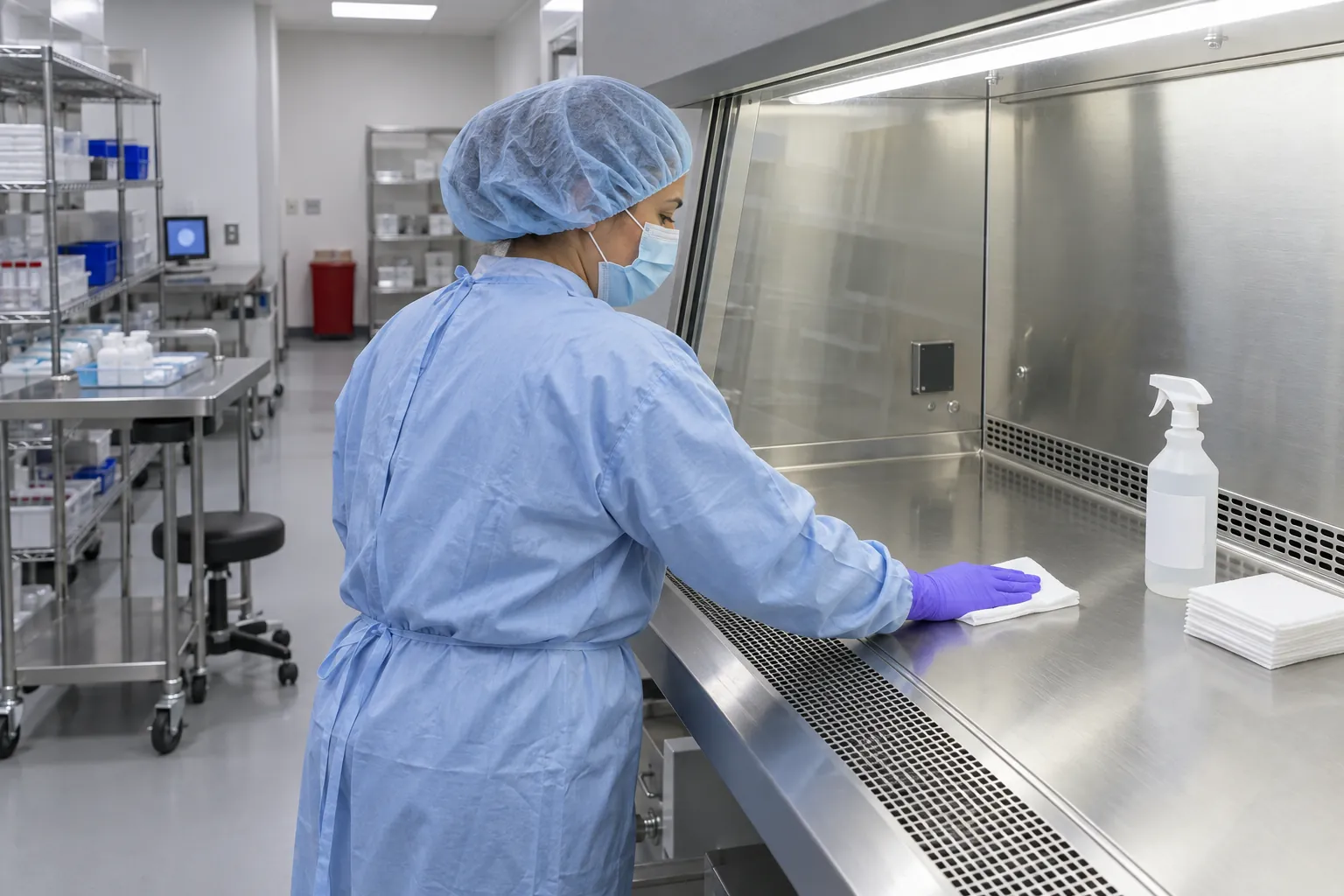 CleaningUSP 797 cleaning requirements: what gets cleaned, how often, and how to show itUSP 797 cleaning for sterile compounding: what is cleaned daily and monthly, the sporicidal and sterile IPA steps, who may clean, and the record state boards expect.
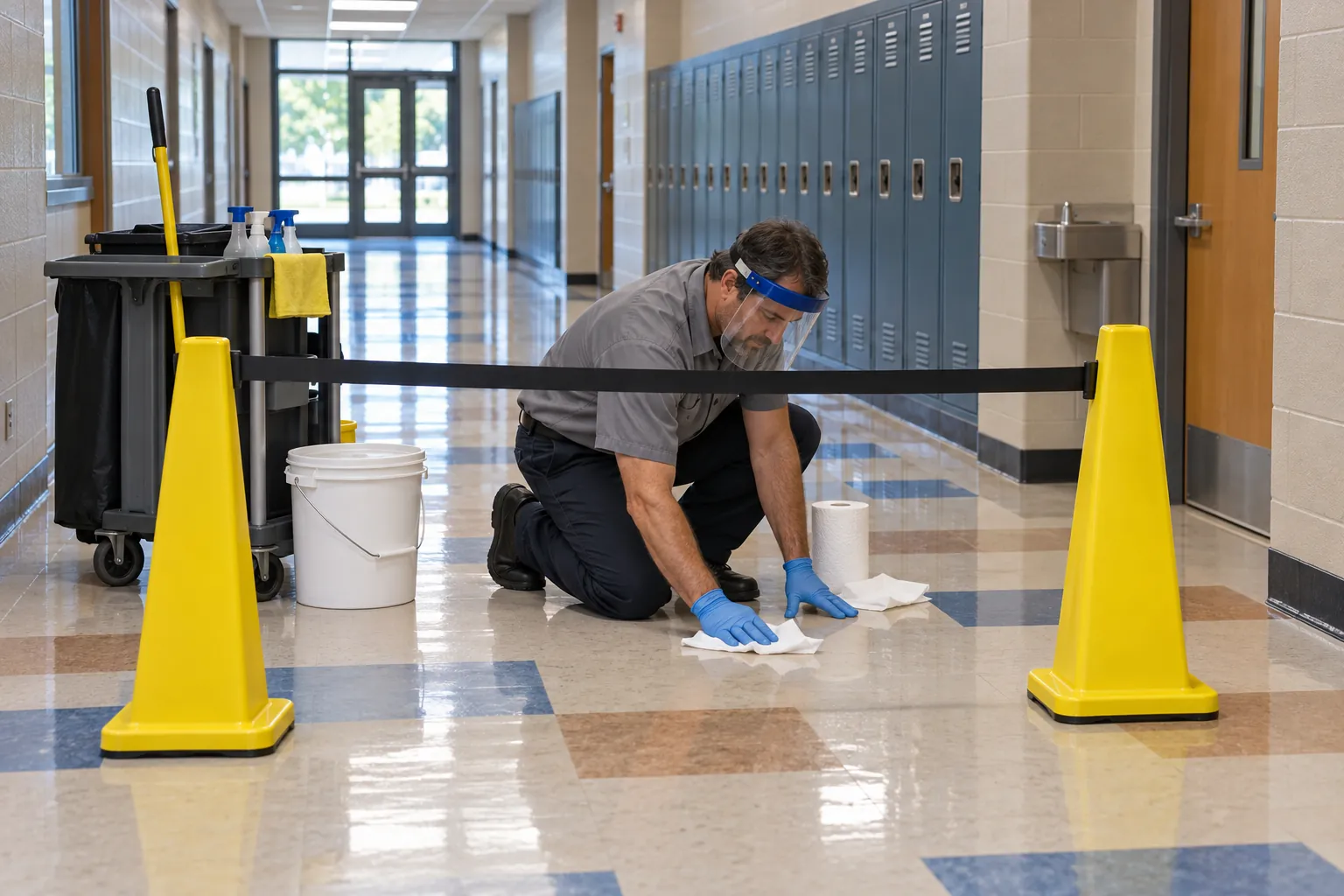 CleaningNorovirus cleanup: how to deal with vomit and diarrhea without spreading the virusHow to clean up vomit and diarrhea so norovirus does not spread: the CDC steps, bleach strength, EPA List G, the Food Code plan, OSHA duties and the record.
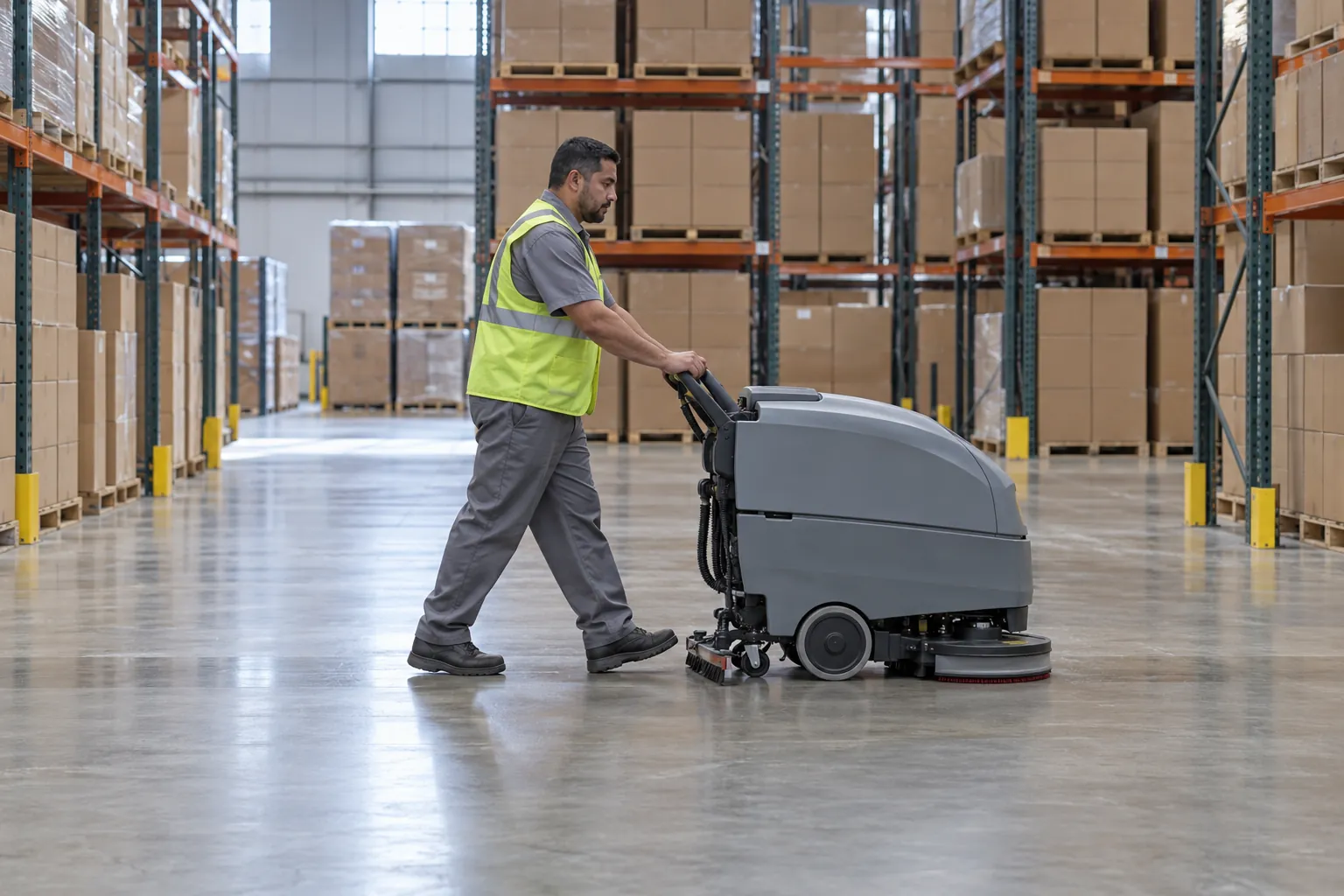 CleaningWarehouse cleaning checklist: practical tasks and a usable recordA US warehouse cleaning checklist covering shifts, floors, aisles, docks, restrooms and periodic work, with safe methods, clear ownership and completed records.
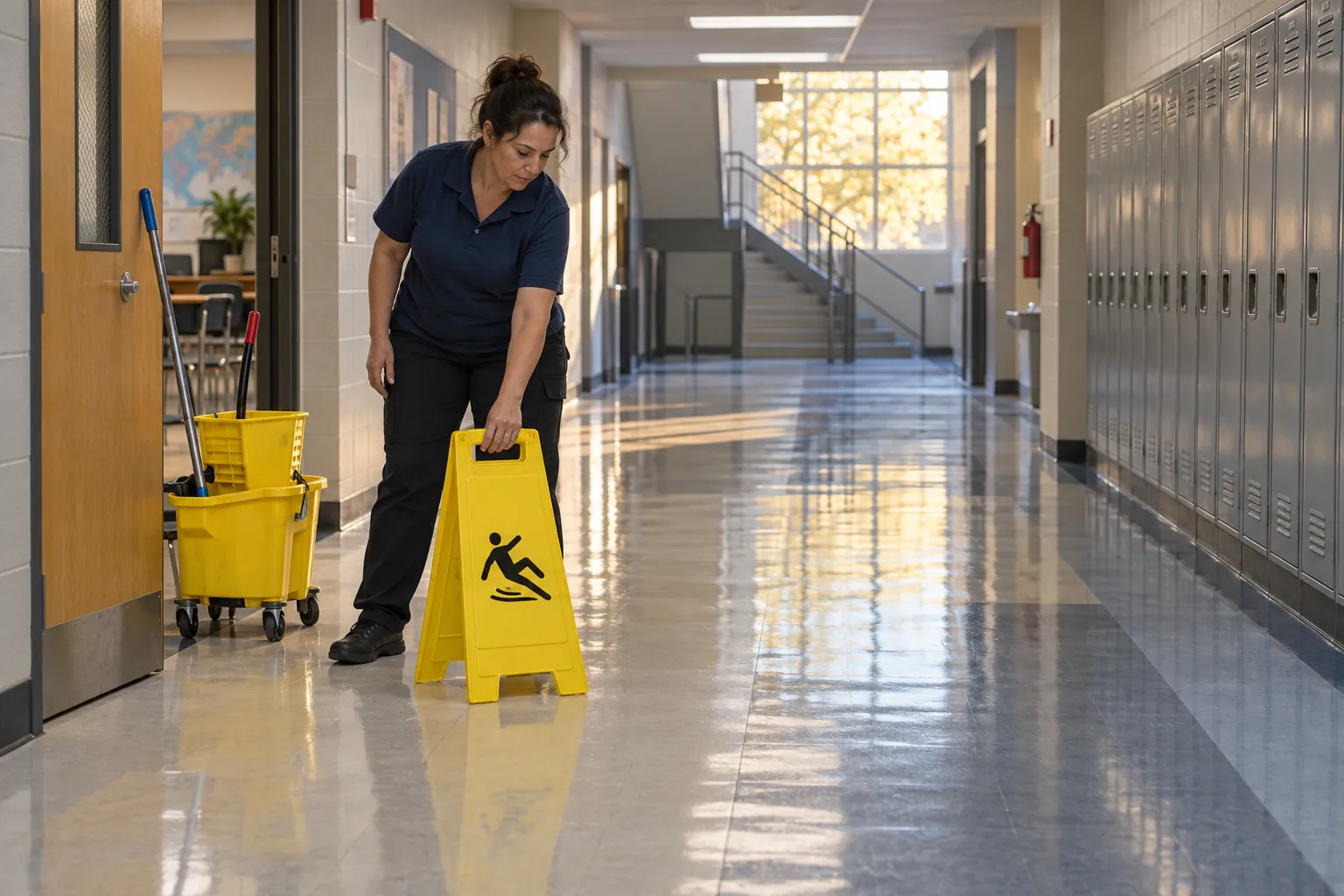 CleaningWet floor sign requirements: what OSHA asks for, and how to use the sign wellWhat OSHA and ANSI Z535 require of a wet floor sign, when one is needed, where to place it, when to take it in, and how to show the wet floor was managed.
Security patrols 1 guide
Fire and water checks 2 guides
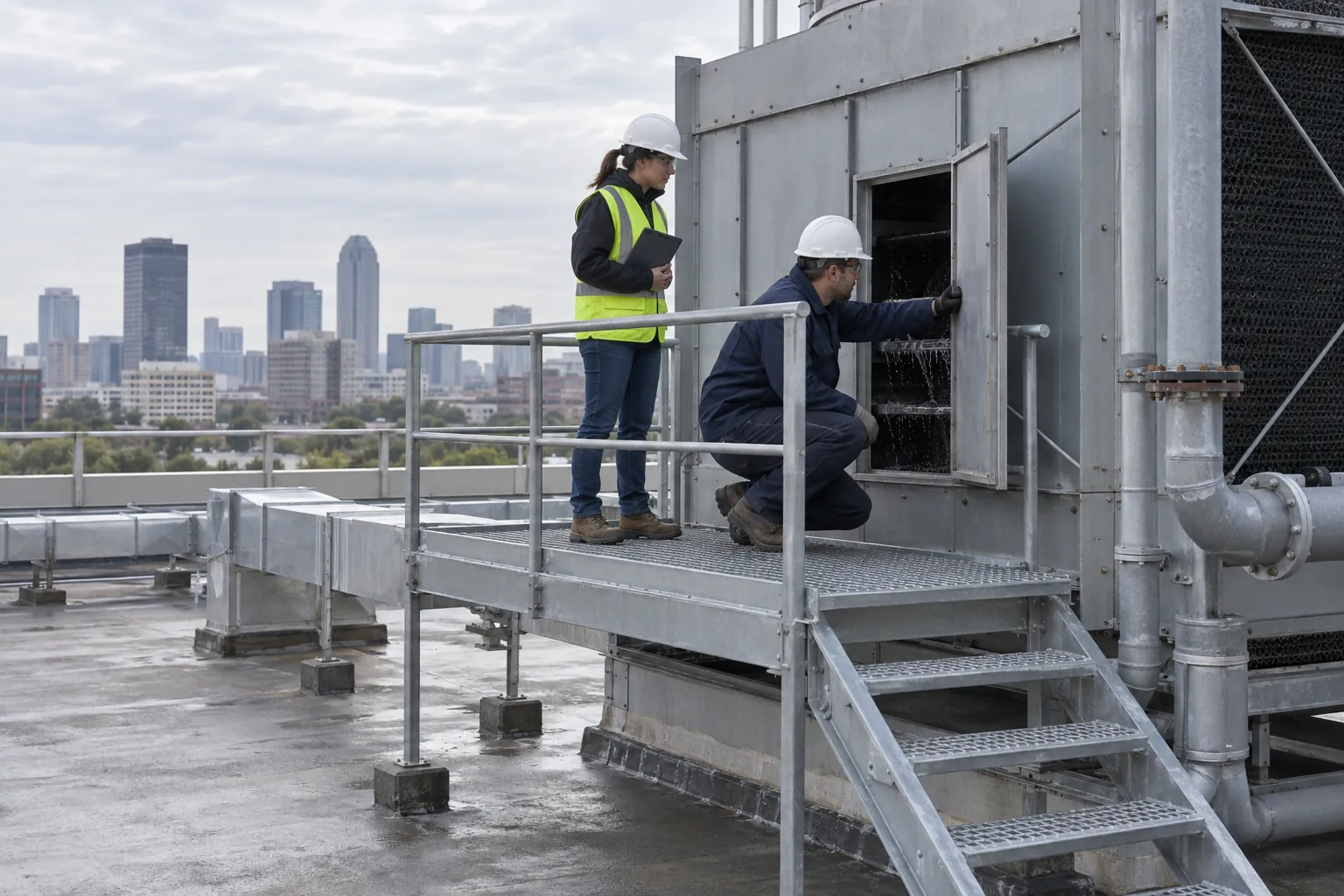 Fire and water checksCooling tower inspection: the weekly checks, the 90-day inspection, and a record that holds upCooling tower inspection in the US: weekly checks, the 90-day compliance inspection under NYC rules, Legionella sampling, cleaning, and a record that holds up.
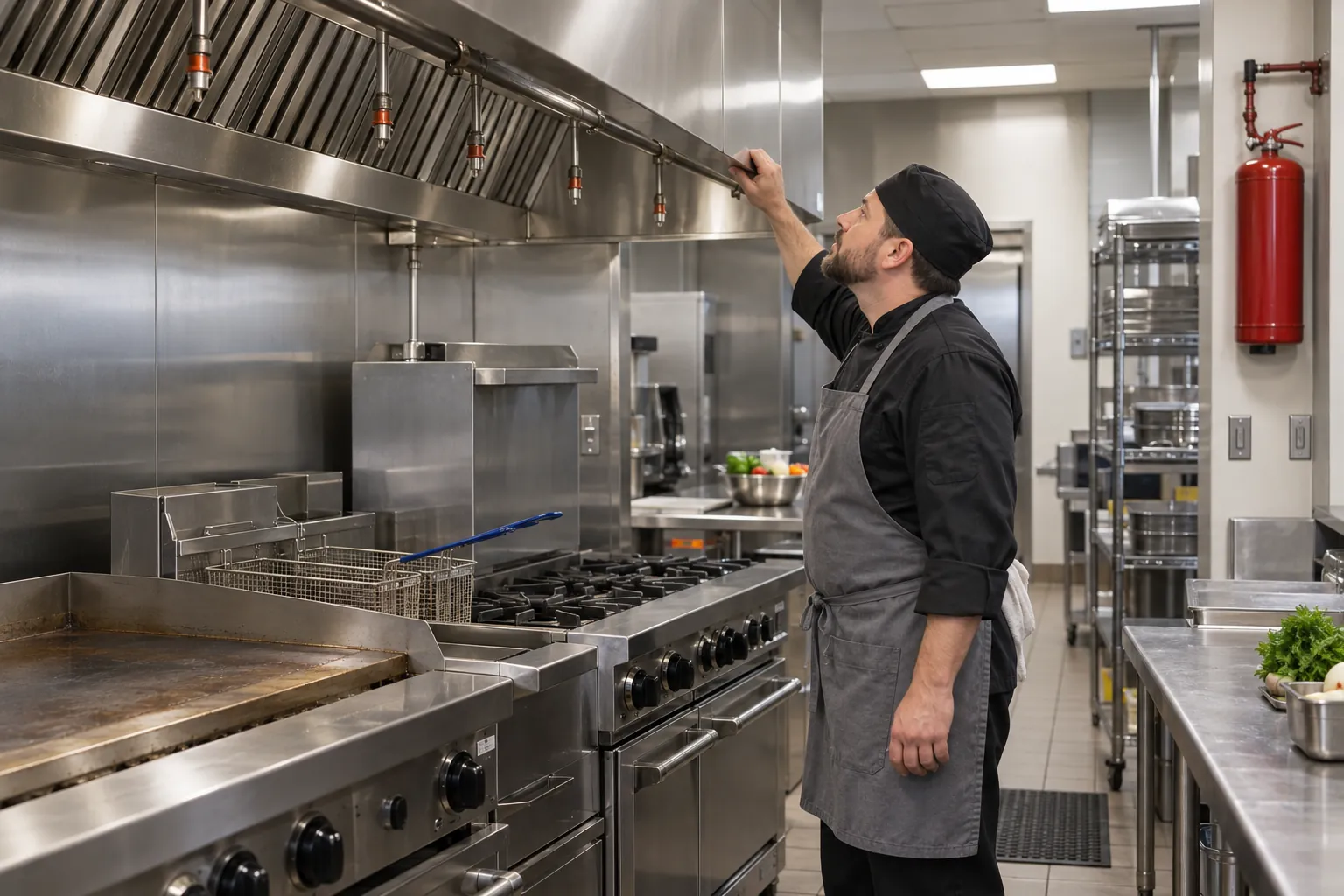 Fire and water checksKitchen hood inspection: grease, cleaning and the fire suppression systemHow commercial kitchen hood inspection works under NFPA 96: grease buildup, cleaning, the six-month suppression service, daily checks and the records to keep.
Premises and facilities management 14 guides
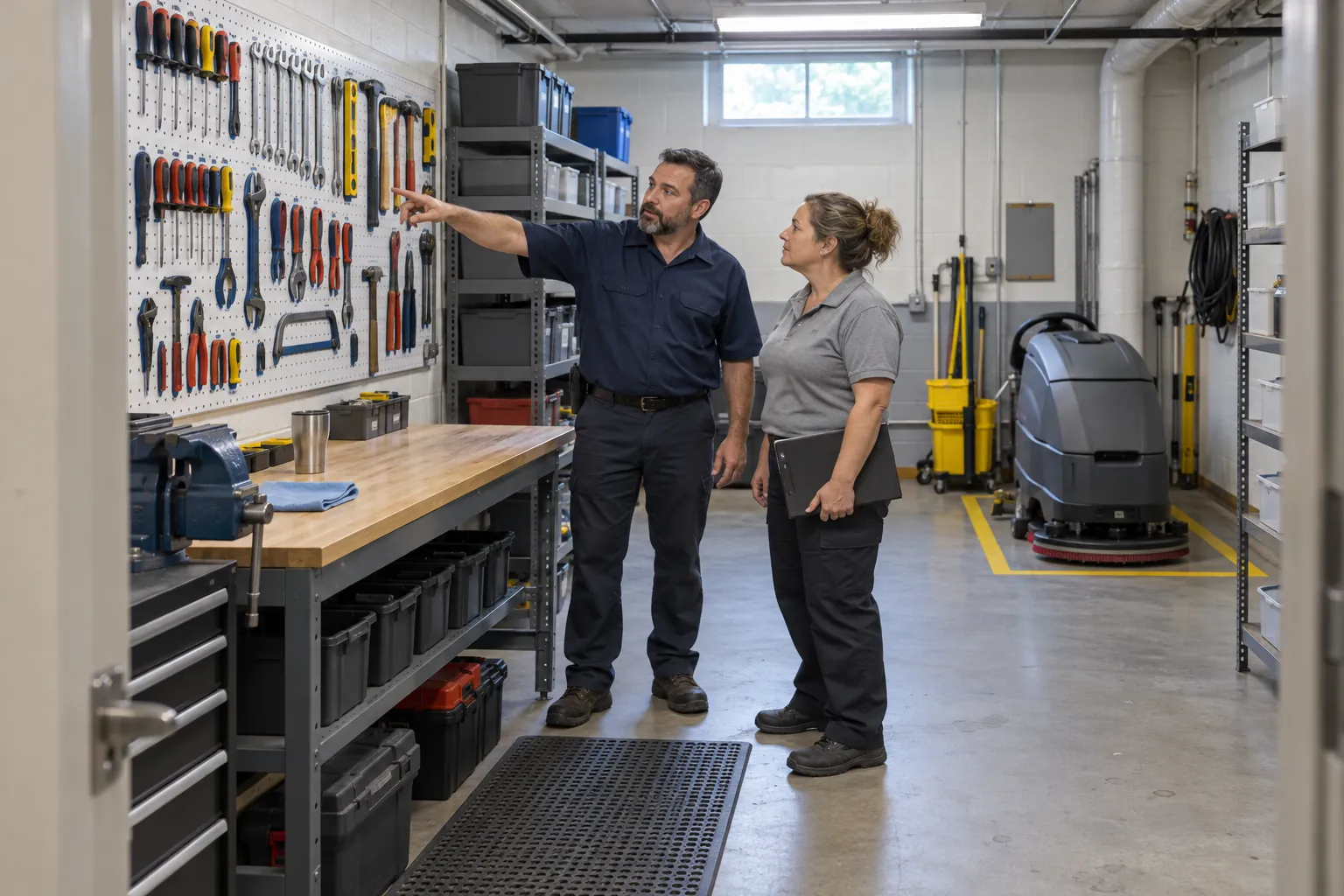 Premises and facilities management5S audits: a checklist for the closets, shops and storerooms that keep a building runningA 5S audit checklist for custodial closets, shops, storerooms and docks: what to check under each S, how to score it, and where OSHA's housekeeping rules come in.
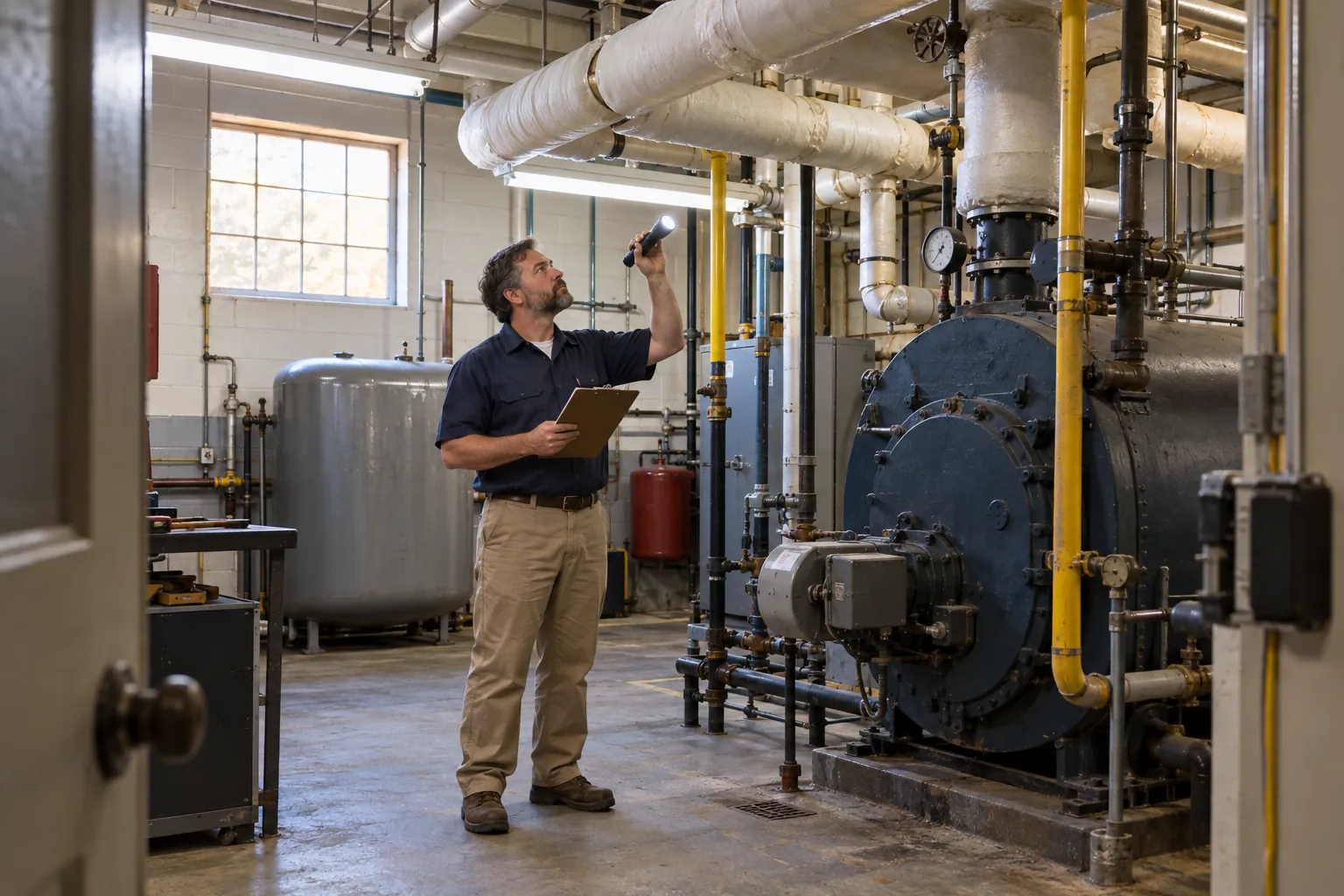 Premises and facilities managementAHERA periodic surveillance: the six-month asbestos check, done and recordedWhat AHERA's six-month periodic surveillance requires of schools under 40 CFR 763.92, who can walk it, what to record, and how to keep the management plan current.
 Premises and facilities managementThe Cal/OSHA Injury and Illness Prevention Program: what 8 CCR 3203 asks, and how to run it in a buildingCalifornia's Injury and Illness Prevention Program under 8 CCR 3203: the required elements, scheduled inspections, corrections, training and the records to keep.
 Premises and facilities managementThe California Facility Inspection Tool: what good repair means, and how to keep a school there between inspectionsCalifornia's school Facility Inspection Tool under Education Code 17002: what good repair means, what the FIT covers, who inspects, and the record behind it.
 Premises and facilities managementCustodian duties: what the job involves, and how to show it was doneCustodian duties in schools, offices, churches and public buildings: cleaning, restrooms, opening and locking, safety checks, OSHA rules and a record of the work.
 Premises and facilities managementFacilities help desk: what it does, and how to run one wellWhat a facilities help desk does, how it logs, prioritizes and closes work orders, the people and systems behind it, and how to tell whether it is working.
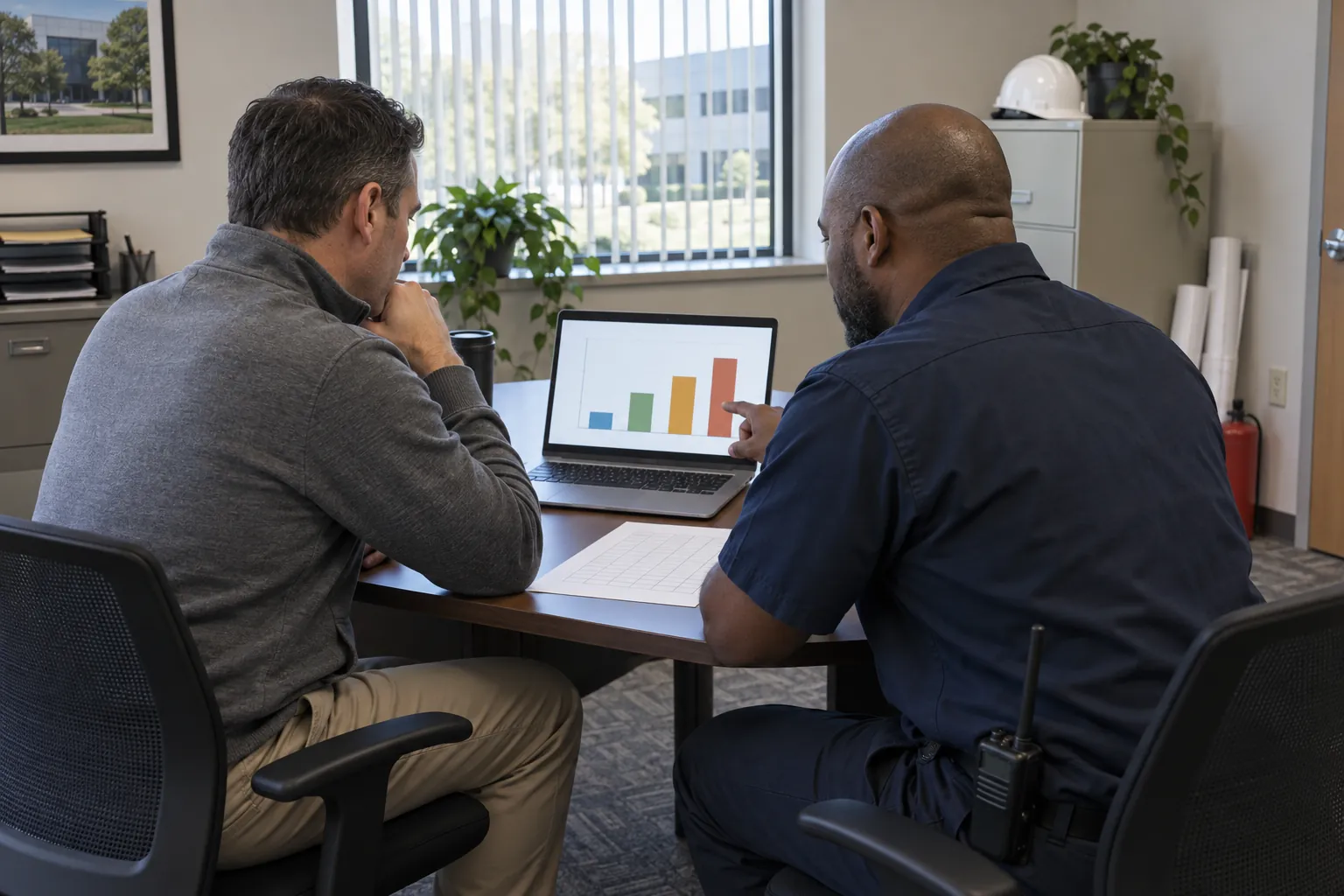 Premises and facilities managementFacility management KPIs: how to choose them, and how to keep them honestHow to choose facility management KPIs: examples from FCI to EUI and work order metrics, input and outcome measures, data sources, definitions and gaming.
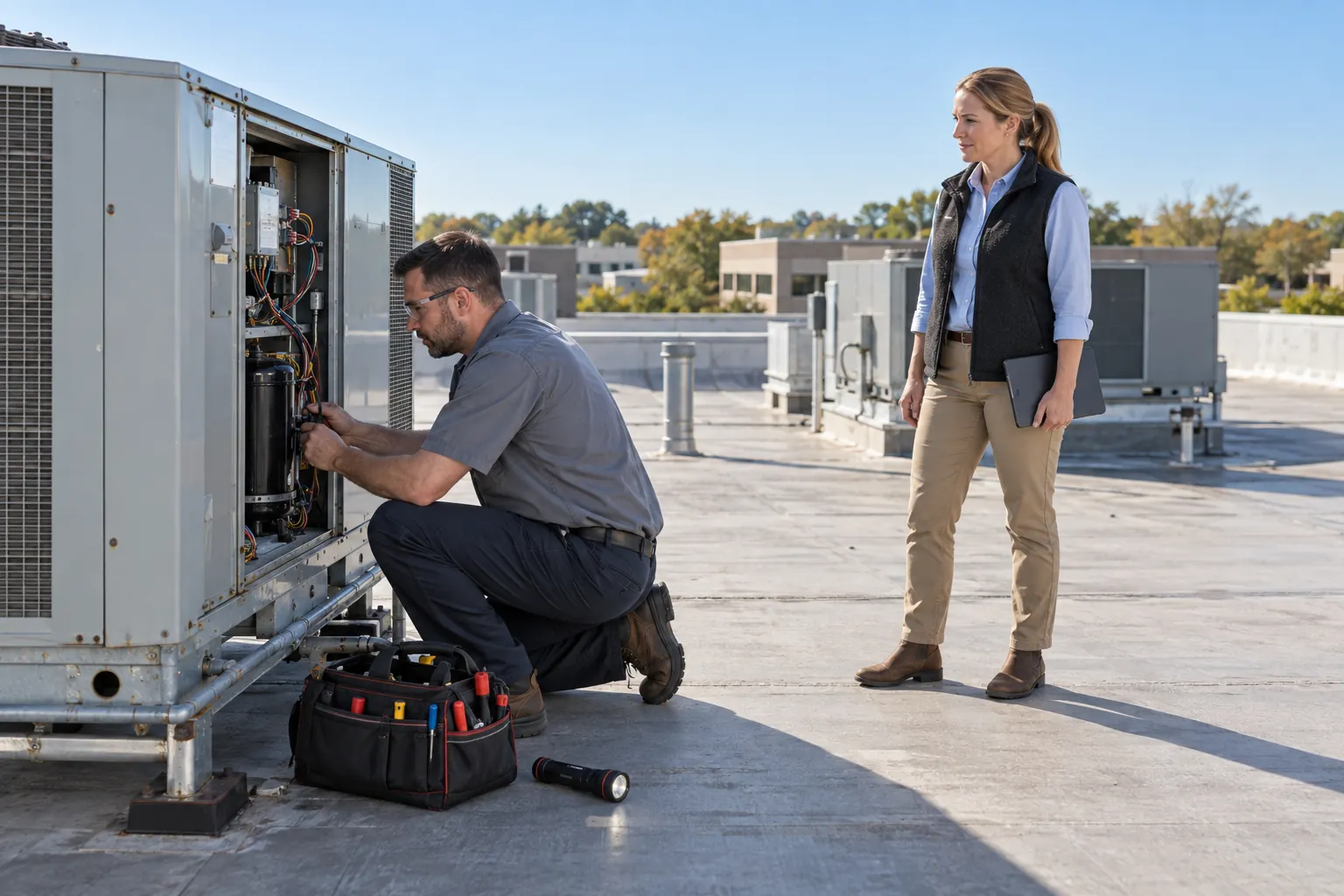 Premises and facilities managementFacility management SLA: setting service levels you can actually checkHow to write a facility management SLA: help desk and work order priorities, PM, janitorial and security service levels, credits, and the records behind them.
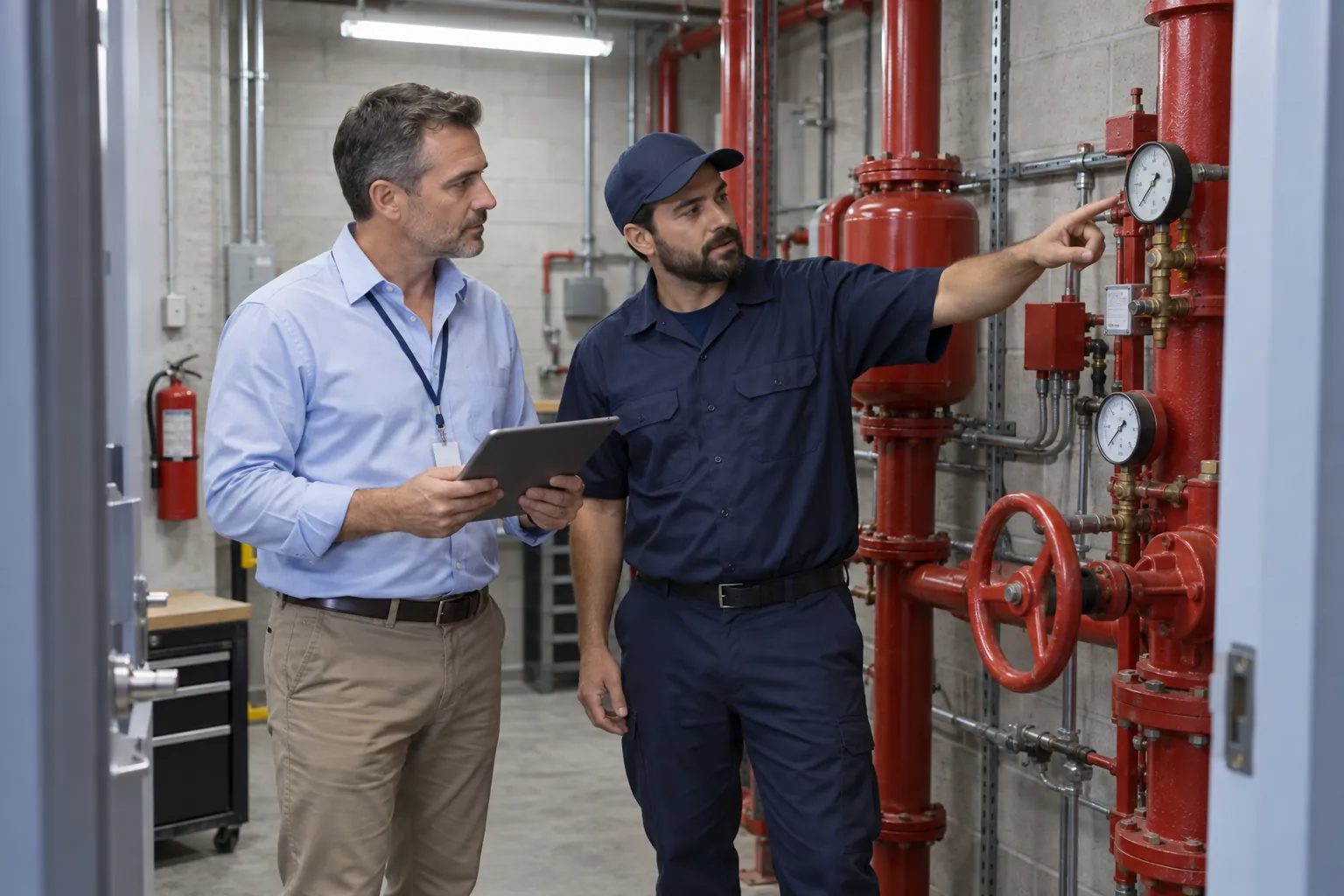 Premises and facilities managementFacility manager duties: what the job covers, and how to show it is doneFacility manager duties across buildings and vendors: OSHA's General Duty Clause, exits, lockout, contractors, the inspection calendar and a record you can show.
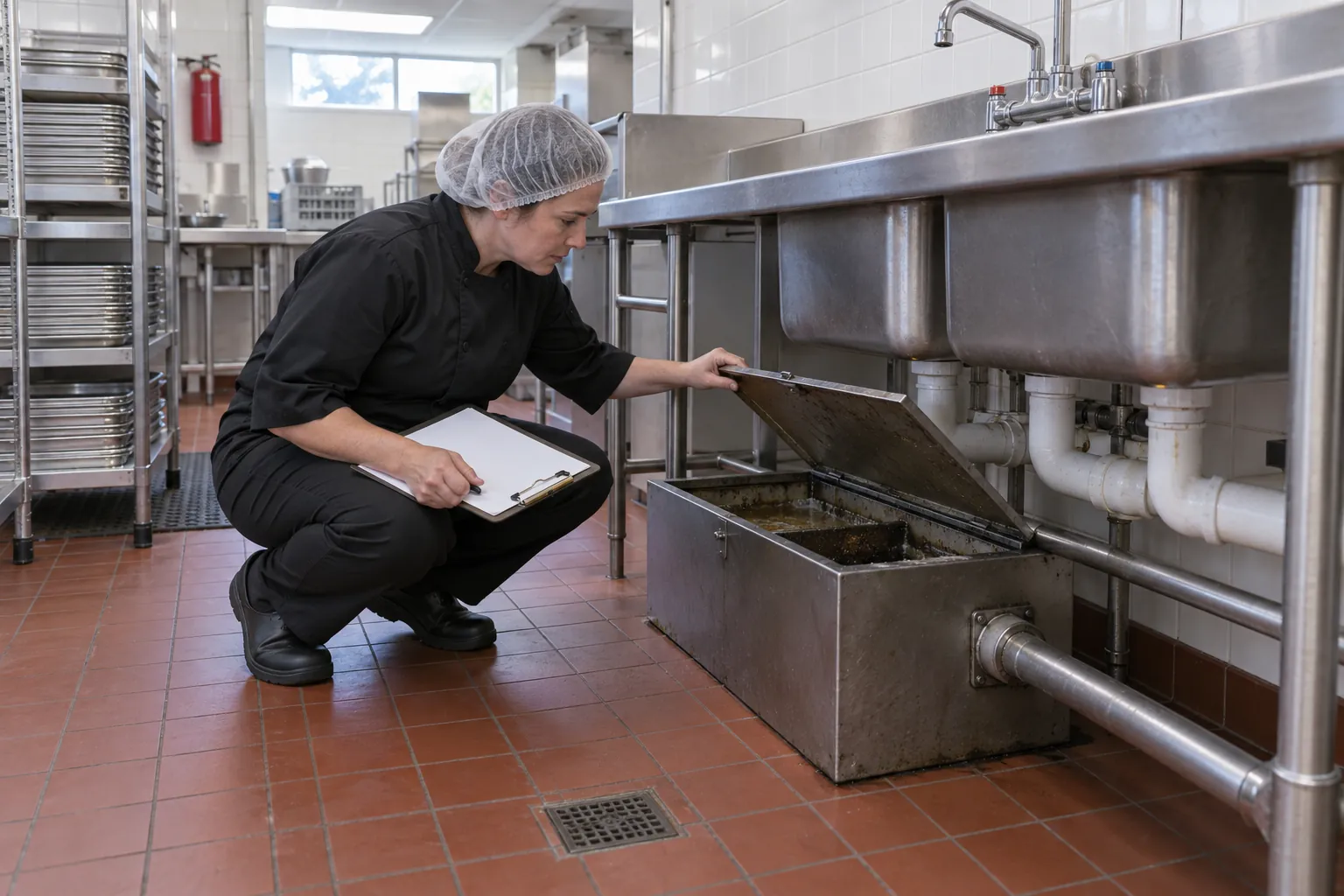 Premises and facilities managementGrease trap cleaning log: what to record, how often, and what the FOG inspector expectsWhat a grease trap cleaning log should record, how often interceptors are pumped, what local FOG programs and inspectors expect, and where the log usually fails.
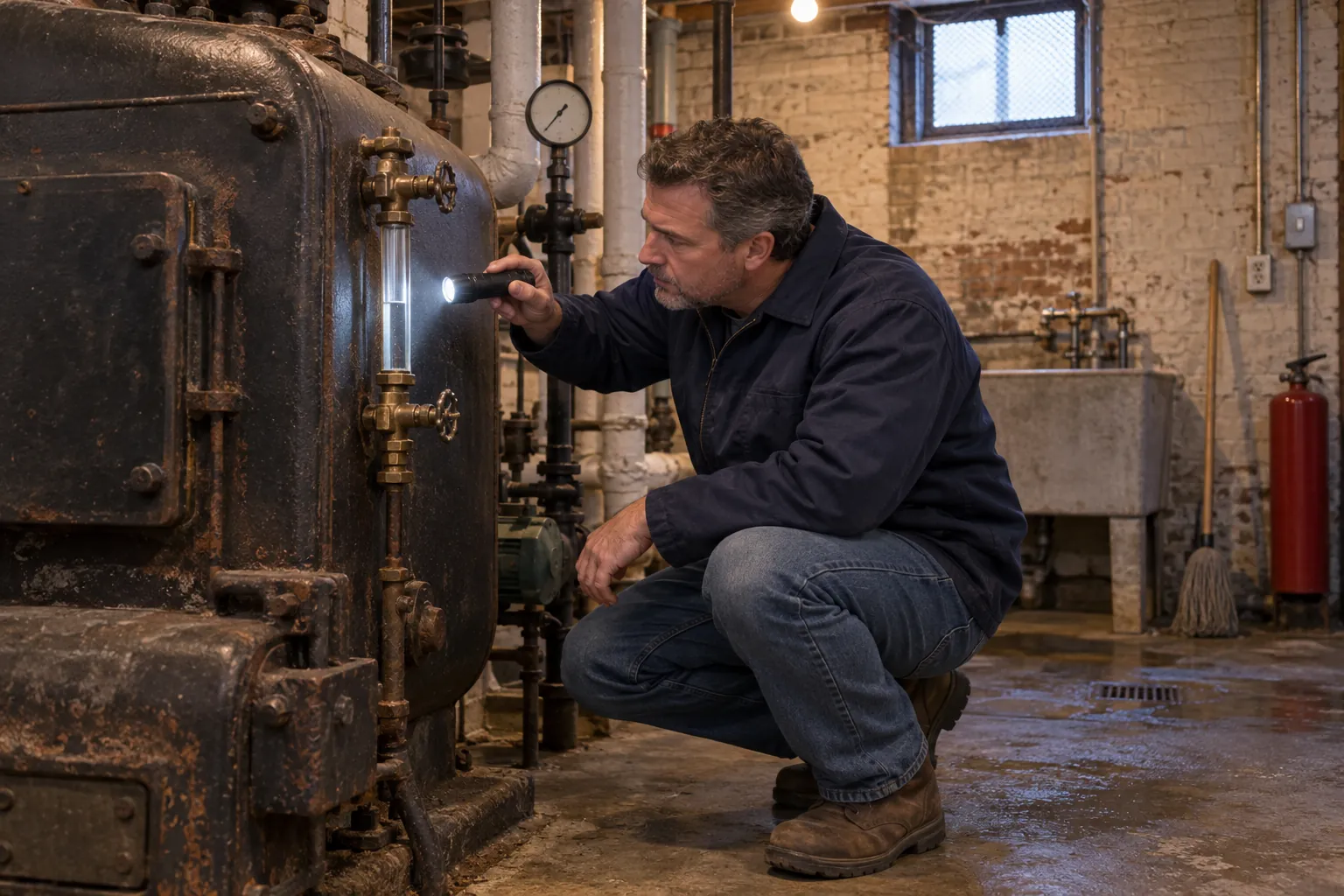 Premises and facilities managementNYC building superintendent requirements: the law, the duties and the recordWhen a New York City apartment building needs a resident super, what state law and HPD expect of the job, and how to keep a daily record that holds up.
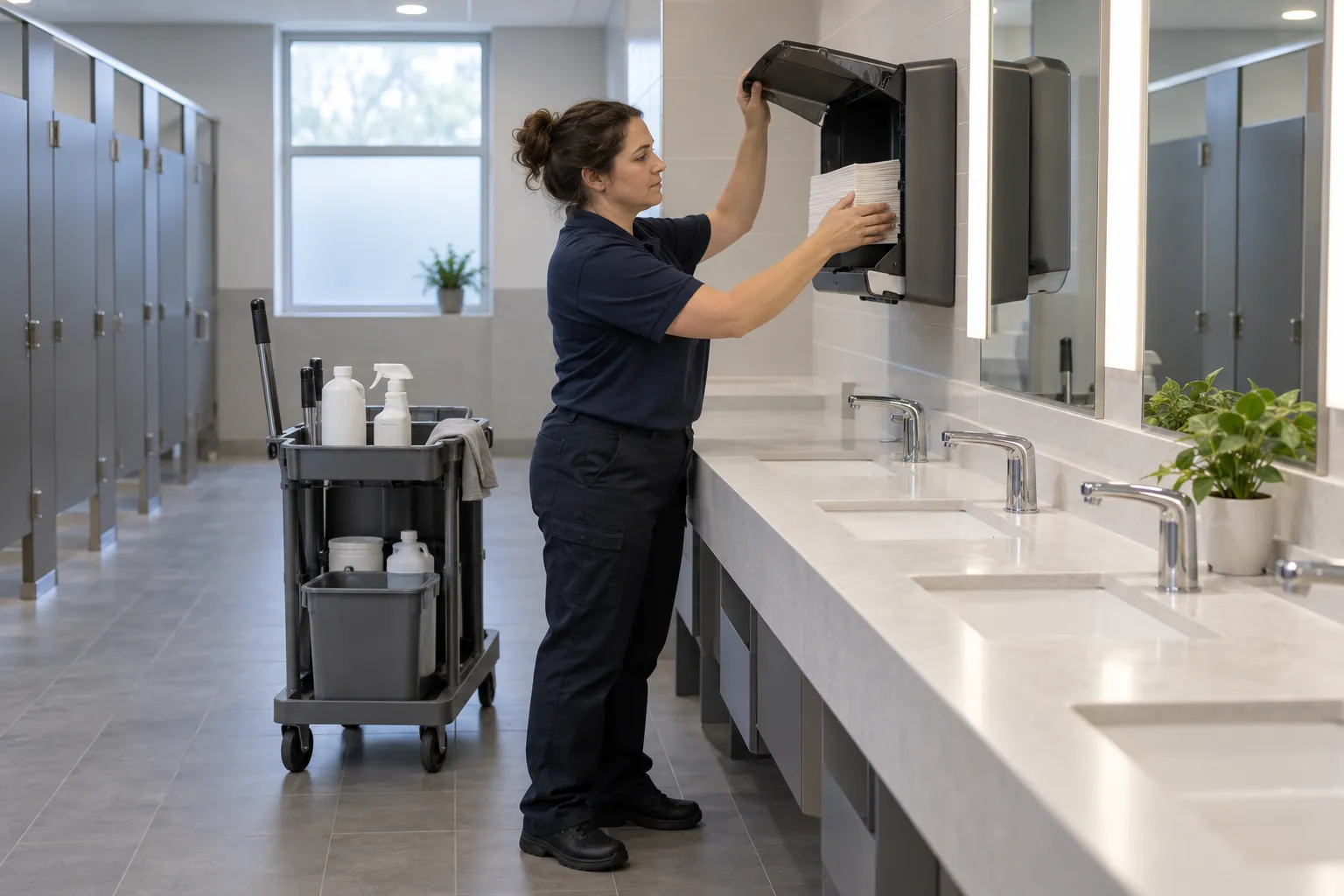 Premises and facilities managementOSHA bathroom requirements: how many toilets, who may use them, and how they are keptWhat OSHA requires of workplace restrooms: the Table J-1 toilet ratio, access without unreasonable limits, soap, water and towels, and the building code count.
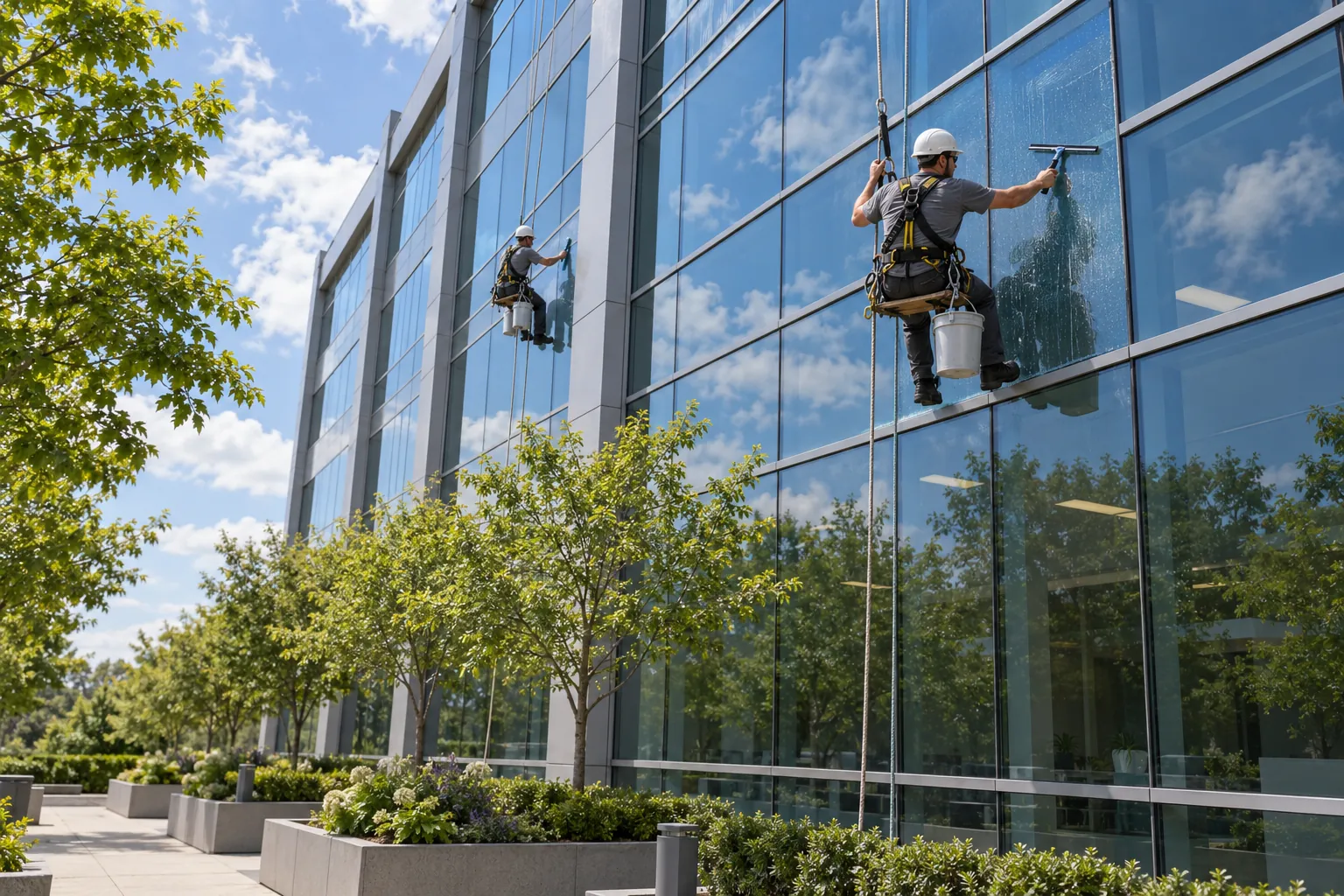 Premises and facilities managementRope descent systems: what OSHA 1910.27 asks of building owners and window cleaning contractorsA rope descent system under OSHA 1910.27(b): the building owner's written anchor certification, annual inspection, 10-year recertification and the day's checks.
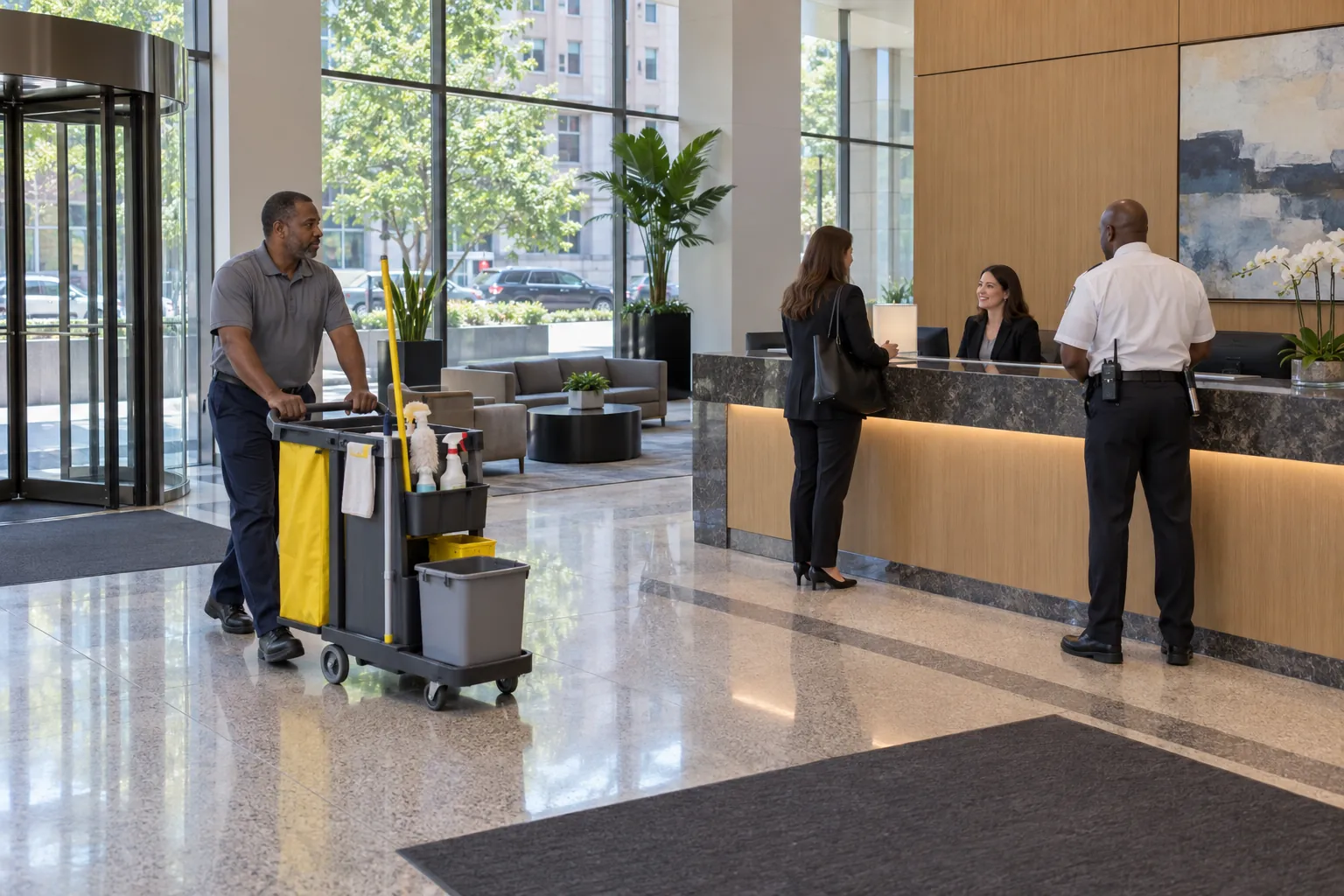 Premises and facilities managementSoft services in facility management: what they cover, how they are bought, how they are measuredWhat soft services cover in US facility management, how they differ from hard services, how they are contracted, and how a provider shows the work was done.